
The Ultimate Guide to Moto X Bikes: Performance, Models & Buying Tips
引言
The world of motocross is a symphony of roaring engines, flying dirt, and pure, unadulterated adrenaline. At the heart of this exhilarating sport lies a specialized machine: the Moto X bike. These aren’t your average motorcycles; they are purpose-built weapons designed for one thing—dominating the dirt track. For over 15 years, I’ve lived and breathed this world, testing hundreds of models from every major manufacturer, from bone-stock showroom bikes to factory-level race machines. I’ve felt the jarring impact of a mistimed landing and the sublime satisfaction of a perfectly executed rhythm section. This guide is the culmination of that hands-on experience and technical research. My goal is to cut through the marketing hype and give you, the rider, clear, trustworthy, and actionable information. Whether you’re a seasoned racer looking to fine-tune your next purchase or a newcomer trying to decipher the world of moto x bikes, consider this your comprehensive manual to performance, reliability, and value.
What Are Moto X Bikes? Defining Motocross Performance
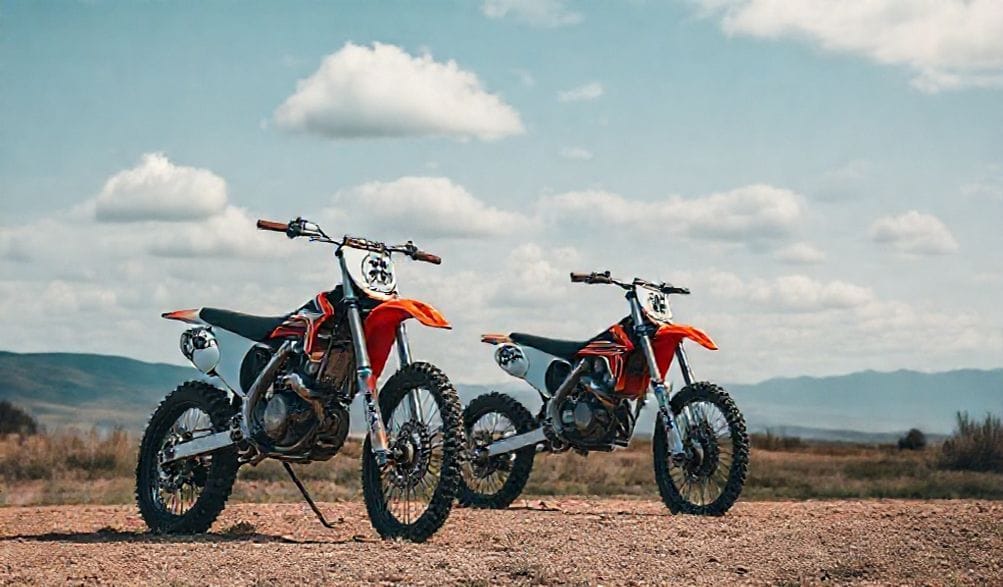
At its core, a Moto X bike—short for motocross bike—is a lightweight, high-performance motorcycle engineered exclusively for closed-course off-road competition. It is the Formula 1 car of the two-wheeled dirt world, stripped of any component not directly contributing to speed, agility, and handling on a prepared track.
Core Design Philosophy: Lightweight, Agile, and Powerful
The mantra for every Moto X engineer is simple: maximize power-to-weight ratio. Every design decision flows from this principle. These bikes possess a purebred racing heritage, with innovations trickling down directly from factory race teams. This results in a machine that is incredibly responsive. The power delivery is immediate and aggressive, the chassis is stiff for precise cornering, and the suspension is long-travel and ultra-pliable to absorb massive jumps and whoop sections.
This focus creates stark differences from other dirt bikes:
* Vs. Trail Bikes: Trail bikes prioritize reliability, a smooth powerband, and comfort for long rides. A Moto X bike sacrifices all comfort and low-end grunt for explosive top-end power and razor-sharp handling.
* Vs. Enduro/Off-Road Bikes: Enduro bikes are the marathon runners—tough, equipped with lights, a kickstand, and a wider gearbox for varied terrain. A Moto X bike is the sprinter, with close-ratio gearing, no lighting, and suspension tuned for impact absorption, not endurance.
* Vs. Dual-Sport Bikes: Dual-sports are street-legal compromises. A true Moto X bike is a single-minded competition tool; making it street-legal is a complex and often impractical endeavor.
Primary Use Cases: From Professional Tracks to Backyard Trails
The primary domain of a Moto X bike is the motocross or supercross track. These manicured circuits feature starting gates, tabletops, step-ups, and deep berms. The bike’s geometry and suspension are meticulously calibrated for this environment.
For the non-racer, Moto X bikes are excellent for practice tracks, sand dunes, and open riding areas where their power and suspension can be enjoyed. However, it’s crucial to understand their limitations. They are notoriously uncomfortable at slow speeds, overheat in tight single-track, and their aggressive power delivery can be intimidating and even dangerous for inexperienced riders on unpredictable terrain.
Anatomy of a Modern Moto X Bike: Key Components Explained
Understanding what makes these bikes tick is key to choosing and maintaining one. Let’s dissect the major systems.
Engine Types: 2-Stroke vs. 4-Stroke Powerbands
This is the great debate, and each has a devout following.
* **二冲程发动机:** Simpler in design (no valves), lighter, and produce power in a sudden, explosive “hit.” They are generally less expensive to rebuild but require more frequent top-end maintenance (piston/ring replacement). The powerband is narrower, requiring more clutch work and active riding. Their distinctive, high-pitched shriek is iconic. Recently, they’ve seen a major resurgence, especially in the 250cc class, favored for their lightweight and lively character.
* **四冲程发动机:** More complex, heavier, but deliver a broader, more tractable powerband with massive torque. They are easier for beginners to manage but are significantly more expensive to rebuild if a major failure (like a dropped valve) occurs. They dominate the professional 450cc class due to their sheer power and smooth, controllable delivery. Modern 4-strokes feature advanced electronics like traction control and launch control on premium models.
Chassis and Suspension: Handling the Whoops and Jumps
This is where the bike’s personality is forged.
* **底盘:** Frames are almost exclusively aluminum for its ideal blend of stiffness and light weight. The geometry—rake, trail, and swingarm length—is tuned for quick steering and stability in the air. Stiffer frames provide more precise feedback, while slightly more flexible ones can improve traction.
* 悬挂系统: This is arguably the most critical system. Modern bikes use inverted telescopic forks up front and a linkage-assisted single shock in the rear. The current trend heavily favors air forks and air shocks (like Kayaba’s A-Kit or WP’s XACT) on high-end models, as they are lighter and more tunable. Spring forks and shocks are still common on entry-level bikes and are prized by some purists for their linear, predictable feel. Proper setup for your weight and skill level is more important than the technology itself.
Essential MX Components: Tires, Brakes, and Bodywork
- 轮胎: Knobby tires are essential for grip. Hard-terrain tires have closely spaced, short knobs. Soft-terrain/Sand tires have tall, widely spaced knobs to paddle through loose material. Intermediate tires are the most common all-around choice.
- 刹车: High-performance hydraulic disc brakes are standard, with oversized rotors (often 260mm+ up front) providing immense stopping power. Modulation and feel are as important as raw power.
- Bodywork: Consists of lightweight, flexible plastic (number plates, fenders, shrouds) designed to break away cleanly in a crash. Ergonomics are slim to allow the rider maximum movement.
Top Moto X Bike Models & Brands for 2024
The competitive landscape drives relentless innovation. Here’s a balanced look at the key players and their 2024 offerings.
Leading Manufacturers: A Legacy of Innovation
- KTM / Husqvarna / GasGas: The Austrian “Pierer Mobility” group is a dominant force. KTM, the flagship, is synonymous with high-performance, orange bikes with WP suspension. Husqvarna offers a slightly more refined, white-and-blue alternative with unique chassis tweaks. GasGas, the red brand, provides a more value-oriented entry point with nearly identical performance. All share cutting-edge engine and electronics packages.
- 本田: The reliability king. Honda’s CRF models are known for their bulletproof 4-stroke engines, user-friendly power, and exceptional build quality. Their engineering is conservative but supremely effective.
- 雅马哈: Famous for its revolutionary, handling-focused chassis. The Yamaha YZ lineup, particularly the unchanged-but-brilliant YZ125 and YZ250 2-strokes, has a cult following. Their 4-stroke engines are smooth and powerful.
- 川崎: The “Green Machine” is known for raw, aggressive power, especially in its KX450. Kawasaki bikes often feel robust and are favorites for riders who like to muscle the bike around the track.
- 铃木: While sometimes slower to update, Suzuki’s RM-Z models are known for their superb cornering prowess and often represent excellent value on the used market.
Model Breakdown by Rider Skill Level
- Beginner/Entry-Level (e.g., Yamaha YZ125, Honda CRF250F, Kawasaki KLX140R): Focus on affordability and a forgiving powerband. Suspension is softer, engines are tuned for manageable low-to-mid power, and maintenance intervals are longer. These are perfect for learning fundamentals without intimidation.
- Intermediate/Enthusiast (e.g., Honda CRF250R, Yamaha YZ250F, KTM 250 SX): This is the heart of the market. You get full-race suspension components (often tunable), potent engines with more aggressive profiles, and higher-quality brakes/clutches. These bikes are capable of winning amateur races in the right hands.
- Professional/Race-Ready (e.g., KTM 450 SX-F FACTORY EDITION, Honda CRF450RWE, Kawasaki KX450SR): These are the halo models. They feature cutting-edge materials (carbon fiber, titanium), the very latest engine and electronics mapping, factory-style suspension components, and often come with premium tires and special graphics. The performance gap to enthusiast models is smaller than the price gap, making them overkill for most non-racers.
How to Choose the Right Moto X Bike for You
Selecting a bike is a personal equation. Here’s a practical framework based on countless rider consultations.
Assessing Your Skill Level and Riding Goals Honestly
问自己:
1. How many hours have I actually spent riding dirt bikes? Be brutal. 50 hours is still a beginner.
2. What is my primary riding environment? MX tracks only? Or a mix of tracks and trails?
3. What is my goal? To have fun and learn, to compete locally, or to simply own a piece of high-performance machinery?
4. What is my height and weight? This is critical for suspension setup.
A common mistake is buying too much bike. A 450cc monster will tire you out, mask poor technique, and can be dangerous for a novice. A 250cc 4-stroke or a 125cc 2-stroke is almost always the better learning tool.
New vs. Used Moto X Bikes: A Cost-Benefit Analysis
- 新车的优势: Full manufacturer warranty, latest technology, known maintenance history (zero hours), and that unbeatable showroom feeling. Financing and dealer support are also perks.
- 二手车的优势: Significant upfront cost savings (often 30-50% depreciation in the first year). The previous owner may have added valuable aftermarket parts. The risk is high, making inspection paramount.
Critical Pre-Purchase Inspection Checklist (Used Bikes)
- 车架与副车架: Run your fingers along all welds, especially around the steering head and swingarm pivot. Look for cracks, repairs, or bends.
- 悬挂系统: Check fork seals for leaks. Compress the forks and shock—they should move smoothly and rebound fully without sticking. Ask when they were last serviced.
- 发动机: Check for obvious coolant or oil leaks. Ask for a cold start. The bike should start within a few kicks (or the first push of the button). Listen for knocking, rattling, or excessive top-end noise. A compression test is ideal.
- 磨损部件: Look at sprocket teeth (are they hooked?), chain tension, brake pad thickness, and tire life. These are bargaining points.
- 整体状况: A clean bike often indicates an owner who maintained it. Check the air filter—if it’s filthy, other maintenance was likely neglected.
Essential Gear and Safety for Moto X Riding
Your gear is your primary safety system. Never compromise here.
Non-Negotiable Safety Equipment (Beyond the Helmet)
- Helmet (DOT/SNELL/ECE Certified): This is non-negotiable. Replace it after any significant impact or every 5 years.
- Boots (MX-Specific): Rigid boots protect against hyperextension, crushing, and ankle breaks. They are as important as your helmet.
- Neck Brace/Collar: Designed to limit excessive neck movement in crashes, helping to prevent collarbone and spinal injuries.
- 胸甲/防溅板: Protects your torso from flying rocks (roost) and impacts. Many integrate shoulder and arm protection.
- 护目镜: Essential for clear vision. Have multiple lenses for different light conditions.
- 手套: Improve grip and protect your hands.
- Knee Braces vs. Knee Pads: Braces (like CTi, Asterisk) are expensive but are the best defense against catastrophic knee ligament tears. Pads protect from impacts but not twisting forces.
Basic Maintenance for Performance and Longevity
A well-maintained bike is a safe and fast bike.
* 空气滤清器: Clean and re-oil after every ride in dusty conditions. A dirty filter is an engine’s worst enemy.
* 发动机机油与滤清器: Change per the manufacturer’s strict interval (often as frequent as every 5-10 engine hours for 4-strokes). Use the recommended oil type.
* 悬挂系统: Fork and shock oil breaks down. A full service every 30-50 hours maintains performance and prevents costly damage.
* 紧固件: Constantly check and tighten spokes, engine mounts, and other critical bolts after every ride.
Neglecting maintenance leads to premature failure, which on a track can mean a sudden crash.
Frequently Asked Questions (FAQ) About Moto X Bikes
What’s the difference between a motocross bike and an enduro bike?
Motocross bikes have long-travel, plush suspension for big jumps; close-ratio gearing for track speeds; no lighting, kickstand, or odometer; and a lightweight, peaky engine. Enduro bikes have slightly shorter-travel, more damped suspension for endurance; wide-ratio gearing for trails and roads; lights, a kickstand, and a spark arrestor; and a heavier, torquier engine built for reliability.
How often does a Moto X bike need major engine rebuilds?
It depends entirely on engine type and use. A 250cc 4-stroke raced hard may need a top-end (piston, rings) every 25-50 hours and a full rebuild every 80-120 hours. A 125cc 2-stroke may need a top-end every 15-30 hours. Casual trail riding can double these intervals. Always consult your owner’s manual for factory service recommendations.
Can I make a Moto X bike street legal?
It is extremely difficult and often illegal. To meet DOT standards, you’d need to add a lighting system (headlight, tail/brake light, turn signals), a horn, a mirror, and DOT-approved tires/rims. You’d also need a charging system robust enough to power it all. The cost and effort almost always outweigh buying a purpose-built dual-sport.
What is a good Moto X bike for a tall/heavy rider?
Taller riders often prefer bikes known for a roomier ergonomic layout, like certain KTM/Husqvarna models or the Honda CRF450R. However, the most important step for any rider over ~180 lbs is to have the suspension re-sprung with heavier-rate springs and potentially re-valved to match your weight and speed. This transforms the bike’s handling and safety.
Is motocross an expensive hobby to start?
Yes, it requires a significant investment. A decent used beginner bike: $3,000 – $4,500. Quality head-to-toe gear: $1,500 – $2,500. Annual costs include maintenance/parts ($500-$2,000+), track fees ($20-$50 per day), and transportation. It’s not cheap, but the thrill and community are unparalleled for those passionate about it.
结论
Embarking on the journey with a Moto X bike is about embracing a high-octane sport that demands respect—for the machine, the track, and your own limits. True enjoyment and progression are built on a foundation of smart choices: aligning a bike’s capabilities with your genuine skill level, never compromising on safety gear, and committing to the discipline of maintenance. This guide, distilled from years of industry experience and a dedication to factual clarity, is designed to be your trusted starting point. Remember, the ultimate moto x bike isn’t the most expensive or powerful one; it’s the one that fits you, fuels your passion, and allows you to ride with confidence and a relentless smile. Now, gear up, start your engine, and enjoy the ride.
想深入了解吗? Compare detailed specs and read our hands-on video reviews of the latest models to see these machines in action before you make your decision.
METADATA_START—
DISPLAY_TITLE: The Ultimate Guide to Moto X Bikes: Performance, Models & Buying Tips
SEO_TITLE: 2024年Moto X越野摩托车选购指南:车型评测、对比与选购技巧
META_DESC: 为您提供全面的Moto X越野摩托车指南。包含2024年车型专业评测、二冲程与四冲程对比分析、面向新手与专业车手的选购建议,以及必备安全装备指南。.
IMG_PROMPT: 一张动感、专业的现代越野摩托车照片,例如KTM 450 SX-F或本田CRF450R,于晴朗日越过土坡腾空而起,尘土飞扬,捕捉速度感与冲击力。骑手全套装备整齐。使用长焦镜头拍摄,浅景深,摩托车对焦清晰锐利。.
—METADATA_END—