
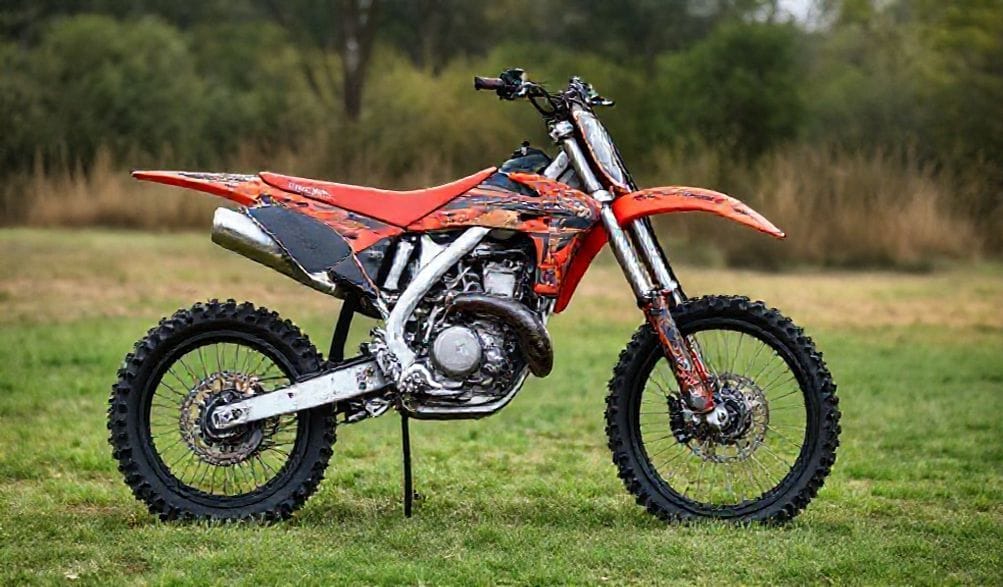
Finding a Reliable Dirt Bike for $500: A Realistic Guide for Beginners
引言
The dream is universal: the freedom of the trails, the thrill of the ride, all without breaking the bank. It’s why searches for a “300 dollar 越野摩托” 或 “dirt bikes for 500” are incredibly common among hopeful new riders and budget-conscious parents. This guide is written directly for you. We’re here to address that search intent with a heavy dose of honesty and years of hard-earned mechanical expertise.
Let’s be clear from the start: finding a safe, functional, and reliable dirt bike at this price point is a significant challenge. It’s the bargain-hunter’s extreme sport. But with the right knowledge, a sharp eye, and managed expectations, it’s not impossible. This isn’t just a list of bikes for sale; it’s a practical roadmap built on real-world experience. Our core mission is to steer you away from dangerous money pits and toward a smart, safe purchase that leads to genuine enjoyment. We adhere to a simple principle: safety and long-term value must always trump a tempting, too-good-to-be-true price tag. Let’s begin by understanding the landscape you’re about to enter.
Understanding the Real-World Market for Budget Dirt Bikes
Before you open a single marketplace app, you need a firm grasp on what $500 truly means in the world of dirt bikes. This isn’t about pessimism; it’s about setting a strategic foundation for your search.
The Truth About “New” Dirt Bikes Under $500
If you see an ad for a brand-new dirt bike priced at $300-$500, proceed with extreme caution. Legitimate, name-brand entry-level models from Honda, Yamaha, Kawasaki, or KTM start at nearly triple that price for a reason—engineering, materials, and safety testing cost money.
The bikes you’ll find in this ultra-cheap “new” category are typically generic, no-name brands sold on Amazon, Walmart, or other big-box retailers. From hands-on experience, these machines are fraught with risk:
- Poor Materials: Components like levers, footpegs, and frame welds are often made from brittle, low-grade metals and plastics that can snap under stress.
- Zero Parts Support: When (not if) something breaks, finding a replacement brake lever or clutch cable can be a nightmare. There’s no dealership network or standardized parts diagrams.
- Serious Safety Concerns: We’ve seen everything from throttles that stick open, to brake lines that fail, to front forks that buckle on light impacts. These are not minor inconveniences; they are crash-inducing failures.
The Experience Bottom Line: That $300 new bike will almost certainly cost you another $400 in immediate repairs, upgrades, and frustration, assuming you can even find the parts. It’s a false economy.
The Pre-Owned Market: Your Primary Hunting Ground
For a $500 budget, the used market is your only viable arena. This is where patience and knowledge become your greatest assets. A used bike from a reputable brand, even if it’s 15 years old, is almost always a better investment than a new generic bike.
To set expectations, here are typical price ranges (varying heavily by region) for common, durable entry-level bikes in different conditions:
- Project/Non-Running: $100 – $300. A major gamble requiring mechanical skill.
- Running, but Needs Work: $300 – $600. This is your target zone. The bike starts and moves, but will require immediate safety and maintenance items (tires, chain, brakes).
- Good, Ready-to-Ride Condition: $800 – $1,500+. A bike in this category is usually outside the strict $500 budget but represents a significantly better starting point.
Your mission is to find a diamond in the “Running, but Needs Work” rough. The key is knowing what to look for.
Critical Pre-Purchase Inspection Checklist (Expertise in Action)
This is the most important section. Never buy a used dirt bike based on photos or promises alone. Always inspect it in person. Bring a friend, a flashlight, and this checklist.
Safety-First Mechanical Inspection
Start with the fundamentals that keep the bike (and you) in one piece.
- 车架与前叉: Run your hands along the frame tubes, especially near welds and engine mounts. Look for any cracks, deep rust, or obvious bends. Check the front forks for straightness and any signs of major oil leakage.
- 车轮与轮胎: Spin both wheels. They should spin freely without wobbling side-to-side (a “wobble” indicates a bent rim). Squeeze spokes; none should be loose or missing. Tires should have decent tread left and no deep cracks or gashes.
- 刹车: Pull the front brake lever and press the rear brake pedal. They should feel firm, not mushy or go all the way to the handlebar/grip. Visibly check brake pad thickness through the caliper and look at the rotor/drum for deep grooves.
- 悬挂系统: Push down hard on the handlebars and the seat. The suspension should compress and rebound smoothly without making nasty squeaking or clunking sounds. Look for oil residue on the fork seals or shock body.
Engine & Drivetrain Health Assessment
Now, assess the heart of the machine.
- The Cold Start: This is non-negotiable. You must hear the bike start from completely cold. A bike that “just needs a carb clean” often has deeper issues. Listen for excessive rattling, knocking, or screeching.
- Smoke & Leaks: As it starts and idles, look at the exhaust. A little white smoke (condensation) is normal. Blue smoke means the engine is burning oil—a sign of worn piston rings or valve seals, a potentially expensive fix. Look under the bike for fresh puddles or significant oil coating the engine cases.
- 传动系统: With the bike warmed up and the clutch pulled in, click through the gears. It should shift without loud clunks or refusing to engage. Test the clutch engagement; it should be smooth, not grabby or slipping.
- 链条与链轮: A worn drivetrain is a telltale sign of neglect. Look at the rear sprocket teeth. If they are hooked or sharp like shark fins, it’s worn out. A rusty, stiff, or overly loose chain also needs replacement.
The All-Important Test Ride (If Possible)
If the seller allows and you are in a safe, open area, a short test ride is invaluable.
- 刹车: Test them at low speed. Do they stop the bike effectively and evenly?
- 油门响应: Is it crisp, or does the engine bog or hesitate?
- 操控性: Does the bike track straight, or does it pull to one side (indicating a bent frame or fork)?
- Listen: Beyond the engine, listen for clunks from the suspension, grinding from the brakes, or rattles from loose parts.
The Best “Budget-Friendly” Dirt Bike Models to Look For
Your $500 will go furthest if you target known, reliable platforms. These bikes were over-engineered for durability, and parts are still plentiful and affordable.
Trusted Entry-Level Models (Older Years)
Focus your search on these workhorses. A well-maintained example from the early 2000s is a far wiser purchase than a flashy, unknown bike from last year.
- **本田:** The king of reliability. Look for the XR50R, XR70R, XR100R, ,或较新的 CRF50F、CRF70F、CRF100F. 。这些风冷四冲程摩托车结构简单、坚固耐用且易于维护。.
- **雅马哈:** 另一个杰出品牌。 本田CRF50F、CRF110F 是标志性的入门车型。 TTR-90、TTR-110和TTR-125 是性能出色、适合林道驾驶的四冲程车型。.
- **川崎:** 该车型 CRF125F is a direct competitor to Honda’s CRF and Yamaha’s TTR line, known for its great suspension and bulletproof engine.
专家建议: A 2005 Honda XR100 that needs a new chain and tires is a superior project to a 2022 “Amazon Special” that’s never been ridden.
场地越野车与迷你摩托车:注意事项
您会看到许多小型“场地越野车”。这里存在一个关键区别:
* 品牌迷你车: 例如本田CRF50或雅马哈PW50。这些是高质量的微型摩托车。.
* 通用场地越野车: 通常是本田设计的中国制造仿制车型。.
优点: 它们前期价格无疑更便宜,适合休闲低速使用。.
缺点(经验之谈): 质量控制如同抽奖。紧固件易滑丝,电气系统不稳定,虽然在线有零件供应,但找到 合适的 特定型号的对应零件可能令人头疼。它们很少能保值。.
计算二手摩托车的隐藏成本
建立信任的关键在于对真实成本保持绝对坦诚。购车价仅仅是入门费用。.
必须立即进行的维修与保养项目
为确保安全和基本可靠性,请假设您新购的二手车需要以下维护。您可以自行完成部分工作以节省开支。.
- 油液更换: 发动机机油、机油滤清器及冷却液(若为水冷车型)。. ~$30-$50
- 空气滤清器: 清洁或更换。. ~$15-$25
- 链条与链轮组: 若已磨损。. ~$60-$120
- 轮胎与内胎: 若存在裂纹或胎面磨平。. ~$100-$200+
- 刹车片/刹车油: ~$30-$60
- 新火花塞、燃油管,可能还需要化油器修理包。(约50美元) 握把、操纵杆、拉线。. ~$20-$50
实际即时投入:200-500+美元。. 这就是为什么一辆300美元的摩托车很少能保持300美元的成本。.
必备安全装备:不可妥协的开支
此项预算独立于车辆预算且不可省略。您可以寻找优质的二手装备,但头盔切勿购买二手。.
- 骑行服/裤/护具: ~$100-$250
- 安全第一的装备(头盔之外的基础): ~$30-$60
- 越野骑行必不可少。寻找具备可撕贴膜柱、防雾涂层以及可针对不同光线条件更换镜片的产品。 ~$20-$50
- 骑行上衣 & 长裤: ~$100-$250+
- 胸甲/骑行服/骑行裤: ~$100-$200+
装备投入:350-800+美元。. 保护身体远比所骑乘的车辆重要得多。.
**何处搜寻与如何议价**
**寻找优惠的最佳平台**
- **Facebook Marketplace:** 最活跃的平台。使用车型名称设置收藏搜索(例如“XR100”、“TTR125”)。.
- **Craigslist:** 仍是可行渠道,通常信息干扰较少。.
- 本地越野摩托车论坛/俱乐部: 从懂行的骑手处获取保养良好车辆的最佳来源。.
识别骗局: 避免与无法当面交易、催促成交或要求预付定金的卖家交易。“持有所有权凭证”是重要加分项。.
明智的谈判策略
您的检查结果是您的议价资本。保持礼貌但基于事实。.
- 善用检查清单: “我确实很感兴趣,但我注意到链条和链轮已完全磨损,轮胎也有裂纹。这辆车需要立即投入约200美元进行维修。您是否考虑接受400美元的价格?”
- 现金为王: 携带足额现金到场对卖家有极强的促动作用。.
- 准备放弃交易: 若车辆存在致命缺陷(车架裂纹、严重烧机油)或卖家不讲道理,请果断放弃。总会有其他车辆出现。.
常见问题解答
问:我真的能用300美元买到安全的越野摩托车吗?
答: 极其困难且风险很高。在此价位,车辆几乎必然需要大量额外的维修和安全相关部件投资才能值得信赖。您的总投入成本很可能达到或超过500美元。.
问:廉价越野摩托车最常见的问题是什么?
答: 疏于保养。缺乏基础维护——更换机油、清洁空气滤清器、调整链条——会导致发动机和传动系统加速磨损。修复这种疏忽产生的费用远高于日常维护成本。.
问:对于廉价的首辆摩托车,二冲程还是四冲程更好?
答: 对于预算紧张、机械经验有限的纯新手,通常更推荐四冲程车型(如XR或TTR)。它们的动力输出更平顺线性、更易操控,且基础维护通常更简单、成本更低。.
问:我的第一辆二手越野摩托车总预算应设为多少?
答: 为确保顺利入门,更现实的总启动预算应为 $800-$1,200. 800-1500美元。这允许购买500-800美元的车辆,并进行必要的即时维护及不可妥协的安全装备采购。.
问:我是否应该先攒更多钱?
答: 如果您的主要目标是安全性、可靠性,且希望跳过“翻修阶段”直接享受骑行乐趣,那么 是的,多存钱是最佳建议。. 仅自行车预算达到1,200至1,800美元,您就能接触到各大知名品牌的新款、保养良好、即买即骑的车型,从而以显著更好的体验和更小的压力开启这项运动。.
结论
寻找一辆约500美元的可靠越野摩托车,是对耐心、调研能力和机械鉴别力的考验。对于合适的人来说,这完全可能成为一个回报丰厚的项目。通过策略性地将搜索重点集中在可信赖品牌的经典耐用车型上,并进行严格以安全为核心的检查,确实有可能找到一辆值得入手的机车。.
请记住这一指导原则:商品标价仅仅是财务支出的开始。真实成本包括使机车达到上路状态的必要维修工作,以及对自身防护装备的关键投资。这个过程需要精明的选购与机械方面的审慎态度相结合。优先考虑扎实的工程设计和安全性,而非光鲜廉价的外表,方能打下正确的基础。正是这个基础——即使车龄已达十年——才能真正解锁骑行那持久不衰的激情与自由。.
METADATA_START—
显示标题:以500美元预算寻找可靠越野摩托车:一份贴合实际的入门指南
搜索优化标题:300美元能买到安全的越野摩托车吗?一份贴合实际的购车指南
元描述:正在寻找300美元的越野摩托车?我们的专家指南揭示了预算市场的真相,提供了一份关键检查清单,说明了隐藏成本,并指导您如何实际找到一辆约500美元的安全可靠的二手越野摩托车。.
图片生成提示:特写镜头,一辆略有使用痕迹但经典的本田XR100越野摩托车,一只戴着技师手套的手正指向链条和链轮以检查磨损情况。摩托车位于车库工作间内,背景中有工具,阳光照射进来。照片级真实感,焦点锐利。.
—METADATA_END—