
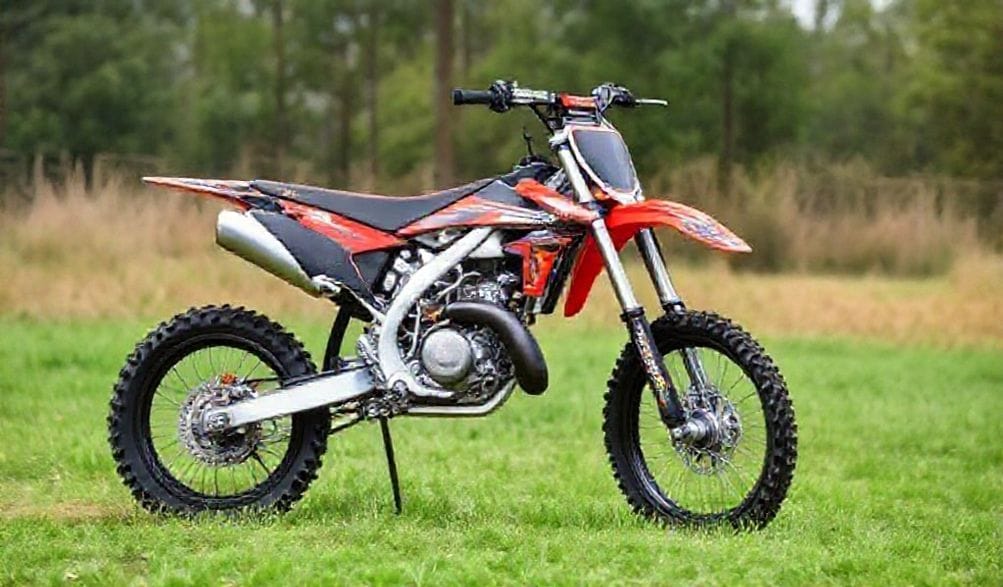
The Best Dirt Bikes for 12-Year-Olds: A 2024 Safety & Performance Guide
The roar of an engine, the smell of fresh earth, and the triumphant grin of a kid conquering a trail—越野骑行 offers more than just a thrill. For a 12-year-old, it’s a gateway to building unshakeable confidence, razor-sharp coordination, and a lifelong love for the outdoors. It’s about problem-solving on the fly, learning respect for machinery, and experiencing pure, unadulterated joy. If you’re searching for the best dirt bike for your 12-year-old, you already know this is a pivotal moment. They’re rapidly outgrowing those beginner 50cc and 70cc bikes but are clearly not ready for the towering power and weight of adult machines. The quest is for that perfect middle ground: a machine that balances manageable power, appropriate size, and built-in safety to foster growth, not fear.
This guide is built on a foundation of hands-on experience, meticulous analysis of manufacturer specifications, and, above all, a paramount focus on safety. Our goal is to cut through the noise and help you make a confident, informed decision for your young rider. We’ll break down the key factors—from engine size and seat height to critical safety features—provide detailed reviews of 2024’s top models, and outline the essential gear that completes the package for thrilling and safe adventures.
Why Choosing the Right Bike for a 12-Year-Old is Crucial
At age 12, a child is at a unique crossroads of physical and skill development. Getting the bike wrong here can either stunt their passion with a machine that’s too intimidating or bore them with one they’ve outgrown before the season ends. The right choice fuels progression.
The 12-Year-Old Rider Profile: Skills and Growth
The average 12-year-old boy stands between 4’8″ and 5’2″ and weighs 75 to 100 pounds. Girls are typically in a similar height range, perhaps slightly shorter on average. But averages are just a starting point—measuring your child is key. This age marks a significant transition from a pure beginner to an intermediate rider. They’ve (hopefully) mastered the basics: throttle control, braking, balance, and turning. Now, they’re ready to link those skills together, tackle varied terrain, and perhaps even learn controlled acceleration and jumping. The bike must cater to this evolving skillset, offering enough performance to be engaging but not so much that it becomes uncontrollable. Furthermore, with growth spurts on the horizon, considering a bike with a little “room to grow”—but not too much—is a smart financial and practical move.
时速60英里电动车辆的性能伴随着摩托车级别的风险。安全绝不能是事后才考虑的事情。
Safety in youth riding is inextricably linked to proper equipment, and the bike itself is the most critical piece. A bike that is too tall forces a rider to tip-toe at stops, leading to drops and instability. One that is too heavy becomes unmanageable in tricky situations, increasing fatigue and the risk of a crash. Most importantly, a bike that is overpowered is a direct safety hazard. It can easily outpace a young rider’s reaction time and skill level, leading to whiskey-throttle incidents and loss of control. Conversely, an underpowered bike can be dangerous in its own right, struggling to climb hills or get out of obstacles, potentially causing frustration and poor riding habits. The right fit manages power delivery and physical dimensions to keep the rider in control.
Key Factors in Choosing a Dirt Bike for a 12-Year-Old
Navigating specifications can be daunting. Let’s translate the key metrics into practical decision-making tools.
Engine Size (cc): The Power Sweet Spot
For most 12-year-olds, the engine sweet spot lies between 110cc and 125cc. This range provides ample power for trails, fields, and introductory track riding without being overwhelming.
* 110cc: Often found in “big wheel” versions of popular mini bikes (e.g., KLX110R). Excellent for lighter riders, beginners, or those moving up from a 50/70cc. Focuses on manageable, linear power.
* **125cc:** The quintessential bike for this age group (e.g., CRF125F, TT-R125). Offers more torque and top-end speed, perfect for riders with some experience or those on the taller/heavier side.
You’ll also encounter the 2-stroke vs. 4-stroke debate. For this age group:
* 4-Stroke (e.g., Honda, Yamaha, Kawasaki trail bikes): The default recommendation. They deliver smooth, predictable torque, are easier to ride, and are more forgiving. Maintenance is generally simpler (oil changes, valve checks), and they are quiet and fuel-efficient.
* 2-Stroke (e.g., KTM 85 SX): Designed for aggressive, track-oriented riding. They have a “power band”—sudden, explosive power that hits higher in the RPM range. They require more precise clutch and throttle control, are louder, and need gas/oil mixing. Best suited for a competitive, experienced young rider with adult supervision.
Fit and Ergonomics: More Than Just Seat Height
Seat height is the most critical measurement. Here’s how to get it right:
1. Have your child stand in their riding boots.
2. Measure their 内腿长 (from crotch to floor).
3. The bike’s 座高 should be no more than 1-2 inches above their inseam. At a minimum, they should be able to comfortably touch the balls of both feet to the ground. Flat-footing is ideal for beginners.
重量 is equally crucial. A bike weighing 150-200 lbs needs to be manageable for a 75-100 lb child to maneuver, pick up, and control. Japanese trail bikes often strike a good balance here.
Bike Type: Motocross vs. Trail Bikes
- Motocross (MX) Bikes: Lightweight, powerful, with stiff suspension designed for jumping and high-speed track performance. They often lack features like electric start and lights. Best for dedicated track use by an experienced rider.
- Trail/Play Bikes: Built for durability, ease of use, and versatility. They feature softer, more forgiving suspension for rough terrain, often have electric start, and are geared for tractable power. This is the recommended category for the vast majority of 12-year-olds.
Key Features to Look For
- 电启动: A game-changer for young riders. Eliminates the frustration and fatigue of kick-starting, especially after a stall on a hill.
- 选择安全的摩托车:需要关注的关键特性 A plastic screw that limits how far the throttle can be twisted. An invaluable tool for parents to restrict power while a rider gains confidence.
- **制动系统:** Disc brakes (especially hydraulic) offer superior stopping power and control compared to older drum brakes. Look for them at least on the front wheel.
Top 5 Dirt Bikes for 12-Year-Olds: 2024 Reviews
1. Honda CRF125F
The All-Around, No-Drama Champion
Key Specs: 125cc 4-Stroke, Seat Height: 29.5″, Weight: 203 lbs.
优点: Legendary Honda reliability and build quality. Ultra-smooth, predictable power perfect for learning. Low-maintenance engine. Excellent resale value.
缺点: Heavier than some competitors. Still uses a kick-start (though it’s famously easy).
最适合: The rider who values durability, ease of use, and a trusted brand above all. The quintessential “do-it-all” trail bike.
川崎 KLX110R
趣味与信心的塑造者
Key Specs: 112cc四冲程,座高:26.8英寸(L版:29.3英寸),重量:168磅。.
优点: 极致轻巧灵活。标准版极低的座高有助于身材较矮的骑手。动力平顺可控。通常配备限油器。.
缺点: 标准版可能很快被身高较高的12岁孩子淘汰(可选择配备更大车轮的KLX110R L版)。.
最适合: 适合年龄较小或体重较轻的12岁儿童,或从50cc车型过渡的骑手。能奠定极佳的基础技能。.
雅马哈 TT-R125LE
广受欢迎的用户友好之选
Key Specs: 125cc四冲程,座高:31.1英寸,重量:194磅。.
优点: 电启动 是巨大优势。发动机平顺易控。悬挂系统出色柔软,适合林道骑行。比本田车型更具现代感。.
缺点: 略高的座高可能不适合身材较矮的骑手。.
最适合: 适合追求现代便利性(电启动)且希望获得比CRF125F更具运动感体验,同时保持完全可控性的骑手。.
KTM 85 SX
为有志越野摩托车赛手打造
Key Specs: 85cc二冲程,座高:35.0英寸,重量:154磅。.
优点: 同级别中极其轻量且动力强劲。顶级可调悬挂及组件。真正的竞技级赛车。.
缺点: 激进动力区间需要熟练的离合/油门控制。座高较高。性能调校激进,维护需求更高。仅限脚启动。.
最适合: 适合经验丰富、富有激情的12岁骑手,需常驻越野赛道并在专业指导下准备参加竞技比赛。.
铃木 DR-Z125L
全能稳健的竞争者
Key Specs: 125cc四冲程,座高:31.5英寸,重量:194磅。.
优点: 坚固简洁的设计。久经考验的可靠发动机,与前代车型共享。林道骑行动力充沛且线性可控。.
缺点: 与竞品相比设计略显陈旧。通常缺乏最新功能(如基础版无电启动)。.
最适合: 适合追求可靠、简约、经济实惠且能胜任任务的骑手或家长。.
必备安全装备:完善骑行配置
车辆本身仅占安全的一半。. 装备是不可妥协的安全设备,而非可选配件。.
绝对必需品
- 头盔: 头盔: 至少通过DOT认证;SNELL或ECE 22.06是更优标准。. 必须贴合紧密且无压迫点。经历任何重大撞击后需更换。.
- 提供减震、增强抓握力,并在摔车时防止擦伤。 越野摩托车专用靴 至关重要。可防止脚踝扭伤骨折,保护脚部免受冲击,并提供必要支撑。街道靴或工作靴防护严重不足。.
- 越野骑行必不可少。寻找具备可撕贴膜柱、防雾涂层以及可针对不同光线条件更换镜片的产品。 防止手部起泡、被树枝划伤及摔倒时擦伤。提升抓握力和操控性。.
强烈建议的防护装备
- 安全第一的装备(头盔之外的基础): 保护眼睛免受泥土、石块和树枝伤害。选择防雾和可撕镜片功能。.
- 提供抓握力,防止手部起水泡,并提供耐磨保护。 保护躯干、肋骨和背部免受飞溅物撞击及冲击伤害。.
- )能固定您的手腕并防止骨折。 保护这些脆弱关节和骨骼免受车辆或地面撞击。.
- 头盔: 重要且有价值的投资,通过限制碰撞中颈部过度活动,帮助预防严重颈椎损伤。.
家长入门指南
骑行前准备与维护检查
培养骑行前检查习惯:
1. 轮胎: 检查胎压及损伤情况。.
2. 链条: 链条:检查张力和润滑情况。.
3. 操控装置: 确保油门回弹正常,刹车有效,操纵杆紧固。.
4. 油液: 检查燃油和机油油位。.
5. 紧固件: 目视检查关键螺栓(车轴、车把夹)是否紧固。.
寻找合法安全的骑行场地
- 越野摩托车赛道: 通常设有面向各技能等级的练习日。.
- 越野车辆公园: 指定用于林道骑行的公共土地。.
- 私人土地: 务必获得明确许可。.
- 骑行课程: 诸如 摩托车安全基金会 提供越野摩托车课程,在受控环境中教授正确基础技能,极具价值。.
基础教学与监督
从平坦开阔区域开始。练习基础项目:八字绕圈、制动、低速平衡。家长应担任教练和安全员,而非旁观者。设定明确边界和规则。如有可能共同骑行——这是最佳监督和共享体验的方式。.
常见问题解答 (FAQ)
问:12岁零经验新手最适合哪种入门越野摩托车?
答: 通常,四冲程110cc林道车(如川崎KLX110R或本田CRF110F)最为理想。其低座高、轻重量和极易掌控的动力,能安全奠定基础技能。.
问:12岁孩子可以骑250cc越野摩托车吗?
答:不建议。. 对于绝大多数12岁儿童而言,标准尺寸的250cc摩托车动力过强、重量过大(230磅以上)且座高过高(37英寸以上)。这会带来显著的安全风险,并可能迅速挫伤新骑手的信心。务必根据骑手当前的身高和技术水平匹配合适的车型。.
问:为12岁孩子购买新越野摩托车预计需要多少预算?
答: 110cc-125cc级别新车的厂商建议零售价约为 2,500至4,500美元。. 关键的是,务必额外预留 500至1,000美元用于购置必需的高质量安全装备。.
问:为孩子购买二手越野摩托车是否合适?
答: 这可以成为节省开支的有效途径,, 是否 前提是您具备相关知识或能携带可信赖的技师同行。务必彻底检查车架损伤(裂纹、弯曲)、发动机状况(冒烟、异响)以及整体磨损情况。维护不善的二手摩托车可能存在安全隐患,并最终导致更高的维修成本。.
问:如果摩托车对我的孩子来说略微偏高,该怎么办?
答: 可通过一些微调来改善,例如 安装降低连杆 (用于后悬架)以及 削薄座椅。 然而,这些仅是小型调整。从最初就选择尺寸正确的摩托车几乎总是更佳方案。骑手应能舒适地用双脚前脚掌触地。.
结论
选择 best dirt bike for your 12-year-old 最终可归结为一个原则:“最佳”摩托车是能精准匹配您孩子独特体型、当前技能水平及预期骑行风格的那一款。对许多人而言,本田CRF125F或雅马哈TT-R125LE将是绝佳且可靠的起点,可开启多年的冒险之旅。请记住,此项决定是安全与成长的基础。应优先考虑合适的尺寸与可控的动力,而非一味追求原始性能参数。投资于顶级防护装备和正规的骑手培训,其重要性丝毫不亚于摩托车本身。.
合适的机车将开启一个冒险世界,创造持久的回忆,并传授责任感和毅力等课程——这些收获远超越林道本身。请做好调研,让孩子参与选择过程(让他们试坐不同车型!),并准备好迎接一段终生难忘的骑行之旅。.
还有更多疑问或想分享您的经验?请在下方留言!对于后续步骤,我们强烈建议前往授权经销商处,让孩子亲自试坐并感受不同车型。.
METADATA_START—
显示标题:适合12岁儿童的最佳越野摩托车(2024年指南)
搜索引擎优化标题:12岁儿童最佳越野摩托车 | 2024年安全与选购指南
元描述:正在为您12岁的孩子寻找最佳越野摩托车?我们的2024年指南对比了顶级110cc和125cc车型,重点关注安全性、适配度及关键特性,助您明智选择。.
图片生成提示:一名快乐且装备安全的12岁骑手,驾驶红色本田CRF125F越野摩托车,自信地站立在阳光斑驳的森林小径上,一位家长在旁观看。动态抓拍,专业摄影,焦点清晰。.
—METADATA_END—