
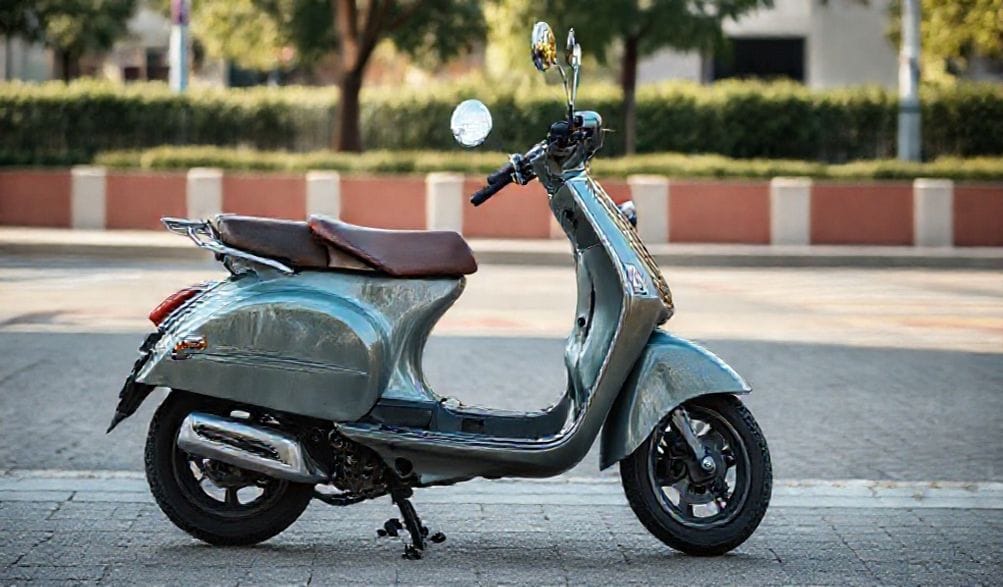
Scooter vs. E-Bike: Choosing the Right Electric Ride for Your Lifestyle
The urban landscape is humming with a new kind of energy. Gone are the days when your commute options were limited to a car, a crowded bus, or a sweat-inducing pedal on a standard bicycle. Today, the streets are shared with the silent whir of electric motors, propelling two revolutionary forms of personal transportation: the 电动滑板车 and the electric bike (e-bike).
Both promise to slash commute times, reduce your carbon footprint, and inject a dose of fun into daily travel. But when standing at the crossroads of this electric mobility revolution, a critical question arises: which one is right for 您? Is it the minimalist, stand-up scooter, or the versatile, pedal-assisted e-bike?
This isn’t a question of one being objectively superior. It’s a matter of aligning technology with lifestyle. This comprehensive guide dives deep into the world of scooters and e-bikes, comparing them across every critical factor—from cost and performance to 合法性 and comfort. By the end, you’ll have all the information needed to make an informed investment in your personal mobility and a more sustainable way to move.
Understanding Your Options: Defining Scooters and E-Bikes
Before we pit them against each other, let’s clearly define what we’re talking about.
What is an Electric Scooter?
The electric scooter is the epitome of compact, point-to-point urban transit. Think of the dockless rentals that flooded city sidewalks, but in a more robust, personally-owned form.
- Core Design: A stand-up platform (deck) with handlebars, typically mounted on small wheels (8-10 inches in diameter). They are controlled by a throttle on the handlebars and brake levers.
- 功率与速度: Consumer models usually feature motors from 250W to 1000W, with top speeds ranging from 15 mph to 25+ mph for performance models. They are almost exclusively throttle-operated—you don’t pedal.
- Primary Use Case: Ideal for short-distance trips (under 5 miles), solving the “first and last mile” problem between your home and a transit station, or for quick errands around a dense urban core. Their essence is convenience and portability.
站立。这是影响舒适度和骑行时长的关键区别点。
An e-bike is, at its heart, a bicycle supercharged with an electric motor. It enhances your pedaling effort, making hills disappear and long distances feel short.
- Core Design: A traditional bicycle frame (cruiser, mountain, commuter, etc.) with an integrated electric motor, battery, and control system. Most require you to pedal to activate the motor (pedal-assist), though many also include a throttle.
- The Three Classes: This is crucial for understanding regulations:
- 第一类: Pedal-assist only, with no throttle. Motor provides assistance up to 20 mph.
- 第二类: Features a throttle that can propel the bike without pedaling, up to 20 mph.
- 第三类: Pedal-assist only, but motor assistance continues up to 28 mph. Often restricted from bike paths.
- Primary Use Case: A true car replacement. Perfect for longer commutes (5-20+ miles), fitness rides where you want to control exertion, recreational trail riding (with specific e-MTBs), and practical tasks like grocery hauling or carrying kids.
Head-to-Head Comparison: Key Decision Factors
Now, let’s break down the showdown across the dimensions that matter most.
Cost Analysis: Initial Investment and Ongoing Expenses
- 购买价格: 通常,, electric scooters have a lower entry point. You can find reliable commuter scooters for $400-$800. High-performance, long-range models can reach $1,500+. E-bikes are a more significant investment, with quality entry-level models starting around $1,200-$1,800 and premium models easily exceeding $3,000-$5,000.
- 持续成本: Both have low “fuel” costs (pennies per charge). Maintenance is where they diverge.
- Scooters: Have fewer mechanical parts but are vulnerable to tire wear (especially solid tires), brake pad replacement, and electronic issues. Their compact, stressed components can be less forgiving of potholes.
- 理解保险与注册要求 Inherit all the maintenance needs of a regular bicycle (chain lubrication, derailleur adjustments, brake servicing) plus the electrical system. However, their larger, more robust components (like pneumatic tires) often handle wear and tear better. Long-term, a well-maintained e-bike can be very reliable.
- 总结: Scooters win on upfront cost, but a quality e-bike may offer better durability and lower cost-per-mile over a multi-year lifespan.
Performance & Range: How Far and How Fast Can You Go?
- 续航里程: This is highly variable. A scooter with a 500Wh battery might claim a 25-mile range, but real-world factors like rider weight, hills, and speed cut that significantly—often by 30-40%. An e-bike with a similar 500Wh battery can often go much farther because the rider’s pedaling contributes substantially to motion. For covering distance, e-bikes are the clear winner.
- Speed & Power: Top speeds are comparable (15-28 mph), governed more by local law than engineering. However, e-bikes dominate in hill-climbing ability. Their combination of more powerful motors (often 250W-750W nominal, with higher peak output), multiple gears, and pedal power allows them to tackle steep inclines that would stall or severely drain a typical scooter.
- 总结: For flat, short trips, both are capable. For longer commutes, variable terrain, or any significant hills, the e-bike’s performance is superior.
Practicality & Convenience for Daily Life
- Portability: 这是针对 scooter’s flagship advantage. Most quality scooters fold down in seconds into a compact package weighing 30-45 lbs, making them easy to carry onto a train, store under a desk, or tuck into a closet. E-bikes are heavy (50-70 lbs) and do not fold (with rare exceptions). They require secure bike parking.
- 储物空间: Scooters are apartment-friendly. E-bikes need a garage, shed, or a sturdy indoor bike rack.
- Utility: E-bikes are in a league of their own here. You can easily add panniers, cargo racks, baskets, and even child seats. They are designed for carrying loads. Most scooters offer minimal cargo options—perhaps a small bag on the stem—and are not suited for transporting anything beyond a backpack.
- 总结: Scooters for seamless integration into multi-modal transit and tight living spaces. E-bikes for replacing car trips and handling daily chores.
安全性、舒适性与骑行体验
- 稳定性与操控性: 电动自行车能提供更稳定、更自信的骑行感受。. 大轮径(26″-29″)可轻松碾过裂缝、坑洼和路面杂物。其坐姿骑行结构与自行车几何设计本身具有更好的平衡性。而电动滑板车因轮径较小、重心较高,对路面不平更为敏感,需要骑行者更主动地保持平衡。.
- 舒适性: 在电动滑板车踏板上站立超过20-30分钟会因持续振动导致腿部疲劳并加重关节负担。电动自行车的坐姿设计则能为长时间骑行提供远更舒适的体验。.
- 安全配置: 两者均配备车灯和制动系统(碟刹或鼓刹)。电动自行车因速度较高且常在道路上行驶,通常配备更先进的制动系统;其标准自行车外形也使其在驾驶员视野中更易被识别。.
- 总结: 就舒适度、操控性及应对复杂城市路况而言,电动自行车能带来显著更愉悦、更安心的骑行体验。.
法律环境与适用道路
这是最关键且多变的因素。您必须核查所在地及所在州的法律规定。.
- 骑行区域规定: 法规仍在动态调整中,但普遍情况如下:
- 电动自行车(1类及2类): 通常被视同自行车。允许在街道、自行车道及多用途道路上行驶,除非有明确禁令(部分道路禁止机动车辆通行)。 全部 电动滑板车:.
- 法规一致性较低。通常禁止在人行道上行驶,可能被允许进入自行车道,或被要求仅在机动车道行驶。部分城市将其按轻便摩托车管理,完全禁止使用自行车基础设施。 头盔、牌照与登记要求:.
- 头盔法规因年龄及车辆类型而异。一般而言, 低速电动自行车(1类及2类)在大多数美国州份, 无需驾照、登记或保险。电动滑板车法规更为零散;部分州/市对高功率型号设定了年龄限制、驾照要求甚至登记规定。 当前电动自行车享有更清晰且广泛认可的法律框架,可使用更广泛的安全基础设施网络。电动滑板车法规限制更多且缺乏统一性。.
- 总结: 如何正确选择:哪种更适合您?.
让我们将这些对比转化为个性化建议。
Let’s translate these comparisons into personal recommendations.
Choose an Electric Scooter If…
- 较短(低于3-5英里) 便携性为硬性需求.
- ——需与公交/地铁接驳,或需携带进入办公室/住宅。—you need to combine it with bus/train rides or carry it into your office or home.
- 储物空间极为有限 (如小户型公寓、无车库)。 购车预算较为紧张.
- Your 日常行驶路线为.
- 维护良好、路面平整的道路 在以下情况选择电动自行车….
Choose an Electric Bike If…
- 通勤距离较长(5英里以上) 或希望 替代汽车出行 处理杂务或社交访问。 您重视.
- 多功能性 ——希望用同一车辆满足锻炼、通勤、载货或接送儿童的需求。—you want one vehicle for exercise, commuting, and carrying groceries or kids.
- 舒适性与稳定性 是优先考量。.
- 您的路线包含 坡道、复杂地形或不平整道路.
- 您计划主要在 自行车道或多用途道路上骑行 而这些道路可能禁止或限制电动滑板车通行。.
使用与维护专业建议
无论选择何种车辆,妥善保养都能确保其使用寿命、安全性和性能表现。.
最大化电池寿命与续航
- 避免过度放电: 尽量避免经常将电池耗尽至0%。建议电量降至20-30%时即进行充电。.
- 智能存放: 长期存放(数周)时,请将电池在阴凉干燥处保持40-60%电量。避免满电或完全亏电状态存放。.
- 不要立即为冰冷的电池充电。避免将其储存在极热(如夏季的汽车后备箱)或极冷环境中。 极端高温与低温会损害电池性能。高温骑行后请勿立即充电,避免将设备置于阳光直射或冰冻环境中。.
- 平稳骑行: 对两种车型而言,急加速和急刹车都会浪费能量。保持匀速可最大化续航里程。.
必备安全装备与骑行礼仪
- 头盔: 务必佩戴头盔。. 建议选择配备MIPS系统的头盔以获得更好冲击保护。骑电动自行车(特别是3类车型)时必须佩戴自行车专用头盔。.
- 可见性: 无论昼夜,请使用明亮的前后车灯。穿着反光衣物或佩戴反光配件。.
- 保持可预测的骑行方式: Follow traffic laws. Signal your turns. Don’t weave between sidewalks and roads. On paths, announce your pass (“On your left!”) and slow down around pedestrians.
- Assume You’re Invisible: 采取防御性骑行策略。切勿假设司机已经看到了你。.
常规维护检查清单
电动滑板车维护:
* 每周:检查胎压(如为充气轮胎)并查看磨损/割伤情况。.
* 每月:确保所有螺栓(尤其是折叠机构和立管处的)已拧紧。测试刹车响应。清洁踏板以保持抓地力。.
* 定期:检查电线是否松动或有无异响。留意电机是否有异常声音。.
电动自行车维护:
* 每周:润滑链条并检查胎压。.
* 每月:检查刹车片磨损情况并测试刹车功能。检查电池是否安装牢固,接口是否清洁。.
* 每季/每年:进行专业调试,调整变速器、校正轮圈并检查电机系统。.
常见问题解答
问:电动自行车和电动滑板车,哪个更适合爬坡?
答: 电动自行车在爬坡方面具有压倒性优势。其齿轮传动、更强大的电机以及可叠加自身踩踏动力的能力,使得爬坡轻松得多。大多数滑板车在陡坡上速度会显著下降,并且电池电量会快速耗尽。.
问:我可以在雨中骑行电动滑板车或电动自行车吗?
答: 请查看制造商提供的IP(防尘防水)等级。许多产品的等级为IP54或类似,这意味着它们能防小雨和溅水。然而,两者都不是潜水艇。请避免驶入深水坑、暴雨天气以及使用高压水枪冲洗,因为水可能损坏电子设备、降低抓地力并影响安全。.
问:骑行电动自行车或电动滑板车需要驾照吗?
答: 您必须核查当地的法律规定。. 在美国,通常大多数州对1类和2类电动自行车(最高时速20英里)不要求驾照、注册或保险。电动滑板车的法律则远不统一;有些城市/州设有年龄限制、驾照要求,或将其归类为轻便摩托车。请在购买前务必核实。.
问:哪个更环保?
答: 两者都是替代汽车的绝佳绿色选择,不产生尾气排放。其整体碳足迹取决于您当地的发电方式和制造过程。它们最大的共同环境效益在于减少了道路上的单人汽车,缓解了交通拥堵并降低了对化石燃料的需求。.
问:电池通常能用多久才需要更换?
答: 如果保养得当,两种设备中的锂离子电池应能使用3到5年,或大约500到1000次完整充电循环。此后,您会注意到续航里程显著缩短,这表明是时候考虑更换电池了。.
结论
选择理想电动出行工具的旅程,其终点并非宣布谁是赢家,而是更清晰地理解您自身的需求路线图。电动滑板车是敏捷、极简的城市居民之选——完美适合短途出行、无缝换乘公共交通,以及那些空间和预算有限的人。电动自行车则是能干、多面手的“驮马”——能够胜任更长的通勤距离、承载您的货物,并将令人生畏的陡坡变为缓坡,同时提供舒适稳定的骑行体验。.
通过诚实地评估您的主要通勤距离、存放条件、预算、当地地形和法律环境,正确的选择将会清晰浮现。无论您选择滑板车的时尚便携性,还是电动自行车赋予能力的多功能性,您所做的选择不仅有益于您的日常生活,也有益于您所在城市和地球的健康。现在,是时候充电并出发骑行了。.
METADATA_START—
显示标题:滑板车 vs. 电动自行车:选择电动出行工具的终极指南
SEO标题:滑板车 vs. 电动自行车:比较成本、续航与法规 | 终极指南
页面描述:在电动滑板车和电动自行车之间犹豫不决?我们的详细指南比较了成本、续航、舒适度、法规和实用性,帮助您为通勤选择完美的电动车辆。.
图片提示:一个现代城市街道场景,一位快乐的通勤者骑着电动自行车在自行车道上,超过一位在十字路口等待、骑着可折叠电动滑板车的人。两辆车看起来都时尚现代,电动自行车上载有一个驮包。明亮的白天,都市背景。.
—METADATA_END—