
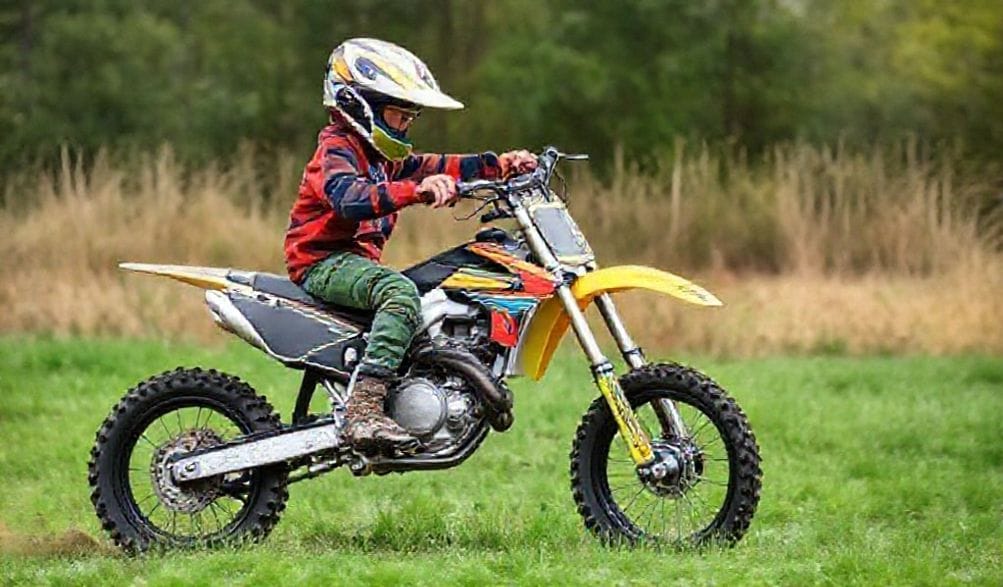
The Ultimate Parent’s Guide to Dirt Bikes for 6-Year-Olds (Safety, Selection & Getting Started)
That moment when your child’s eyes light up at the sound of a dirt bike, mirroring your own passion for riding, is pure magic. It sparks dreams of weekend adventures, shared trails, and passing on a love for motorsports. But for a parent, that excitement is almost instantly followed by a wave of questions and concerns. Is my child ready? How do I keep them safe? What on earth is the right bike? If you’re navigating these feelings, you’re in the right place.
This guide is designed to be your comprehensive, safety-first handbook for introducing your 6-year-old to the world of dirt bikes. We’ve distilled expert advice from seasoned riding instructors, manufacturer specifications, and hard-won wisdom from parents who’ve been in your shoes. Our goal is simple: to replace your anxiety with knowledge, empowering you to make a confident, informed decision that prioritizes your child’s safety and enjoyment. We’ll walk you through assessing readiness, decoding critical safety features, comparing electric and gas-powered options, and laying the groundwork for a positive first riding experience. Let’s get started on this journey the right way.
Is Your 6-Year-Old Ready for a Dirt Bike? Assessing Physical & Mental Readiness
Before you even look at a bike, the most important assessment happens at home. Readiness isn’t just about age; it’s a combination of physical capability and mental maturity.
Physical Requirements: Size, Strength, and Coordination
A dirt bike is not a toy; it’s a vehicle that requires specific physical skills. The most critical rule is the “flat-foot rule.” When sitting on the bike, your child should be able to place the balls of both feet flat on the ground comfortably. This is non-negotiable for a beginner, as it provides essential stability for stopping, balancing, and preventing tip-overs. For most 6-year-olds, this translates to a bike with a seat height between 19 and 22 inches.
Beyond height, consider:
* Throttle Control: Can they operate a twist-grip throttle with control, not just a jerky, all-or-nothing motion? Their hand should be large and strong enough to manage it.
* Brake Lever Reach: They must be able to pull the brake levers (especially the front brake, which requires more effort) with at least two fingers while maintaining a grip on the handlebars.
* Core & Leg Strength: They need enough strength to hold the bike upright at a stop and to use their legs to grip the bike while riding.
* General Coordination: Basic balance, the ability to look ahead while managing controls, and solid motor skills are foundational.
Maturity and Mindset: Following Instructions and Risk Awareness
This is often the deciding factor. A physically capable child who won’t listen is at extreme risk.
* Rule Adherence: Can your child listen to and follow specific safety instructions, even when excited? “Always wear your helmet,” “Stop when I say stop,” and “Stay within this boundary” are commands that must be obeyed instantly.
* Focus and Respect: Riding requires constant attention to the terrain, the bike, and instructions. They need to understand that the bike is powerful and must be respected.
* Risk Awareness & Cause/Effect: A basic understanding that actions have consequences—like twisting the throttle hard makes the bike lunge, or not braking in time leads to a crash—is crucial. They should demonstrate a cautious, not reckless, approach to new physical challenges.
Critical Safety Features for a First Dirt Bike
Once you’ve established readiness, the bike itself becomes your primary tool for safety. These features are not optional extras for a beginner.
Engine Type & Size: Why CCs and Power Limiters Matter
For 6-year-old beginners, less power is unequivocally more.
* Engine Size (CCs): The sweet spot is a 50cc engine. Some larger or more experienced 6-year-olds may handle a 110cc, but only if it has a throttle limiter. Never start a true beginner on anything larger. Cubic Centimeters (cc) refers to engine displacement; more cc generally means more power and speed.
* Power Limiters: This is your best friend. Look for bikes with a screw-type throttle limiter or adjustable power modes (common on electric bikes). This allows you to restrict top speed to a safe crawl (e.g., 5-10 mph) for initial practice, gradually opening it up as skill develops.
* Electric vs. Gas: We’ll dive deeper later, but note that electric motors deliver instant, silent torque. A limiter or speed controller is just as vital on an e-bike.
Essential Bike Components: Brakes, Tires, and Suspension
- Transmission: Sepeda motor listrik dirt bike 80 mph automatic clutch (or no clutch, like on many electric bikes) is ideal. It lets the child focus on balance, throttle, and braking without the complexity of shifting. Manual clutches come later.
- Rem: Functional front and rear brakes are mandatory. Disc brakes typically offer better, more consistent stopping power than drum brakes, especially in wet or muddy conditions.
- Ban: Proper knobby, off-road tires provide the necessary grip on dirt, grass, and gravel. Street-style tires are dangerous for off-road use.
- Suspensi: At minimum, the bike should have front forks and a rear shock. This absorbs impacts from small bumps, keeping the bike stable and saving your child’s spine. Adjustable suspension is a bonus for fine-tuning the ride as they grow.
The Non-Negotiables: Safety Gear Head-to-Toe
The bike is one part of the equation; your child’s personal protective equipment (PPE) is the other. Gear is not where you cut corners or buy used (except maybe jerseys).
1. Helm: Harus Bersertifikasi DOT minimal; SNELL atau ECE certification is better. It must fit snugly without pressure points. A motocross-style helmet is designed for this sport.
2. Kacamata: Protect eyes from roost, dirt, and branches. Get a pair with a tear-off system and good ventilation to prevent fogging.
3. Sepatu Boot: Sepatu bot khusus motocross are critical. They protect ankles from twists and breaks, provide support, and have grip for the footpegs. High-top sneakers are utterly insufficient.
4. Sarung Tangan: Improve grip, protect hands from blisters, and offer abrasion resistance in a fall.
5. Pelindung Dada: Shields the torso, ribs, and back from impacts and handlebar jabs.
6. Knee/Shin Guards & Elbow Pads: These are often integrated into riding pants and jerseys. They prevent the most common beginner scrapes and impacts.
Types of Dirt Bikes for 6-Year-Olds: Electric vs. Gas-Powered
The great debate for modern parents. Each has its place, and the “best” choice depends on your specific situation.
Electric Dirt Bikes: Pros, Cons, and Top Considerations
Kelebihan:
* Operasi Senyap: Cocok untuk berlatih di halaman belakang atau area suburban tanpa mengganggu tetangga.
* Perawatan Rendah: Tidak perlu bensin, oli, saringan udara, atau busi. Cukup isi daya baterai.
* Daya Instan dan Terkendali: Torsi yang halus dan linear lebih mudah dikelola oleh beberapa pemula.
* Latihan Dalam Ruangan/Area Terbatas: Dapat digunakan di garasi atau jalan masuk untuk latihan dasar.
Kekurangan:
* Waktu Berkendara Terbatas: Kurang "Terasa Autentik":.
* Tidak mengajarkan manajemen mesin, kontrol kopling, atau mekanika sepeda motor bensin, yang dapat menyulitkan transisi ke motor bensin nantinya. Kecepatan Maksimum & Daya:.
* Periksa spesifikasi dengan cermat. Perhatikan tegangan (mis., 24V, 36V) daya (watt) dan . E-bike 500W+ bisa sangat bertenaga dan memerlukan pembatas kecepatan.. Sepeda Motor Trail Berbahan Bakar Bensin: Kelebihan, Kekurangan, dan Dasar-dasar Mesin.
Pengalaman Berkendara yang Autentik:
Kelebihan:
* Mengajarkan dasar-dasar pengoperasian sepeda motor sejak awal. Waktu Berkendara Lebih Lama:.
* Satu tangki bensin bertahan jauh lebih lama daripada sebagian besar baterai e-bike, dengan pengisian ulang yang cepat. Progresi Keterampilan:.
* Lebih mudah bertransisi ke motor yang lebih besar seiring peningkatan keterampilan, karena kontrol dan mekanikanya sama. Komunitas & Dukungan yang Lebih Luas:.
* Jaringan aftermarket dan dealer untuk merek seperti Honda dan Yamaha sangat luas. Kebisingan & Asap:.
Kekurangan:
* Dapat bising dan menghasilkan gas buang. Memerlukan ventilasi dan pertimbangan terhadap orang lain. Perawatan Rutin:.
* Memerlukan penggantian oli berkala, pembersihan saringan udara, dan pemeriksaan busi. Penanganan Bahan Bakar:.
* Memerlukan penyimpanan dan penanganan bensin yang aman. Catatan Mesin:.
Untuk pemula, mesin 4-langkah mesin 4-tak adalah standar. Lebih mudah dimaafkan, dengan tenaga yang halus dan dapat diprediksi, serta perawatan yang lebih sederhana dibandingkan mesin 2-langkah yang peka.
Cara Memilih yang Tepat: Panduan Pemilihan Langkah demi Langkah
Mengukur Anak dan Membaca Spesifikasi Sepeda
- Dapatkan Panjang Inseam: Mintalah anak berdiri menempel dinding dengan kaus kaki. Tempatkan buku dengan rapat di selangkangan mereka, sejajar dengan lantai. Ukur dari bagian atas buku ke lantai. Ini adalah panjang inseam mereka.
- Bandingkan dengan Tinggi Jok: Tinggi jok sepeda tinggi jok (tercantum dalam spesifikasi) harus 1-3 inci lebih rendah dari inseam anak. Ini memastikan mereka dapat menapak dengan rata.
- Pertimbangkan Berat: Tinggi jok sepeda Berat basah (dengan cairan) sebaiknya tidak lebih dari 40-50% dari berat badan anak. Sepeda yang terlalu berat sulit dikendalikan dan berbahaya jika terjatuh.
Baru vs. Bekas: Yang Perlu Diketahui Orang Tua
- Keunggulan Motor Baru: Garansi, riwayat yang diketahui, fitur keselamatan terbaru, dan dukungan dealer. Anda membayar untuk ketenangan pikiran.
- Daftar Periksa Motor Bekas: Jika membeli bekas, telitilah. Periksa:
- Keselarasan Rangka & Garpu: Tidak ada retak, lengkungan, atau lasan.
- Fungsi Rem: Tuas rem kokoh, kampas rem masih memiliki material.
- Suspensi: Suspensi:.
- Mesin: Bergerak mulus tanpa kebocoran oli.
- Kontrol: Mesin:.
- Ban & Roda: Mudah dihidupkan, berjalan tanpa asap atau suara aneh.
Kontrol: Tuas gas kembali dengan cepat saat dilepas, semua kabel dalam kondisi baik., Ban & Roda:.
Tapak ban bagus, tidak retak, roda berputar lurus.
Nasihat Penting:
- Jika Anda tidak paham mesin,
- Honda CRF50F: The gold standard. Ultra-reliable 4-stroke, automatic clutch, throttle limiter, and low seat height.
- Yamaha PW50: Another legendary starter bike. Simple automatic transmission, oil-injection for easy fueling, and a unique “start switch” throttle restrictor.
- Electric-Powered:
- Razor MX350/MX650: Popular, affordable entry points. Good for very light use and getting a feel for balance.
- Oset Bikes: Serious electric trials bikes. Highly adjustable power and speed, fantastic build quality for progressing skills.
Trusted Brands to Research: Honda, Yamaha, Kawasaki, KTM (for gas); Oset, Segway, Sur-Ron (for electric).
The First Ride: Setting Up for Success and Building Skills
The big day is here. Success depends on preparation and patience.
Pre-Ride Bike Preparation and Safety Check
Make this a ritual. Use the kid-friendly T-CLOCS checklist:
* T – Tires & Wheels: Air pressure good? No cuts or damage?
* C – Controls: Do levers and throttle move freely and snap back?
* L – Lights/Oil & Fluids: (For gas) Gas and oil levels good? (For electric) Battery fully charged?
* O – Chain & Drive: Chain clean, lubed, and proper tension?
* C – Chassis & Stands: Any loose bolts? Does the bike look straight?
* S – Stands: Kickstand works? (If equipped).
Finding the Right Practice Environment
Start in the most boring place imaginable: a wide-open, flat, grassy field with no obstacles, traffic, or distractions. A vacant lot, a safe corner of a farm, or a designated beginner pit at an OHV park is perfect. **Jangan Pernah** start on a public trail, street, or anywhere with hills, rocks, or other riders.
Basic Drills and Professional Instruction
- Day 1 Drills: With the engine off, practice getting on/off, walking the bike, squeezing the brakes. With the engine on (and limiter engaged), practice starting, stopping, and gentle rolling in a straight line. Then, move to wide, gentle figure-eights.
- The Golden Recommendation: Enroll your child in a certified beginner riding course. A professional instructor (like those from the Motorcycle Safety Foundation or local motocross schools) teaches correct techniques from day one—body position, braking, turning—in a controlled environment. This is the single best investment you can make for their long-term safety and enjoyment.
Bagian FAQ
Q: What size dirt bike is best for a 6-year-old?
J: Fit is more important than a specific model. Typically, a 6-year-old will fit a bike with a 19-22 inch seat height and a 50cc engine. Always use the “flat-foot rule” as your primary guide.
Q: Are electric dirt bikes safer than gas for beginners?
J: They have different risk profiles. Electric bikes are quieter and have fewer mechanical parts, but they can still be fast and require the same respect. Gas bikes introduce fuel and maintenance elements. Ultimately, supervision, proper gear, and a bike with a power limiter are what make any bike safer for a beginner.
Q3: Berapa perkiraan biaya untuk sepeda motor trail pemula dan perlengkapannya?
J: Untuk sebuah sepeda motor pemula gas bike, budget $1,200 – $1,800. A quality sepeda motor pemula electric bike ranges from $400 – $1,500+. Essential safety gear (helmet, goggles, boots, chest protector, gloves, pads) is a mandatory additional $500 – $1,000+ for new, quality items. Used bikes can cut the bike cost in half, but never compromise on gear.
T: Apa perlengkapan keselamatan yang paling penting?
J: The helmet is the most critical, as it protects against traumatic head injury. However, view safety gear as a system. Boots prevent debilitating ankle injuries, and a chest protector guards vital organs. All pieces are essential.
Q: Where is it legal for my child to ride a dirt bike?
J: Anda harus memeriksa peraturan daerah dan negara bagian setempat. Generally, it is illegal to ride on public roads, sidewalks, or parks. Legal riding is typically confined to private property (with explicit permission) atau designated Off-Highway Vehicle (OHV) areas, trails, and motocross tracks.
Kesimpulan
Introducing your 6-year-old to dirt biking is a journey that should be defined by smiles, confidence, and safe progression—not fear or frustration. By carefully assessing their readiness, insisting on critical safety features and head-to-toe gear, choosing a bike that fits them perfectly (not one they’ll “grow into”), and starting their education with professional guidance, you lay the strongest possible foundation.
Remember, this is about their experience. Take your time. Visit reputable dealerships and have your child sit on different bikes. Talk to other parents in local riding clubs. Let the process be as fun as the riding itself. Prioritize safety and comfort over speed or a flashy graphic kit. When you do, you’re not just buying a bike; you’re opening the door to a lifetime of adventure, skill, and shared family memories on the trail.
Langkah Selanjutnya Anda: Find and enroll in a certified beginner rider course today. It’s the best first gear you can buy.
METADATA_START—
DISPLAY_TITLE: Panduan Utama Orang Tua untuk Sepeda Motor Trail bagi Anak 6 Tahun
SEO_TITLE: Sepeda Motor Trail untuk Anak 6 Tahun: Panduan Keselamatan & Pembelian 2024 untuk Orang Tua
META_DESC: Bingung tentang sepeda motor trail untuk anak 6 tahun? Panduan ahli kami mencakup perlengkapan keselamatan, listrik vs. bensin, model teratas seperti Honda CRF50F, dan cara memastikan awal yang aman dan menyenangkan. Pelajari cara memilih yang tepat hari ini.
IMG_PROMPT: Seorang anak berusia 6 tahun yang bahagia dan mengenakan perlengkapan lengkap dengan helm, kacamata pelindung, dan pelindung dada, duduk percaya diri di atas sepeda motor trail kecil berwarna kuning di lapangan berumput yang cerah, dengan seorang orang tua berjongkok di sampingnya memberikan acungan jempol.
—METADATA_END—