
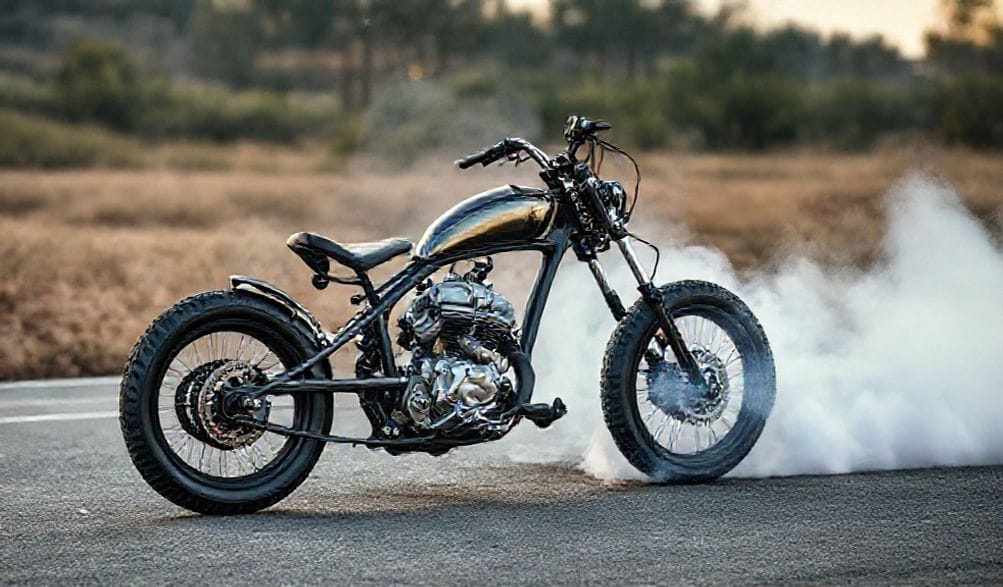
The Ultimate Guide to Ebike Dragster Bikes: Speed, Design & Performance
Imagine the silent, electric whine of a high-performance motor, the sudden, neck-snapping surge of acceleration pinning you to the seat, and the blur of asphalt as you chase a personal best over a quarter-mile. This isn’t a scene from a motorsport event; it’s the emerging, adrenaline-fueled world of the ebike dragster.
This guide is written by a seasoned cycling and micromobility expert with over a decade of experience testing high-performance electric bikes, from urban commuters to extreme custom builds. We combine hands-on mechanical knowledge with in-depth market research to provide you with a trustworthy, comprehensive resource. Here, we’ll demystify the “ebike dragster” niche, exploring its unique blend of raw power, aerodynamic design, and the sheer thrill of acceleration. Whether you’re a speed enthusiast, a custom bike builder, or simply curious about the extremes of e-bike engineering, this guide will provide authoritative insights and practical knowledge.
What is an Ebike Dragster? Defining a Niche Phenomenon
At its core, an ebike dragster is a purpose-built or heavily modified electric bicycle designed for one thing: explosive acceleration over a short, straight distance. It’s the application of classic quarter-mile drag racing ethos to the world of electric two-wheelers, creating a unique and thrilling subculture.
Beyond the Commuter: The Drag Racing Ethos on Two Wheels
The philosophy here is pure motorsport. While standard high-speed e-bikes like the Sur Ron or a modified Super73 are built for versatile fun—capable of trail riding and urban cruising—an ebike dragster has a singular focus. Every component choice, from its geometry to its electronics, is optimized to maximize power-to-weight ratio and minimize aerodynamic drag for that launch off the line. It’s about shaving tenths of a second off your time, not enjoying a scenic ride. This distinction is crucial; these machines are tools for competition (even if just against your own records) and engineering passion projects.
Key Design Hallmarks of a Dragster E-Bike
You can often spot an ebike dragster by its distinctive, function-driven form:
- Extended Wheelbase: For stability at high speeds and to prevent the infamous “wheelie” on launch, the distance between the front and rear axles is often lengthened.
- Aggressive Rider Posture: Think time-trial cyclist, not upright commuter. Riders adopt a forward-leaning, tucked position, frequently using clip-on aero bars to minimize their frontal profile.
- Minimalist, Drag-Focused Bodywork: Comfort features like suspension, wide saddles, or cargo racks are sacrificed. The frame is often sleek, with cable routing internalized, and sometimes even features custom fairings to slice through the air.
- The Heart: High-Output Powertrain: The star of the show is a custom, high-voltage battery pack paired with a powerful motor and a finely tuned controller. This system is designed for massive, short-duration power discharge, not efficient long-range travel.
The Engineering Behind the Speed: Core Components
Building a machine capable of sub-5-second 0-30 mph runs requires careful selection and integration of every part. Let’s break down the engineering that makes an ebike dragster tick.
Powertrain Breakdown: Motor, Battery, and Controller
This trio is the soul of the dragster.
- Motor Types: While mid-drive motors offer torque advantages for hill climbing, high-performance ebike dragsters often use powerful rear hub motors. Why? They apply power directly to the wheel, can handle immense instantaneous wattage (frequently 3000W, 5000W, or even more), and simplify the drivetrain. The goal is peak power, not mechanical efficiency.
- Battery Specs: This is where the magic happens. Voltage is king for speed. While standard e-bikes use 48V or 52V systems, dragsters jump to 72V, 84V, or even higher. Capacity (measured in Amp-hours, Ah) is balanced against weight. Most critical is the discharge rate (C-rating), which determines how quickly the battery can release its energy. A high-C-rate battery is essential for that explosive launch.
- The Controller’s Role: This is the brain. A programmable, high-amperage controller manages the flow of electricity from the battery to the motor. Tuners adjust parameters like phase current, battery current limits, and throttle response to perfect the launch characteristics and top-end speed, much like tuning an ECU in a car.
Frame & Geometry: Built for the Straight Line
The frame is the foundation that must handle immense stress.
- Material Choices: Lightweight aluminum is common for its stiffness, while chromoly steel is prized in custom builds for its strength, durability, and ease of welding. Carbon fiber is rare due to cost and the specific stress loads involved.
- Weight Distribution: Geometry is tailored to keep the front wheel down (but not too light) and the rear wheel planted during a hard launch. A longer rear triangle and specific head tube angle help manage this transfer of force.
Wheels, Tires, and Brakes: Handling the Power
Power is useless without control and safety.
- Tire Selection: Street-legal tread patterns are often abandoned for slick or semi-slick tires. These provide maximum contact patch and grip on paved surfaces, crucial for putting all that torque to the ground without spinning out.
- The Critical Importance of Brakes: This cannot be overstated. Speeds of 50+ mph require stopping power far beyond standard bicycle components. High-performance, large-diameter hydraulic disc brakes with quality rotors and pads are non-negotiable. They are a primary safety system.
The Performance Spectrum: What to Expect from an Ebike Dragster
It’s time to talk numbers, but with a heavy dose of reality.
Acceleration and Top Speed: Real-World Numbers
Within the builder community, a well-sorted ebike dragster can achieve staggering performance:
* 0-30 mph: Can be achieved in under 3 seconds in extreme builds, with 4-5 seconds being a common target for serious machines.
* Quarter-Mile Times: Competitive builds aim for the 12-14 second range, which rivals many production sports cars.
* Top Speed: While governed on paper, these bikes are often capable of 45-65+ mph depending on gearing and voltage.
Peringatan Penting: These speeds are extremely dangerous on a bicycle frame and are almost never legal on public roads. They belong on closed courses and private drag strips.
The Trade-Offs: Speed vs. Practicality
Sepeda motor listrik dirt bike 80 mph ebike dragster is the antithesis of a practical vehicle.
* Severely Reduced Range: The high-power draw means battery packs that might offer 50 miles on a commuter bike could be drained in 10-15 miles under aggressive riding.
* Zero Comfort: The riding position is aggressive, suspension is minimal or rigid, and the focus is purely on speed.
* Legal Gray Area: In nearly all jurisdictions, these bikes exceed the legal definitions for an electric bicycle (typically capped at 750W-1000W and 20-28 mph). They often qualify as unregistered motor vehicles (mopeds or motorcycles), making them illegal for use on public roads, bike paths, or trails without proper registration, insurance, and licensing—which they are not designed to meet.
Building vs. Buying Your Ebike Dragster
There are two main paths to owning one of these machines: the deep, rewarding challenge of a custom build, or the turn-key (but often expensive) route of a pre-built specialist bike.
The Custom Builder’s Route: A Deep Dive
This is the heart of the ebike dragster culture. The process typically involves:
1. Starting Platform: Choosing a strong donor frame, often a vintage “dragster” style bicycle, a downhill mountain bike frame, or even custom tube fabrication.
2. Sourcing the Powertrain: Selecting a compatible high-power motor kit, a custom battery pack (with a quality Battery Management System – BMS – for safety), and a programmable controller.
3. Integration & Fabrication: This requires welding (for motor mounts, battery boxes), advanced mechanical skill for assembly, and electrical knowledge for safe wiring. The integration of the BMS and ensuring all high-current connections are secure is a critical safety step.
Available Platforms and Conversion Kits
For those not starting from scratch, some paths exist:
* Base Bikes: Certain frames are popular starting points due to their geometry and strength.
* High-Power Kits: Several reputable manufacturers sell motor and controller kits rated for 3000W+, designed for enthusiasts. Pairing these with a custom battery from a trusted builder is a common approach.
Pre-Built Options and Tuner Brands
The fully pre-built market is small but growing:
* Performance E-Bike Brands: Companies like Stealth Electric Bikes (known for their motorcycle-like performance) or HPC (Hi-Power Cycles) offer production models that blur the line between e-bike and e-motorcycle, with dragster-like performance.
* Custom Shops: A number of niche builders will create a turn-key ebike dragster to your specifications. Due diligence on the builder’s reputation, component quality, and post-sales support is essential.
Safety, Legality, and Responsible Riding
Engaging with this hobby demands a mature, safety-first mindset.
Perlengkapan Keselamatan yang Mutlak Wajib
At these speeds, bicycle helmets are insufficient. Your gear must match the risk:
* Full-Face Motorcycle Helmet (DOT/ECE certified)
* Motorcycle Armored Jacket, Gloves, and Boots
* Knee and Elbow Protection
This gear is as important as the bike’s brakes.
Understanding the Legal Landscape
Be absolutely clear: Your ebike dragster is likely tidak legal di jalan umum. Riding it on public roads risks serious fines, impoundment of your bike, and liability in the event of an accident. The appropriate venues are:
* Private property (with owner permission)
* Sanctioned drag racing events at a strip
* Other closed-course, controlled environments
Maintenance and Inspection Protocols
These high-stress machines require diligent upkeep:
* Pre-Ride Checks: Verify torque on all critical bolts (axles, motor mounts, stem). Check tire pressure and inspect for wear. Test brake lever feel and pad thickness.
* Regular Electrical Inspection: Look for any signs of wire chafing, loose connections, or damage to the battery case. Monitor battery health and balance.
* Pasca-Berkendara: Allow the battery and motor to cool. Inspect for any new noises or issues that arose during the hard run.
Pertanyaan yang Sering Diajukan (FAQ)
Q: How fast can an ebike dragster really go?
J: Performance builds are consistently capable of 50+ mph, with some exceeding 70 mph. However, this is entirely dependent on the motor, battery voltage, and gearing. Remember, these speeds are for controlled environments only.
Q: Are ebike dragsters legal to ride on the street?
J: Biasanya, tidak. Most exceed the power (750W-1000W) and speed (20-28 mph) limits that define legal electric bicycles in most areas. They lack required equipment like mirrors, turn signals, and a VIN for registration as a motor vehicle.
Q: How much does it cost to build one?
J: Biaya sangat bervariasi. Pembuatan dengan tingkat moderat menggunakan rangka donor dan komponen rak berkualitas dapat dimulai sekitar $3,000-$5,000. Pembuatan kustom kelas atas dengan suku cadang fabrikasi, baterai premium, dan komponen tingkat teratas dapat dengan mudah melebihi $8,000-$12,000.
Q: Apa perbedaan antara dragster ebike dan motor listrik bertenaga besar?
J: Garis pembedanya kabur. Secara umum, sebuah ebike dragster mempertahankan rangka bergaya sepeda, pedal fungsional (meskipun jarang digunakan), dan kontrol sepeda. Sepeda motor listrik dibangun di atas sasis motor, memiliki kontrol motor standar (gas, kopling, rem kaki), dan tanpa pedal fungsional.
T: Apakah ini proyek yang baik untuk mekanik pemula?
J: Tidak direkomendasikan. Bekerja dengan sistem baterai tegangan tinggi (72V+) yang dapat mengalirkan arus mematikan, serta membangun kendaraan untuk performa ekstrem memerlukan pengetahuan mekanik, elektrikal, dan sering kali fabrikasi yang mendalam. Mulailah dengan perawatan e-bike standar dan proyek yang lebih sederhana. Keselamatan harus menjadi perhatian utama.
Kesimpulan
The ebike dragster merepresentasikan batas terdepan yang mendebarkan dan mutakhir dari performa kendaraan listrik pribadi, menyatukan budaya sepeda dengan adrenalin murni balap drag. Ini merupakan bukti inovasi, semangat rekayasa DIY, dan pengejaran akselerasi tanpa henti. Namun, pengejaran ini menuntut rasa hormat yang mendalam terhadap kekuatan besar yang terlibat, komitmen terhadap keselamatan yang tidak bisa ditawar, dan pemahaman yang jelas tentang batasan hukum. Baik Anda mengagumi mesin-mesin ini dari jauh atau merencanakan pembuatan dengan cermat, prioritaskan pengetahuan, investasikan pada komponen berkualitas, dan jadilah pendukung praktik berkendara yang bertanggung jawab. Di dunia ebike dragster, kemenangan sejati bukan hanya sekadar kecepatan mentah—melainkan penguasaan teknologi kompleks dan kendali yang terampil serta aman untuk memanfaatkannya.
METADATA_START—
DISPLAY_TITLE: Panduan Utama untuk Sepeda Dragster Ebike: Kecepatan, Desain & Performa
SEO_TITLE: Panduan Dragster Ebike: Pembuatan, Kecepatan & Keselamatan | Ulasan Ahli 2024
META_DESC: Temukan dunia dragster ebike. Panduan ahli kami mencakup kecepatan ekstrem, pembuatan kustom, komponen inti, perlengkapan keselamatan, dan pertimbangan hukum. Pelajari semuanya sebelum Anda membangun atau membeli.
IMG_PROMPT: Foto dinamis dari sudut rendah sebuah dragster ebike kustom yang ramping di lintasan drag. Sepeda memiliki jarak sumbu roda yang diperpanjang, ban slick, rangka minimalis, dan stang aero klip. Pengendaranya mengenakan helm full-face dan perlengkapan berpelindung, membungkuk ke depan dalam posisi balap. Blur gerak menekankan kecepatan tinggi, dengan lampu garis start di latar belakang.
—METADATA_END—