
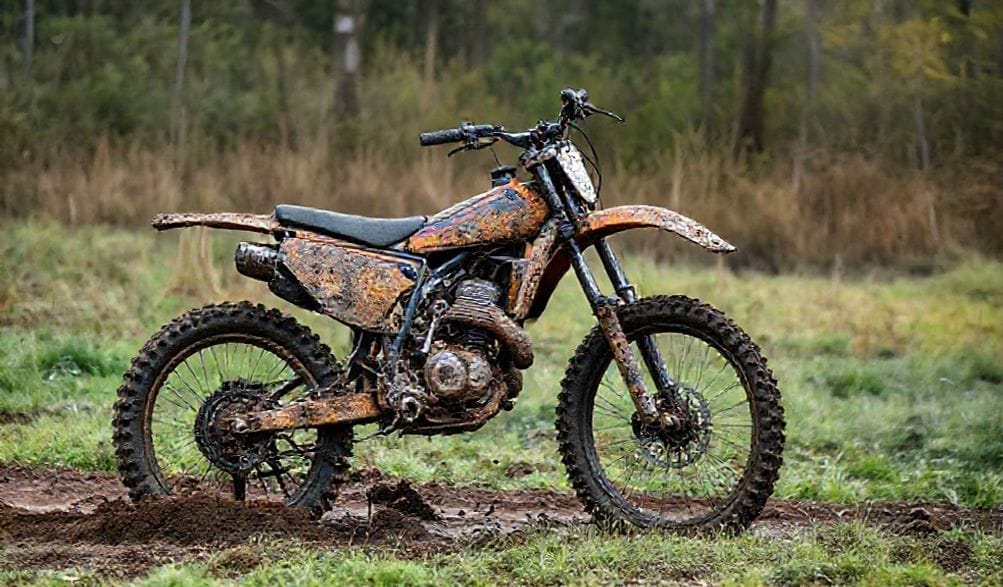
The Ultimate Guide to Mud Bikes: Types, Riding Tips & Top Picks
For thrill-seekers and off-road enthusiasts, nothing compares to the visceral, primal adrenaline rush of tearing through deep ruts, sliding across slick roots, and sending a roost of muddy water skyward. It’s a test of man, machine, and nerve. But here’s the secret many learn the hard way: a mud bike isn’t just any motorcycle you point at a puddle. It’s a concept defined by purpose-built machines, critical modifications, and a specific set of rider skills. Without this knowledge, a day in the muck can quickly turn into a frustrating, exhausting, or even dangerous ordeal of digging and stalling.
This comprehensive guide is designed to cut through the muddle—literally. We’ll draw on years of firsthand riding experience, hard-won lessons from the trail, and expert mechanic insights to arm you with everything you need to know. We’ll demystify the different types of bikes suited for mud, break down the essential gear and modifications, teach you proven riding techniques, and hammer home the non-negotiable maintenance rituals that keep you safe and your bike running strong. Whether you’re a curious newcomer eyeing your first muddy trail or a seasoned rider looking to optimize your setup, consider this your definitive manual for conquering the slop.
What is a Mud Bike? Defining the Terrain King
At its core, a mud bike is any off-road motorcycle that is either designed from the factory or meticulously modified to perform exceptionally well in wet, slippery, and deeply saturated conditions. While the term isn’t an official manufacturer category, it’s a functional label used by riders who specialize in this challenging terrain.
What separates a mud-ready machine from a fair-weather friend? Key design and modification elements focus on three things: traction, clearance, dan protection. This typically means aggressive, self-cleaning tire treads that can bite into soft earth and shed mud, heightened ground clearance to glide over deep ruts and obstacles without hanging up, and strategic modifications to protect vital components like the engine air intake and electrical systems from water and abrasive grit. It’s a bike built not just to survive the mud, but to thrive in it.
Dirt Bike vs. Mud Bike: Key Differences
This is a crucial distinction. All mud bikes are sepeda motor trail, but not all dirt bikes are prepared for serious mud. Think of a standard motocross bike: it’s built for groomed, high-traction tracks. Its closely-spaced knobbies clog instantly with clay, its low-slung exhaust can submarine in a water crossing, and its high-strung engine prefers quick bursts of power, not the steady, lugging torque needed for deep sludge.
Transforming a capable trail or enduro bike into a dedicated mud bike involves intentional modifications:
- Ban: The single most important upgrade. Mud-specific tires feature widely spaced, tall, sharp knobs that penetrate the soft surface and flex to self-clean. A popular choice is a “paddle-style” rear tire, though true paddles are for extreme sand and deep bog.
- Sistem Gigi: Often, riders will add a tooth or two to the rear sprocket (“gearing down”) for more controllable, low-end torque to churn through heavy mud without stalling.
- Protection: Fork gaiters or skins shield fork seals from mud and scratches. A full-wrap front fender and extended rear mud flap keep roost off you and the bike. The most critical mod for deep water is a snorkel kit, which reroutes the air intake to near the handlebars.
- Waterproofing: Dielectric grease on all electrical connections, extended breather tubes for the engine and fuel tank, and sealed wheel bearings are all wise precautions.
Popular Types of Bikes for Mud Riding
While modifications are key, starting with the right platform makes all the difference.
- Enduro/Cross-Country Bikes: Often considered the ultimate all-around mud bike platform. Models like the KTM EXC, Husqvarna FE, or Beta RR-S have broad, tractable powerbands, plush suspension that soaks up unpredictable terrain, and lighting/ignitions that are more sealed from the factory. Their weight and power delivery are ideal for technical, slippery trails.
- Trail Bikes: Lighter-weight 4-strokes like the Honda CRF250F or Yamaha TT-R230 are fantastic beginner mud bikes. Their mild power is forgiving, and their low maintenance is a blessing when you’re cleaning after every ride.
- ATVs & Quads: The four-wheel stability of an ATV can be a major advantage in certain muddy terrains, like open fields or shallow bogs. They are less likely to tip over in a slide. However, they can get “high-centered” more easily on deep ruts and are often much harder to physically extract when truly stuck.
- Specialized Mud Machines: This is the extreme end: purpose-built “mud boggers” or radical custom builds. These machines feature massive, tractor-like tires, wildly tuned engines, and extensive modifications for one goal: to blast through a straight-line pit of liquid mud as fast as possible. They are not trail bikes.
Essential Gear for Safe and Effective Mud Riding
Mud riding amplifies everything. Falls are slicker, the cold is wetter, and visibility is constantly challenged. The right gear is not an accessory; it’s your primary safety system and what makes the experience enjoyable instead of miserable.
Rider Apparel: Staying Protected and Dry
- Helmet, Goggles & Gloves: This trifecta is critical. Your helmet must be DOT/ECE certified. Goggles are paramount—a dual-pane, anti-fog lens is worth every penny. Tear-offs or roll-offs are essential for maintaining vision through constant mud spray. Gloves should be waterproof or highly water-resistant; cold, wet hands lose feeling and control fast.
- Boots and Body Armor: Do not skimp here. You need knee-high, waterproof motocross boots with proper ankle support and sole grip. Muck boots won’t protect your feet and ankles in a crash. A roost guard or full chest protector defends against flying rocks and branches, while knee/shin guards and elbow pads are highly recommended. Consider a hydration pack with a bladder; staying hydrated is easy to forget on a cool, muddy day.
Bike Preparation & Must-Have Modifications
Preparing your mud bike is where knowledge turns into capability.
- Tires are Everything: This cannot be overstated. For mud, you want a rear tire with tall, widely spaced knobs like the Michelin Starcross 5 Soft or the Dunlop Geomax MX33. Lower your tire pressure (often to 10-12 PSI) to increase the contact patch and allow the knobs to flex and clean, but be mindful of pinch flats. A mousse bib or tire insert can allow you to run ultra-low pressure safely.
- Critical Add-ons:
- Mud Guards: A longer front fender and a “mud flap” added to the rear fender prevent a continuous wheelbarrow of mud from coating you, the airbox, and the shock.
- Fork Skins/Gaiters: These rubber boots protect your expensive fork seals from mud, sand, and nicks, preventing leaks and costly repairs.
- Snorkel Kit: For any water crossing above the footpegs, a snorkel that raises your air intake to handlebar level is cheap insurance against hydrolocking your engine.
- Waterproofing: Apply dielectric grease to all electrical connectors (spark plug cap, ECU, etc.). Extend crankcase and fuel tank breather hoses up under the seat.
Mastering the Mud: Proven Riding Techniques
Riding in mud is a unique dance. It requires finesse, patience, and a different mindset than dry, hard-packed terrain. The goal is to use momentum and balance to let the bike work, not to fight it.
Basic Stance and Throttle Control
- Standing Up: In all but the deepest, slowest slogs, you should be standing on the footpegs. This lowers your center of gravity relative to the bike, allows the bike to pivot and move beneath you, and gives you far better balance and bike control. Keep your knees bent and grip the bike with your legs.
- Momentum is Key: In mud, steady, controlled momentum is your best friend. Abrupt throttle chops or heavy braking will cause slides and stalls. Use a gear higher than you think (to smooth out power delivery) and maintain a consistent, gentle throttle. Look ahead to plan your line, and commit to it. If you need to slow, use engine braking gently rather than stabbing the front brake, which will wash out instantly.
Navigating Common Mud Obstacles
- Deep Ruts: Don’t fight them. Look for the exit point. If the rut is stable, put your front wheel in, stand up, keep steady throttle, and let the bike ride it out. If you need to cross a rut, approach at as close to a 90-degree angle as possible, and use a little burst of power to “hop” the wheels over.
- Water Crossings: First, walk it if possible to check depth and for hidden obstacles. Second, pick a line slightly upstream of your exit to account for current. Once committed, stand up, keep a steady pace (creating a bow wave), and do not shut off the throttle until you are completely out of the water. Immediately after, test your brakes gently, as they will be wet.
- Getting Unstuck: The cardinal sin is to whiskey-throttle and dig a deeper hole. Shut the bike off. First, try to physically lift and move the rear tire sideways onto firmer ground. If it’s truly buried, you may need to lay the bike on its side (preferably on a hill), dig out around the tires and frame, then lift and reposition it. Use a dead-lift with your legs, not your back. A compact folding shovel is a wise addition to your pack.
Post-Ride Maintenance: The Key to Longevity
This is the most important chapter. Neglecting maintenance after a mud ride is the fastest way to turn your prized mud bike into a corroded, grinding heap of junk. Mud is an abrasive, corrosive paste that attacks bearings, seals, and metal. The ritual starts the moment you load up.
The Immediate Clean-Down Process
- Pre-Rinse: At the trailhead or at home, use a low-pressure hose or a pressure washer on a wide-angle, low-pressure tip to gently blast off the bulk of the mud. **Jangan Pernah** aim the direct, high-pressure stream at wheel bearings, shock linkages, steering head bearings, or fork seals.
- Detailed Wash: With the bike cool, use a dedicated motorcycle cleaner or simple dish soap and a soft brush. Clean every nook: behind the skid plate, inside the frame spars, the radiator fins, and the chain/sprockets.
- Filter Udara: This is a MUST-DO after every muddy ride. Remove the filter, clean it properly with filter cleaner and water (for foam) or solvent (for cotton), let it dry completely, and re-oil it before reinstalling. A pre-oiled spare filter is a huge time-saver.
- Rantai: While the bike is wet, scrub the chain with a brush and degreaser. Rinse, then dry it thoroughly. Apply a high-quality chain lube designed for wet conditions.
Inspection and Lubrication Checklist
Once the bike is clean and dry, a thorough inspection is crucial.
- Lubricate Everything: Hit all pivot points with a spray lubricant or grease: clutch and brake levers, shift lever, footpegs, side- and center-stand.
- Check for Damage: Inspect tire sidewalls for cuts, check spoke tension, look for loose bolts (especially on handguards, levers, and skid plates).
- Suspension & Bearings: Wipe down fork stanchions and the shock shaft. Check for new leaks. Feel for grinding or notchiness in the wheel bearings, steering head, and swingarm linkage by trying to wiggle wheels and forks. These should be repacked with grease regularly.
- Rem: Ensure brakes are functioning correctly after their watery immersion.
FAQ: Your Mud Bike Questions Answered
Q1: What’s the best beginner mud bike?
J: Look for a lightweight, manageable 250cc 4-stroke trail or enduro bike. The Honda CRF250F, Yamaha TT-R230, or Kawasaki KLX230R are excellent choices. Their tractable, forgiving power and low maintenance will let you focus on learning skills, not fighting the bike.
Q2: Are street-legal dual-sport bikes good in mud?
J: They can be surprisingly capable with the right tires and a skilled rider, but they come with compromises. They are often 30-50 lbs heavier than pure off-road bikes, with softer suspension and lower ground clearance. They are best for forest roads, mild trails, and occasional muddy sections, not for dedicated deep-mud riding.
Q3: How often should I service my bike after mud riding?
J: A basic clean, chain lube, and air filter service should happen after every single muddy ride. A more thorough service—regreasing all wheel, steering, and linkage bearings, changing fork oil, and deep-cleaning the carburetor/FI system—should be performed at least twice per season with frequent mud use.
Q4: Is mud riding bad for my motorcycle?
J: Not if it’s done with responsibility and followed by perawatan yang tepat dan segera. Sepeda motor dirancang untuk menjadi kotor. Musuh utamanya adalah korosi dan kotoran abrasif pada bagian-bagian yang bergerak, yang dapat sepenuhnya diatasi dengan pembersihan, pengeringan, dan pelumasan yang telaten. Sepeda motor yang dirawat dengan baik mud bike dapat bertahan sama lamanya dengan sepeda motor lainnya.
Kesimpulan
Menguasai medan berlumpur adalah salah satu pencapaian paling memuaskan dalam bersepeda motor off-road. Hal ini mewakili perpaduan sempurna antara persiapan mekanis, keterampilan pribadi, dan tekad yang kuat. Ini adalah olahraga yang menuntut rasa hormat—terhadap medan yang tak terduga, terhadap mesin yang membawa Anda melaluinya, dan terhadap keselamatan diri Anda sendiri.
Dengan memahami apa yang membuat sebuah mud bike, sepeda motor lumpur sejati, berinvestasi dalam perlengkapan pelindung penting, mempersiapkan mesin Anda dengan modifikasi kunci, melatih teknik-teknik dasar berkendara di cuaca basah, dan—yang terpenting—berkomitmen pada ritual perawatan pasca-berkendara yang tak kenal lelah, Anda mengubah aktivitas yang menantang dan berantakan menjadi olahraga yang berkelanjutan dan sangat mendebarkan. Ingatlah, sepeda motor lumpur mud bike paling tangguh di dunia adalah yang dirawat dengan baik dan dikendarai oleh pengendara yang berpengetahuan dan siap. Sekarang, lengkapi perlengkapan, berkendaralah dengan cerdas, hormati medan, dan nikmati cipratan lumpur yang mengagumkan.
METADATA_START—
DISPLAY_TITLE: Panduan Utama Sepeda Motor Lumpur: Taklukkan Kubangan
SEO_TITLE: Panduan Sepeda Motor Lumpur 2024 | Jenis, Tips, Perlengkapan & Perawatan
META_DESC: Panduan lengkap Anda untuk sepeda motor lumpur. Pelajari perbedaannya dengan sepeda motor trail, perlengkapan penting, teknik berkendara terbukti untuk medan lumpur, dan tips kritis perawatan pasca-berkendara.
IMG_PROMPT: Foto dinamis dan penuh aksi seorang pengendara di atas sepeda motor off-road berlumpur, mengenakan perlengkapan lengkap, menerobos penyeberangan air yang dalam di hutan, dengan cahaya matahari menembus pepohonan dan butiran air yang membeku di udara. Sepeda motor penuh lumpur, menampilkan ban yang agresif.
—METADATA_END—