
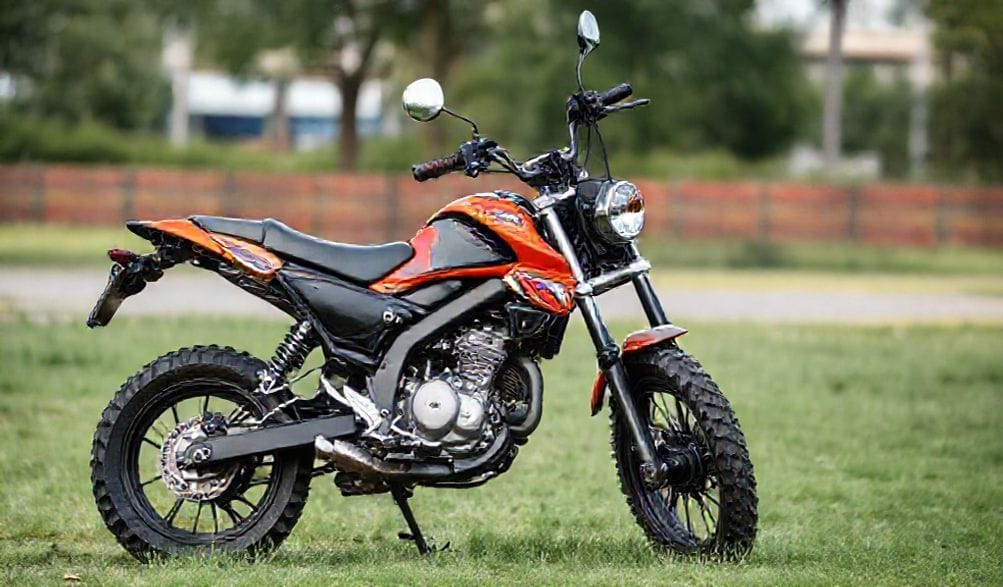
Youth Motor Bikes: A Parent’s Complete Guide to Safety, Selection, and Fun
That moment is unmistakable. Maybe it’s the wide-eyed fascination as a motor trail flies across the screen during a motocross event, or the eager questions about the rumbling engine of a passing trail bike. Your child has caught the bug—the thrilling, adventurous call of motorsports. As a parent, your heart does a little flip-flop. You see the potential for incredible outdoor fun, confidence-building, and a break from screens. But alongside that excitement comes a very natural wave of concern: Is this safe? How do I even start? What do I need to know?
You’re not alone. As parents and long-time riding enthusiasts ourselves, we’ve navigated that exact mix of excitement and apprehension. We understand that the world of youth motor bikes can seem complex and daunting from the outside. That’s why we’ve created this comprehensive guide. Our goal is to walk you through every critical step, transforming your uncertainty into confidence. We’ll focus relentlessly on safety, demystify the process of choosing the right beginner bike, and set your young rider on a path to developing real skill and a lifelong, responsible passion for riding.
Understanding Youth Motor Bikes: Types and Key Differences
Before diving into specs and safety gear, it’s crucial to understand the landscape. Not all small bikes are created equal, and the type you choose should match your intended use.
Dirt Bikes vs. Pit Bikes vs. Mini Bikes
These terms are often used interchangeably, but they refer to different machines:
- Youth Dirt Bikes: These are the “real deal,” scaled-down versions of adult off-road motorcycles. They are built for performance on trails, motocross tracks, and rough terrain. They feature quality suspension, knobby tires, manual clutches (on larger models), and lightweight frames. Brands like Honda (CRF series), Yamaha (PW and YZ series), and KTM (SX series) excel here. Engine sizes for true youth dirt bikes typically range from 50cc to 125cc.
- Pit Bikes: Smaller and often more playful, pit bikes originated as bikes to ride around the “pits” at race events. They usually have smaller wheels (10″-14″), a simpler design, and can be based on either dirt bike or mini bike platforms. They are fantastic for backyard fun, supervised pit areas, and developing basic riding skills in a more controlled environment.
- Mini Bikes / Pocket Bikes: These are the smallest category, often with a more casual, cruiser-like stance. They are generally not designed for serious off-road use and are best suited for smooth, flat surfaces like driveways or paved paths. They are often a child’s very first introduction to a motorized two-wheeler.
Electric vs. Gas-Powered Youth Bikes
The rise of electric vehicles has reached the youth bike market, offering a compelling alternative.
- electric youth bikes:
- Kelebihan: Quiet operation (great for neighborhoods and early practice), minimal maintenance (no oil changes, air filters, or carburetors), instant torque for smooth power delivery, zero emissions, and often simpler to start and operate.
- Kekurangan: Limited run time per charge (usually 1-2 hours), longer recharge times, and the eventual need for battery replacement. The initial purchase price can be higher than a comparable gas bike.
- Gas-Powered Youth Bikes:
- Kelebihan: Traditional riding experience, longer range (just refuel and go), widespread availability of models and parts, and often a wider performance range as the child grows.
- Kekurangan: Require regular maintenance (oil, air filter, spark plug), are louder, produce fumes, and have a more complex starting procedure (kick-start or electric).
The choice often comes down to your use case: electric for quiet, low-maintenance backyard practice; gas for longer trail rides and a more traditional motorsports pathway.
Key Specifications to Decode: CC, Wheel Size, and Seat Height
Don’t let the jargon intimidate you. Three specs are king when choosing a youth motor bike:
- Engine Size (CC): Stands for cubic centimeters, a measure of engine displacement. For beginners, smaller is always better. A 50cc bike is a standard, manageable starting point for most kids. Moving to an 80cc, 110cc, or 125cc should be based on proven skill and physical size, not just age.
- Ukuran Roda: This is arguably the most important factor for fit and control. A bike with wheels too large will be tippy and hard to manage; too small, and the rider will outgrow it quickly. Common youth sizes are 10″, 12″, 14″, 16″, and 19″ front/16″ rear combos. Your child should be able to sit on the bike with both feet flat on the ground, or at least the balls of both feet.
- Tinggi Jok: Directly related to wheel size, this is the easiest spec to visualize. Have your child stand in their riding boots next to the bike. If the seat height is at or below their inseam, it’s a good fit for learning.
The #1 Priority: Safety for Young Riders
If you take only one thing from this guide, let it be this: safety is not an accessory; it is the foundation of the entire sport. Prioritizing it demonstrates responsible parenting and builds the correct mindset in your young rider from day one.
Essential Safety Gear: Non-Negotiable Equipment
Consider this gear as part of the bike’s purchase price. Never let a child ride without it.
- Helm: Harus DOT or Snell certified. It should fit snugly without being painful. A full-face motocross helmet is the only acceptable choice for off-road riding.
- Kacamata: Protect eyes from roost, dirt, and branches. Get a pair with a tear-off system and good ventilation to prevent fogging.
- Sarung Tangan: Full-finger motorcycle gloves protect hands from blisters, impacts, and debris.
- Sepatu Boot: Proper motocross boots are critical. They support ankles, protect feet and shins from impacts, and provide grip. Street shoes or hiking boots are dangerously inadequate.
- Chest Protector/Roost Deflector: Shields the torso, shoulders, and back from flying rocks and impacts.
- Knee/Shin Guards & Elbow Guards: Essential for protecting joints during falls.
- Durable Clothing: Long, durable pants (motocross pants are ideal) and a long-sleeve jersey/jacket. No shorts or t-shirts.
Choosing the Right Location for Practice
The environment is a key safety component. The ideal location is a controlled, off-road area free from cars and unexpected hazards.
- Best Options: Designated Off-Highway Vehicle (OHV) areas, motocross tracks with beginner sections, or wide-open private land with permission.
- Good Options: A very large, flat, empty field or pasture where you can define clear boundaries.
- Unacceptable Options: Public streets, parks, sidewalks, or any area with vehicle traffic, pedestrians, or hidden obstacles. Not only is this extremely dangerous, but it’s also often illegal for off-road vehicles.
The Role of Professional Training and Supervision
You can be the best coach in the world, but a certified instructor brings structured, professional techniques that build confidence and safe habits faster.
- Training: Organisasi seperti Motorcycle Safety Foundation (MSF) DirtBike School menawarkan kursus pemula yang luar biasa yang dirancang untuk anak-anak. Mereka menyediakan sepeda motor, perlengkapan, dan instruksi dalam lingkungan yang terkendali. Ini adalah investasi terbaik yang dapat Anda lakukan setelah membeli perlengkapan.
- Pengawasan: Seorang dewasa harus selalu hadir, fokus, dan siap untuk turun tangan ketika seorang pembalap muda berada di atas sepeda motor. Ini bukan saatnya untuk pengasuhan yang teralihkan. Pengawasan aktif Anda adalah jaring pengaman utama mereka.
Cara Memilih Motor Anak yang Sempurna
Dengan dasar-dasar keselamatan dalam pikiran, Anda kini dapat fokus memilih mesin yang akan memulai perjalanan berkendara anak Anda.
Matching the Bike to Your Child’s Age, Size, and Skill Level
Gunakan usia sebagai titik awal yang sangat kasar, tetapi selalu sesuaikan dengan ukuran fisik dan kematangan. Anak berusia 10 tahun yang pemalu mungkin cocok dengan sepeda motor yang direkomendasikan untuk anak 8 tahun, sementara anak berusia 8 tahun yang tinggi dan atletis mungkin membutuhkan ukuran di atasnya.
Here’s a general sizing guideline:
- Ages 3-6 / Height 3′ – 3’10”: Sepeda motor listrik tanpa pedal (balance bike) atau sepeda motor bensin 50cc dengan kopling otomatis dan pembatas (contoh: Yamaha PW50, Honda CRF50). Ukuran roda: 10 inci.
- Ages 6-9 / Height 3’10” – 4’6″: 50cc-70cc bikes, often with semi-automatic transmissions (no manual clutch). Wheel sizes: 12″-14″.
- Ages 9-12 / Height 4’6″ – 5’2″: 85cc-110cc bikes. This is often where manual clutches are introduced. Wheel sizes: 14″-17″.
- Ages 12+ / Height 5’2″ and up: 125cc four-strokes or 85cc/100cc two-strokes. These are “big kid” bikes approaching full-size performance. Wheel sizes: 17″/19″ fronts, 14″/16″ rears.
Ingat: Jauh lebih aman dan menyenangkan bagi seorang anak untuk menguasai sepeda motor yang sedikit kurang bertenaga daripada merasa takut dan tidak terkendali dengan sepeda motor yang terlalu bertenaga.
Baru vs. Bekas: Pertimbangan Praktis
- Kelebihan Sepeda Baru: Dilengkapi garansi, memiliki fitur keselamatan terbaru, tidak memerlukan perawatan segera, dan Anda mengetahui riwayat lengkapnya. Ini memberikan ketenangan pikiran.
- Kelebihan Sepeda Bekas: Biaya yang jauh lebih rendah, yang menarik untuk anak yang tumbuh dengan cepat. Penyusutan harganya sudah terjadi.
- Daftar Periksa Inspeksi Motor Bekas: Jika memilih yang bekas, periksa secara menyeluruh atau bawa teman yang berpengalaman. Periksa: keausan ban, masa pakai kampas rem, kondisi rantai dan gir, kebocoran seal garpu, keretakan atau lengkungan pada rangka, kelancaran semua kontrol, dan tanyakan riwayat perawatan. Tes kompresi adalah nilai tambah.
Merek-Merek Teratas dengan Reputasi Keandalan
Berpegang teguh pada merek-merek mapan yang dikenal akan kualitas, keselamatan, dan ketersediaan suku cadang. Ini bukan tempat untuk tawaran online yang tidak dikenal.
- Honda: Standar emas untuk keandalan. CRF50F, CRF110F, dan CRF125F adalah legendaris karena mesin 4-tak yang sangat tangguh dan penyaluran tenaga yang ramah untuk pemula.
- Yamaha: Terkenal karena daya tahan dan tenaga yang halus. PW50 (“PeeWee Fifty”) is a iconic first bike, while the TT-R110E dan YZ85 melayani pemula yang sedang berkembang dan calon pembalap.
- Kawasaki: Menawarkan nilai dan performa yang sangat baik dengan model seperti KLX110 dan KX85.
- KTM & Husqvarna: Pilihan premium yang berorientasi pada performa. Model-model mereka SX 50/65/85 dan TC 50/65/85 adalah sepeda motor 2-tak spesifikasi tinggi yang siap balap untuk pembalap muda serius yang telah memiliki pengalaman.
Memulai: Perjalanan Pertama dan Membangun Keterampilan
The bike is home, the gear is on. Now, let’s build skills the right way.
Daftar Periksa Pra-Berkendara dan Perawatan Dasar
Tanamkan kebiasaan inspeksi pra-berkendara. Ini adalah ritual keselamatan dan cara untuk mengajarkan tanggung jawab terhadap mesin.
- Ban: Periksa tekanan dan adanya potongan/keausan.
- Kontrol: Pastikan tuas gas kembali menutup dengan cepat, rem berfungsi, tuas kopling (jika ada) beroperasi dengan lancar.
- Rantai: Periksa ketegangan dan pelumasan.
- Cairan: Periksa level bahan bakar dan oli.
- Pengencang: Lakukan pemeriksaan visual pada baut-baut kritis (as roda, penjepit stang) untuk memastikan tidak kendur.
- Ajarkan perawatan dasar: Membersihkan sepeda motor, perawatan filter udara, dan pelumasan rantai adalah tugas awal yang bagus.
Keterampilan Berkendara Dasar untuk Dipraktikkan
Mulailah di area datar dan terbuka. Fokus pada satu keterampilan pada satu waktu.
- Posisi Tubuh: Standing on the footpegs, knees bent, elbows up. This is the “attack position” for control.
- Throttle Control: Keterampilan terpenting. Latih membuka dan menutup throttle secara halus dan bertahap.
- Pengereman: Berlatih menggunakan rem depan dan belakang secara bersamaan, pelajari bagaimana pengaruhnya terhadap sepeda motor. Tekankan penerapan yang halus.
- Balance & Clutch Control (if applicable): Practice slow-speed maneuvering, feathering the clutch to modulate power.
- Melihat ke Depan: Drill this constantly: “Look where you want to go.” Their eyes should be up, scanning the trail ahead, not fixed on the front fender.
Fostering Respect for the Machine and Environment
Riding is a privilege. Teach:
* —mereka adalah pusat pengetahuan lokal. Cari klub bersepeda lokal atau grup Facebook. Respect other riders, hikers, and equestrians. Yield the right of way, keep speed in check around others.
* Perdebatan tentang dampak jalur yang sebanding masih berlangsung, tetapi prinsip-prinsip Stay on designated trails to prevent erosion and habitat destruction. Never litter.
* Machine Respect: A motorcycle is a powerful tool, not a toy. It requires focus and responsible operation.
Legal and Practical Considerations for Parents
Understanding Local Laws, Registration, and Where to Ride Legally
Ini sangat penting. Laws governing off-road vehicles vary dramatically by state, province, and county.
- Teliti: Contact your state’s Department of Natural Resources (DNR) or equivalent agency. They govern OHV use.
- Common Requirements: Many states require a Certificate of Title, OHV Registration/Sticker, and sometimes a safety certificate for the rider. Some public lands require a permit.
- Age Restrictions: There are often minimum age requirements for operating an OHV on public land.
- Tempat Berkendara: Use official state OHV maps and websites to find legal, designated riding areas. Never assume a piece of public land is open to motorized use.
Budgeting Beyond the Purchase Price
The bike’s sticker price is just the beginning. Plan for:
* Perlengkapan Keselamatan: $500 – $1,000+ for a full, quality kit.
* Asuransi: Liability insurance for off-road vehicles is wise and often required for certain riding areas. It’s generally inexpensive.
* Perawatan: Oli, filter, ban, rantai, sproket, kampas rem.
* Fuel/Oil & Electricity: Ongoing cost for operation.
* Transportasi: Truk, trailer, atau pembawa hitch.
* Training: Course fees for the MSF or similar school.
Bagian FAQ
Q: What is the best age for a child to start riding a youth motor bike?
J: There’s no universal “best” age. It depends entirely on the child’s physical coordination, maturity, ability to follow instructions, and interest. Some start on electric balance bikes as young as 3, while others may not be ready until 6 or 7. Focus on readiness, not a calendar date.
Q: Are electric youth motor bikes powerful enough for trails?
J: Entry-level electric bikes are best for flat, mild terrain. However, higher-performance electric models from brands like Sur-Ron or Talaria are becoming increasingly capable on trails, offering instant torque and quiet operation. For serious trail riding, mid-to-high range gas bikes still dominate.
Q: How much should I spend on my child’s first motorcycle?
J: For a new entry-level gas bike (50cc-110cc), budget $1,500 – $3,500. A full set of quality safety gear will add $500-$1,000. A used bike can cut the bike cost in half. Remember to factor in training and other gear.
Q: Is insurance required for a youth dirt bike?
J: It is rarely legally required for off-road-only use on private property. However, it is highly recommended for liability protection if riding on public OHV land or even on private land where an accident could occur. It is also required if the bike will be registered for limited on-road use (not typical for youth bikes).
T: Apa perlengkapan keselamatan yang paling penting?
J: The helmet is non-negotiable and the most critical for preventing life-altering injury. However, safety gear works as a sistem. Boots are a very close second for preventing debilitating foot/ankle injuries. Never compromise on any of the essential items.
Q: How can I find safe and legal places for my child to ride?
J: Start with your state’s Department of Natural Resources (DNR) or Parks and Recreation website. They maintain maps and lists of designated OHV parks and trails. Local motorcycle dealerships and riding clubs are also excellent sources of information.
Kesimpulan
Embarking on the journey of youth motorcycling with your child is about so much more than just buying a bike. It’s a commitment to guided adventure, a partnership in learning, and an investment in building confidence, responsibility, and a profound appreciation for the outdoors. By starting with an unwavering focus on safety, making an informed and careful selection based on fit—not just power—and prioritizing skill development over speed, you lay the groundwork for a positive and lasting experience.
The goal is not to create a motocross champion overnight (unless that’s their dream!), but to foster a lifelong passion rooted in respect—for the machine, the environment, and their own abilities. The memories you’ll create together on the trails are priceless. Now, take this knowledge, visit a reputable dealership, enroll in that first safety course, and get ready for the ride of a lifetime. The adventure awaits.
METADATA_START—
DISPLAY_TITLE: Youth Motor Bikes: A Parent’s Guide to Safety & Choosing the Right Bike
SEO_TITLE: Youth Motor Bike Guide 2024: Safety Tips, How to Choose, & Top Brands
META_DESC: A complete parent’s guide to youth motor bikes. Learn critical safety gear, how to choose the right dirt bike for your child’s age/skill, and compare electric vs. gas models. Start their riding journey safely.
IMG_PROMPT: Seorang anak yang gembira dan dilengkapi perlengkapan keselamatan lengkap (helm penuh, kacamata pelindung, sarung tangan, sepatu boots) duduk dengan percaya diri di atas motor trail kecil berwarna merah mengilap di lapangan berumput yang cerah, dengan orang tua yang tersenyum berdiri di sampingnya, tangan di bahu anak.
—METADATA_END—