
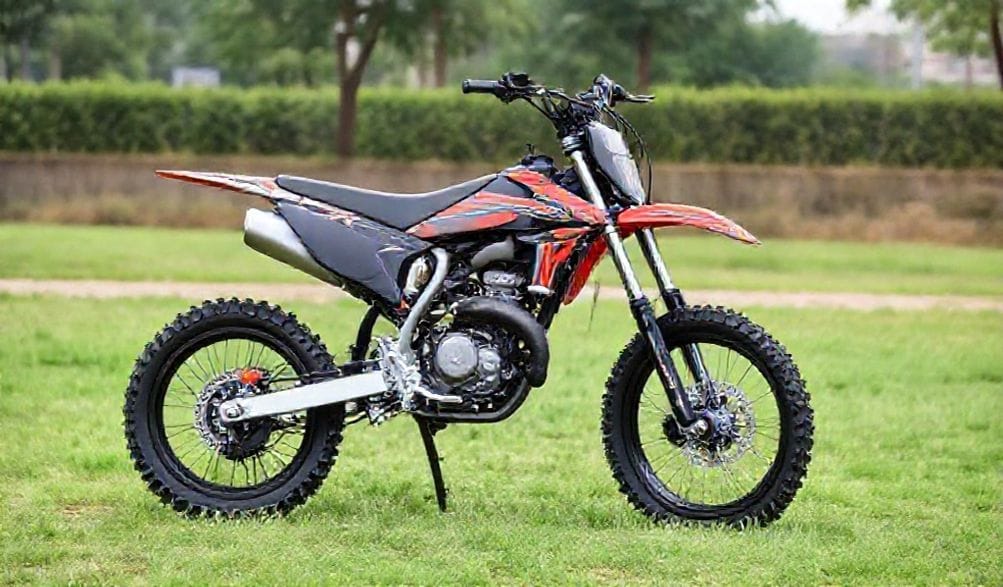
The Complete Guide to 48V Electric Dirt Bikes: Power, Performance & Buying Tips
The roar of a two-stroke engine has long been the soundtrack of off-road adventure. But a new, quieter revolution is carving its own path through the trails. Across the globe, riders are discovering the instant thrill, simplicity, and environmental benefits of electric power. For those looking to join this shift, the 48V moto da cross elettrica has emerged as a sweet spot—a gateway to electric off-roading that balances capability, affordability, and rider-friendliness.
Written by an experienced off-road enthusiast and EV technology reviewer.
This guide is designed to be your definitive resource for understanding 48V electric dirt bikes. We’ll cut through the marketing jargon to explain how they work, who they’re for, and what you should really look for before buying. By the end, you’ll be able to confidently assess if a 48V bike matches your riding style and make an informed purchase decision.
Whether you’re a parent researching a first “real” bike for a teen, a beginner seeking a manageable way into the sport, or an eco-conscious rider looking to explore trails with a lighter footprint, this guide is for you.
What is a 48V Electric Dirt Bike? Understanding the Basics
Before diving into specs and reviews, it’s crucial to understand what you’re looking at. A 48V electric dirt bike isn’t just a silent motorcycle; it’s a different kind of machine with its own set of principles.
Voltage Explained: What Does “48V” Actually Mean?
Think of voltage like water pressure in a hose. A higher voltage (like 72V) is like higher water pressure—it can push more electrical “current” (the water flow) through the system with greater force. 48V is a specific system voltage that has become a standard for a class of light electric vehicles. It represents a balance: enough “pressure” to deliver strong performance for recreational and light trail use, while keeping component costs, complexity, and safety considerations manageable compared to higher-voltage systems.
Key Components of an Electric Dirt Bike
An e-dirt bike is elegantly simple, with three core components:
1. The Motor: This is what turns electricity into motion. Most 48V bikes use a hub motor (built into the rear wheel) for simplicity and direct drive, or a mid-drive motor (mounted on the frame, driving the chain). Mid-drives often leverage the bike’s gears for better hill-climbing and efficiency.
2. The Battery: The fuel tank. Almost all modern e-dirt bikes use Lithium-ion battery packs due to their high energy density and light weight. The capacity is measured in Amp-hours (Ah). However, a more useful metric is Watt-hours (Wh), which is Voltage (V) multiplied by Amp-hours (Ah). This tells you the total energy stored (e.g., a 48V 20Ah battery = 960Wh).
3. The Controller: The brain of the bike. This electronic unit sits between the battery and the motor. It regulates power delivery based on your throttle input, manages battery output, and often houses safety features and riding modes.
How It Compares to Gas and Higher-Voltage Electric Bikes
- vs. 110cc-125cc Gas Bikes: This is the most common comparison. A typical 48V e-bike matches the low-end torque and trail-riding capability of a 125cc gas bike. It wins on instant, silent torque and near-zero maintenance but may lag in top speed and the “refuel in 2 minutes” convenience. It’s a trade-off between simplicity and tradition.
- vs. 60V/72V Electric Bikes: Higher voltage generally means the potential for more power and higher top speeds. A 72V bike is often in the performance realm, competing with 250cc+ gas bikes. The 48V system is the accessible, often more affordable entry point, focused on trail mastery rather than peak horsepower. It’s the difference between a versatile trail bike and a dedicated motocross weapon.
Pros and Cons of Choosing a 48V System
A balanced perspective is key. The 48V platform isn’t perfect for everyone, but its advantages are compelling for its target audience.
Advantages of 48V Electric Dirt Bikes
- Strong Low-End Torque: Electric motors deliver 100% of their torque instantly from 0 RPM. This makes 48V bikes exceptional for technical terrain, climbing steep hills, and navigating obstacles where precise, immediate power is king.
- Quieter Operation: This is a game-changer. Ride early in the morning, explore wooded trails without disturbing wildlife, or practice in your backyard without noise complaints. It opens up riding locations that were previously off-limits.
- Lower Maintenance: Forget oil changes, air filters, spark plugs, carburetor tuning, and clutch adjustments. Maintenance shifts to basic bicycle-style care: checking brakes, chain, and tires. It’s a huge win for new riders or those who just want to ride, not tinker.
- Eco-Friendly & Cost-Effective: Zero tailpipe emissions. “Refueling” costs pennies on the dollar compared to gasoline. The environmental and long-term operational cost benefits are significant.
- Often More Affordable: While the upfront cost can be higher than a basic gas bike, 48V models are generally the most affordable point of entry into the quality e-dirt bike market, especially compared to 60V/72V performance models.
Limitations to Consider
- Velocità Massima: Realistically, most 48V consumer bikes are capped between 25-40 mph. If your goal is wide-open desert racing or keeping up with high-performance gas bikes on long straights, you may feel limited.
- Range Anxiety: Unlike a 5-minute gas stop, recharging takes hours. Real-world range varies wildly (see FAQ). Planning your ride length around your battery’s capacity becomes a new part of the sport.
- Charging Time: With standard chargers, expect 4-8 ore for a full charge. This requires forethought and can limit back-to-back riding days unless you invest in a fast charger or a second battery.
- Upfront Investment: The initial purchase price for a well-built 48V e-dirt bike is often higher than for a comparable displacement entry-level gas bike. You’re paying for advanced battery technology upfront to save on fuel and maintenance later.
Who is a 48V Electric Dirt Bike Best For?
This platform shines when matched with the right rider and use case.
The Ideal Rider Profile
- Beginner & Intermediate Riders: The clutchless, linear power delivery allows new riders to focus on balance, body position, and trail vision without stalling. Intermediates can hone technical skills.
- Trail & Recreational Riders: If your passion is exploring forest paths, mountain trails, and technical singletrack rather than hitting massive jumps on a motocross track, a 48V bike is an ideal companion.
- Younger Riders/Teens: The manageable power curve, combined with speed limiters (on some models), provides a safer, more controllable learning progression for teens stepping up from smaller bikes.
Perfect Use Cases
- Backyard and Wooded Trail Exploration: The quiet nature makes it perfect for low-impact exploration on private property or noise-sensitive public trails.
- Learning Core Riding Skills: Mastering throttle control, braking, and cornering is easier without a clutch and gearbox to manage.
- Property Maintenance and Light Utility: Useful for checking fences, towing light trailers, or navigating large properties quickly and quietly.
Critical Buying Guide: What to Look For
Don’t just buy based on “48V.” Dig deeper into the specs that truly determine performance and longevity.
Beyond the Voltage: Key Specs to Decode
- Guarda oltre l'etichetta "24V" e approfondisci questi dettagli: Voltage is potential; Watts (W) are the continuous power output. A 48V bike with a 1500W motor will feel very different from one with a 3000W motor. More watts generally mean more torque and hill-climbing ability.
- Battery Capacity (Ah & Wh): As mentioned, always calculate or look for the Watt-hour (Wh) rating. A 48V 20Ah (960Wh) battery has nearly 50% more energy than a 48V 14Ah (672Wh) battery, meaning significantly longer range. This is the most important number for comparing range.
- Qualità Costruttiva: This separates toys from tools.
- Telaio: Steel is common and durable; aluminum is lighter and resists rust.
- Sospensioni: Look for adjustable front forks and a rear shock with adequate travel (e.g., 4+ inches) for your terrain.
- Freni: Hydraulic disc brakes are vastly superior to mechanical discs in power, modulation, and consistency—a worthwhile investment for safety.
Safety and Certification Checklist
- Battery Certification: This is non-negotiable. The battery should have a safety certification from a recognized body like UL, CE, or ETL. This ensures it was built with proper safety circuits, quality cells, and robust construction to prevent fire risk.
- Mechanical Safety: Inspect the quality of the throttle (should return smoothly), brake levers, tires, and all fasteners. A well-assembled bike is a safe bike.
Brand Reputation and Support
- Garanzia: A strong warranty, especially on the battery (2+ years is good), is a sign of manufacturer confidence. Read the fine print.
- Parts & Service: Can you easily order replacement parts (brake pads, chains, fenders)? Are there user manuals and wiring diagrams available? Search for customer service reviews. A reputable brand stands behind its product.
Maintaining Your 48V Electric Dirt Bike
Simple maintenance ensures longevity and safety.
Routine Maintenance Checklist
- Cura della Batteria:
- Ricarica: Follow manufacturer guidelines. Avoid leaving it at 100% charge for weeks on end. Store it at a ~50-80% charge if not using for a month.
- Storage & Temperature: Never store a fully depleted battery. Keep it in a cool, dry place, away from freezing temperatures or extreme heat.
- Mechanical Checks: The “ABCs”: Air (tire pressure), Brakes (pad wear, fluid levels if hydraulic), Chain (tension and lubrication). Periodically check that critical bolts (axles, handlebar clamp) are tight.
Evitare lo Scaricamento Estremo:
- Riding for Efficiency: Smooth, steady throttle input is more efficient than constant “on-off” bursts. Use higher gears (if equipped) on flat terrain.
- Range Factors: Understand that rider weight, hill climbs, soft terrain (sand/mud), and aggressive riding Può ridurre l'autonomia del 30-50% rispetto a quanto dichiarato dal produttore. Pianificare di conseguenza.
Domande Frequenti (FAQ)
D: A che velocità va tipicamente una moto da cross elettrica 48V?
R: La maggior parte dei modelli consumer ha una velocità compresa tra 40 e 65 km/h, a seconda della potenza del motore, del peso della moto e del pilota. I modelli orientati alle prestazioni con motori di wattaggio più elevato possono raggiungere l'estremità superiore di questo intervallo. Verificare sempre le specifiche certificate del produttore.
D: Quanto lontano posso andare con una singola carica?
R: L'autonomia reale è tipicamente di 32 a 64 chilometri. Varia drasticamente in base alla capacità della batteria (utilizzare il valore Wattora/Wh per il confronto), al terreno, all'uso dell'acceleratore e al peso del pilota. Una batteria da 960Wh percorrerà generalmente circa il doppio della distanza di una da 480Wh nelle stesse condizioni.
D: Sono sicure per bambini o adolescenti?
R: Possono esserlo, con la giusta supervisione e il modello adatto. Cercare moto con limitatori di velocità regolabili o molteplici modalità di guida (ad es., Eco, Normale, Sport). Ciò consente di limitare la potenza mentre imparano. Abbinare sempre la moto a equipaggiamento di sicurezza completo (casco omologato DOT, guanti, stivali, protezioni per ginocchia/gomiti) e formazione professionale, indipendentemente dalla tensione.
D: Posso guidarla sotto la pioggia o attraverso l'acqua?
R: Procedere con estrema cautela. Sebbene molte abbiano una certa resistenza all'acqua (cercare una classificazione IP come IPX5), non sono impermeabili. Pozze profonde, ruscelli o lavaggi a pressione possono far penetrare acqua nei connettori, nel motore o nel controller, causando danni permanenti. Evitare l'immersione di qualsiasi componente elettrico.
D: Quanto dura la batteria prima di doverla sostituire?
R: Una batteria agli ioni di litio di qualità, con le dovute cure, dovrebbe durare 3-5 anni o 500-1000 cicli di carica completi prima che la sua capacità si degradi a circa l'80% di quella originale. Il degrado è graduale; si noterà una diminuzione lenta dell'autonomia nel tempo, non un guasto improvviso.
Conclusione
La 48V electric dirt bike Offre una combinazione fantastica e pratica di coppia immediata, bassa manutenzione e funzionamento silenzioso. Rappresenta un punto di ingresso emozionante e accessibile nel fuoristrada, perfetto per padroneggiare i sentieri, esplorare la natura in modo responsabile e sviluppare le competenze fondamentali senza la complessità e il rumore di un motore a gas.
Sebbene potrebbe non essere la scelta definitiva per motocross ad alta velocità o gare di avventura a lunga distanza, per il suo pubblico target – piloti da trail, principianti, famiglie e gli eco-consapevoli – offre un'esperienza incredibilmente avvincente e divertente.
Il vostro punto finale dovrebbe essere questo: Dare priorità a specifiche reali (watt del motore, Wh della batteria), qualità costruttiva tangibile (sospensioni, freni, telaio), e supporto di marca affidabile piuttosto che alle sole dichiarazioni di marketing sulla tensione. La moto perfetta per voi è quella che corrisponde in modo affidabile, sicuro e piacevole ai vostri specifici obiettivi di guida, livello di abilità e budget.
Pronti a esplorare modelli specifici? Consultate le nostre recensioni dettagliate e pratiche delle migliori moto 48V o unitevi alla conversazione nel nostro forum della comunità off-road per fare domande e condividere le vostre esperienze.
METADATA_START—
DISPLAY_TITLE: La Guida Completa alle Moto da Cross Elettriche 48V: Potenza, Prestazioni e Consigli per l'Acquisto
SEO_TITLE: Guida alle Moto da Cross Elettriche 48V 2024: Recensioni, Autonomia, Velocità e Consigli per l'Acquisto
META_DESC: State pensando di acquistare una moto da cross elettrica 48V? La nostra guida esperta copre velocità, autonomia, pro/contro, specifiche chiave e consigli essenziali per l'acquisto per principianti e piloti da trail.
IMG_PROMPT: Una elegante e moderna moto da cross elettrica 48V con un pilota in equipaggiamento di sicurezza completo, ferma su un panoramico sentiero forestale. La moto è pulita, mettendo in evidenza la batteria e il motore, con la luce del sole che filtra attraverso gli alberi. Scatto d'azione, fotografia professionale, angolazione dinamica.
—METADATA_END—