
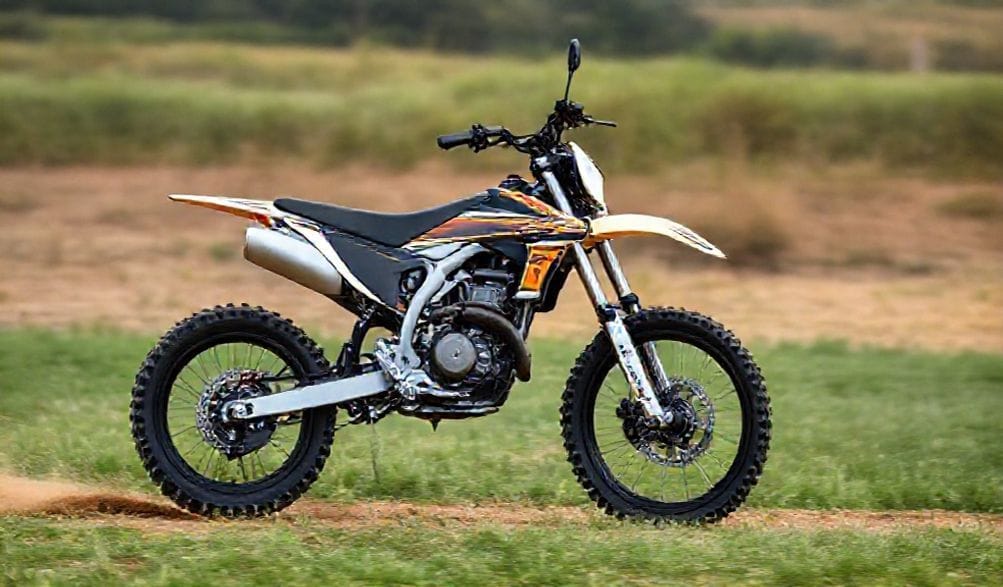
The Ultimate Guide to 80 mph Electric Dirt Bikes: Performance, Power & Practicality
The silence is broken only by the hum of an electric motor and the crunch of dirt under knobby tires. Then, you crack the throttle. There’s no clutch to feather, no gear to find—just an instantaneous, surging wave of torque that launches you forward with ferocious, silent intent. This is the new frontier of off-roading: the era of the moto da cross elettrica 80 mph capable machine. Once a niche curiosity, high-performance electric dirt bikes are now shattering expectations, offering a blend of space-age technology and raw adrenaline that challenges everything we know about trail and track riding.
But what does it really take to hit 80 mph on a dirt trail? Is an electric bike the right choice to deliver that kind of extreme performance, or are you sacrificing too much in the process? This guide is designed to cut through the hype and provide a comprehensive, unbiased resource for the experienced rider or serious enthusiast. We’ll dissect the engineering marvels that make these speeds possible, survey the top contenders in the market, and crucially, ground the excitement in the practical realities of ownership, safety, and legality. By the end, you’ll understand not just the “wow” factor of an 80 mph electric dirt bike, but the complete picture of its power, potential, and trade-offs.
The Engineering Behind 80 mph Electric Dirt Bikes
Achieving highway speeds off-road is a monumental task for any vehicle. For electric dirt bikes, it’s a specific trifecta of advanced electrical engineering: a high-voltage powertrain, a high-density battery, and a powerful, efficient motor. Let’s break down how these components work in concert.
High-Voltage Powertrains and Instant Torque
The quest for high top speed in the electric world begins with voltage. While entry-level e-bikes might operate on 48V or 60V systems, bikes targeting 80 mph typically utilize 72V, 80V, or even higher voltage platforms. Why? Power (in watts) is the product of Voltage (V) and Current (A). A higher voltage system can deliver more power without requiring excessively high, heat-generating current. This means more efficient energy transfer to the motor, which translates directly to higher potential top speed and better sustained performance.
The most visceral difference from gas, however, is torque delivery. A traditional internal combustion engine needs to build revs to reach its peak torque in a relatively narrow power band. An electric motor delivers 100% of its available torque from 0 RPM. This results in mind-bending acceleration that can leave comparable gas bikes in the dust off the line. The sensation is less about managing an engine and more about channeling raw, immediate electrical force.
Battery Technology: Capacity, Density, and Thermal Management
The battery pack is the fuel tank and the heart of the system. For an 80 mph electric dirt bike, two battery characteristics are paramount: capacity (measured in kWh) and power density.
- Capacity & Speed: A larger kWh capacity generally means longer range, but it’s also essential for sustaining high-speed runs. Draining the battery at peak power demands a robust energy reserve. You’ll often see packs in the 3-5 kWh range for these performance machines.
- Cell Quality & BMS: Not all batteries are created equal. Premium bikes use high-discharge cells from manufacturers like LG, Samsung, or Panasonic, managed by a sophisticated Battery Management System (BMS). The BMS is the brain, monitoring cell voltage, temperature, and health to prevent over-discharge, overcharging, and imbalance—critical for both safety and pack longevity.
- Thermal Management: This is where engineering expertise is non-negotiable. Pushing a battery and motor to their limits generates immense heat. Advanced bikes incorporate cooling systems—passive heat sinks, liquid cooling, or forced air—to manage this heat. Without proper thermal management, the BMS will throttle performance to prevent damage, meaning your 80 mph bike might only deliver that speed for a minute before slowing down.
Motor Types: Hub vs. Mid-Drive Performance
The final piece is the motor, and here the choice significantly impacts performance and handling.
- Motori a Mozzo: Located in the center of the rear wheel, these offer a simple, direct drive. They can be very powerful and require minimal maintenance. However, the unsprung weight in the wheel can negatively affect suspension action and handling on rough terrain, a significant consideration for aggressive off-road use.
- Mid-Drive Motors: Mounted centrally on the bike’s frame, connected to the rear wheel via a chain or belt. This keeps weight low and centralized, dramatically improving handling, balance, and suspension performance. Mid-drives also allow for the use of the bike’s gearbox (if equipped) to multiply torque. For a high-speed, performance-oriented moto da cross elettrica, the mid-drive is almost universally the preferred configuration due to its superior off-road dynamics. Power ratings for these motors typically range from 12kW to over 20kW (16-27+ horsepower equivalent), but remember, the electric torque delivery makes them feel much stronger than a gas engine with similar peak horsepower.
Top Contenders: Electric Dirt Bikes Capable of 80 mph
It’s important to note that manufacturer top-speed claims are often achieved under ideal conditions (light rider, smooth surface, fully charged battery). Real-world off-road performance will vary with terrain, rider weight, and bike setup. The following models are recognized in the community for pushing the boundaries of electric off-road speed.
Premium Performance Models
This segment is for riders seeking turn-key, high-performance machines where the engineering is done for you.
-
Sur-Ron Light Bee X (Storm Bee): The Sur-Ron is a phenomenon that arguably ignited the high-performance electric dirt bike scene. The newer “X” or “Storm Bee” models, with their ~74V systems and upgraded controllers, are widely reported to reach speeds of 75-80+ mph with proper gearing and tuning. With a mid-drive motor (nominal ~12kW, peak much higher), quality battery, and lightweight frame, it’s a favorite for its moddability and aggressive performance straight out of the box.
- Pro: Massive aftermarket support, proven platform, excellent power-to-weight ratio, relatively accessible price for the performance.
- Contro: Can require upgrades (brakes, suspension) for extreme riding, top speed may require optional controller or sprocket changes.
-
Kuberg Ranger: Hailing from the Czech Republic, Kuberg focuses on high-power electric trials and enduro bikes. The Ranger is a beastly adult enduro bike designed for serious off-road use. With options for large battery packs and powerful mid-drive motors (up to 16kW continuous), it’s built to tackle tough terrain at high speeds, with some configurations capable of approaching the 80 mph mark.
- Pro: Industrial build quality, focused on hard enduro performance, high-quality components, powerful motor options.
- Contro: Premium price point, less common in some regions, making dealer support a consideration.
Modified and Custom Builds
The enthusiast scene for electric dirt bikes is vibrant, with many riders pushing their machines beyond factory specs. It’s common to see bikes like the Sur-Ron, Talaria, or even custom frames fitted with:
* High-Output Controllers: Swapping the stock controller for a more powerful, programmable unit (e.g., from Nucular, BAC, or ASI) is the single biggest upgrade for unlocking speed and torque.
* Battery Swaps/Upgrades: Installing a higher-voltage (e.g., 84V, 96V) or higher-capacity battery pack to feed the upgraded controller and motor.
* Aggiornamenti del Motore: Some go as far as installing more powerful aftermarket mid-drive motors.
A Critical Caution: Modifications dramatically increase stress on every component—motor, battery, frame, and brakes. They almost always void the manufacturer’s warranty and introduce significant safety risks if not done correctly, particularly with lithium-ion batteries. This path should only be undertaken by those with deep technical knowledge or through a reputable professional shop that understands the systemic implications of such upgrades.
Fattori Critici da Considerare Prima dell'Acquisto
The allure of 80 mph is strong, but responsible ownership requires a clear understanding of the inherent trade-offs and realities.
Speed vs. Range: Understanding the Trade-Off
This is the fundamental equation of EV ownership, magnified in the off-road world. Riding at wide-open throttle consumes battery energy at a prodigious rate. You might have a battery that offers 40-50 miles of range at moderate trail speeds, but that could plummet to 15-20 miles or less if you’re constantly chasing the top speed. Before purchasing, honestly assess your riding style. Are you a wide-open desert racer, or a technical trail rider who wants explosive bursts out of corners? Your answer will determine how much the range limitation will impact you.
Terrain, Riding Style, and Legalities
Where can you actually use an 80 mph electric dirt bike?
* Legal Venues: These bikes are primarily designed for closed-course competition e Su proprietà privata. This includes motocross tracks, hare scrambles courses, designated OHV (Off-Highway Vehicle) areas, and private land with permission. They are generally not street-legal.
* Local Regulations: Laws vary wildly. Some states and counties have specific regulations for electric motorcycles’ power output and where they can be ridden. It is the rider’s absolute responsibility to research and comply with all local and state off-road vehicle laws. Ignorance is not an excuse and can result in fines or bike impoundment.
The Total Cost of Ownership
Look beyond the sticker price.
* Costo Iniziale: High-performance electric dirt bikes often carry a premium over comparable 250cc gas bikes, though they can rival or exceed the price of 450cc models.
* Long-Term Savings: This is where electric shines. “Fuel” costs are a fraction (cents per charge vs. dollars per gallon). Routine maintenance is vastly simpler and cheaper: no engine oil, filters, spark plugs, valve adjustments, or complex transmission rebuilds. Maintenance revolves around the chassis: tires, brakes, suspension, and bearings.
* The Big Future Cost: Battery Replacement. Lithium-ion batteries degrade over time and cycles. A replacement battery pack after several years of use can be a significant investment (often $1,500+). Factor this into your long-term budget.
80 mph Electric vs. Gas-Powered Dirt Bikes: A Balanced Comparison
The choice isn’t about which is objectively better, but which better suits your priorities.
Performance and Riding Experience
- Acceleration & Torque: Electric wins decisively in instantaneous, controllable torque. The launch is brutal and addictive.
- Velocità Massima: A modern 450cc motocross bike can also reach 80+ mph. At the peak, they are comparable, but the gas bike will often have a slight edge in absolute top speed due to gearing and power band.
- The “Feel”: This is subjective. Gas bikes offer a tactile, auditory experience—the roar of the engine, the clutch control, the shifting. Electric bikes offer a futuristic, hyper-smooth, and silent surge of power. Some riders love the new feel; others miss the traditional mechanical symphony.
Maintenance and Durability
- Simplicity: Electric bikes have far fewer moving parts in the drivetrain, leading to greater reliability and lower routine maintenance. There’s no carburetor to jet, no top-end to rebuild.
- Range & Refueling: Gas bikes still hold a massive advantage. You can carry a gallon of gas and extend your range indefinitely on long trail rides. “Refueling” takes two minutes. Recharging an electric bike requires hours, unless you have access to a rare fast-charger and power source in the wild.
- Repair Network: The network for gas bike repair is ubiquitous. For electric bikes, especially newer brands, you may be more reliant on the specific dealer or your own technical skills.
Environmental and Practical Impact
- Emissions & Noise: Electric bikes produce zero local emissions and are nearly silent, reducing noise pollution—a benefit for riding areas near communities.
- Convenience: Charging at home overnight from a standard outlet is a huge perk. No more storing gasoline.
- Full Lifecycle Impact: It’s crucial to be transparent. Manufacturing lithium-ion batteries has a significant environmental footprint. The eco-friendly equation improves the longer the bike is used and if the battery is properly recycled at end-of-life.
Safety and Gear for High-Speed Electric Off-Roading
The silent, sudden power of an 80 mph electric dirt bike demands an even greater emphasis on safety. The lack of engine noise can also startle others on the trail. Protecting yourself is non-negotiable.
Essential Protective Gear
Do not compromise here. Your kit should include:
* Casco: A full-face, motocross-style helmet certified by DOT and preferably SNELL or ECE.
* Occhiali: With tear-off or roll-off systems for muddy conditions.
* Chest Protector/Roost Deflector: To protect your torso from impacts and debris.
* Stivali: Motocross-specific boots with ankle support and stiff soles.
* Guanti: For grip and hand protection.
* Knee/Shin Guards & Elbow Guards: Separate or integrated into riding pants/jerseys.
* Neck Brace: Highly recommended for serious off-road and high-speed riding to help prevent catastrophic spinal injuries.
Bike Preparation and Pre-Ride Checks
Before every ride, especially a high-speed one, perform a thorough check:
1. Pneumatici: Pressure and condition for cuts or wear.
2. Freni: Pad thickness and lever feel. These bikes are heavy and fast; braking systems must be top-tier.
3. Bolts & Fasteners: Check critical areas (axles, handlebar clamps, motor mounts) for tightness.
4. Battery & Electronics: Ensure the battery is securely mounted, connections are clean and tight, and the charger port is sealed.
5. Sospensioni: Set sag and check for smooth action.
6. Throttle: Ensure it returns smoothly to zero to prevent a runaway condition.
Sezione FAQ
Q1: How long does the battery last on an 80 mph electric dirt bike?
R: This is highly variable. Under mixed trail riding, you might see 25-45 miles. However, if you are consistently riding at or near top speed, expect that range to drop significantly, potentially to 15-20 miles or less on a single charge.
Q2: Le moto da cross elettriche sono potenti quanto le moto a benzina da 450cc?
R: In termini di accelerazione e coppia ai bassi regimi, una moto elettrica potente può sembrare più vigorosa di una 450cc. La sua potenza istantanea può essere travolgente. La potenza massima e la velocità di punta sono spesso paragonabili, ma la modalità di erogazione della potenza—istantanea e lineare rispetto a una che cresce con i giri—è la differenza fondamentale.
Q3: Posso guidare una moto da cross elettrica da 80 mph (130 km/h) su strade pubbliche?
R: Tipicamente, no. La maggior parte è venduta come veicolo da competizione fuoristrada. Sono sprovviste di fanali, specchietti, frecce, clacson e dell'omologazione necessaria per l'immatricolazione stradale. Alcuni modelli potrebbero avere varianti omologate per strada, ma è responsabilità del conducente assicurarsi che la moto sia pienamente legale per l'uso stradale, immatricolata, assicurata e di possedere una patente motociclistica valida.
Q4: Quanto tempo occorre per caricare la batteria?
R: Utilizzando il caricatore standard incluso, una ricarica completa da zero richiede solitamente dalle 4 alle 8 ore. Alcuni produttori offrono caricatori rapidi opzionali che possono dimezzare questo tempo, ma comportano un costo aggiuntivo e potrebbero influire sulla salute a lungo termine della batteria.
Q5: Queste moto sono adatte ai principianti?
R: Assolutamente no. Una 80 mph electric dirt bike moto da cross elettrica ad alte prestazioni è una macchina specializzata, con potenza e peso estremi. La coppia istantanea e l'elevata velocità massima possono facilmente sopraffare un pilota inesperto, comportando un alto rischio di infortuni gravi. I principianti dovrebbero iniziare con una moto elettrica o a benzina di bassa potenza e adatta ai novizi, per sviluppare prima le abilità fondamentali.
Conclusione
La 80 mph electric dirt bike rappresenta l'apice emozionante della tecnologia EV fuoristrada odierna. Offre un'esperienza di guida straordinariamente esaltante, definita da una potenza silenziosa e istantanea che ridefinisce l'accelerazione sulla terra. Per il pilota giusto—qualcuno con esperienza, accesso a zone di guida appropriate e una passione per la tecnologia all'avanguardia—può essere una macchina incredibilmente gratificante.
Tuttavia, queste prestazioni comportano chiari compromessi che devono essere rispettati. L'ansia da autonomia è una considerazione reale per le lunghe giornate in pista. L'investimento iniziale è sostanziale e il funzionamento silenzioso richiede una maggiore consapevolezza situazionale. L'importanza dell'equipaggiamento di sicurezza e di una guida responsabile non può essere sopravvalutata.
Se stai considerando di unirti a questa rivoluzione elettrica ad alta velocità, fai i compiti a casa. Dai priorità alle tue reali esigenze di guida piuttosto che al fascino di un numero di velocità massima. Ricerca diligentemente le leggi locali. Soprattutto, se possibile, partecipa a un demo day o cerca un concessionario che offra prove su strada. Sperimenta personalmente la potenza e valuta ergonomia e maneggevolezza. Partecipa a forum online per imparare dalle esperienze dei proprietari. Prendendo una decisione informata, puoi assicurarti che il tuo ingresso nel fuoristrada elettrico ad alta velocità non sia solo carico di adrenalina, ma anche sicuro, legale e profondamente soddisfacente.
METADATA_START
DISPLAY_TITLE: La Guida Definitiva alle Moto Elettriche da Cross da 20 MPH
SEO_TITLE: Moto da Cross Elettriche da 80 mph (130 km/h): Guida Definitiva a Prestazioni e Consigli d'Acquisto
META_DESC: Stai valutando una moto da cross elettrica da 80 mph (130 km/h)? La nostra guida completa tratta l'ingegneria, i modelli top, i compromessi nella realtà, la sicurezza e il confronto con le moto a benzina. Lettura essenziale prima dell'acquisto.
IMG_PROMPT: Uno scatto d'azione dinamico e professionale di un pilota su una moto da cross elettrica moderna dall'aspetto aggressivo, che solleva terra su un sentiero desertico ad alta velocità. La moto deve apparire ad alte prestazioni, con un motore centrale visibile e un design minimalista. Il pilota indossa tutti i dispositivi di protezione. La scena è illuminata da un sole basso, che crea lunghe ombre ed enfatizza velocità e potenza.
—METADATA_END—