
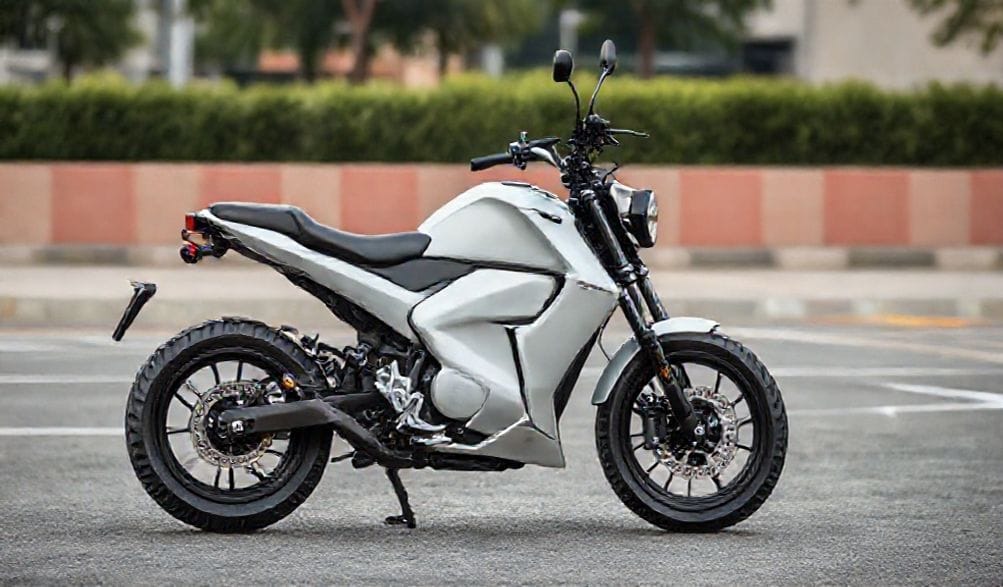
Navigating Street Legal Electric Motorcycles That Require No License: A Complete Guide
Imagine a vehicle that combines the freedom of the open road with whisper-quiet, emission-free operation and the promise of bypassing the traditional hurdles of licensing. Is it possible? As cities grow denser and the demand for accessible, eco-friendly personal transportation skyrockets, this question is on the minds of countless commuters and enthusiasts. The electric two-wheeler market is exploding, offering everything from bicycle-like models to machines that rival gasoline-powered motorcycles in performance. Yet, this exciting innovation is shrouded in a fog of confusion, particularly around one critical point: licensing requirements.
The phrase “street legal electric motorcycle no license” captures a powerful desire for simplicity and accessibility. This guide exists to cut through the marketing hype and regulatory complexity. Our purpose is to provide you with clear, accurate, and actionable information based on current vehicle classifications and regulations. We will help you understand the realistic options for street-legal electric two-wheelers that may not require a standard motorcycle license, while placing the utmost emphasis on one non-negotiable truth: you must verify every detail with your local and state laws. Let’s navigate this landscape together.
Understanding the “No License” Concept for Electric Motorcycles
The dream of a license-free motorcycle is compelling, but it’s crucial to ground that dream in legal reality. The key to understanding this market lies not in finding magical exemptions, but in understanding precise government classifications.
It’s About Vehicle Classification, Not Exemption
When a manufacturer or seller uses the term “no license required,” they are almost always referring to a vehicle that, in the eyes of the law, is not classified as a motorcycle. Instead, these machines are legally defined as biciclette elettriche (e-bike) o mopeds. The distinction hinges on three core technical specifications:
- Motor Power and Wattage: Measured in watts (W) or kilowatts (kW). Lower power outputs (e.g., 250W, 500W, 750W) are typical of e-bike classifications.
- Maximum Speed Capability: This is the single most important factor. Legal classifications often cap speed at thresholds like 20 mph (32 km/h) or 28 mph (45 km/h) for operation without a license.
- Operational Mode: Whether the motor provides assistance only when you pedal (pedal-assist) or can propel the vehicle via a throttle alone (throttle-only). Throttle-only operation often pushes a vehicle into a more regulated category.
The Critical Role of Local & State Laws
Here is the most important paragraph in this guide: There is no universal “no license” rule. Regulations vary dramatically—not just from country to country, but from state to state, and even between cities and counties within the same state. What is perfectly legal as a license-free e-bike in Oregon may be classified as a moped requiring registration in New Jersey, and may be outright illegal on certain paths in New York City.
Your absolute first step, before falling in love with any vehicle online, must be to consult your local Department of Motor Vehicles (DMV) or equivalent transportation authority. Become familiar with the terminology they use:
* Class 1, 2, 3 E-Bikes: A three-tier system adopted by many U.S. states, primarily differing by top speed and use of a throttle.
* Moped / Motorized Bicycle: Typically describes low-speed, low-power vehicles that may require registration, insurance, and a special (often simpler) license or endorsement.
* Motor Scooter / Low-Speed Motorcycle: May refer to slightly more powerful vehicles that almost always require a standard driver’s or motorcycle license.
Types of Street-Legal “No License” Electric Two-Wheelers
The market breaks down into distinct categories, each with its own legal framework. Understanding these categories is essential to making an informed choice.
High-Power Electric Bicycles (Class 3 E-Bikes)
Often the closest in appearance and feel to a motorcycle, Class 3 e-bikes are a popular “no license” option where permitted.
* Specifiche: Typically defined as having a motor that provides assistance up to 28 mph (45 km/h). They are usually pedal-assist only (the motor only helps while you are pedaling), though laws vary. Motor power is often 750W or less.
* Legality: They are street-legal in many, but not all, U.S. states and regions. Where legal, they are generally treated as bicycles. This means:
* No driver’s license required (though some states have a minimum age, like 16).
* No vehicle registration or license plate.
* No mandatory insurance (though personal liability insurance is wise).
* They are usually allowed on roads and bike lanes but are prohibited on sidewalks and sometimes on natural-surface trails.
Electric Mopeds and Scooters
This category is a significant gray area and requires the most diligent research.
* Low-Speed Models: Often defined by a maximum speed of 20-30 mph (32-48 km/h) and a motor under a certain power (e.g., 1-2 kW or 50cc equivalent). In many jurisdictions, these may be classified as “mopeds.” While they might not require a motocicletta license, they frequently require:
* A standard driver’s license (Class C).
* Vehicle registration and a license plate.
* Liability insurance.
* Helmets (mandatory in most places).
* Higher-Speed Models: Any electric scooter capable of exceeding 30 mph will almost certainly be classified as a motorcycle or motor-driven cycle, requiring a full motorcycle license (M1/M endorsement).
Electric Motorcycles with Restricted Power (L1e / L3e EU Categories)
The European model provides a clear framework that is instructive globally. Vehicles are categorized by power, speed, and weight.
* L1e-A & L1e-B (“Powered Cycles”): Very low-speed/power vehicles, akin to e-bikes and mopeds. In the UK, for example, vehicles in these categories can be ridden with just a Category AM moped license, which is obtainable from age 16 and is much simpler than a full motorcycle test.
* L3e (Motorcycles): This is the category for full-size moto elettriche. They require a standard motorcycle license (A1, A2, or A, depending on power). Some manufacturers sell “restricted” versions of their motorcycles that fit into lower-power sub-categories (like A1) for learner riders.
Key Features and Specifications to Look For
When evaluating a vehicle, don’t just look at the marketing—interrogate the specs. They determine the legal classification.
Motor Power and Wattage Limits
Wattage is a primary legal marker. In the U.S., many states align with a 750W limit for throttle-operated e-bikes to be classified as bicycles. In Europe, 250W is a common limit for pedalecs (pedal-assist e-bikes) to be treated as regular bicycles. Higher wattage (1kW, 3kW, 5kW+) almost always pushes the vehicle into moped or motorcycle territory.
Top Speed Capabilities and Limiters
This is the law’s favorite metric. A manufacturer may build a vehicle capable of 45 mph, but if it is equipped with a speed limiter that restricts it to 20 mph from the factory, it may qualify for a lower legal class. Crucially, tampering with or removing this limiter is illegal and reclassifies the vehicle, voiding its “no license” status.
Pedal-Assist vs. Throttle-Only Operation
This feature is a major legal differentiator.
* Pedal-Assist (Pedelec): The motor provides power only when the rider is pedaling. This design is central to the legal definition of an e-bike in most jurisdictions and is the safest bet for license-free operation.
* Throttle-Only: A twist-grip or thumb throttle that propels the vehicle without pedaling. While allowed on some e-bike classes (like Class 2 in the U.S.), it is a red flag for regulators and often places the vehicle in a more regulated category (moped).
The Non-Negotiables: Safety, Insurance, and Registration
Even if you navigate the licensing maze successfully, your responsibilities don’t end there.
Safety Gear is Mandatory
The law may only require a helmet for certain classes, but physics does not discriminate. On any two-wheeled vehicle, especially one sharing the road with cars:
* A DOT/ECE-certified full-face helmet is the single most important investment you can make.
* Gloves, armored jacket, pants, and boots dramatically reduce injury in a fall.
* High-visibility clothing and excellent lights are essential for being seen.
Understanding Insurance and Registration Requirements
Do not assume “no license” means “no paperwork.”
* E-Bikes: Rarely require registration or insurance by law.
* Electric Mopeds/Scooters: Very often require both. You must register the vehicle with the DMV, obtain a license plate, and carry at least minimum liability insurance.
* The Check: Contact your DMV or insurance agent with the Vehicle Identification Number (VIN) and specifications of the model you are considering to get a definitive answer. Even if insurance isn’t legally required, it is profoundly reckless to operate any motorized vehicle on public roads without liability coverage.
Considerazioni Fondamentali Prima dell'Acquisto
Your Primary Use Case: Commuting, Errands, or Recreation?
Match the vehicle to your needs:
* Short Urban Commutes (<10 miles): A Class 3 e-bike or low-speed e-moped may be perfect.
* Faster Commutes / Highway Feeder Roads: You will likely need a licensed electric scooter or motorcycle capable of 40+ mph to keep up with traffic safely.
* Recreation & Trail Riding: Ensure the e-bike class you choose is legally permitted on the trails you want to ride.
Verifying Local Laws: A Step-by-Step Checklist
- State DMV Website: Search for “electric bicycle law,” “moped definition,” and “motorized bicycle requirements.”
- State Legislative Code: Look up the actual vehicle code (e.g., “California Vehicle Code Section 406”).
- City/Town Ordinances: Check local government sites for rules on where e-bikes/scooters can be ridden (sidewalks, bike paths, etc.).
- Call: Contact your local DMV office and the non-emergency line of your local police department for clarification.
Budgeting for the Total Cost of Ownership
Factor in all costs:
* Prezzo di acquisto
* Imposta di vendita
* Tasse di immatricolazione e titolo (se applicabile)
* Assicurazione (premi mensili/annuali)
* Equipaggiamento di sicurezza ($300-$1000+ per un kit di qualità)
* Manutenzione (pneumatici, freni, cura della batteria)
* Costi di ricarica (minimi, ma non nulli)
Domande Frequenti (FAQ)
D1: Esiste veramente una motocicletta elettrica omologata per strada che non richiede patente in nessun luogo?
A: For vehicles legally defined as “motorcycles,” a license is almost always required. The “no license” path applies to vehicles legally classified as electric bicycles or low-speed mopeds based on their capped speed and power. Always confirm with your local DMV.
D2: Posso modificare una e-bike per andare più veloce e rimanere comunque omologata per strada senza patente?
R: No. Modificare una e-bike o un ciclomotore per superare i limiti di velocità o potenza della sua classe legale lo renderebbe probabilmente un veicolo a motore, richiedendo patente, immatricolazione e assicurazione. Potrebbe anche invalidare le garanzie ed è illegale, esponendoti a multe e responsabilità.
D3: Qual è la differenza tra un ciclomotore elettrico e una motocicletta elettrica per quanto riguarda la patente?
R: La differenza sta tipicamente nella velocità massima, nella potenza erogata e talvolta nel peso del veicolo. I ciclomotori elettrici (ad es., velocità max 30 mph/48 km/h) rientrano spesso in una classe di patente o immatricolazione per “ciclomotori”, che può essere più semplice da ottenere rispetto a una patente per motociclo completa. Le vere motociclette elettriche superano questi limiti e richiedono una patente per motociclo standard.
D4: Ho bisogno di un'assicurazione per una motocicletta elettrica o e-bike senza patente?
R: I requisiti variano. Le e-bike raramente richiedono assicurazione. I ciclomotori e gli scooter elettrici spesso sì. Anche se non legalmente obbligatoria, si raccomanda vivamente un'assicurazione di responsabilità civile per proteggersi finanziariamente dai costi devastanti se si causa un incidente.
D5: Dove posso guidare un due ruote elettrico omologato per strada e senza patente?
R: Dipende interamente dalla sua classificazione. Le e-bike sono generalmente consentite su piste ciclabili e strade (ma non sui marciapiedi). I ciclomotori e gli scooter sono di solito limitati alle strade e non possono utilizzare le infrastrutture ciclabili. Conosci la classe del tuo veicolo e le ordinanze locali.
Conclusione
Orientarsi nel mondo delle motociclette elettriche omologate per strada che non richiedono patente si riduce infine a comprendere una semplice equazione: specifiche del veicolo + leggi iper-locali = il tuo status di guida legale. Il punto fondamentale è che la vera operatività senza patente è riservata a veicoli che, legalmente parlando, non sono affatto motocicli.
Dai priorità alla sicurezza e alla conformità legale piuttosto che alla convenienza. L'entusiasmo per un nuovo veicolo elettrico dovrebbe essere accompagnato dalla certezza di guidarlo correttamente e di essere protetto. Diventa un esperto dei regolamenti locali: è l'unico modo per garantire un'esperienza di guida fluida e legale.
La tua chiamata all'azione:
1. Fai ricerche ufficiali: Use your DMV’s website and local ordinances as your primary source of truth.
2. Prova su Strada: Visita concessionari affidabili per percepire la differenza tra un'e-bike, un ciclomotore elettrico e una motocicletta elettrica.
3. Equipaggiati: Prima del tuo primo viaggio, investi in equipaggiamento di sicurezza di alta qualità.
Scegliere il due ruote elettrico giusto nel giusto quadro legale apre un mondo di trasporto efficiente, piacevole e sostenibile. Guida in modo intelligente, guida in sicurezza e goditi il futuro elettrico.
METADATA_START—
DISPLAY_TITLE: The Truth About “No License” Electric Motorcycles: A 2024 Guide
SEO_TITLE: Street Legal Electric Motorcycle No License: What’s Really Possible? | Guide
META_DESC: Confuso dalle affermazioni su “motocicletta elettrica omologata stradale senza patente”? La nostra guida definitiva spiega le classificazioni legali, i tipi di veicoli e come guidare legalmente senza patente per motociclo. All'interno, consigli su sicurezza e legge.
PROMPT_IMG: Un moderno ed elegante ciclomotore elettrico o un'e-bike ad alta potenza parcheggiati in una strada cittadina, con un guidatore in casco e abbigliamento casual che guarda uno smartphone che mostra un sito web del DMV. La scena è pulita, urbana e luminosa, enfatizzando accessibilità e ricerca legale.
—METADATA_END—