
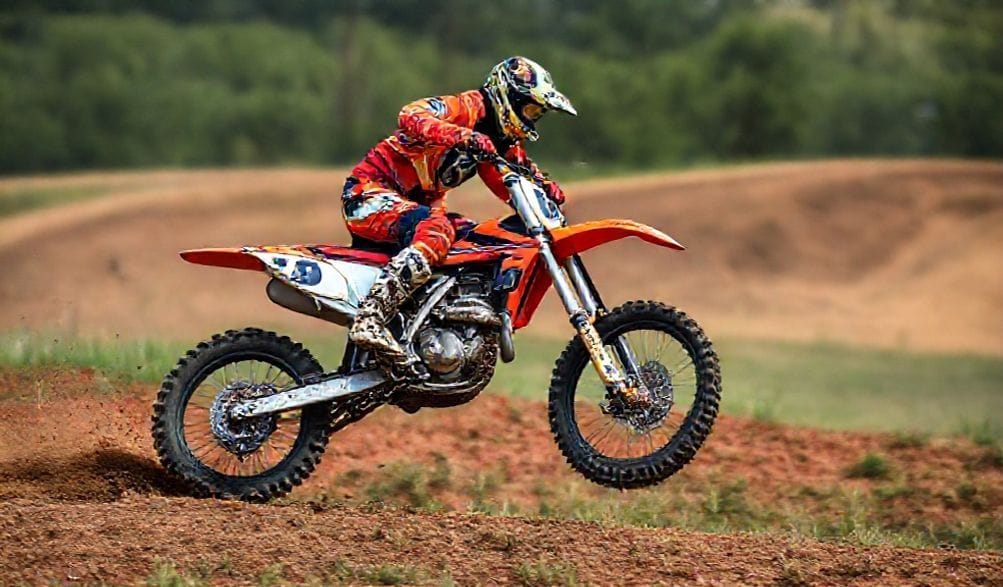
The Ultimate Guide to MX Dirt Bikes: Choosing, Riding & Maintaining Your Machine
The roar of a high-strung engine, the smell of pre-mix and dirt, the feeling of floating over a tabletop—motocross is more than a sport; it’s a visceral experience that captivates riders of all ages. Whether you’re a parent looking to get your kid started, an adult finally chasing a childhood dream, or an experienced rider looking to refine your knowledge, the world of MX dirt bikes can be as complex as it is thrilling. With so many options, technical jargon, and strong opinions, where do you even begin?
This comprehensive guide is written for both aspiring and experienced motocross enthusiasts. Drawing on years of riding, wrenching, and learning from seasoned mechanics and racers, our goal is to be your most trusted resource. We’ll cut through the marketing hype and forum myths to provide clear, actionable, and safety-focused advice. From demystifying the core engineering of these machines to outlining a bulletproof maintenance routine, this guide will help you make informed decisions, protect your investment, and, most importantly, enjoy the sport responsibly and for years to come.
What is an MX Dirt Bike? Understanding Motocross Machines
At its heart, an MX dirt bike is a purpose-built racing motorcycle designed for one environment: the closed-course motocross track. Every component, from the suspension travel to the engine mapping, is optimized for short, intense bursts of speed, high-flying jumps, and aggressive cornering on a groomed dirt circuit. Unlike their street-legal or adventure-oriented cousins, these are not machines for commuting or long-distance trail exploration. They are single-minded athletes.
Core Design & Engineering Principles
The DNA of a modern MX dirt bike is defined by three non-negotiable pillars:
- Lightweight Frame Construction: Every gram matters. Modern frames are primarily aluminum (or high-grade steel on some models), engineered to be incredibly stiff for precise handling while shaving off critical weight. This stiffness allows the suspension to work effectively and gives the rider direct feedback from the terrain.
- High-Performance Suspension: This is arguably the most critical system on the bike. Long suspension travel (often 12 inches or more front and rear) is essential for absorbing the massive impacts of jumps and whoops. But it’s the quality of the components—the damping, spring rates, and adjustability—that separates an MX bike from a trail bike. MX suspension is tuned to handle high-speed compression and rebound from landings, not just plush trail comfort.
- Powerful, Responsive Engine: MX engines are built for peak horsepower and immediate throttle response. They have close-ratio transmissions to keep the engine in its powerband, high-compression ratios, and aggressive cam profiles. They are not designed to idle for long periods or putter along at low RPMs; they are meant to be ridden hard.
MX vs. Off-Road vs. Trail Bikes: Key Differences
It’s easy to lump all dirt bikes together, but the differences are significant:
- Purpose: An MX bike is for racing on a track. An off-road or enduro bike (like a KTM XC-W or Honda CRF450X) is built for long-distance, technical trail riding and racing, often requiring lighting, a kickstand, and a wider-ratio transmission. A trail bike (like a Yamaha TT-R230) is for casual recreation, prioritizing low-maintenance and user-friendly power.
- Key Specs: An MX bike will have no lights, minimal emissions equipment, the stiffest suspension, and the most aggressive engine tuning. An off-road bike adds lights, a spark arrestor, softer suspension for varied terrain, and an engine tuned for tractable low-end power. Gearing is taller on an off-road bike to allow for higher top speeds on connecting trails.
How to Choose the Right MX Dirt Bike for Your Skill Level
Selecting the wrong bike is the fastest way to breed frustration, instill bad habits, or cause an accident. Honest self-assessment of your skill level is the first and most crucial step.
Beginner MX Bikes: Entry-Level Models & Features
For a true novice, the goal is a bike that builds confidence, not fear.
- Recommended Displacements: The classic starting points are a 125cc two-stroke or a 250cc four-stroke. These “full-size” bikes offer enough power to learn on but are typically more linear and forgiving than their larger counterparts. For younger or smaller riders, the 85cc two-stroke and 150cc four-stroke classes are the proving grounds.
- Manageable Power & Handling: Look for bikes known for predictable power delivery and forgiving chassis geometry. A mild engine map and suspension that isn’t overly stiff can make the learning curve much less steep.
- Model Examples: The Yamaha YZ250F and Kawasaki KX250 have long been praised for their rider-friendly nature and bulletproof reliability. For two-stroke fans, the Yamaha YZ125 is a legendary platform that teaches clutch and throttle control masterfully.
Intermediate to Pro-Level Bike Considerations
As skills develop, your bike’s limitations (or your perception of them) will become apparent.
- Stepping Up in Power: Moving to a 250cc two-stroke or 450cc four-stroke introduces a significant jump in horsepower and torque. These bikes demand respect and precise throttle control. The power is less about going faster in a straight line and more about having the explosive force to clear obstacles out of slow corners.
- Suspension Sophistication: Higher-end models feature more adjustable suspension components, allowing fine-tuning for rider weight, track conditions, and personal preference. Understanding clickers, sag, and spring rates becomes part of the performance puzzle.
Critical Fit & Sizing Factors
A bike that doesn’t fit is a bike you can’t control.
- Seat Height & Inseam: You should be able to touch the ground with the balls of both feet when the bike is upright. If you’re tiptoeing or leaning heavily to one side, the bike is too tall. Handlebar bend and position can be changed with aftermarket parts to optimize reach and comfort.
- Suspension Sag: This is the single most important setup adjustment. Setting the “race sag”—how much the bike settles under your weight—properly aligns the chassis and ensures the suspension works in its intended range. An improperly set sag will make any bike handle poorly.
Essential MX Dirt Bike Maintenance for Performance & Longevity
Motocross is brutal on machinery. A rigorous maintenance schedule isn’t just about longevity; it’s a critical safety practice. A failed component on the track can have serious consequences.
Pre-Ride and Post-Ride Inspection Checklist
Develop this habit religiously. A 10-minute check can prevent a catastrophic failure.
- Pre-Ride: Check tire pressure (usually 12-14 PSI for most tracks), inspect for loose spokes, ensure chain slack is correct (consult manual), check coolant and brake fluid levels, look for any fresh leaks (oil, fuel, coolant), and verify throttle and clutch operation is smooth.
- ライド後点検: While the bike is still dirty, do a quick visual inspection. Then, once ready to clean, you have the perfect opportunity to look closer. A post-ride oil change is ideal after a hard day of riding.
Routine Maintenance Schedule
This is the backbone of bike care. Track your engine hours meticulously.
- エアフィルター: This is your engine’s lungs. In a dusty environment, clean and re-oil it every ride. Use a proper filter oil (not engine oil) and ensure a complete, airtight seal when reinstalling. A dirty filter is the number one cause of premature engine wear.
- エンジンオイル&オイルフィルター: For a high-performance four-stroke under race conditions, change the oil and filter every 5-10 hours. Two-strokes have separate transmission oil, which should be changed every 10-15 hours. Your owner’s manual is the final authority—follow it.
- Suspension & Brakes: Fork and shock seals should be serviced (oil changed, seals replaced) every 30-50 hours depending on conditions. Check brake pad thickness regularly. Contaminated or old brake fluid absorbs moisture and reduces performance; flush the system at least once a season.
Top Tips for Engine & Transmission Care
- Warm-Up & Break-In: Always allow the bike to idle and reach operating temperature before riding hard. This allows oil to circulate and metals to expand evenly. For a new or rebuilt engine, follow the manufacturer’s break-in procedure, which typically involves varying RPMs and avoiding sustained high load for the first few hours.
- Clutch Health: A slipping clutch (high RPM without corresponding acceleration) generates immense heat and destroys plates. Learn to “fan” the clutch to control power, not just to shift. Keep the clutch cable properly adjusted with a small amount of free play at the lever.
Must-Have MX Gear & Safety Equipment
Your gear is not an accessory; it is your primary safety system. Never, ever compromise on quality here.
Helmet, Boots, Goggles & Body Armor
- ヘルメット: This is non-negotiable. Look for the latest SNELL certification (or ECE 22.06). DOT alone is not sufficient for motocross. Fit is paramount—it should be snug without pressure points. Replace it after any significant impact or every 5 years.
- ブーツ: Motocross boots are rigid, ankle-supporting armor. They prevent hyperextension, crush injuries, and burns from the exhaust. A proper boot should feel stiff and supportive from day one.
- 装着しなければなりません。 Tear-offs, anti-fog coatings, and wide peripheral vision are key. A good dual-pane lens is essential to prevent fogging.
- Body Armor: A roost protector/chest guard is standard. For serious riders, a full protective vest with integrated shoulder, elbow, and back protection is highly recommended. Knee braces (not just guards) are one of the best investments to prevent catastrophic knee ligament injuries.
Performance Apparel and Its Functional Benefits
- ジャージ&パンツ: Modern MX apparel is made from lightweight, breathable, and tear-resistant materials. Ventilation and flexibility are the goals. Pants have leather knee patches for grip and protection.
- グローブ: They provide grip, protect from blisters, and offer some impact protection for your hands.
- The Takeaway: Good gear reduces fatigue, improves control by protecting you from roost and impacts, and can dramatically lessen the severity of injuries in a crash.
Improving Your MX Riding Skills and Track Techniques
Speed comes from technique, not just throttle. Mastering the fundamentals is a never-ending process.
Fundamental Riding Positions: Attack, Neutral, and Braking
Your body is a critical part of the bike’s suspension and balance.
- Attack Position: The default for acceleration and most obstacles. Standing on the balls of your feet, knees bent, elbows up, head over the handlebar crossbar. This centralizes your weight and allows the bike to move beneath you.
- Braking Position: Shift your weight rearward and get low as you brake to maintain rear wheel traction and prevent the front end from diving excessively.
- Cornering: Weight the outside peg, get your inside foot forward, and point your head and shoulders through the turn. Your body position steers the bike as much as the handlebars do.
Mastering Basic to Advanced Track Obstacles
- Berms & Ruts: Look ahead, carry momentum, and trust the bike to grip. Steer with your feet and knees.
- Jumps (Tabletops, Doubles): Consistency is key. Find a steady throttle approach. For safety, master tabletops before attempting gaps. The goal is to land with both wheels level, rear wheel slightly first is preferable to a front-wheel landing.
- Whoops: Momentum is your friend. Shift weight back, grip with your knees, and let the suspension do the work. Sometimes a slight wheelie through the first few can set the rhythm.
Navigating the MX Dirt Bike Market: New vs. Used
This is a major financial decision with pros and cons on each side.
Advantages and Drawbacks of Buying New
- 長所: Full factory warranty, the latest technology and engine updates, and a pristine, known maintenance history. You also get the pride and smell of a brand-new machine.
- 短所: Significant depreciation the moment it leaves the showroom. The high upfront cost, and the inevitable first crash hurts more psychologically.
A Step-by-Step Guide to Inspecting a Used MX Bike
Buying used can be brilliant, but caution is required.
- The Cold Start: Ask the seller not to start the bike before you arrive. A bike that fires up easily when cold is a good sign. Listen for unusual knocking or rattling.
- 重要な検査チェックリスト: Inspect carefully for any cracks, especially around steering head, swingarm pivot, and weld points. Look for repaired cracks or fresh paint that might hide damage.
- サスペンション: Check fork and shock seals for leaks. Compress the suspension—it should move smoothly and rebound without sticking.
- Engine Hours: Ask if it has an hour meter. This is the most honest measure of use. High hours aren’t necessarily bad if maintenance was meticulous, but it dictates the price.
- General Condition: Look at the wear items: sprocket teeth (hooked = worn), chain (rusted/tight = neglect), brake rotors (grooved?), and overall cleanliness. A clean, well-cared-for bike often indicates a responsible owner.
- Request Records: Ask for receipts for parts, top-end rebuilds, or suspension service. A history is invaluable.
Frequently Asked Questions (FAQ) About MX Dirt Bikes
What does “MX” stand for in dirt bikes?
MX stands for モトクロス, a form of off-road motorcycle racing on purpose-built, closed-circuit dirt tracks featuring jumps, berms, and other obstacles.
初心者に最適なMXダートバイクは何ですか?
「最適」なバイクは、ライダーの体格、年齢、予算によって異なります。フルサイズの大人の初心者には、扱いやすいパワーと豊富なアフターマーケットサポートから、250ccの4ストローク(ヤマハYZ250Fなど)または125ccの2ストロークが一般的に推奨されます。最適なバイクとは、あなたにフィットし、機械的状態が良く、あなたを威圧しないものです。.
MXバイクのオイルはどのくらいの頻度で交換すべきですか?
積極的に走行するモダンな4ストロークレースバイクの場合、エンジンオイルとオイルフィルターは 5-10 hours. ごとに交換してください。2ストロークのトランスミッションオイルは10〜15時間ごとに交換すべきです。. メーカーやモデルによって異なるため、具体的な交換間隔については必ず公式の取扱説明書に従ってください。, 2ストロークと4ストロークのMXバイク、どちらが優れていますか?.
「優れている」かどうかは主観的な問題です。
“2ストロークは軽量で、パワーバンド内での反応が鋭く、エンジンのリビルドがシンプルで費用も抑えられます。. は軽量で機械的にシンプル、鋭い「パワーバンド」の衝撃があり、ガソリンにオイルを予混合する必要があります。 4ストロークはより広く扱いやすいパワーを提供し、多くのライダーにとって高速走行を容易にするため、現代のプロレースを支配しています。初心者は4ストロークの方が扱いやすいと感じることが多く、一方で一部のライダーは2ストロークの没入感あふれる生のフィールを好みます。. は重く、より複雑で、広く滑らかなパワー配分を提供し、独立したオイルシステムを持ちます。初心者には、現代の4ストロークの扱いやすいパワーが一般的に推奨され、習得しやすいです。 MXバイクに乗る前に必要な必須装備は何ですか?.
最低限必要な装備は以下の通りです:
SNELL/DOT認証のモトクロスヘルメット、モトクロス専用ゴーグル、専用設計のモトクロスブーツ、グローブ、チェストプロテクター/ルーストガード。本格的に乗るのであれば、ニー/シンガードとネックブレースへの投資を強くお勧めします。装備はバイク自体と同じくらい重要です。 MXダートバイクを選び、乗り、メンテナンスすることは、.
結論
運動能力、機械への理解、純粋な情熱が独自に融合する、非常にやりがいのある旅です。これは、マシン、トラック、そして自身の限界に対する敬意を求めるスポーツです。自分の技術レベルに正直に合ったバイクを優先し、規律あるメンテナンス習慣を守り、最高峰の安全装備に投資することで、アドレナリンが沸き立つ楽しみと継続的な上達のための基礎を築くのです。 MX dirt bike このガイドは出発点であることを忘れないでください。あなたのバイクの取扱説明書は、具体的な手順に関するバイブルです。認定コーチによるライディングスクールを受講して、安全にスキルを短期間で向上させることも検討してください。モトクロスコミュニティは広大で概して歓迎的です。トラックで質問することを恐れないでください。さあ、装備を整え、乗車前点検を行い、賢く走りましょう。スターティングゲートが待っています。.
SEO_TITLE: MXダートバイクガイド2024:選び方、乗り方、メンテナンス方法|エキスパートのヒント.
METADATA_START—
SEO_TITLE: ダートバイク:全レベルのライダーのための完全ガイド|種類、装備、コツ
META_DESC: MXダートバイクの完全ガイド。スキルレベルに合ったモトクロスバイクの選び方、必須メンテナンスルーティン、必要な安全装備、エキスパートからのプロライディングのヒントを学びましょう。
IMG_PROMPT: 晴天の下、整備されたトラックで、背景に他のライダーがぼかされて写る中、モダンなアルミフレームのダートバイクにフル装備で乗ったモトクロスライダーが、テーブルトップジャンプで空中に浮かんでいる、ダイナミックで高解像度なアクションショット。バイクと装備は清潔でプロフェッショナルな見た目であること。.
mx dirt bike.
—METADATA_END—