
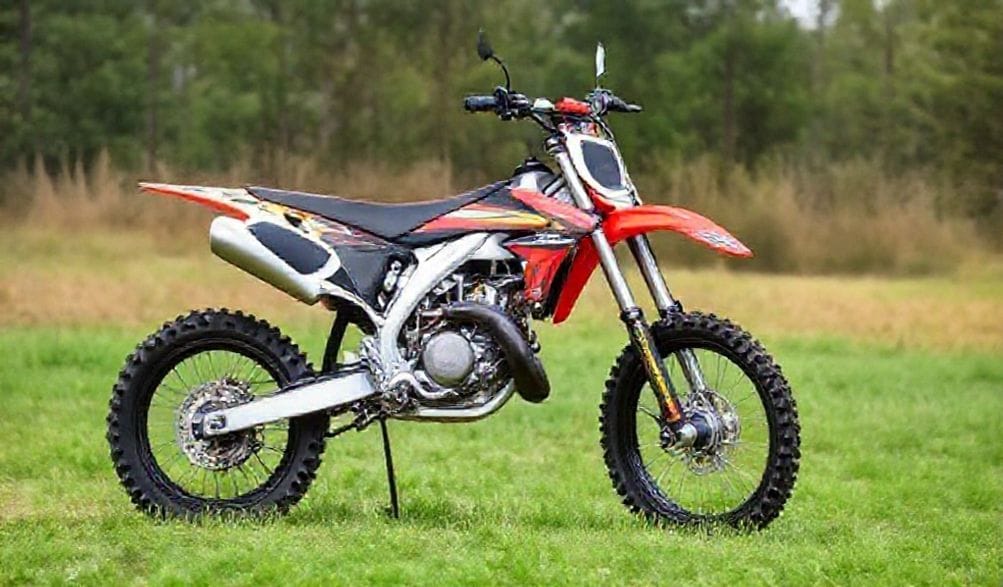
Finding the Best Dirt Bikes for 10-Year-Olds: A Parent’s Safety & Buying Guide
That moment your ten-year-old looks up at you, eyes wide with a mix of hope and excitement, and asks, “Can I get a dirt bike?” is a parenting milestone. Your heart might leap with the thought of sharing an adventurous outdoor hobby, but it’s instantly followed by a wave of practical anxiety. Is it safe? How do I even choose one? What if I get the wrong thing?
These concerns are not just valid; they’re essential. Navigating the world of youth motocross can feel overwhelming, with a maze of technical specs, brand loyalties, and strong opinions. This guide is here to cut through the noise. Built on hands-on experience, consultations with certified riding instructors and mechanics, and deep research into industry standards, our goal is to transform your uncertainty into confidence. We’ll walk you through the critical factors—safety, size, engine type, and skill level—to help you make an informed, smart, and safe purchase. Let’s find those good dirt bikes for 10 year olds that balance thrilling fun with paramount safety, ensuring this new chapter is built on a foundation of confidence and control.
Essential Safety First: Non-Negotiables for Young Riders
Before we discuss a single make or model, we must establish the non-negotiable foundation: safety. A positive, lifelong riding experience begins and ends with safe habits. This isn’t about wrapping your child in bubble wrap; it’s about providing the proper tools and environment for them to learn and grow confidently. Trustworthiness in this sport means prioritizing protection above all else.
Mandatory Safety Gear (The Complete Kit)
Think of safety gear as a mandatory part of the bike’s purchase price. Never let your child ride without it—not even for a “quick spin” in the backyard. Here’s the essential kit:
- Helmet (DOT/SNELL Certified): This is the most critical piece. It must fit snugly without being uncomfortable. Look for dual certification (DOT and Snell or ECE) for the highest impact protection. A full-face モトクロス helmet is the only acceptable choice.
- 装着しなければなりません。 Protect eyes from dirt, rocks, and branches. Ensure they have a secure fit with the helmet and offer good ventilation to prevent fogging.
- グローブ: Dirt bike gloves protect hands from blisters, handlebar vibration, and minor scrapes. They provide crucial grip.
- ブーツ: Regular sneakers are dangerously inadequate. Proper motocross boots offer ankle support, shin protection, and a stiff sole to prevent foot injuries from impacts or the bike itself.
- Chest Protector: This piece guards the torso, shoulders, and back from roost (rocks kicked up by other bikes) and impacts from falls or handlebars.
- Knee and Shin Guards: These are often integrated or worn separately. They protect vulnerable joints and bones from direct impacts with the ground or the bike.
- Long Sleeves and Pants: Durable, abrasion-resistant motocross jersey and pants are designed to protect skin and work in tandem with other armor.
Adult Supervision & Professional Training
A child on a dirt bike should never be unsupervised. An adult must be present, engaged, and ready to intervene or assist. Beyond supervision, professional training is one of the best investments you can make.
Enrolling your child in a beginner riding course, such as those offered by the モーターサイクル安全協会(MSF) or local certified instructors, provides structured, professional guidance. They learn fundamental skills like clutch control, braking, balance, and turning in a controlled setting. This builds their competence and your confidence far faster than trial-and-error ever could.
Choosing the Right Riding Environment
The “where” is as important as the “how.” Start in a controlled, open, and predictable environment:
* 私有地: A large, flat, grassy field or a cleared area with no hidden obstacles, traffic, or bystanders.
* 指定OHVエリア: As skills progress, move to designated Off-Highway Vehicle parks with beginner trails. These are legally sanctioned and often patrolled.
* Avoid: Public streets, sidewalks, construction sites, or any area with unknown terrain, traffic, or legal restrictions. The initial goal is to minimize variables so the rider can focus on controlling the machine.
Key Factors in Choosing a Dirt Bike for a 10-Year-Old
With safety protocols established, we can focus on selecting the right machine. The goal is to match the bike to your child’s physical size and ability, not their ambition. A bike that’s too big or too powerful is intimidating, difficult to control, and dangerous.
The #1 Rule: Seat Height and Inseam
Forget age recommendations on brochures for a moment. The single most important physical metric is シート高. A proper fit is crucial for control, confidence, and safety.
- How to Measure: Have your child stand in their riding boots (or sturdy shoes). Measure their inseam from the crotch to the floor.
- The Fit Test: When sitting on the bike, they should be able to place the balls of both feet flat on the ground comfortably. A “tip-toe” reach is acceptable for more experienced riders, but for beginners, having solid footing to catch a tip-over or stop suddenly is invaluable. They should also be able to reach the handlebars and controls without straining or stretching.
Engine Size (cc) and Type: 2-Stroke vs. 4-Stroke
Engine size, measured in cubic centimeters (cc), generally indicates power. For the vast majority of 10-year-olds, the sweet spot is between 50cc and 110cc. However, the engine type dramatically changes how that power is delivered.
- 4-Stroke Engines (Recommended for Beginners): Think of these as the reliable, predictable workhorses. They produce smooth, linear power from low to high RPMs. This predictability allows a new rider to focus on balance and control without sudden surprises. They are also quieter and have simpler fuel requirements (just gasoline). Models like the Honda CRF110F are classic examples.
- 2-Stroke Engines: These are lighter and have a famous “powerband” or “hit,” where power delivery is mild at low RPMs and then surges suddenly as the engine revs. This can be thrilling for an experienced rider but can easily overwhelm a beginner, causing a loss of control. A 65cc 2-stroke is often more powerful and demanding than a 110cc 4-stroke.
Weight of the Bike Matters
A lighter bike is a friendlier bike. Your child will need to maneuver it, pick it up after a fall, and manage its weight while learning to balance. A bike that’s too heavy will be exhausting and discouraging. Japanese manufacturers excel at building lightweight, manageable frames for their youth models. Consider the power-to-weight ratio: a lightweight bike with adequate power is far better than a heavy bike with excessive power.
Skill Level Assessment: Beginner vs. Some Experience
Be brutally honest in your assessment. This isn’t about holding them back, but setting them up for success.
* True Beginner: Has little to no experience with a clutch or throttle control. They need the most forgiving, predictable machine available.
* Some Experience: Maybe they’ve ridden a friend’s bike, a small ATV, or a 50cc automatic. They understand basic throttle and brake coordination. They might be ready for a slightly more capable bike, but the jump should be incremental.
The biggest mistake parents make is buying “a bike they can grow into.” In dirt biking, this philosophy often leads to fear, frustration, and a bike that sits unused. It’s better to buy the right-sized bike, let them master it, and sell it to move up when they’ve genuinely outgrown it.
Top Dirt Bike Picks for 10-Year-Olds (By Category)
The following recommendations are based on prevailing expert reviews, manufacturer specifications tailored for the average 10-year-old’s proportions, and consistent feedback from the riding community. These models represent the benchmark for reliability and appropriate performance.
Best Beginner/First Dirt Bikes (4-Stroke Focus)
These bikes are engineered for first-time riders. They prioritize manageable power, low maintenance, and user-friendly features.
| Model | Engine | Seat Height | Key Features & Why It’s a Top Pick |
| :— | :— | :— | :— |
| Honda CRF110F | 109cc 4-Stroke | 24.8 inches | The gold standard for reliability. Its smooth, predictable power, bulletproof air-cooled engine, and automatic clutch (no shifting for beginners) make it incredibly easy to learn on. Low maintenance and holds its value exceptionally well. |
| Yamaha TT-R110E | 110cc 4-Stroke | 25.2 inches | Yamaha’s direct competitor, known for similar durability. A major advantage is the electric start (the “E” in the name), which eliminates the frustration of kick-starting for a new rider. Also features an automatic clutch. |
Options for More Experienced or Taller Riders
If your child has mastered a 50cc bike or is particularly tall for their age, these models offer a slight step up in capability while remaining manageable.
- Kawasaki KLX110R/L: The KLX110R is the classic model, while the “L” version offers a slightly taller seat height and longer suspension for bigger kids. It’s a fantastic bridge bike, still very user-friendly but with a bit more of a “real dirt bike” feel and a manual clutch option on some models, which is great for learning to shift.
- Suzuki DR-Z70 / DR-Z110: These are often praised as solid, value-packed alternatives. They share the same beginner-friendly 4-stroke philosophy as their Honda and Yamaha counterparts and are known for being durable and straightforward.
Considering Electric Dirt Bikes: Oset and Sur-Ron
The electric category is growing rapidly and presents a compelling option for specific use cases.
- 長所: Quiet operation (great for neighborhoods or noise-sensitive areas), almost zero maintenance (no oil, air filters, or carburetors), instant torque for great low-speed control, and they’re fantastic for practice in confined spaces.
- 短所: Limited range (1-2 hours typically), long recharge times, 、 different riding feel that doesn’t directly translate to gas bike skills like clutch control, and a higher upfront cost for quality models.
- Ideal Scenario: Perfect for backyard tracks, frequent short practice sessions, or where noise is a major concern. Brands like Oset are specifically designed for children, while サー・ロン offers more powerful teen/adult models.
The Practicalities: New vs. Used and Ongoing Costs
Buying New vs. Used: A Clear Breakdown
- 新車:
- 長所: Full manufacturer warranty, pristine condition with no hidden wear, latest safety features and engineering, and the peace of mind of a known history. Financing and dealer support are readily available.
- 短所: Significant upfront cost, immediate depreciation once it leaves the lot.
- 中古車:
- 長所: Substantial cost savings, slower depreciation if well-maintained.
- 短所: Requires diligent inspection. You must check for frame damage (cracks or bends), engine compression, wheel bearing play, and overall maintenance. Ask for service records. If you’re not mechanically inclined, bring a friend who is or have a mechanic do a pre-purchase inspection. The adage “buy the owner, not the bike” often holds true.
The Real Cost of Ownership (Beyond the Sticker Price)
The purchase price is just the entry fee. Responsible ownership requires budgeting for:
* バイクの表示価格はほんの始まりに過ぎません。以下のための計画を立てましょう: As discussed, this is a $300-$600+ initial investment for quality gear.
* メンテナンス: Regular oil changes, air filter cleaning, chain adjustment/lubrication, and eventual tire and brake pad replacement. Budget for basic tools and supplies.
* Repairs: Even reliable bikes need parts. Levers, cables, and plastics can break in falls.
* 燃料/オイル & 電気: You’ll need a way to get the bike to riding areas (truck, trailer, hitch carrier).
* Fuel & Oil: 2ストロークの場合は、予混合オイルのコストを考慮してください。4ストロークの場合は、高品質のガソリンを使用してください。.
よくある質問(FAQ)
Q1: 10歳児に最適なcc数のダートバイクは?
A: ほとんどの10歳の初心者にとって、50ccから110ccの4ストロークバイクが理想的です。適切なサイズは、年齢よりも、子供の身長と股下の長さによって大きく左右されます。背の高い10歳児は110ccがぴったりかもしれませんが、小柄な子供は50ccが必要な場合もあります。エンジンサイズよりも、正しいシート高を常に最優先してください。.
Q2: 2ストロークのダートバイクは10歳児に安全ですか?
A: 十分な経験が確認でき、厳格な監督下にある子供であれば可能です。ただし、2ストローク(65ccなど)はパワーバンドが急峻で、制御が難しい場合があります。初めてのバイクとしては、基礎技術を安全に構築するために、予測可能でリニアなパワー配信の4ストロークエンジンを強くお勧めします。.
Q3: 子供の初めてのダートバイクにいくら予算を組むべきですか?
A: 完全なパッケージとして予算を組んでください。CRF110Fのような新車のエントリーレベルバイクは、1,500ドルから2,500ドルの費用がかかります。高品質で新しい安全装備は、300ドルから600ドル以上(場合によりそれ以上)の必須投資です。状態の良い高品質な中古バイクは800ドルから1,500ドルの範囲で見つかりますが、即時の整備や必要な修理の費用を常に考慮に入れてください。.
Q4: 子供向けで最も信頼性の高いダートバイクブランドは?
A: The Japanese “Big Four”—ホンダ、ヤマハ、カワサキ、スズキ—は、信頼性、パーツの入手性、広範なディーラーネットワークで伝説的な評価を築いています。これらのブランドの専用青少年モデルライン(CRF、TT-R、KLX、DR-Z)は、耐久性と使いやすさを特に考慮して設計されており、保護者にとって最も信頼できる選択肢です。.
Q5: 10歳の子供がダートバイクに乗ることが合法的な場所は?
A: 法律は州、郡、市によって大きく異なります。. お住まいの地域および州の条例を必ず確認してください。. 一般的に、合法的な乗車は以下の場所に限定されます: private property (with the owner’s explicit permission) または 指定された公共のオフロードエリア 例:OHV公園、トレイルシステムを備えた国有林、公認のモトクロストラックなど。子供が公道、道路、歩道でダートバイクを運転することは、ほぼ普遍的に違法です。.
結論
10歳のお子様に適したダートバイクを選ぶことは重要な決断ですが、明確な優先順位に従うことで、自信を持って決断できます。以下の点を覚えておいてください: 1) 安全装備とプロのトレーニング が絶対的な基礎です。. 2) 正しいサイズとフィット感 (シート高!)が最も重要な物理的要因です。. 3) 適切なエンジン のサイズとタイプ(初心者向けの4ストローク)は、扱いやすいパワーを保証します。. 4) 現実的な予算 には、所有に伴う全費用が含まれます。.
地元の信頼できるディーラーを訪れることを強くお勧めします。お子様に(ブーツを履いた状態で)様々なモデルにまたがらせてみてください。販売スタッフ(彼ら自身もライダーであることが多い)と話し、質問をしてください。お住まいの地域の公認ライディングインストラクターの専門知識にも頼りましょう。.
最終的に、この購入は一つの旅の始まりです。適切なバイクを選ぶことは、技術の向上、機械に対する責任感、そして大きな自信を育みます。それは、生涯の思い出となる家族共通の活動への扉を開くことになります。安全を最優先し、フィット感が正しいことを確認したら、楽しい時間の始まりに備えましょう。冒険が待っています。.
METADATA_START—
DISPLAY_TITLE: Finding the Best Dirt Bikes for 10-Year-Olds | Parent’s Safety & Buying Guide
SEO_TITLE: 10歳児向けおすすめダートバイク:2024年 安全&購入ガイド
META_DESC: 10歳のお子様に適したダートバイク選びでお困りですか?当社の専門家ガイドでは、安全装備、シート高、50cc-110ccエンジン、ホンダCRF110Fなどのおすすめモデルを網羅し、安全で自信に満ちたスタートを保証します。.
IMG_PROMPT: 晴れた開けた草原で、ホンダCRF110Fダートバイクに自信を持ってまたがる、フルフェイスヘルメット、ゴーグル、グローブ、チェストプロテクター、モトクロスブーツを身に着けた、幸せそうで安全装備を整えた10歳の子供。近くにはサポートする保護者が立っている。.
—METADATA_END—