
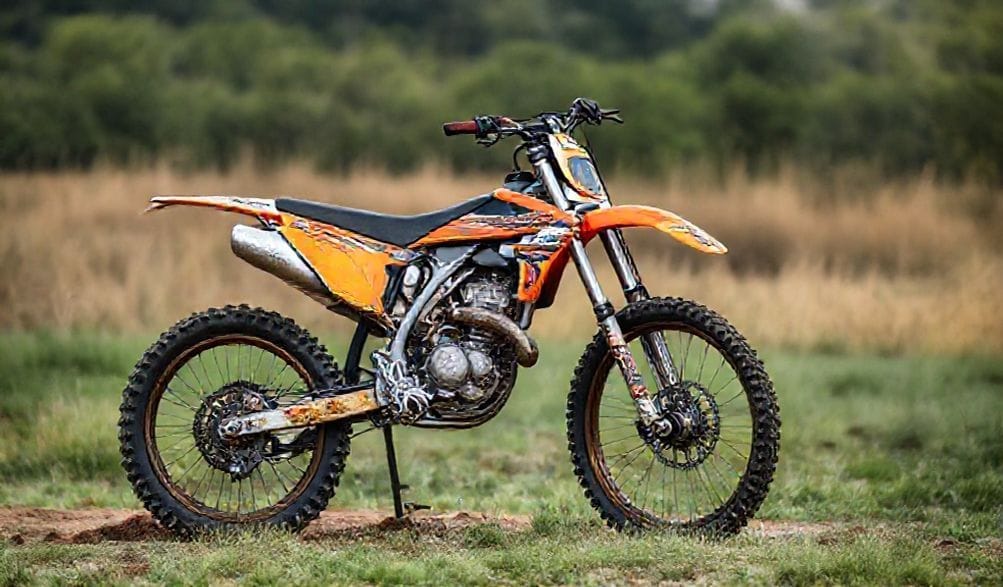
Dirt Bike vs. Bicycle: A Complete Guide to Off-Road Riding Machines
You see two riders tackling a rugged hill. One is standing on the pegs, the engine roaring as it claws its way up. The other is out of the saddle, muscles straining, quietly pedaling for the summit. To a newcomer, they might both just be “off-road bikes.” This common point of confusion—”Is a METADATA_END— just a motorized bicycle?”—is where many new riders and parents start. While they share a common lineage and basic two-wheeled concept, a modern dirt bike and a mountain bicycle are as fundamentally different as a sports car and a touring bicycle. One is a purpose-built motorized vehicle; the other is the pinnacle of human-powered efficiency. This guide exists to cut through the confusion, providing a clear, expert-driven comparison to help you make safe, informed decisions, whether you’re purchasing your first machine, ensuring a child’s safety, or simply clarifying a hobby.
We’ll address the core needs behind the search: understanding the real-world differences in mechanics, use, legality, and cost. This isn’t just about specs; it’s about matching the right machine to your adventure goals. We will dissect the critical distinctions between dirt bikes and bicycles, focusing on the core pillars of power, design, terrain, legal requirements, and ongoing commitment, so you can choose the path that’s right for you.
Core Distinction: Powered vs. Pedal-Powered
The most fundamental and obvious difference is the source of propulsion. This single distinction cascades into every other aspect of the machines, from their construction to where and how you can use them.
The Engine: Heart of the Dirt Bike
The dirt bike’s engine is its defining feature. This complex mechanical system replaces human legs with controlled explosions.
- Types & Power: Engines are primarily 2-stroke or 4-stroke, each with a unique character. 2-strokes are lighter, simpler, and deliver a sudden, explosive “hit” of power. 4-strokes are heavier, more complex, but offer a smoother, more tractable power delivery, often preferred for trail riding. Power is measured in displacement (cubic centimeters or cc), generally ranging from 50cc for youth models to 500cc+ for expert-level adult bikes.
- Control Systems: Power is managed via a throttle (your right hand) and delivered through a multi-speed transmission and a manual clutch (your left hand). Learning to coordinate the clutch and throttle is the first major skill hurdle in dirt biking. This system allows for immense torque at the rear wheel, enabling hill climbs and acceleration that human power cannot match.
- Maintenance & Inputs: This power comes with demands. Dirt bikes require fuel (mixed with oil for 2-strokes), regular engine oil changes, air filter cleaning, and spark plug replacements. They are mechanical entities that need consistent care and a basic understanding of internal combustion.
Human Power: The Efficiency of the Bicycle
The mountain bicycle’s “engine” is you. Its design is a masterpiece of biomechanical efficiency, translating your energy into motion.
- The Drivetrain: Power starts at the pedals, travels through a crank, is transferred by a チェーン, and managed by a system of gears and derailleurs. Modern mountain bikes have sophisticated 1x (one-by) drivetrains with wide-range cassettes, offering both easy climbing gears and fast descending gears, all controlled by shifters at your fingertips.
- The Experience: The output is silent, connecting you intimately with your surroundings. The physical effort provides significant cardiovascular and muscular fitness benefits. The mechanical complexity, while advanced, is largely external and more accessible for the home mechanic. There are no fluids to change or combustible fuels to manage—your stamina is the primary fuel.
Design and Construction: Built for Different Demands
The power source dictates the structure. A machine built to handle 40+ horsepower and land from 10-foot jumps has different requirements than one built to be lightweight and pedaled efficiently.
Dirt Bike Frame and Suspension: Built for Impact
A dirt bike is a motorized vehicle frame first. It’s built to handle the vibrations of an engine and the massive impacts of off-road riding.
- フレーム: Constructed from high-strength steel or aluminum, the frame must house the engine as a stressed member. This makes it inherently heavier (a 250cc dirt bike can weigh ~220 lbs).
- サスペンション: This is the star of the show. Long-travel suspension—both in the front forks and the rear shock—is designed to absorb the massive hits from whoops, rocks, and high-speed jumps. Travel is measured in inches (often 10-12″+) and is fully adjustable for compression and rebound damping. The goal is to keep the wheels on the ground and the ride manageable for the rider.
Bicycle Frame and Suspension: A Range of Options
A mountain bike frame is optimized for 軽量剛性とペダリング効率, 、トラクションとコントロールを維持するように設計されたサスペンションを備える。.
- フレーム&材料: 効率的なペダリングを実現するため、フレームには 軽量材料 アルミニウム、カーボンファイバー、クロモリ鋼などが使用される。重量は重要な要素である(高品質なMTBの重量は25〜35ポンド)。設計は効率を追求した ハードテール (フロントサスペンションのみ)から、より険しいトレイルでの快適性と制御性を高めた フルサスペンション バイク(リアトラベル付き)まで多様である。.
- サスペンション哲学: MTBのサスペンション・トラベル(通常100〜170mm、または4〜7インチ)は、 トレイルの衝撃を吸収し、トラクションを維持し、コントロールを提供する ために設計されている。現代のダウンヒルバイクは大きなジャンプをこなせるが、モトクロスにおける継続的で高エネルギーの衝撃に対処するようには一般的に設計されていない。.
地形とライディング体験:それぞれの得意領域
マシンの選択は、異なる世界への扉を開き、まったく異なる感覚的・身体的体験をもたらす。.
ダートバイクの地形:極限の景観の征服
ダートバイクの領域は、 極限的で広大、かつ動力を必要とする専用地形.
- である。 具体的には、 構造化されたジャンプとコーナーを備えたモトクロストラック、 広大な砂漠、, 急峻なヒルクライム、, そして指定された, オフハイウェイビークル(OHV)トレイルシステム などが含まれる。そのパワーにより、広大な距離を素早く移動し、運動量とトルクで障害物に立ち向かうことができる。. それは、.
- The Experience: 生のパワー、アドレナリン、環境の変革 ーリアホイールを空転させてコーナーを「ルーティング」する感覚ーについてである。身体的負荷は、強力で重いマシンの制御 から生じる:荒れた区間でマシンと格闘し、体全体を使って操舵し、Gフォースを吸収する。エンジンの音と匂いは、この体験に不可欠である。マウンテンバイキングの地形:テクニカルトレイルと自然との一体感.
マウンテンバイクは、
テクニカルで人間規模の、多くの場合非動力のトレイル で真価を発揮する。.
- である。 これは、 シングルトラックー森の中の狭く曲がりくねったトレイル、, リフトでダウンヒルコースを楽しめるバイクパーク、 クロスカントリーネットワーク の世界である。アクセスは、自宅のドアから、または近隣のトレイルヘッドまで短時間のドライブで可能なことが多い。. それは、.
- The Experience: より静かで、没入感のある自然とのつながり である。課題は、. テクニカルスキルと体力 にある:ロックガーデンを通る最適なライン選択、スピードを得るための地形のポンピング、ミスをスロットルで挽回できないため運動量とバランスへの依存。身体的負荷は、全身の持久力 である;あなた自身がエンジンとなる。報酬は、完璧なトレイルで得られる「フロー状態」である。; 法的、安全、コストに関する考慮事項.
ここで「車両」と「自転車」の区別が現実的な結果をもたらす。これらの違いを無視すると、法的トラブル、重傷、または経済的負担につながる可能性がある。
免許、登録、および走行場所.
これは、極めて重要で交渉の余地のない区別である。
ダートバイク(自動車):.
- それは、 玩具ではない 。公有地では、ほとんどの州で、. オフロード車両登録 と見える位置へのステッカー貼付が要求される。走行区域は、 指定されたOHV公園、トラック、または私有地 に制限される。公道走行可能な「デュアルスポーツ」の場合、. オートバイ免許/認証 、登録、および保険が義務付けられる。ヘルメットなどの装備は, registration, and insurance are mandatory. Equipment like a スパークアレスター マフラー内蔵のものは、山火事を防止するため、公有地での使用が法律で義務付けられている場合が多い。.
- マウンテンバイク(自転車): これには、 免許、登録、保険は不要. です。アクセス可能な範囲は非常に広く: 地元のシングルトラック・トレイル、多目的歩行路、国立公園(指定ルート上)、さらには都市部. まで及びます。このアクセスの容易さが最大の利点の一つです。.
安全装備:必須の保護具
装備は、関与する力の大きさを反映しています。. 標準的な自転車用ヘルメットは、動力付き車両の乗車には全く不十分です。.
- ダートバイク装備: 高速での転倒を想定した設計。. フルフェイスヘルメット (バイザーと顎当て付き)、, モトクロス専用ブーツ (足首保護と衝撃吸収)、, ゴーグル、膝・脛当て、チェストプロテクター/ロストガード、グローブ、耐久性のあるパンツ/ジャージ. 。本格的なライダーはネックブレースやパッド入りアンダースーツも常用します。.
- マウンテンバイク装備: 低速での衝撃や擦り傷を想定した設計。 MTBヘルメット (ロード用ヘルメットより後頭部カバーが多い)、, 膝及び肘パッド、, グローブ、, 保護メガネ。ダウンヒルライディングでは、 フルフェイスヘルメットとボディアーマーが モトクロス装備に類似します。.
コスト分析:購入費と維持費
初期購入後の経済的負担は大きく異なります。.
- 初期投資: エントリーモデルの ダートバイク は、新品110cc-125ccモデルで約$4,000+から、大人用バイクは容易に$8,000-$10,000に達します。品質の良い新品 ハードテイルマウンテンバイク は約$800-$1,500から、フルサスペンションモデルは$2,500+からです。.
- ランニングコスト:
- ダートバイク: 燃料、2ストロークオイル (該当する場合)、, エンジンオイル/オイルフィルター、, より頻繁な タイヤ交換、, エアフィルター、, スパークプラグ. 。大掛かりなエンジン修理の可能性あり。. 保険 (オフロード専用でも)の加入を強く推奨。輸送にはトラックまたはトレーラーが必要。.
- マウンテンバイク: チェーンオイル、時折の新しいチェーン/カセット交換、タイヤ (ダートバイクタイヤより長持ち)、, ブレーキパッド. 。メンテナンスはDIYがより容易。輸送はシンプルなバイクラックで簡単。主な「燃料」コストはあなたの食事です。.
あなたに合うものを選ぶ:重要な決定要因
では、どちらの道があなたのものか?以下の質問を自問してください。.
目標の評価:スリル、フィットネス、それとも探検?
- ダートバイクを選ぶ場合: あなたが 動力的パワーとアドレナリン, を求め、 広大なオフロードエリア を素早く移動したい、 エンジンのメンテナンスという機械的側面 を楽しめ、 合法的なライディングエリア.
- へのアクセスがある場合。マウンテンバイクを選ぶ場合: Your goals include fitness, mastering technical trail skills, quiet exploration of natural spaces, easy local trail access, and a more minimalistic, self-powered adventure.
Age and Skill Level Considerations
- For Youth: Both have excellent youth progression models (e.g., 50cc dirt bikes, 20″/24″ mountain bikes). Crucially, a dirt bike is a motor vehicle requiring immense maturity, constant adult supervision, and formal training. Start with a bicycle to develop fundamental balance and coordination.
- For Adult Beginners: In dirt biking, start with a low-power 4-stroke trail bike (e.g., 230cc) and take an MSF Dirt Bike School course. In mountain biking, start with a modern hardtail and take a skills clinic from an IMBA-certified instructor or local shop. Community is key—join local riding groups.
FAQセクション
Q: Can you put a motor on a bicycle to make a dirt bike?
A: No. While “motorized bicycle” kits exist, they create a dangerous hybrid. A bicycle frame, brakes, and components are not engineered to handle the stresses, speeds, and weights of a motor. It results in a machine with significant safety, reliability, and legal limitations, falling into a grey area that is neither a safe bicycle nor a capable dirt bike.
Q: Is a dirt bike or a mountain bike harder to learn?
A: They present different core challenges. Dirt biking has a steeper initial curve: mastering the manual clutch and throttle coordination while managing a heavier machine. Mountain biking has a lower entry barrier (everyone can pedal) but a very deep skill curve in technical trail riding, balance, and fitness. Both demand respect and proper learning.
Q: Which is more dangerous, dirt biking or mountain biking?
A: Both carry inherent risks of falls and injury. Statistically, dirt biking involves higher speeds and greater kinetic energy, leading to a higher potential for serious injury in a crash—hence the more robust safety gear. However, risk in both sports is massively reduced by proper protective gear, professional instruction, progressive skill building, and riding within your limits.
Q: Can I ride a dirt bike on mountain bike trails?
A: Almost always no. The vast majority of singletrack trails are explicitly designated as non-motorized. Riding a dirt bike on them is illegal, causes significant environmental damage (erosion), poses a severe safety risk to hikers and cyclists, and jeopardizes trail access for everyone. Always respect trail designations and use legal OHV areas.
結論
The divide is clear. A dirt bike is a motorized vehicle, a tool for power, adrenaline, and conquering extreme motor-specific terrain. A mountain bike is a human-powered machine, a tool for fitness, technical skill, quiet connection with nature, and unparalleled trail access. One is not better than the other; they are different instruments for different symphonies of adventure.
Your choice must align with your goals, respect legal and environmental boundaries, and be undertaken with a commitment to safety. Whichever path you choose, start smart: visit reputable dealerships or bike shops, invest in professional training (MSF courses for dirt bikes, IMBA clinics for MTB), and gear up properly from day one. Connect with your local riding community—they are your best resource for finding trails, learning etiquette, and sharing the stoke.
So, what calls to you? The roar of controlled power or the rhythm of your own breath on a quiet trail? Define your adventure, and choose the machine that will take you there safely and responsibly.
METADATA_START—
DISPLAY_TITLE: Dirt Bike vs. Bicycle: Your Guide to Choosing an Off-Road Machine
SEO_TITLE: Dirt Bike vs. Bicycle: Key Differences in Power, Cost & Terrain | 2024 Guide
META_DESC: Confused between a dirt bike and a mountain bike? Our expert guide breaks down the key differences in power, design, terrain, legality, safety, and cost to help you choose the right off-road machine for your adventure.
IMG_PROMPT: A dynamic split-image photograph. On the left, a rider in full motocross gear on a dirt bike mid-jump on a sandy track, sunlight glinting off the helmet visor. On the right, a mountain biker in trail gear carving through a forest singletrack, with dappled sunlight filtering through the trees. The images contrast power vs. tranquility, motor vs. human.
—METADATA_END—