
The Ultimate Guide to Dirt Bikes: Types, Tips, and Trail Adventures
The roar of an engine echoing through a forest, the feeling of floating over a whoop section, the quiet satisfaction of conquering a rocky hill climb—dirt biking is more than a hobby; it’s a thrilling adventure that combines skill, machinery, and the raw beauty of the outdoors. Whether you’re a complete beginner searching for your first bike or a seasoned rider looking to master new terrain, the world of off-road motorcycling is vast and exciting. Yet, it can also be intimidating. With so many types of ダートバイク, gear options, and technical jargon, where do you even begin?
This comprehensive guide is designed to be your trusted resource. We’ll cut through the confusion, leveraging expert insights and real-world experience to help you understand different dirt bike types, essential riding techniques, crucial safety gear, and how to choose the perfect machine for your goals. Let’s kickstart your journey into the dirt.
Understanding Dirt Bikes: More Than Just a Motorcycle
Before diving into models and modifications, it’s crucial to grasp what sets a dirt bike apart from its street-legal cousins.
What is a Dirt Bike? Defining the Off-Road Machine
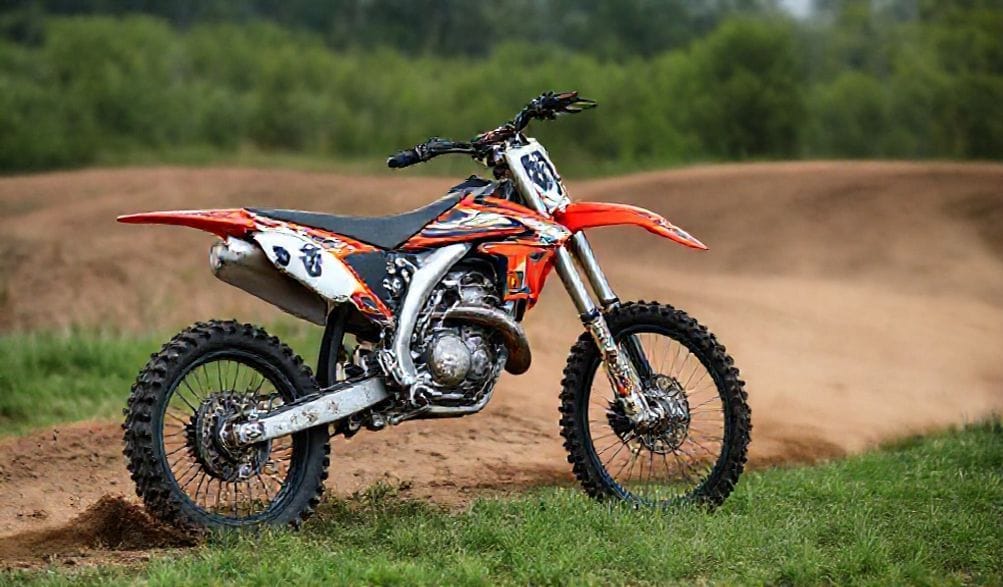
At its core, a dirt bike is a lightweight motorcycle engineered specifically for off-pavement use. It’s a purpose-built tool for navigating the unpredictable. Key features distinguish it from a street bike:
* High Ground Clearance: The space between the lowest part of the bike (usually the frame or skid plate) and the ground is substantial. This prevents rocks, logs, and ruts from stopping you in your tracks.
* Long-Travel Suspension: The forks and shock absorber are designed to absorb massive impacts from jumps, roots, and bumps, keeping the wheels in contact with the ground for control.
* Knobby Tires: These aggressive, block-patterned tires are made of soft rubber compounds that dig into loose dirt, mud, sand, and gravel to provide traction where street tires would fail.
* Simplified Bodywork: You won’t find fairings, large mirrors, or complex lighting systems (on pure off-road models). The design is lean, tough, and easy to repair after a tip-over.
A Brief History of Dirt Biking Evolution
The dirt bike’s origins are humble, born from post-war enthusiasts modifying surplus street motorcycles like the British Triumph and BSA for rough terrain. The sport truly began to crystallize in the 1960s with the rise of モトクロス in Europe and the introduction of purpose-built Japanese machines like the Honda Elsinore. This era shifted the focus from heavy, modified bikes to lightweight, high-revving two-strokes designed exclusively for racing.
The 1970s and 80s saw the explosion of enduro and trail riding, leading to more versatile bikes with lights and wider gear ratios. The late 90s brought the “four-stroke revolution,” led by Yamaha’s YZ400F, which changed the power and maintenance landscape of motocross forever. Today, technology like fuel injection, electric start, and advanced suspension components have made dirt bikes more powerful, reliable, and accessible than ever, shaping the modern performance and safety we enjoy on the trail and track.
Types of Dirt Bikes: Choosing Your Off-Road Discipline
Not all dirt bikes are created equal. Your choice should be dictated by where and how you plan to ride. Picking the right tool for the job is the first step to enjoyment and progression.
Motocross Bikes (MX): Built for the Track
- Purpose: Pure, unadulterated closed-course racing. These bikes are designed for manicured tracks featuring big jumps, banked turns (berms), and rhythm sections.
- Characteristics: They deliver explosive power, have very stiff suspension to handle high-speed landings, and are incredibly lightweight. They lack lights, a kickstand, a quiet muffler, or any street-legal equipment—every ounce is shed for performance.
- 理想的な購入者: The competitive rider who lives for lap times, airtime, and the adrenaline of the starting gate. They are demanding to ride and not suited for casual trail use.
Enduro/Cross-Country Bikes: The All-Rounders
- Purpose: Long-distance off-road trails, hare scrambles, and hard enduro events. They are built to endure hours of varied, often technical terrain.
- Characteristics: Softer, more plush suspension that soaks up roots and rocks, a headlight and tail light for visibility, a wider-ratio transmission for both slow crawling and faster sections, and added durability features like a skid plate and handguards. The power delivery is more manageable and linear than an MX bike.
- 理想的な購入者: The serious trail rider who tackles challenging single-track, hill climbs, and rocky paths. They bridge the gap between motocross intensity and trail-bike friendliness.
Trail Bikes: Perfect for Beginners and Recreation
- Purpose: Casual trail riding, learning, and family fun. The priority is user-friendliness and low-stress operation.
- Characteristics: They feature manageable, tractable power (often with a mild engine tune), very plush suspension for comfort, electric start, and a forgiving chassis. Models like the Honda CRF250F or Yamaha TT-R230 are classics in this category.
- 理想的な購入者: New riders of all ages, families, and anyone who wants to explore without the intensity or maintenance demands of a race bike. This is where most journeys should begin.
Dual-Sport/Adventure Bikes: From Dirt to Street
- Purpose: Legally connecting trails via public roads. They are true street-legal motorcycles that are capable off-road.
- Characteristics: They come equipped with all DOT-required lighting, signals, mirrors, and a license plate. They are heavier, have more comfortable seating for distance, and feature engines tuned for a broader power range. They range from lightweight 250cc models to large 800cc+ adventure tourers.
- 理想的な購入者: The rider who needs to travel on highways or backroads to access trail networks, or who enjoys a mix of pavement and dirt exploration on a single outing.
How to Choose the Right Dirt Bike for You
With the categories clear, it’s time for some honest self-assessment. The right bike will build your confidence; the wrong one can stall your progress or, worse, lead to a scary experience.
Assessing Your Skill Level: Honesty is Key
- First-Timer: You have little to no motorcycle experience. Your primary goal is learning basic controls—clutch, throttle, braking—in a safe environment. A full-size adult beginner should look at trail bikes in the 125cc-250cc range (four-stroke).
- Intermediate: You’re comfortable on a bike, can navigate basic trails, and understand fundamental techniques. You might be ready for a more capable enduro bike or a full-size 250cc motocross bike if track riding is your aim.
- Advanced: You have years of experience, tackle technical terrain with speed, and understand advanced bike setup. You’ll be looking at high-performance 250cc or 450cc MX or enduro models.
黄金律: It’s far better to start on a bike you can control and grow out of than one that intimidates and controls you. A bike that’s too powerful is dangerous and discouraging.
Engine Size and Displacement: CCs Explained
Engine size (measured in cubic centimeters, or cc) is a general indicator of power, but not the whole story.
* 50cc-125cc: The realm of youth bikes and smaller adult beginner bikes. Perfect for learning.
* 典型的な「ミドルウェイト」クラス。2ストローク(250)と4ストローク(250F)のバリエーションがある。多くの技能レベルに対応できる汎用サイズ。 The sweet spot for most full-size riders. A modern 250cc four-stroke offers ample power for trails and is competitive on the track for non-pros.
* 450cc & Above: Expert-level power. These bikes produce massive torque and horsepower, demanding respect and refined skill to manage.
Two-Stroke vs. Four-Stroke: This is a major fork in the road.
* Two-Stroke: Lighter, simpler engine with a “hit” of power in the higher RPMs (powerband). Requires mixing oil with fuel. Generally less expensive to rebuild but requires more frequent top-end maintenance. Known for their snappy, lively character.
* Four-Stroke: Heavier, more complex engine with smooth, linear power from low to high RPM. Has a separate oil system. More expensive to repair if a major failure occurs, but maintenance intervals for oil changes are regular. The dominant choice for most riders today due to their tractable power.
Considering Your Height and Weight: The Fit Factor
A bike that doesn’t fit is exhausting and hard to control.
* Seat Height: This is the biggest factor. You should be able to touch the ground with at least the balls of both feet when sitting. Inseam length is more important than overall height.
* Suspension Adjustability: Most bikes allow for preload adjustment (sag) to set the bike’s ride height for your weight. A proper sag setting (usually 100-110mm of rear suspension sag) is critical for handling and safety.
* The Sit Test: When you sit on a bike, your arms should be slightly bent when holding the handlebars, and you should be able to comfortably reach all controls (clutch, brake levers, shifter) without stretching.
New vs. Used Dirt Bikes: A Practical Comparison
- 新品バイクの利点: Warranty, latest technology, known history, dealer support. 短所: Significant depreciation the moment it leaves the showroom, higher upfront cost.
- 中古バイクの利点: Much lower entry cost, depreciation hit already taken. 短所: Unknown maintenance history, potential for hidden wear or damage.
Inspecting a Used Dirt Bike: If you go used, be thorough. Check for:
1. Frame Cracks: Especially around the steering head and swingarm pivot.
2. サスペンション: Do the forks and shock leak oil? Do they feel smooth through their travel?
3. エンジン: Check for excessive smoke from the exhaust (blue smoke = burning oil). Feel for unusual vibrations or knocking sounds. A compression test is ideal.
4. General Wear: Look at sprocket teeth (should be sharp, not hooked), chain condition, and overall cleanliness. A clean bike often indicates an owner who cared for it.
Essential Dirt Bike Gear: Safety is Non-Negotiable
Your gear is your armor. In a sport where falls are a matter of “when,” not “if,” compromising on protection is never an option.
ヘルメット:最も重要な投資
This is non-negotiable. Never ride without a dirt bike-specific helmet (full-face with a chin bar and visor).
* Safety Standards: Look for certifications. DOT is a US federal minimum. SNELL is a stricter, voluntary racing standard. ECE is the rigorous European standard, widely respected globally. Many high-end helmets now meet both SNELL and ECE.
* Fit & Tech: The helmet should be snug but not painful. Cheek pads should press lightly. Technologies like MIPS (Multi-directional Impact Protection System) are proven to reduce rotational forces on the brain in certain impacts and are a worthwhile investment.
Protective Apparel: Boots, Goggles, Chest Protectors & More
Each piece serves a critical function:
* ブーツ: Dirt bike boots are rigid, high-top boots with steel shanks, ankle support, and reinforced soles. They prevent hyperextension, protect from impacts, and allow you to grip the bike. Do not use work boots or hiking boots.
* 装着しなければなりません。 They protect your eyes from roost (rocks and dirt kicked up by other bikes), branches, and insects. A good dual-pane lens prevents fogging. Always carry a spare tear-off or roll-off system.
* Chest Protector/Roost Deflector: Shields your torso, shoulders, and back from impacts with the ground and debris from other riders.
* ジャージ&パンツ: Made of durable, breathable material. Pants are designed to work with knee guards and boots.
* グローブ: グローブ:グリップを向上させ、手の水ぶくれや擦り傷から保護します。.
* Knee/Elbow Guards or Braces: Simple guards protect from impacts. Knee braces are more complex and are designed to help prevent ligament injuries (like ACL tears) common in our sport.
Why “Gear Up Every Time” Isn’t Just a Slogan
A simple tip-over at low speed on a rocky trail can result in a nasty gash or broken bone without proper gear. The statistics are clear: wearing full protective gear dramatically reduces the severity of injuries. It’s not about looking like a pro; it’s about walking away from a crash, dusting yourself off, and continuing your ride. Adopting the mindset of a responsible rider means making safety an automatic, non-negotiable part of the pre-ride ritual.
Basic Dirt Bike Maintenance You Can Do Yourself
A well-maintained bike is a safe, reliable, and high-performing bike. Learning these basics builds confidence and saves money.
ライド前・ライド後点検リスト
- ライド前点検 (T-CLOCS): A standard motorcycle safety inspection.
- Tires & Wheels: Pressure, tread, cracks, spoke tension.
- Controls: Levers, throttle, cables—free movement, no binding.
- Lights & Electrics (if equipped): Headlight, taillight, brake light, kill switch.
- Oil & Fluids: Levels and leaks (engine oil, coolant, brake fluid).
- Chassis: Frame, suspension, chain/belt, fasteners.
- Stands: Center stand or kickstand.
- ライド後点検: Clean your bike! Mud holds moisture that causes corrosion. Lubricate the chain while it’s warm, check for any new loose bolts or damage.
Routine Maintenance Tasks
- エアフィルター: This is your engine’s lung. A dirty filter robs power and can cause engine damage. Clean it with filter cleaner and re-oil it every 1-2 rides, depending on dust. Never run the bike without a properly oiled filter installed.
- エンジンオイル&オイルフィルター: The lifeblood of a four-stroke. Change it frequently (every 5-10 engine hours). Change the filter as recommended in your manual. For two-strokes, maintain the correct fuel/oil premix ratio.
- タイヤ空気圧: Adjust for terrain. Lower pressure (10-12 PSI) increases traction in sand or mud. Higher pressure (13-15 PSI) helps prevent pinch flats in rocky terrain.
- Suspension Sag: レースサグの設定方法を学びましょう。この調整一つで、バイクのハンドリング、コーナリング、段差吸収性能が大きく変わります。.
初心者向け:初めてのライディングとライディングのコツ
バイクとギアは揃いました。さて、どこに行って、何をすればいいのでしょうか?
合法的にライディングできる場所を見つける
土地へのアクセス権を尊重することは、このスポーツの将来にとって最も重要です。.
* 公有地: 土地管理局(BLM)の 管轄区域や 国有林 には、多くの場合、指定されたオフハイウェイビークル(OHV)トレイルがあります。必ず特定の地域の地図、許可証、規則を確認してください。.
* 州立OHV公園: 多くの州では、あらゆる技能レベルのライダー向けのトレイルを備えた専用ライディングエリアを運営しています。.
* 私有モトクロストラック: 練習日を設けている地元のトラックを探しましょう。利用料を支払い、その規則に従ってください。.
* 私有地: 土地所有者から明示的な許可を得た場合にのみライディングしてください。.
初心者のための基本的なライディングテクニック
- アタックポジション: 基本のライディングポジション。フットペグの上に立ち、膝を曲げ、肘を上げて外側に張り出し、頭はハンドルバーのクロスバーの真上に位置させます。これにより体重が集中し、重心が低くなり、バイクがあなたの下で動くことができます。.
- 基本操作: 練習しましょう。 クラッチ操作— 特に低速時には、摩擦領域を使って後輪への動力を制御します。 ブレーキバランス; を学びましょう。前後ブレーキを両方使用しますが、制動力の約70%は前ブレーキが担います。握りしめるのではなく、絞るようにかけます。.
- シンプルに始める: 平坦で開けた場所を見つけましょう。障害物のない状態で、発進、停止、旋回、シフトチェンジを練習します。丘や技術的なトレイルに挑戦する前に、基本をマスターしてください。.
ライディングコースまたはメンターの価値
これは、ギアを購入した後でできる最高の投資です。 モーターサイクル安全協会(MSF) などの組織では、ダートバイク専用のコースを提供しています。プロのインストラクターが初日から正しい技術を教えるため、悪い癖がつくのを防ぎ、技能習得と安全意識を劇的に加速させます。公式なコースがない場合は、地元のクラブやコミュニティで経験豊富で忍耐強いライダーを探し、基本を教わってください。.
ダートバイクに関するよくある質問(FAQ)
Q: 最高のダートバイクブランドは?
A: 唯一の「最高」ブランドはありません。ホンダ、ヤマハ、カワサキ、KTM、ハスクバーナなどの主要メーカーは、それぞれ異なる目的に応じた優れたバイクを生産しています。ホンダとヤマハは信頼性で定評があり、KTMとハスクバーナはしばしば性能の限界を押し広げます。あなたにとって最高のブランドは、予算、ライディングスタイル、地元ディーラーのサポートによって異なります。.
Q: ダートバイクの価格はいくらですか?
A: 価格は大きく異なります。新しい入門者向け成人用トレイルバイクは約4,000〜6,000ドルから始まり、高性能モトクロスまたはエンデューロモデルは10,000ドルを超えることもあります。中古バイクはより手頃な価格帯で、年式、ブランド、状態にもよりますが、通常1,500ドルから5,000ドルの範囲です。.
Q: ダートバイクを運転するには免許が必要ですか?
A: Q: ダートバイクに乗るには免許が必要ですか?. 私有地や指定されたクローズドコーストラックでは、通常、オートバイ免許は必要ありません。ただし、公有地(国有林など)や道路(デュアルスポーツの場合)で乗るには、通常、有効な運転免許証が必要で、バイクは登録とナンバープレートが必要になる場合があります。必ずお住まいの州および地域の具体的な規制を確認してください。.
Q: ダートバイクのメンテナンスはどのくらいの頻度で必要ですか?
A: Q: メンテナンスはどのくらいの頻度で必要ですか?.
ダートバイクは過酷な使用環境のため、頻繁なメンテナンスが必要です。主なメンテナンス間隔:エアフィルター(1〜2回のライディングごとに清掃)、エンジンオイル(4ストロークの場合、5〜10エンジン時間ごとに交換)、オイルフィルター。2ストロークのトップエンド(シリンダー、ピストン)は50〜100時間ごとにオーバーホールが必要な場合があります。特定のモデルのメンテナンススケジュールについては、必ず取扱説明書を参照してください。
A: Q: ダートバイクを公道走行可能にできますか?