
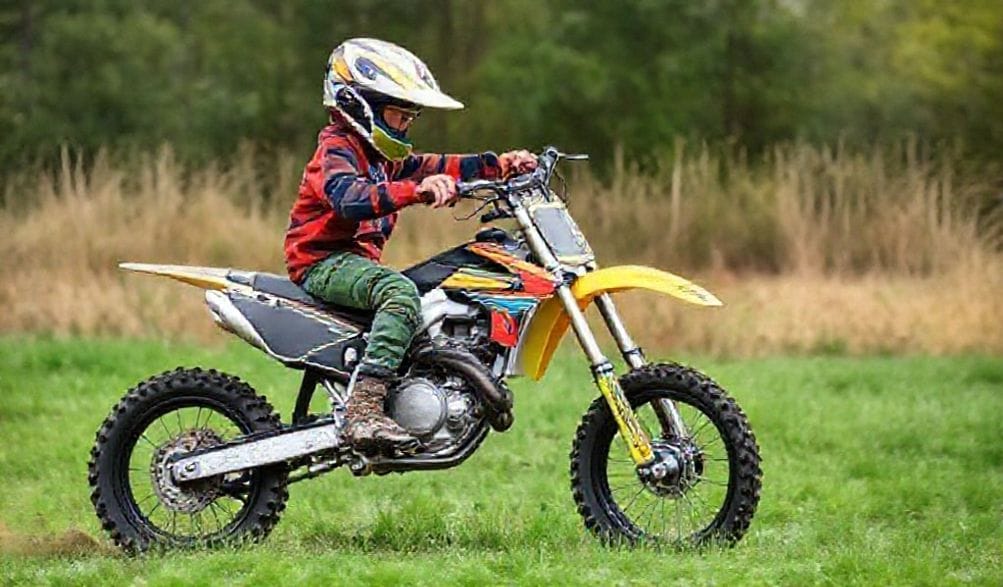
The Ultimate Parent’s Guide to Dirt Bikes for 6-Year-Olds (Safety, Selection & Getting Started)
That moment when your child’s eyes light up at the sound of a dirt bike, mirroring your own passion for riding, is pure magic. It sparks dreams of weekend adventures, shared trails, and passing on a love for motorsports. But for a parent, that excitement is almost instantly followed by a wave of questions and concerns. Is my child ready? How do I keep them safe? What on earth is the right bike? If you’re navigating these feelings, you’re in the right place.
This guide is designed to be your comprehensive, safety-first handbook for introducing your 6-year-old to the world of dirt bikes. We’ve distilled expert advice from seasoned riding instructors, manufacturer specifications, and hard-won wisdom from parents who’ve been in your shoes. Our goal is simple: to replace your anxiety with knowledge, empowering you to make a confident, informed decision that prioritizes your child’s safety and enjoyment. We’ll walk you through assessing readiness, decoding critical safety features, comparing electric and gas-powered options, and laying the groundwork for a positive first riding experience. Let’s get started on this journey the right way.
Is Your 6-Year-Old Ready for a Dirt Bike? Assessing Physical & Mental Readiness
Before you even look at a bike, the most important assessment happens at home. Readiness isn’t just about age; it’s a combination of physical capability and mental maturity.
Physical Requirements: Size, Strength, and Coordination
A dirt bike is not a toy; it’s a vehicle that requires specific physical skills. The most critical rule is the “flat-foot rule.” When sitting on the bike, your child should be able to place the balls of both feet flat on the ground comfortably. This is non-negotiable for a beginner, as it provides essential stability for stopping, balancing, and preventing tip-overs. For most 6-year-olds, this translates to a bike with a seat height between 19 and 22 inches.
Beyond height, consider:
* スロットルコントロール: Can they operate a twist-grip throttle with control, not just a jerky, all-or-nothing motion? Their hand should be large and strong enough to manage it.
* Brake Lever Reach: They must be able to pull the brake levers (especially the front brake, which requires more effort) with at least two fingers while maintaining a grip on the handlebars.
* Core & Leg Strength: They need enough strength to hold the bike upright at a stop and to use their legs to grip the bike while riding.
* General Coordination: Basic balance, the ability to look ahead while managing controls, and solid motor skills are foundational.
Maturity and Mindset: Following Instructions and Risk Awareness
This is often the deciding factor. A physically capable child who won’t listen is at extreme risk.
* Rule Adherence: Can your child listen to and follow specific safety instructions, even when excited? “Always wear your helmet,” “Stop when I say stop,” and “Stay within this boundary” are commands that must be obeyed instantly.
* Focus and Respect: Riding requires constant attention to the terrain, the bike, and instructions. They need to understand that the bike is powerful and must be respected.
* Risk Awareness & Cause/Effect: A basic understanding that actions have consequences—like twisting the throttle hard makes the bike lunge, or not braking in time leads to a crash—is crucial. They should demonstrate a cautious, not reckless, approach to new physical challenges.
Critical Safety Features for a First Dirt Bike
Once you’ve established readiness, the bike itself becomes your primary tool for safety. These features are not optional extras for a beginner.
Engine Type & Size: Why CCs and Power Limiters Matter
For 6-year-old beginners, less power is unequivocally more.
* Engine Size (CCs): The sweet spot is a 50cc engine. Some larger or more experienced 6-year-olds may handle a 110cc, but only if it has a throttle limiter. Never start a true beginner on anything larger. Cubic Centimeters (cc) refers to engine displacement; more cc generally means more power and speed.
* Power Limiters: This is your best friend. Look for bikes with a screw-type throttle limiter or adjustable power modes (common on electric bikes). This allows you to restrict top speed to a safe crawl (e.g., 5-10 mph) for initial practice, gradually opening it up as skill develops.
* Electric vs. Gas: We’ll dive deeper later, but note that electric motors deliver instant, silent torque. A limiter or speed controller is just as vital on an e-bike.
Essential Bike Components: Brakes, Tires, and Suspension
- Transmission: An automatic clutch (or no clutch, like on many electric bikes) is ideal. It lets the child focus on balance, throttle, and braking without the complexity of shifting. Manual clutches come later.
- ブレーキ: Functional front and rear brakes are mandatory. Disc brakes typically offer better, more consistent stopping power than drum brakes, especially in wet or muddy conditions.
- タイヤ: Proper knobby, off-road tires provide the necessary grip on dirt, grass, and gravel. Street-style tires are dangerous for off-road use.
- サスペンション: At minimum, the bike should have front forks and a rear shock. This absorbs impacts from small bumps, keeping the bike stable and saving your child’s spine. Adjustable suspension is a bonus for fine-tuning the ride as they grow.
The Non-Negotiables: Safety Gear Head-to-Toe
The bike is one part of the equation; your child’s personal protective equipment (PPE) is the other. Gear is not where you cut corners or buy used (except maybe jerseys).
1. ヘルメット: Must be 5分間の私道での周回でも、長めのトレイル走行でも、 at a minimum; SNELL または ECE certification is better. It must fit snugly without pressure points. A motocross-style helmet is designed for this sport.
2. 装着しなければなりません。 Protect eyes from roost, dirt, and branches. Get a pair with a tear-off system and good ventilation to prevent fogging.
3. ブーツ: Motocross-specific boots are critical. They protect ankles from twists and breaks, provide support, and have grip for the footpegs. High-top sneakers are utterly insufficient.
4. グローブ: Improve grip, protect hands from blisters, and offer abrasion resistance in a fall.
5. Chest Protector: Shields the torso, ribs, and back from impacts and handlebar jabs.
6. ニー/シンガード&エルボーパッド: これらはライディングパンツやジャージーに組み込まれていることが多い。初心者に最も多い擦り傷や衝撃を防ぐ。.
6歳児向けダートバイクの種類:電動 vs ガソリン式
The great debate for modern parents. Each has its place, and the “best” choice depends on your specific situation.
電動ダートバイク:長所、短所、主要検討事項
長所:
* Quiet Operation: 裏庭や郊外で近隣を煩わさずに練習するのに最適。.
* メンテナンスの簡便さ: ガソリン、オイル、エアフィルター、スパークプラグが不要。バッテリーを充電するだけ。.
* 即時かつ制御可能なパワー: 滑らかで直線的なトルクは、一部の初心者にとって扱いやすい。.
* 屋内/狭い場所での練習: ガレージや私道でごく基本的な練習に使用可能。.
短所:
* 限定的な走行時間: バッテリー持続時間は通常30分から2時間で、その後長時間の再充電が必要。トレイルでの終日使用には不向き。.
* Less “Authentic” Feel: エンジン管理、クラッチ操作、ガソリンバイクの機構を教えないため、後からの移行が難しくなる可能性がある。.
* 最高速度と出力: 仕様を注意深く確認する。以下を確認: 電圧(例:24V、36V) や ワット数. 。500W以上の電動バイクは非常にパワフルで、速度リミッターが必要。.
ガソリン式ダートバイク:長所、短所、エンジンの基礎
長所:
* 本格的なライディング体験: 初めからオートバイ操作の基本を教える。.
* 長い走行時間: 満タンのガソリンはほとんどの電動バイクのバッテリーよりはるかに長持ちし、給油も迅速。.
* 技術の向上: 操作系と機構が同じため、技術が向上した際の大型バイクへの移行が容易。.
* 広範なコミュニティとサポート: ホンダやヤマハなどのブランドにおけるアフターマーケットと販売店ネットワークは広大。.
短所:
* 騒音と排気: 騒音が大きく、排気ガスを発生する。換気と周囲への配慮が必要。.
* 定期的なメンテナンス: 定期的なオイル交換、エアフィルター清掃、スパークプラグ点検が必要。.
* 燃料の取り扱い: ガソリンの安全な保管と取り扱いが必要。.
エンジンに関する注意: 初心者には、 4ストロークエンジン 4ストロークエンジンが標準的。ピーキーな2ストロークエンジンと比べ、より寛容で、滑らかで予測可能なパワー、シンプルなメンテナンスルーチンを特徴とする。.
完璧なフィットを選ぶ方法:段階的な選択ガイド
お子様の測定とバイク仕様の読み方
- 股下の計測: お子様に靴下で壁に背を向けて立ってもらう。本を床と平行に股間にしっかりと押し当てる。本の上端から床までの長さを測る。これが股下の長さ。.
- シート高との比較: The bike’s シート高 (仕様に記載)は、 1-3 inches less than your child’s inseam. 。これにより両足べた付けが可能になる。.
- 重量の考慮: The bike’s 湿潤重量 (with fluids) should not be more than 40-50% of your child’s body weight. A bike that’s too heavy is hard to control and dangerous if it falls.
新品 vs 中古:保護者が知っておくべきこと
- 新品バイクの利点: 保証、履歴の明瞭さ、最新の安全機能、販売店サポート。安心料として支払う。.
- 中古バイクチェックリスト: 中古購入の場合は徹底的に確認。以下を点検:
- フレーム&フォークの整合性: ひび割れ、曲がり、溶接箇所がないこと。.
- ブレーキ機能: レバーが固く、パッドに素材が残っていること。.
- サスペンション: オイル漏れなくスムーズに作動すること。.
- エンジン: 容易に始動し、煙や異音なく稼働すること。.
- コントロール類: スロットルは確実に閉位置に戻り、全てのケーブルに異常なし。.
- タイヤ&ホイール: トレッド良好、亀裂なし、ホイールの振れは正常。.
重要なアドバイス: If you’re not mechanically savvy, 詳しい友人に同行してもらうか、整備士を雇って点検を受けましょう。.
信頼性の高いおすすめモデルとブランド
(注:これらは信頼性と初心者への配慮で業界内で評価の高いモデルの例であり、広告宣伝ではありません。)
- ガソリンエンジン:
- ホンダ CRF50F: 業界のゴールドスタンダード。超信頼性の4ストローク、オートマチッククラッチ、スロットルリミッター、低いシート高。.
- ヤマハ PW50: Another legendary starter bike. Simple automatic transmission, oil-injection for easy fueling, and a unique “start switch” throttle restrictor.
- 電動:
- レイザー MX350/MX650: 人気で手頃な入門モデル。軽い使用やバランス感覚を養うのに適しています。.
- オセット バイク: 本格的な電動トライアルバイク。出力と速度が広範囲に調整可能、技能向上に最適な優れた製造品質。.
調査すべき信頼できるブランド: ガソリン:ホンダ、ヤマハ、カワサキ、KTM;電動:オセット、セグウェイ、サー・ロン。.
初乗り:成功のための準備と技能構築
いよいよその日が来ました。成功は準備と忍耐力にかかっています。.
乗車前のバイク準備と安全点検
これを習慣にしましょう。子供向けの T-CLOCS 点検リストを使用します:
* T – Tires & Wheels: 空気圧は適正か? キズや損傷はないか?
* C – コントロール類: レバーやスロットルはスムーズに動き、確実に戻るか?
* L – Lights/Oil & Fluids: (ガソリン)燃料とオイルの量は適正か?(電動)バッテリーは十分充電されているか?
* O – Chain & Drive: チェーンは清潔で潤滑され、張りは適正か?
* C – Chassis & Stands: 緩んでいるボルトはないか? バイクはまっすぐに見えるか?
* S – Stands: キックスタンドは機能するか?(装備されている場合)。.
適切な練習環境を見つける
想像できる最も単調な場所から始めましょう: 広々とした、平坦な、芝生のフィールド で、障害物、交通、気が散るものがない場所が理想です。空き地、農場の安全な一角、またはOHVパークの初心者用エリアが最適です。. 決して 公道、街路、または丘、岩、他のライダーがいる場所での練習は避けましょう。.
基本ドリルとプロの指導
- 初日のドリル: エンジンを止めた状態で、乗り降り、バイクを押して歩く、ブレーキを握る練習。エンジンをかけ(リミッター作動時)、発進、停止、直線でのゆっくりした走行を練習。その後、大きくゆるやかな8の字走行に移行。.
- ゴールデンアドバイス: お子様を公認の初心者ライディングコースに登録しましょう。. プロのインストラクター(モーターサイクル安全協会や地域のモトクロススクールなど)が、正しい技術—ボディポジション、ブレーキング、コーナリング—を初日から管理された環境で教えます。これは、お子様の長期的な安全性と楽しみのための最良の投資です。.
FAQセクション
Q: 6歳児に最適なダートバイクのサイズは?
A: 特定のモデルより、フィット感が重要です。一般的に、6歳児には シート高19-22インチ、排気量50ccのバイク. Always use the “flat-foot rule” as your primary guide.
Q: 初心者には電動ダートバイクの方がガソリンより安全ですか?
A: リスクの種類が異なります。電動バイクは静かで機械的部品が少ないですが、それでも高速が出せ、同等の注意が必要です。ガソリンバイクには燃料や整備の要素が加わります。結局のところ、, 監督、適切な装備、出力リミッター付きのバイクこそが、あらゆるバイクを初心者にとって安全にする要素です。.
Q: 入門用ダートバイクと装備にいくら見積もるべきですか?
A: 主要ブランドの 新品の gas bike, budget $1,200 – $1,800. A quality 新品の electric bike ranges from $400 – $1,500+. 必須の安全装備(ヘルメット、ゴーグル、ブーツ、チェストプロテクター、グローブ、パッド)は、新品の高品質品で追加で500〜1,000米ドル以上が必須です。. 中古バイクはバイク代を半減できますが、装備品で妥協してはいけません。.
強く推奨されます
A: 新型4,070Whバッテリーパックは、高い電力密度とバッテリーサイクル寿命を実現し、さらに低いバッテリー放電温度率を達成。この新設計により信頼性と連続放電能力が向上。業界をリードする200Wh/kgの電力密度により、総重量45ポンド(20.5kg)を実現。 ヘルメット は、頭部外傷から守るため最も重要です。しかし、安全装備は システム. として捉えてください。ブーツは深刻な足首の怪我を防ぎ、チェストプロテクターは重要な臓器を守ります。全ての装備が不可欠です。.
Q: 子供がダートバイクに乗れる合法的な場所はどこですか?
A: お住まいの地域および州の条例を必ず確認してください。. 一般的に、公道、歩道、公園での走行は違法です。合法的な走行は通常、 私有地(明確な許可を得ている場合) または 指定されたオフハイウェイビークル(OHV)エリア、トレイル、モトクロストラックに限定されます。.
結論
Introducing your 6-year-old to dirt biking is a journey that should be defined by smiles, confidence, and safe progression—not fear or frustration. By carefully assessing their readiness, insisting on critical safety features and head-to-toe gear, choosing a bike that fits them perfectly (not one they’ll “grow into”), and starting their education with professional guidance, you lay the strongest possible foundation.
忘れないでください。これは お子様自身の 体験なのです。焦らずに時間をかけましょう。信頼できる販売店を訪れ、お子様に様々なバイクに座らせてみてください。地元のライディングクラブの他の保護者と話をしましょう。そのプロセス自体を、ライディングと同じくらい楽しいものにしましょう。スピードや派手なグラフィックキットよりも、安全性と快適性を優先してください。そうすれば、単にバイクを買うのではなく、トレイルでの生涯にわたる冒険、技術、家族の共有思い出への扉を開くことになるのです。.
次のステップ: Find and enroll in a certified beginner rider course today. It’s the best first gear you can buy.
METADATA_START—
DISPLAY_TITLE: The Ultimate Parent’s Guide to Dirt Bikes for 6-Year-Olds
SEO_TITLE: 6歳児向けダートバイク:2024年 保護者のための安全&購入ガイド
META_DESC: 6歳児向けダートバイクでお困りですか?当社の専門家ガイドでは、安全装備、電動 vs ガソリン、ホンダ CRF50Fなどの人気モデル、安全で楽しいスタートを確実にする方法を解説します。今日、お子様にぴったりの選び方を学びましょう。.
IMG_PROMPT: ヘルメット、ゴーグル、チェストプロテクターを着用した、幸せそうな6歳の子供が、日当たりの良い草原で、小さな黄色いダートバイクに自信を持って座り、横に跪いた保護者が親指を立てて称賛している様子。.
—METADATA_END—