
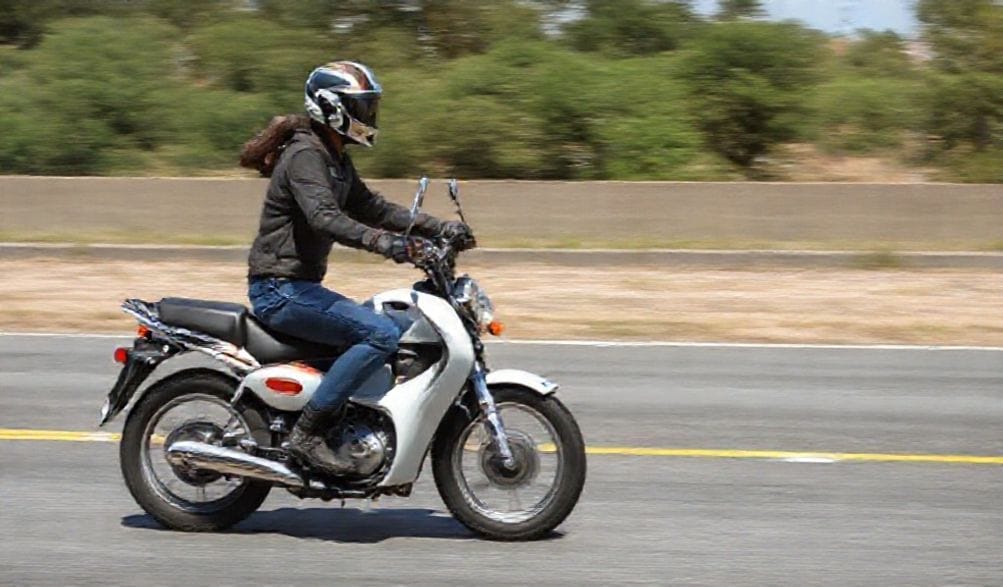
Do You Need a License to Ride a Sur Ron? A State-by-State Guide
The sleek, silent, and shockingly powerful Sur Ron electric bike has taken the off-road and urban riding worlds by storm. It promises the thrill of a dirt bike with the accessibility of an e-bike. But this very appeal creates a massive gray area that leaves new and prospective owners scratching their heads: Do you need a license, registration, and insurance to ride one on public roads?
The short, and frustrating, answer is: It’s complicated. The longer, more responsible answer is that it depends entirely on three things: your specific state’s laws, the exact Sur Ron model you have, and how it’s configured. A stock Sur Ron Light Bee X is a very different machine in the eyes of the law than one that has been deliberately restricted for 公道走行合法性.
This guide is designed to cut through the confusion. We’ll break down the federal classifications that set the stage, provide a clear state-by-state framework for understanding how your local DMV likely views the Sur Ron, and give you a practical checklist to determine your own legal requirements. Misunderstanding these rules can lead to hefty fines, a impounded bike, and serious liability in an accident. Let’s get you riding legally and safely.
Understanding the Core Issue: Is a Sur Ron a Bike or a Motorcycle?
The core of the confusion lies in the Sur Ron’s hybrid nature. It can be equipped with pedals (though often minimally functional), has a bicycle-like frame, but boasts a motor with power that dwarfs typical e-bikes. This places it in a legal no-man’s-land between a bicycle, a moped, and a full-fledged motorcycle.
Key Legal Classifications That Determine the Answer
To understand where your Sur Ron fits, you need to know the legal buckets it could fall into.
1. Federal CPSC Standards (Consumer Product Safety Commission):
This is the starting point. The CPSC defines a “low-speed 電動自転車” as having a fully operable pedal system, a motor of less than 750 watts (1 hp), and a maximum speed of 20 mph(約32 km/h) on level ground. Many states have adopted a three-class system based on this:
* Class 1: Pedal-assist only, no throttle, max assisted speed of 20 mph.
* クラス2: Throttle-assisted, max speed of 20 mph.
* クラス3: Pedal-assist only, max assisted speed of 28 mph.
Here’s the catch: A stock Sur Ron Light Bee X has a 6,000-watt peak motor and can exceed 45 mph. It immediately fails the federal e-bike definition on both power and speed. Therefore, it cannot be considered a federal “electric bicycle” in its stock form.
2. State DMV Classifications:
States have the final say, and they use their own terminology. The Sur Ron typically gets categorized into one of these:
* Electric Bicycle: Only if modified to meet the state’s specific speed (usually 20-28 mph) and power (often 750W-1000W) limits for e-bikes. Typically requires no license, registration, or insurance, but may have age/helmet rules.
* Moped / Motor-Driven Cycle / Motorized Bicycle: This is the most common classification for a stock Sur Ron. Defined by a maximum speed (usually 20-30 mph) and/or engine size (e.g., less than 50cc equivalent). Requires a valid driver’s license (sometimes a special moped license), registration, license plate, and insurance. Helmet is almost always mandatory.
* Motorcycle: If a state’s moped category has a low speed or power ceiling (e.g., max 30 mph, 2 brake horsepower), a Sur Ron’s capabilities will push it into the motorcycle class. This requires a * 運転免許証に on your license, full title, registration, and insurance. The bike itself may need to pass safety inspections and have DOT-approved equipment.
3. The Role of Manufacturer Specifications:
Law enforcement and courts will look at the bike’s capabilities, not just how you ride it. A “6,000W” or “45+ mph” specification on the manufacturer’s website is a damning piece of evidence that your vehicle is not a simple bicycle, regardless of whether you add pedals.
State-by-State Breakdown: License, Registration & Helmet Laws
This is the most critical section. The following is a general framework. You MUST verify the specific statutes in your own state, as county or city ordinances can add further restrictions.
States Where a Sur Ron is Typically Treated as an E-Bike (No License)
- Criteria: This applies 次の3つが全て揃っている場合に限ります: if the Sur Ron is permanently modified (e.g., with a speed governor and/or a motor wattage limiter) to comply with your state’s specific Class 1, 2, or 3 e-bike laws. This often means restricting it to 750W continuous power and a top speed of 20 mph (Class 2) or 28 mph (Class 3 with pedal assist).
- Example States: カリフォルニア州、コロラド州、オレゴン州(28 mph/1000Wのクラス3制限を満たすように設定されている場合)。ただし、純正状態の自転車は 該当 しません。.
- ⚠️ 重要な注意点: これはSur Ronにおいて最も稀な合法手段です。 純正状態の Sur Ronが電動自転車として該当することはほぼありません。このカテゴリーは 意図的かつ検証可能な制限が施された 車両のみを対象としています。純正状態の自転車を電動自転車とみなして公道を走行することは、重大な法的リスクを伴います。.
Sur Ronが一般的にモペッド/電動二輪車として扱われる州
- Criteria: これは純正または軽度に改造されたSur Ronにとって 最も一般的な分類 です。これには valid driver’s license (一部の州では任意のクラス、他の州では特定の「M」または「M1」モペッド免許)、, 車両登録、ナンバープレート、賠償責任保険が必要です。. ヘルメット着用はほぼ全ての州で義務付けられています。.
- Example States: フロリダ州 (「電動スクーター」に分類)、, テキサス州 (「モペッド」)、, ニューヨーク州 (「限定用途オートバイ」)、, イリノイ州 (「電動自転車」)、, アリゾナ州 (20mphを超える場合「電動自転車または電動補助自転車」)。.
- 一般的な要件: モペッドとして登録するには、通常、標準的な安全装備が必要です:ヘッドライト、テールライト、ブレーキランプ、バックミラー、ホーンまたはベル、作動するブレーキ。この手続きには、製造事業者発行証明書(MCO)をDMVに提示し、手数料を支払い、車体番号検査を受けることが含まれます。.
Sur Ronがオートバイとして分類される可能性が高い州
- Criteria: 最高速度30 mphや制動馬力2 hpなど、厳格なモペッド定義を持つ州では、Sur Ronの性能からオートバイとして分類されます。これには * 運転免許証に 別途筆記試験および実技試験に合格して取得する免許の.
- Example States: が必要です。正式なオートバイの所有権登録、車両登録、保険が義務付けられます。 バージニア州, (モペッドは35 mphに制限)、 ノースカロライナ州, (モペッドは30 mphに制限)、 ウィスコンシン州.
- (30 mphを超える場合)。法律が曖昧な州では、警察官の判断でこの分類が適用されることもあります。 影響: 免許要件に加え、 車両自体.
がより厳格な安全基準を満たす必要がある場合があります:DOT認定タイヤおよび照明、特定のミラー要件、州の車両検査に合格する必要があるかもしれません。これは、もともとDOT完全準拠を想定していないSur Ronにとって、困難かつ高コストな手段となり得ます。
お住まいの州の法律を確認する方法:実践的チェックリスト.
-
推測せず、以下の段階的な手順で確実な答えを得てください。.
- お持ちのSur Ronの正確なモデルと構成を特定する。.
- モデル(例:Light Bee X、Storm Bee)。.
- ペダルキットは装着されていますか?(注:参考にはなりますが決定的要素ではありません)。 最大可能速度 (純正または改造後)は?
- ペダルキットは装着されていますか?(注:参考にはなりますが決定的要素ではありません)。 モーター出力 (連続およびピーク)は?取扱説明書またはメーカー仕様書で確認してください。.
-
お住まいの州の公式DMV/電動自転車法令を探す。.
- 検索用語: Googleで以下を検索:
[お住まいの州] DMV モペッド 定義 法律,[お住まいの州] 車両法 電動自転車, 、または[お住まいの州] オートバイ 分類. - 一次情報源を参照: 常に
.gov. で終わるリンクをクリックしてください。州の立法機関ウェブサイト(例:,leg.state.[us])または公式DMVサイトを探してください。.
- 検索用語: Googleで以下を検索:
-
仕様と法的定義を比較する。.
- Match your bike’s max speed against the state’s limits for “electric bicycle,” “moped,” and “motorcycle.”
- Match your bike’s motor wattage/power against the legal limits. (Remember: 750W = ~1 hp).
- Note the requirement for pedals. Is it mandatory for the e-bike class?
-
When in Doubt, Contact Authorities Directly.
- Call your local DMV office. Have your bike’s specifications ready to read to them.
- Contact your local police department’s non-emergency traffic division. They can clarify how the law is typically enforced in your community.
- Getting verbal or written clarification from an official source is the best way to protect yourself.
Risks of Riding Without Proper Licensing & Registration
Choosing to ignore these regulations isn’t just about breaking the law—it’s about assuming enormous personal risk.
Legal and Financial Consequences
- Fines and Tickets: You can be cited for operating an unregistered motor vehicle, driving without a license, and lacking insurance. Fines can be hundreds of dollars.
- Impoundment: Law enforcement can and will impound your Sur Ron on the spot. Retrieving it involves paying hefty towing and storage fees on top of your fines.
- Points on Your License: If you have a driver’s license, violations can add points, leading to increased insurance rates or suspension.
- Liability in an Accident: If you cause an accident, you are personally liable for all property damage and medical bills. Without insurance, this can mean financial ruin.
Safety and Insurance Implications
- No Insurance Coverage: If you’re hit by a car, your health insurance may cover you, but your Sur Ron won’t be covered for damage, and you’ll have no liability protection if you’re at fault. Some specialty insurers (Progressive, Dairyland, etc.) offer policies for mopeds and motorcycles that would cover a properly registered Sur Ron.
- Lack of Formal Training: The process of getting a motorcycle endorsement provides vital training on handling a powerful two-wheeled vehicle in traffic. Riding a Sur Ron without this knowledge increases your risk of a crash.
よくある質問(FAQ)
Q: If I add pedals to my Sur Ron, does it become a bicycle?
A: Not automatically. Pedals are one factor, but motor power and top-speed capability are the primary legal determinants. A vehicle with pedals that can go 45 mph is still a motorcycle in the eyes of nearly every state’s law. The pedals must be fully operable and the bike must meet all other e-bike criteria.
Q: Can I ride my Sur Ron on bike paths and trails?
A: Only if it is legally classified as an electric bicycle in your state や the specific trail or path rules permit e-bikes (some only allow Class 1). If it’s registered as a moped or motorcycle, it is almost never allowed on dedicated bicycle or pedestrian paths—it belongs on the road.
Q: Do I need insurance for a Sur Ron?
A: Yes, if it is classified as a moped or motorcycle. While some homeowner’s or renter’s insurance policies might offer limited coverage for low-power e-bikes, this is highly unlikely to apply to a high-power Sur Ron. A specific vehicle liability insurance policy is strongly recommended and often legally required.
Q: What’s the difference between a driver’s license and a motorcycle endorsement?
A: A standard driver’s license (Class C) allows you to operate passenger cars. A motorcycle endorsement (usually an “M” added to your license) is a special certification earned by passing a separate written exam and a practical on-cycle skills test (often through a Motorcycle Safety Foundation course). It permits you to operate motorcycles, and in many states, high-power mopeds.
結論
The question “Do you need a license to ride a Sur Ron?” has a clear, if nuanced, answer: In most states, for a stock or high-powered Sur Ron, yes—you need a license, registration, and insurance. The default assumption should not be that it’s a bicycle, but rather a motor vehicle.
Prioritizing legal compliance isn’t just about avoiding tickets; it’s about safety, financial responsibility, and being a legitimate part of the traffic ecosystem. The cost of a license, registration, and insurance is minimal compared to the consequences of getting it wrong.
Your next step is crucial: Use the practical checklist provided to research your own state’s laws. When in doubt, pick up the phone and call your local DMV. Getting a definitive answer before you hit the road is the mark of a responsible rider. By ensuring we ride our powerful and exciting machines within the legal framework, we help build a positive future for all electric vehicle enthusiasts.
METADATA_START—
DISPLAY_TITLE: Do You Need a License to Ride a Sur Ron? A State-by-State Guide
SEO_TITLE: Sur Ron License & Laws by State | Legal Guide for Riders
META_DESC: Confused about Sur Ron laws? Our detailed guide explains if you need a license, registration & insurance for a Sur Ron e-bike in your state. Get a clear, legal breakdown.
IMG_PROMPT: A Sur Ron Light Bee X electric bike parked at a crossroads, with one sign pointing to a bicycle path and another to a public road, symbolizing the legal choice riders face. Photorealistic, daytime, clear signage.
—METADATA_END—