
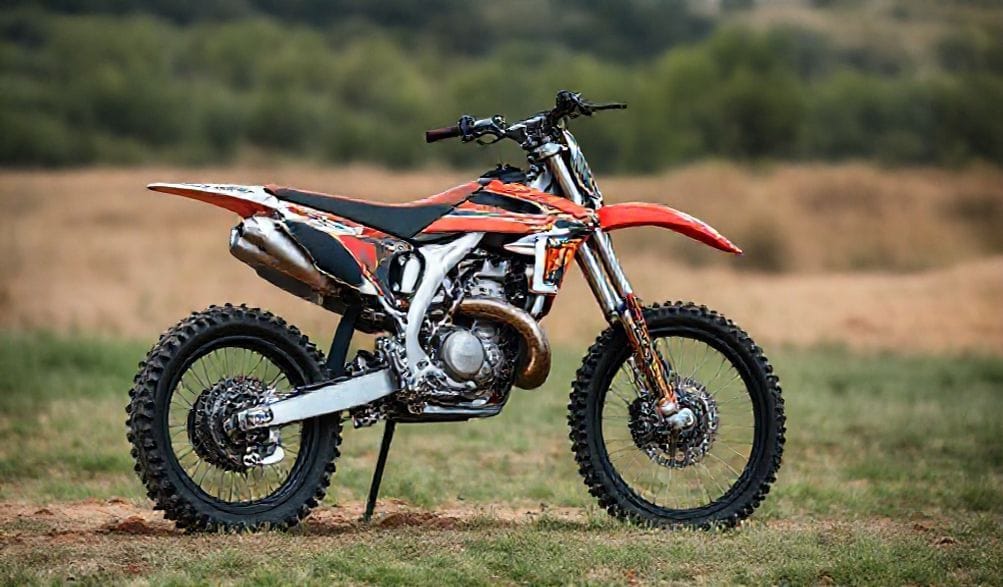
The Ultimate Guide to Emoto Dirt Bikes: Performance, Models & Buying Advice
So, you’re searching for “emoto dirt bike.” Maybe you’ve seen a silent bike shredding a local trail, heard whispers of instant torque, or are just tired of mixing gas and tuning carburetors. You’re in the right place. This guide is your comprehensive, no-nonsense resource for navigating the electric off-road revolution.
First, let’s clear something up: “Emoto” isn’t a single brand. It’s a portmanteau—Electric Motocross—that has evolved into a colloquial term for the entire category of high-performance 電動ダートバイク. It’s the “Kleenex” of the electric off-road world. While a small manufacturer might use the name, most riders use “emoto” to refer to bikes from サー・ロン, タラリア, and beyond.
Having spent years testing gas and electric bikes on everything from groomed motocross tracks to brutal single-track, I’ve experienced this evolution firsthand. This guide pulls from that hands-on experience, industry data, and countless conversations with riders. My goal isn’t to sell you on electric; it’s to give you the unbiased, practical advice you need to decide if an emoto is the right tool for your riding adventures.
What is an Emoto Dirt Bike? Defining the Electric Off-Road Revolution
An emoto dirt bike replaces the internal combustion engine with an electric motor and a battery pack. But it’s far more than a simple swap; it represents a fundamental shift in the philosophy of off-road performance. The experience isn’t just quieter—it’s different, offering unique advantages and presenting new considerations.
Emoto vs. Traditional Gas Dirt Bikes: A Clear Comparison
- Power Delivery: Instant Torque vs. Power Band: This is the single biggest difference. A gas bike builds power through its RPM range, requiring clutch work to stay in the “power band.” An emoto delivers 100% of its torque instantly from 0 RPM. It’s a seamless, linear surge of power that can make technical climbs easier but demands refined throttle control.
- Maintenance: Simplified vs. Traditional: Forget oil changes, air filters, spark plugs, valve adjustments, and carb jetting. Emoto maintenance revolves around the battery, brakes, suspension, and chain. It’s dramatically simpler and cheaper in the short term. However, long-term battery health becomes a new consideration.
- Noise and Environmental Impact: The near-silent operation is a game-changer. It opens up riding opportunities near sensitive areas, reduces noise pollution, and lets you hear the trail. With zero tailpipe emissions, your environmental footprint is significantly lower, especially if charged with renewable energy.
- Riding Experience and Learning Curve: For beginners, the lack of gears and clutch can lower the initial barrier to entry. The quietness is less intimidating. However, that instant torque can be unforgiving. For experienced riders, the new power profile requires an adjustment in technique, particularly in corners and on loose surfaces.
Key Components of an Electric Dirt Bike
Understanding the core parts demystifies the technology:
- Electric Motor: Most emotos use a ミッドドライブモーター (mounted centrally, driving the rear wheel via a chain). This preserves unsprung weight for better suspension action. Hub motors (in the wheel) are rare in performance emotos due to weight distribution issues.
- Battery Pack: The fuel tank. Key specs are Voltage (V – determines potential power, like water pressure), Amp-hours (Ah – capacity, like pipe diameter), and Kilowatt-hours (kWh – the total energy stored). A higher kWh generally means more range.
- Controller: The bike’s “brain.” It regulates power flow from the battery to the motor. It dictates throttle response, top speed, and often houses ride modes (Eco, Sport, Race).
- Frame and Suspension: Emoto frames are designed around the battery pack, which is typically low and in the center of the bike. This creates a uniquely low center of gravity, affecting handling. Suspension is just as critical as on a gas bike, tasked with managing the bike’s often substantial weight.
Top Emoto Dirt Bike Models and Brands on the Market
The market has exploded from niche curiosities to serious performance machines. Here’s a breakdown of the key players.
Leading Brands in the Electric Dirt Bike Space
- Sur-Ron: The brand most synonymous with “emoto.” The Light Bee X (and its many variants) is the ubiquitous entry-point, known for its incredible value, moddability, and playful nature. The new ストーム・ビー is a larger, more powerful step-up model aimed at more serious trail and enduro riding.
- Talaria: Sur-Ron’s direct competitor. The Sting R is often considered a more refined, “out-of-the-box” ready alternative to the Light Bee, with better stock components. The MX series pushes further into motocross-inspired performance.
- KTM: The first major OEM to dive in deeply. The Freeride E-XC is a full-size, high-performance machine from a legacy brand. It’s expensive but offers a familiar quality feel and dealer network support.
- Cake: The Swedish premium choice. The Kalk OR や Kalk INK are minimalist, design-forward, incredibly lightweight bikes focused on precision and trail purity. They represent a different, almost artistic approach to the category.
- Other Notable Brands: Segway has entered with competent models like the Dirt eBike X260. Kuberg focuses on electric trials and youth bikes. Stark Varg is the current performance king, boasting gas-bike-rivaling power and weight specs, setting a new benchmark.
Model Comparison: Specs, Best Use Cases & Price Points
| Model | Approx. Power | Est. Range | Weight | Approx. Price | Best For |
| :— | :— | :— | :— | :— | :— |
| Sur-Ron Light Bee X | 6 kW | 40-60 mi | 110 lbs | $4,500+ | Beginners, trail exploring, modding |
| Talaria Sting R | 8 kW | 40-60 mi | 125 lbs | $4,200+ | Trail riding, better stock components |
| Talaria XXX | 8 kW | 40-60 mi | 115 lbs | $3,800+ | Lightweight street/trail hybrid |
| Cake Kalk INK | 11 kW | 3 hours | 154 lbs | $9,000+ | Premium trail/technical riding |
| Sur-Ron Storm Bee | 12 kW | 60-75 mi | 205 lbs | $6,500+ | Aggressive trail/enduro |
| KTM フリーレイド E-XC | 18 kW | 1.5 hours | 247 lbs | $12,000+ | Performance riding, OEM support |
| Stark Varg | 80 hp equiv. | 6 hours+ | 242 lbs | $13,000+ | Motocross, peak performance |
Segment Recommendations:
* Best for Beginners/Value: Sur-Ron Light Bee, Talaria Sting R.
* Best for Trail Riding: Talaria Sting R/MX4, Sur-Ron Storm Bee.
* Best for Motocross/Performance: Stark Varg.
* Best Premium/Design: Cake Kalk series.
Critical Factors to Consider Before Buying an Emoto
Don’t just buy the shiniest spec sheet. Your enjoyment depends on aligning the bike with your reality.
Assessing Your Needs: Riding Style, Terrain, and Frequency
Be brutally honest. Are you puttering on forest service roads or charging hard enduro trails? Range anxiety is real. A 40-mile estimate can become 15 miles in steep, technical terrain with an aggressive right hand. Rider weight and cargo also play a huge role. A bike perfect for 90-minute moto sessions is overkill for 20-minute neighborhood blasts.
Battery Life, Range, and Charging Realities
- The Range Myth: Manufacturers give optimal estimates. Real-world range is dictated by throttle use, hills, rider weight, and temperature (cold saps battery life). Always plan for 60-70% of the claimed range for aggressive riding.
- 充電: Most bikes use a standard charger plugging into a 110V/220V wall outlet. Charging times can range from 4 to 8 hours for a full charge. Do you have a secure place to charge it? Can you transport a charger for mid-ride top-ups?
Maintenance and Ownership Costs
- Routine Upkeep: You’ll still maintain tires, brakes, suspension, and the chain/belt drive. Keep the battery connections clean and the bike stored in a moderate temperature.
- The Big One: Battery Replacement: Lithium-ion batteries degrade. After 500-1000+ charge cycles, you may see significantly reduced range. A replacement battery pack can cost $1,000 to $2,500+. Factor this into your 3-5 year ownership cost.
- Parts & Service: For brands like Sur-Ron/Talaria, parts are online and forums are your manual. For OEMs like KTM, you have a dealer network. Know what you’re getting into.
Performance and Riding Experience of Electric Dirt Bikes
This is where emotos create converts.
The Thrill of Instant Torque: Acceleration and Control
The first twist of the throttle is revelatory. The bike surges forward with a silent, jet-like whine. This instant power is a massive advantage on technical climbs—no stalling, no clutch feathering, just precise throttle modulation. It allows for incredible chassis control. However, it can break the rear tire loose easily, requiring a smoother, more deliberate throttle hand than a gas bike.
Weight Distribution and Handling Characteristics
While emotos can be heavy, the weight is concentrated low and in the middle. This gives them a planted, stable feel, especially in corners. They feel less “top-heavy” than some gas bikes. The downside is that they can feel less flickable and require more effort to manhandle in the air or through tight, slow maneuvers. It’s a trade-off: superior stability for slightly reduced agility.
Legal and Safety Considerations for Emoto Riders
This is non-negotiable. Ignorance can lead to fines, bike impoundment, or trail closures for everyone.
Where Can You Legally Ride? Understanding Local Laws
- 重要な点: The vast majority of emotos like Sur-Rons and Talarias are NOT street-legal必要な灯火類、ミラー、方向指示器、認証を欠いている。.
- Off-Road/OHV Areas: This is their intended home. Always check your local and state regulations. Some public OHV areas have specific rules about electric vehicles, sound limits, or require spark arrestors (which emotos don’t have, though some offer aftermarket options).
- 私有地: With permission, you’re generally good.
- “Gray Area” Riding: Be smart, respectful, and understand the risks of riding on unauthorized trails or paths.
Essential Safety Gear for Electric Dirt Biking
The silence is a double-edged sword. It’s peaceful, but it means others (hikers, bikers, other riders) cannot hear you coming. This places a greater responsibility on you.
* Helmet (Full-Face DOT/SNELL), Goggles, Boots, Gloves: Non-negotiable basics.
* Body Armor/Jersey/Pants: More important than ever. Consider a roost deflector with shoulder/elbow/back protection.
* A Bell or Horn: A simple bicycle bell can be a polite way to alert others on shared trails.
* Hyper-Vigilance: Ride defensively and assume no one knows you’re there.
Frequently Asked Questions (FAQ) About Emoto Dirt Bikes
Q: Are Emoto dirt bikes good for beginners?
A: They can be excellent. The lack of gears and clutch simplifies operation, and the quietness is less intimidating. However, the instant torque requires careful throttle control to avoid surprises, and some models can be deceptively powerful. Starting with a lower-power mode or model is highly advised.
Q: How fast does an average Emoto dirt bike go?
A: There’s a wide spectrum. Popular models like the Sur-Ron Light Bee hit 45+ mph. Performance models like the Talaria Sting R or Sur-Ron Storm Bee can reach 55-60+ mph. The Stark Varg exceeds 60 mph with ease. Most have programmable or selectable speed modes.
Q: What is the real-world range I can expect?
A: This is the most variable spec. For most mid-power bikes (Light Bee, Sting R), expect 20-40 miles under aggressive trail conditions. On flat, mild fire roads, you might see 50+. Always plan your ride around a conservative estimate.
Q: Are electric dirt bikes more expensive than gas bikes?
A: The upfront purchase price is typically higher for comparable performance. However, the total cost of ownership is often lower. You save massively on maintenance (no oil, filters, plugs, valves) and “fuel” (electricity is cheap). Just remember to budget for eventual battery replacement.
Q: Can I modify or tune my Emoto for more power?
A: Absolutely, especially for Sur-Ron and Talaria. The aftermarket offers higher-voltage battery packs, upgraded controllers, and performance motors. WARNING: This voids warranties, increases wear on drivetrain components, raises the risk of electrical issues, and may make the bike illegal even in off-road areas that have power or sound limits.
結論
The emoto dirt bike is more than a trend; it’s a legitimate, exciting, and fundamentally different branch of off-road motorcycling. It offers a compelling package of instant power, minimal maintenance, and quiet operation that is perfect for a wide range of riders—from curious newcomers to seasoned veterans looking for a new challenge.
Yet, it’s not a universal replacement. The limitations of range and charging infrastructure, along with evolving legal landscapes, mean it requires more thoughtful purchase planning than a traditional dirt bike.
Final Expert Advice: If you can, find a way to ride one. The unique feel is something you must experience. Let your primary use case—not just peak horsepower—guide your decision. Research your local riding laws as diligently as you research bike specs.
Call-to-Action: Have more questions about a specific Emoto model or riding scenario? Share your thoughts in the comments below, and our team of experienced riders will help point you in the right direction.
METADATA_START—
DISPLAY_TITLE: The Ultimate Guide to Emoto Dirt Bikes (2024): Models, Performance & Buying Tips
SEO_TITLE: Emoto Dirt Bike Guide 2024: Reviews, Comparison & Buying Advice
META_DESC: Your complete guide to emoto dirt bikes. We compare top models like Sur-Ron & Talaria, explain performance vs gas bikes, and give expert 2024 buying advice to find your perfect electric dirt bike.
IMG_PROMPT: A dynamic, high-action shot of a modern electric dirt bike (like a Sur-Ron or Talaria) kicking up dirt on a forest trail, rider in full gear leaning into a corner, sunlight filtering through trees, showcasing the bike’s aggressive stance and clean, electric design.
—METADATA_END—