
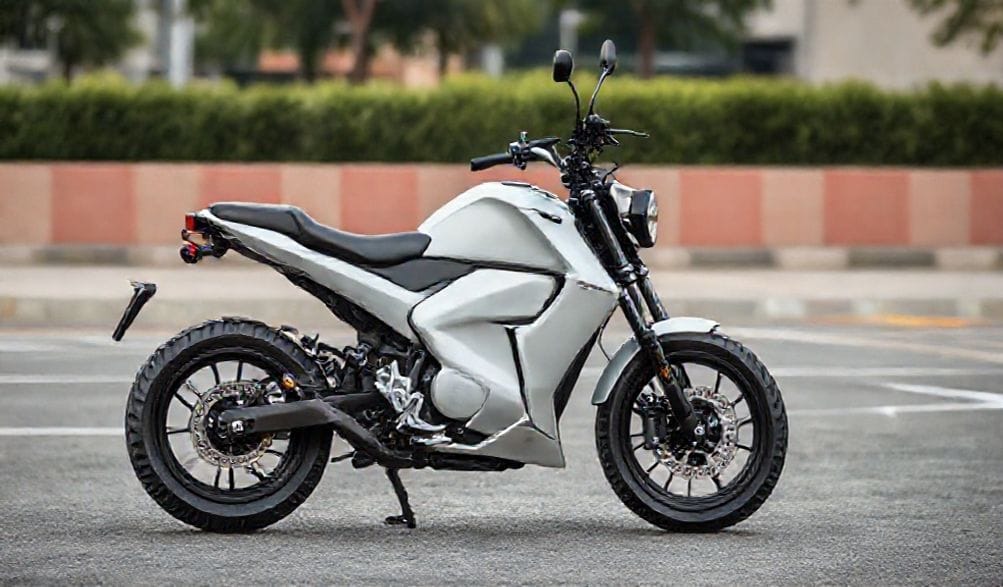
Navigating Street Legal Electric Motorcycles That Require No License: A Complete Guide
Imagine a vehicle that combines the freedom of the open road with whisper-quiet, emission-free operation and the promise of bypassing the traditional hurdles of licensing. Is it possible? As cities grow denser and the demand for accessible, eco-friendly personal transportation skyrockets, this question is on the minds of countless commuters and enthusiasts. The electric two-wheeler market is exploding, offering everything from bicycle-like models to machines that rival gasoline-powered motorcycles in performance. Yet, this exciting innovation is shrouded in a fog of confusion, particularly around one critical point: licensing requirements.
The phrase “street legal electric motorcycle no license” captures a powerful desire for simplicity and accessibility. This guide exists to cut through the marketing hype and regulatory complexity. Our purpose is to provide you with clear, accurate, and actionable information based on current vehicle classifications and regulations. We will help you understand the realistic options for street-legal electric two-wheelers that may not require a standard motorcycle license, while placing the utmost emphasis on one non-negotiable truth: you must verify every detail with your local and state laws. Let’s navigate this landscape together.
Understanding the “No License” Concept for Electric Motorcycles
The dream of a license-free motorcycle is compelling, but it’s crucial to ground that dream in legal reality. The key to understanding this market lies not in finding magical exemptions, but in understanding precise government classifications.
It’s About Vehicle Classification, Not Exemption
When a manufacturer or seller uses the term “no license required,” they are almost always referring to a vehicle that, in the eyes of the law, is not classified as a motorcycle. Instead, these machines are legally defined as electric bicycles (e-bikes) または mopeds. The distinction hinges on three core technical specifications:
- Motor Power and Wattage: Measured in watts (W) or kilowatts (kW). Lower power outputs (e.g., 250W, 500W, 750W) are typical of e-bike classifications.
- Maximum Speed Capability: This is the single most important factor. Legal classifications often cap speed at thresholds like 20 mph (32 km/h) or 28 mph (45 km/h) for operation without a license.
- Operational Mode: Whether the motor provides assistance only when you pedal (pedal-assist) or can propel the vehicle via a throttle alone (throttle-only). Throttle-only operation often pushes a vehicle into a more regulated category.
The Critical Role of Local & State Laws
Here is the most important paragraph in this guide: There is no universal “no license” rule. Regulations vary dramatically—not just from country to country, but from state to state, and even between cities and counties within the same state. What is perfectly legal as a license-free e-bike in Oregon may be classified as a moped requiring registration in New Jersey, and may be outright illegal on certain paths in New York City.
Your absolute first step, before falling in love with any vehicle online, must be to consult your local Department of Motor Vehicles (DMV) or equivalent transportation authority. Become familiar with the terminology they use:
* Class 1, 2, 3 E-Bikes: A three-tier system adopted by many U.S. states, primarily differing by top speed and use of a throttle.
* Moped / Motorized Bicycle: Typically describes low-speed, low-power vehicles that may require registration, insurance, and a special (often simpler) license or endorsement.
* Motor Scooter / Low-Speed Motorcycle: May refer to slightly more powerful vehicles that almost always require a standard driver’s or motorcycle license.
Types of Street-Legal “No License” Electric Two-Wheelers
The market breaks down into distinct categories, each with its own legal framework. Understanding these categories is essential to making an informed choice.
High-Power Electric Bicycles (Class 3 E-Bikes)
Often the closest in appearance and feel to a motorcycle, Class 3 e-bikes are a popular “no license” option where permitted.
* 仕様: Typically defined as having a motor that provides assistance up to 28 mph (45 km/h). They are usually ペダルアシストのみが許可され (the motor only helps while you are pedaling), though laws vary. Motor power is often 750W or less.
* Legality: They are street-legal in many, but not all, U.S. states and regions. Where legal, they are generally treated as bicycles. This means:
* No driver’s license required (though some states have a minimum age, like 16).
* No vehicle registration or license plate.
* No mandatory insurance (though personal liability insurance is wise).
* They are usually allowed on roads and bike lanes but are prohibited on sidewalks and sometimes on natural-surface trails.
Electric Mopeds and Scooters
This category is a significant gray area and requires the most diligent research.
* Low-Speed Models: Often defined by a maximum speed of 20-30 mph (32-48 km/h) and a motor under a certain power (e.g., 1-2 kW or 50cc equivalent). In many jurisdictions, these may be classified as “mopeds.” While they might not require a 原動機付き自転車 license, they frequently require:
* A standard driver’s license (Class C).
* Vehicle registration and a license plate.
* Liability insurance.
* Helmets (mandatory in most places).
* Higher-Speed Models: Any electric scooter capable of exceeding 30 mph will almost certainly be classified as a motorcycle or motor-driven cycle, requiring a full motorcycle license (M1/M endorsement).
Electric Motorcycles with Restricted Power (L1e / L3e EU Categories)
The European model provides a clear framework that is instructive globally. Vehicles are categorized by power, speed, and weight.
* L1e-A & L1e-B (“Powered Cycles”): Very low-speed/power vehicles, akin to e-bikes and mopeds. In the UK, for example, vehicles in these categories can be ridden with just a Category AM moped license, which is obtainable from age 16 and is much simpler than a full motorcycle test.
* L3e (Motorcycles): This is the category for full-size 電動オートバイ. They require a standard motorcycle license (A1, A2, or A, depending on power). Some manufacturers sell “restricted” versions of their motorcycles that fit into lower-power sub-categories (like A1) for learner riders.
Key Features and Specifications to Look For
When evaluating a vehicle, don’t just look at the marketing—interrogate the specs. They determine the legal classification.
Motor Power and Wattage Limits
Wattage is a primary legal marker. In the U.S., many states align with a 750W limit for throttle-operated e-bikes to be classified as bicycles. In Europe, 250W is a common limit for pedalecs (pedal-assist e-bikes) to be treated as regular bicycles. Higher wattage (1kW, 3kW, 5kW+) almost always pushes the vehicle into moped or motorcycle territory.
Top Speed Capabilities and Limiters
This is the law’s favorite metric. A manufacturer may build a vehicle capable of 45 mph, but if it is equipped with a speed limiter that restricts it to 20 mph(約32 km/h) from the factory, it may qualify for a lower legal class. Crucially, tampering with or removing this limiter is illegal and reclassifies the vehicle, voiding its “no license” status.
ペダルアシスト方式とスロットル操作方式の違い
This feature is a major legal differentiator.
* Pedal-Assist (Pedelec): The motor provides power only when the rider is pedaling. This design is central to the legal definition of an e-bike in most jurisdictions and is the safest bet for license-free operation.
* Throttle-Only: A twist-grip or thumb throttle that propels the vehicle without pedaling. While allowed on some e-bike classes (like Class 2 in the U.S.), it is a red flag for regulators and often places the vehicle in a more regulated category (moped).
The Non-Negotiables: Safety, Insurance, and Registration
Even if you navigate the licensing maze successfully, your responsibilities don’t end there.
Safety Gear is Mandatory
The law may only require a helmet for certain classes, but physics does not discriminate. On any two-wheeled vehicle, especially one sharing the road with cars:
* A DOT/ECE-certified full-face helmet is the single most important investment you can make.
* Gloves, armored jacket, pants, and boots dramatically reduce injury in a fall.
* High-visibility clothing and excellent lights are essential for being seen.
Understanding Insurance and Registration Requirements
Do not assume “no license” means “no paperwork.”
* E-Bikes: Rarely require registration or insurance by law.
* 電動モペッド/スクーター: Very often require both. You must register the vehicle with the DMV, obtain a license plate, and carry at least minimum liability insurance.
* The Check: Contact your DMV or insurance agent with the Vehicle Identification Number (VIN) and specifications of the model you are considering to get a definitive answer. Even if insurance isn’t legally required, it is profoundly reckless to operate any motorized vehicle on public roads without liability coverage.
Top Considerations Before You Buy
Your Primary Use Case: Commuting, Errands, or Recreation?
Match the vehicle to your needs:
* Short Urban Commutes (<10 miles): A Class 3 e-bike or low-speed e-moped may be perfect.
* Faster Commutes / Highway Feeder Roads: You will likely need a licensed electric scooter or motorcycle capable of 40+ mph to keep up with traffic safely.
* Recreation & Trail Riding: Ensure the e-bike class you choose is legally permitted on the trails you want to ride.
Verifying Local Laws: A Step-by-Step Checklist
- State DMV Website: Search for “electric bicycle law,” “moped definition,” and “motorized bicycle requirements.”
- State Legislative Code: Look up the actual vehicle code (e.g., “California Vehicle Code Section 406”).
- City/Town Ordinances: Check local government sites for rules on where e-bikes/scooters can be ridden (sidewalks, bike paths, etc.).
- Call: Contact your local DMV office and the non-emergency line of your local police department for clarification.
Budgeting for the Total Cost of Ownership
Factor in all costs:
* Purchase Price
* Sales Tax
* Registration & Title Fees (if applicable)
* 保険 (月額/年額保険料)
* 安全装備 (品質の高いセットアップには$300-$1000+)
* メンテナンス (タイヤ、ブレーキ、バッテリーケア)
* 充電コスト (最小限だが、ゼロではない)
よくある質問(FAQ)
Q1: 本当にどこでも免許不要の公道走行可能な電動二輪車はあるのか?
A: For vehicles legally defined as “motorcycles,” a license is almost always required. The “no license” path applies to vehicles legally classified as electric bicycles or low-speed mopeds based on their capped speed and power. Always confirm with your local DMV.
Q2: 電動自転車を改造して速くし、免許なしで公道走行可能なままにできるか?
A: いいえ。. 電動自転車やモペッドを改造して、その法的クラスの速度や出力制限を超えると、それは自動車(モーター・ビークル)とみなされ、免許、登録、保険が必要になる可能性が高いです。また、保証が無効になり、違法行為となるため、罰金や責任を負うリスクがあります。.
Q3: 免許の面で、電動モペッドと電動オートバイの違いは何か?
A: 違いは通常、最高速度、出力、そして時には車両重量にあります。電動モペッド(例:最高速度30mph/約48km/h)は「モペッド」免許または登録クラスに該当することが多く、これは普通のオートバイ免許よりも取得が簡単な場合があります。真の電動オートバイはこれらの制限を超え、標準的なオートバイ免許が必要です。.
Q4: 免許不要の電動オートバイや電動自転車に保険は必要か?
A: 要件は地域によって異なります。電動自転車は保険が必要なことは稀です。電動モペッドやスクーターは多くの場合必要です。法的に要求されていなくても、事故を起こした場合の壊滅的な費用から経済的に自分を守るため、賠償責任保険を強くお勧めします。.
Q5: 公道走行可能で免許不要の電動二輪車はどこを走行できるか?
A: これは完全にその分類によります。電動自転車は通常、自転車道と道路(歩道は除く)を走行できます。モペッドやスクーターは通常、道路に制限され、自転車インフラは利用できません。お持ちの車両のクラスと地域の条例を把握してください。.
結論
免許不要の公道走行可能な電動オートバイの世界を理解するには、結局のところ、単純な方程式を理解することが重要です:特定の車両仕様 + 極めて地域に密着した法律 = あなたの法的な走行資格。核心的な要点は、真の免許不要での運転は、法的に言えば全くオートバイではない車両に限定されるということです。.
利便性よりも、安全性と法令遵守を優先してください。新しい電動ライドの興奮は、それを正しく操作し、保護されているという確信と一致させるべきです。地域の規制について専門家になりましょう。それは、スムーズで合法的なライディング体験を保証する唯一の方法です。.
あなたへの行動喚起:
1. 公式に調査する: Use your DMV’s website and local ordinances as your primary source of truth.
2. 試運転: 信頼できる販売店を訪れ、電動自転車、電動モペッド、電動オートバイの違いを体感してください。.
3. 装備を整える: 初めて乗る前に、高品質の安全装備に投資してください。.
適切な法的枠組み内で適切な電動二輪車を選ぶことは、効率的で楽しく持続可能な交通の世界を開きます。賢く乗り、安全に乗り、電気の未来を楽しんでください。.
METADATA_START—
DISPLAY_TITLE: The Truth About “No License” Electric Motorcycles: A 2024 Guide
SEO_TITLE: Street Legal Electric Motorcycle No License: What’s Really Possible? | Guide
メタ説明: 「公道走行可能な免許不要の電動オートバイ」の主張に混乱していませんか? この確定的なガイドでは、法的分類、車両の種類、オートバイ免許なしで合法的に乗る方法を説明します。安全性と法律に関するヒントも掲載。.
画像プロンプト: 都会の通りに停められたモダンで洗練された電動モペッドまたは高出力電動自転車。ヘルメットをかぶりカジュアルな装備のライダーが、運輸局(DMV)のウェブサイトを表示したスマートフォンを見ている。清潔で都会的で明るいシーンで、アクセシビリティと法的調査を強調。.
—METADATA_END—