
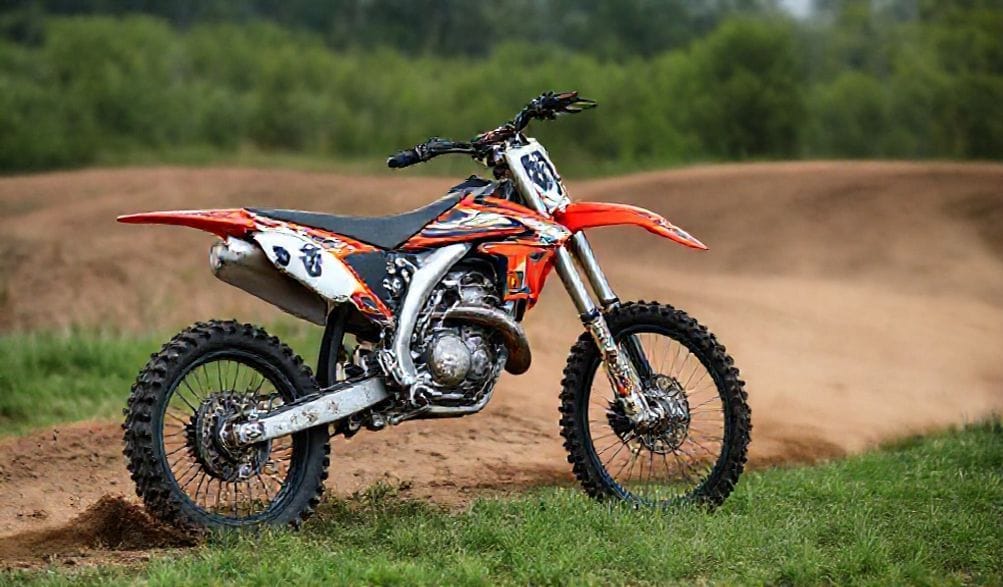
越野摩托车终极指南:类型、技巧与林道探险
The roar of an engine echoing through a forest, the feeling of floating over a whoop section, the quiet satisfaction of conquering a rocky hill climb—dirt biking is more than a hobby; it’s a thrilling adventure that combines skill, machinery, and the raw beauty of the outdoors. Whether you’re a complete beginner searching for your first bike or a seasoned rider looking to master new terrain, the world of off-road motorcycling is vast and exciting. Yet, it can also be intimidating. With so many types of 越野摩托车, gear options, and technical jargon, where do you even begin?
This comprehensive guide is designed to be your trusted resource. We’ll cut through the confusion, leveraging expert insights and real-world experience to help you understand different dirt bike types, essential riding techniques, crucial safety gear, and how to choose the perfect machine for your goals. Let’s kickstart your journey into the dirt.
Understanding Dirt Bikes: More Than Just a Motorcycle
Before diving into models and modifications, it’s crucial to grasp what sets a dirt bike apart from its street-legal cousins.
什么是越野摩托车?定义这台越野机器
At its core, a dirt bike is a lightweight motorcycle engineered specifically for off-pavement use. It’s a purpose-built tool for navigating the unpredictable. Key features distinguish it from a street bike:
* 高离地间隙: The space between the lowest part of the bike (usually the frame or skid plate) and the ground is substantial. This prevents rocks, logs, and ruts from stopping you in your tracks.
* 长行程悬挂系统: The forks and shock absorber are designed to absorb massive impacts from jumps, roots, and bumps, keeping the wheels in contact with the ground for control.
* 块状花纹轮胎: These aggressive, block-patterned tires are made of soft rubber compounds that dig into loose dirt, mud, sand, and gravel to provide traction where street tires would fail.
* 简化车身: You won’t find fairings, large mirrors, or complex lighting systems (on pure off-road models). The design is lean, tough, and easy to repair after a tip-over.
A Brief History of Dirt Biking Evolution
The dirt bike’s origins are humble, born from post-war enthusiasts modifying surplus street motorcycles like the British Triumph and BSA for rough terrain. The sport truly began to crystallize in the 1960s with the rise of 越野摩托车赛 in Europe and the introduction of purpose-built Japanese machines like the Honda Elsinore. This era shifted the focus from heavy, modified bikes to lightweight, high-revving two-strokes designed exclusively for racing.
The 1970s and 80s saw the explosion of enduro and trail riding, leading to more versatile bikes with lights and wider gear ratios. The late 90s brought the “four-stroke revolution,” led by Yamaha’s YZ400F, which changed the power and maintenance landscape of motocross forever. Today, technology like fuel injection, electric start, and advanced suspension components have made dirt bikes more powerful, reliable, and accessible than ever, shaping the modern performance and safety we enjoy on the trail and track.
Types of Dirt Bikes: Choosing Your Off-Road Discipline
Not all dirt bikes are created equal. Your choice should be dictated by where and how you plan to ride. Picking the right tool for the job is the first step to enjoyment and progression.
Motocross Bikes (MX): Built for the Track
- Purpose: Pure, unadulterated closed-course racing. These bikes are designed for manicured tracks featuring big jumps, banked turns (berms), and rhythm sections.
- 特点: They deliver explosive power, have very stiff suspension to handle high-speed landings, and are incredibly lightweight. They lack lights, a kickstand, a quiet muffler, or any street-legal equipment—every ounce is shed for performance.
- 适用人群: The competitive rider who lives for lap times, airtime, and the adrenaline of the starting gate. They are demanding to ride and not suited for casual trail use.
Enduro/Cross-Country Bikes: The All-Rounders
- Purpose: Long-distance off-road trails, hare scrambles, and hard enduro events. They are built to endure hours of varied, often technical terrain.
- 特点: Softer, more plush suspension that soaks up roots and rocks, a headlight and tail light for visibility, a wider-ratio transmission for both slow crawling and faster sections, and added durability features like a skid plate and handguards. The power delivery is more manageable and linear than an MX bike.
- 适用人群: The serious trail rider who tackles challenging single-track, hill climbs, and rocky paths. They bridge the gap between motocross intensity and trail-bike friendliness.
Trail Bikes: Perfect for Beginners and Recreation
- Purpose: Casual trail riding, learning, and family fun. The priority is user-friendliness and low-stress operation.
- 特点: They feature manageable, tractable power (often with a mild engine tune), very plush suspension for comfort, electric start, and a forgiving chassis. Models like the Honda CRF250F or Yamaha TT-R230 are classics in this category.
- 适用人群: New riders of all ages, families, and anyone who wants to explore without the intensity or maintenance demands of a race bike. This is where most journeys should begin.
Dual-Sport/Adventure Bikes: From Dirt to Street
- Purpose: Legally connecting trails via public roads. They are true street-legal motorcycles that are capable off-road.
- 特点: They come equipped with all DOT-required lighting, signals, mirrors, and a license plate. They are heavier, have more comfortable seating for distance, and feature engines tuned for a broader power range. They range from lightweight 250cc models to large 800cc+ adventure tourers.
- 适用人群: The rider who needs to travel on highways or backroads to access trail networks, or who enjoys a mix of pavement and dirt exploration on a single outing.
How to Choose the Right Dirt Bike for You
With the categories clear, it’s time for some honest self-assessment. The right bike will build your confidence; the wrong one can stall your progress or, worse, lead to a scary experience.
Assessing Your Skill Level: Honesty is Key
- First-Timer: You have little to no motorcycle experience. Your primary goal is learning basic controls—clutch, throttle, braking—in a safe environment. A full-size adult beginner should look at trail bikes in the 125cc-250cc range (four-stroke).
- 您可以驾驭更多动力,并希望有更好的悬挂。关注全尺寸林道车或温和的耐力赛车型(例如:川崎 KLX300R,Beta 350 RR-S)。 You’re comfortable on a bike, can navigate basic trails, and understand fundamental techniques. You might be ready for a more capable enduro bike or a full-size 250cc motocross bike if track riding is your aim.
- 您会需要一辆拥有高性能悬挂、强劲动力和轻量化部件的摩托车,以匹配您激进的骑行风格。 You have years of experience, tackle technical terrain with speed, and understand advanced bike setup. You’ll be looking at high-performance 250cc or 450cc MX or enduro models.
黄金法则: It’s far better to start on a bike you can control and grow out of than one that intimidates and controls you. A bike that’s too powerful is dangerous and discouraging.
Engine Size and Displacement: CCs Explained
Engine size (measured in cubic centimeters, or cc) is a general indicator of power, but not the whole story.
* 50cc-125cc: The realm of youth bikes and smaller adult beginner bikes. Perfect for learning.
* 250cc: The sweet spot for most full-size riders. A modern 250cc four-stroke offers ample power for trails and is competitive on the track for non-pros.
* 450cc & Above: Expert-level power. These bikes produce massive torque and horsepower, demanding respect and refined skill to manage.
Two-Stroke vs. Four-Stroke: This is a major fork in the road.
* 二冲程发动机: Lighter, simpler engine with a “hit” of power in the higher RPMs (powerband). Requires mixing oil with fuel. Generally less expensive to rebuild but requires more frequent top-end maintenance. Known for their snappy, lively character.
* 四冲程发动机: Heavier, more complex engine with smooth, linear power from low to high RPM. Has a separate oil system. More expensive to repair if a major failure occurs, but maintenance intervals for oil changes are regular. The dominant choice for most riders today due to their tractable power.
Considering Your Height and Weight: The Fit Factor
A bike that doesn’t fit is exhausting and hard to control.
* 尺寸、重量与人机工程学 This is the biggest factor. You should be able to touch the ground with at least the balls of both feet when sitting. Inseam length is more important than overall height.
* Suspension Adjustability: Most bikes allow for preload adjustment (sag) to set the bike’s ride height for your weight. A proper sag setting (usually 100-110mm of rear suspension sag) is critical for handling and safety.
* The Sit Test: When you sit on a bike, your arms should be slightly bent when holding the handlebars, and you should be able to comfortably reach all controls (clutch, brake levers, shifter) without stretching.
New vs. Used Dirt Bikes: A Practical Comparison
- KLX110 Warranty, latest technology, known history, dealer support. 缺点: 超越品牌:购车时的关键考量因素.
- 制造商徽标仅仅是开始。以下这些实际考量往往是决定因素。 Much lower entry cost, depreciation hit already taken. 缺点: Unknown maintenance history, potential for hidden wear or damage.
Inspecting a Used Dirt Bike: If you go used, be thorough. Check for:
1. 车架裂纹: 特别注意转向头和后摇臂枢轴周围。.
2. 悬挂系统: Do the forks and shock leak oil? Do they feel smooth through their travel?
3. 发动机: Check for excessive smoke from the exhaust (blue smoke = burning oil). Feel for unusual vibrations or knocking sounds. A compression test is ideal.
4. General Wear: Look at sprocket teeth (should be sharp, not hooked), chain condition, and overall cleanliness. A clean bike often indicates an owner who cared for it.
Essential Dirt Bike Gear: Safety is Non-Negotiable
Your gear is your armor. In a sport where falls are a matter of “when,” not “if,” compromising on protection is never an option.
头盔:最重要的投资
This is non-negotiable. Never ride without a dirt bike-specific helmet (full-face with a chin bar and visor).
* Safety Standards: Look for certifications. 头盔: is a US federal minimum. 通过SNELL is a stricter, voluntary racing standard. 或ECE is the rigorous European standard, widely respected globally. Many high-end helmets now meet both SNELL and ECE.
* Fit & Tech: The helmet should be snug but not painful. Cheek pads should press lightly. Technologies like MIPS (Multi-directional Impact Protection System) are proven to reduce rotational forces on the brain in certain impacts and are a worthwhile investment.
Protective Apparel: Boots, Goggles, Chest Protectors & More
Each piece serves a critical function:
* 靴子: Dirt bike boots are rigid, high-top boots with steel shanks, ankle support, and reinforced soles. They prevent hyperextension, protect from impacts, and allow you to grip the bike. Do not use work boots or hiking boots.
* 护目镜: They protect your eyes from roost (rocks and dirt kicked up by other bikes), branches, and insects. A good dual-pane lens prevents fogging. Always carry a spare tear-off or roll-off system.
* 胸甲/防溅板: Shields your torso, shoulders, and back from impacts with the ground and debris from other riders.
* 保护躯干、肋骨和背部免受飞石、摔伤及车把撞击。 骑行裤采用耐用透气的材料制成,设计时考虑了与护膝和越野靴的兼容性。.
* 手套: 增强抓握力,保护手部免于起泡和擦伤。.
* Knee/Elbow Guards or Braces: Simple guards protect from impacts. Knee braces are more complex and are designed to help prevent ligament injuries (like ACL tears) common in our sport.
Why “Gear Up Every Time” Isn’t Just a Slogan
A simple tip-over at low speed on a rocky trail can result in a nasty gash or broken bone without proper gear. The statistics are clear: wearing full protective gear dramatically reduces the severity of injuries. It’s not about looking like a pro; it’s about walking away from a crash, dusting yourself off, and continuing your ride. Adopting the mindset of a responsible rider means making safety an automatic, non-negotiable part of the pre-ride ritual.
Basic Dirt Bike Maintenance You Can Do Yourself
A well-maintained bike is a safe, reliable, and high-performing bike. Learning these basics builds confidence and saves money.
骑行前与骑行后检查清单
- Pre-Ride (T-CLOCS): A standard motorcycle safety inspection.
- Tires & Wheels: Pressure, tread, cracks, spoke tension.
- Controls: Levers, throttle, cables—free movement, no binding.
- Lights & Electrics (if equipped): Headlight, taillight, brake light, kill switch.
- Oil & Fluids: Levels and leaks (engine oil, coolant, brake fluid).
- Chassis: Frame, suspension, chain/belt, fasteners.
- Stands: Center stand or kickstand.
- 不合法。在大多数地区,它们超出了法定电动自行车的功率(750W-1000W)和速度(20-28英里/小时)限制。它们缺乏作为机动车辆注册所需的设备,如后视镜、转向灯和车辆识别号码。 Clean your bike! Mud holds moisture that causes corrosion. Lubricate the chain while it’s warm, check for any new loose bolts or damage.
Routine Maintenance Tasks
- 空气滤清器: This is your engine’s lung. A dirty filter robs power and can cause engine damage. Clean it with filter cleaner and re-oil it every 1-2 rides, depending on dust. Never run the bike without a properly oiled filter installed.
- 机油与机滤: The lifeblood of a four-stroke. Change it frequently (every 5-10 engine hours). Change the filter as recommended in your manual. For two-strokes, maintain the correct fuel/oil premix ratio.
- 胎压: Adjust for terrain. Lower pressure (10-12 PSI) increases traction in sand or mud. Higher pressure (13-15 PSI) helps prevent pinch flats in rocky terrain.
- Suspension Sag: Learn how to set your race sag. This one adjustment has a massive impact on how your bike handles, corners, and absorbs bumps.
Getting Started: Your First Rides and Riding Tips
You have the bike and the gear. Now, where do you go, and what do you do?
Finding Legal Places to Ride
Respecting land access is paramount for the future of the sport.
* 公共土地: 土地管理局(BLM) areas and National Forests often have designated Off-Highway Vehicle (OHV) trails. Always check for specific area maps, permits, and regulations.
* 州立越野车公园: Many states operate dedicated riding areas with trails for all skill levels.
* 私人越野摩托车场地: Search for local tracks that offer practice days. Pay the fee and follow their rules.
* 私有土地: Only ride with explicit permission from the landowner.
Fundamental Riding Techniques for Beginners
- 进攻姿态: The foundational body position. Stand on the footpegs, knees bent, elbows up and out, head over the handlebar crossbar. This centralizes your weight, lowers your center of gravity, and allows the bike to move beneath you.
- 基础操控: 练习 离合器控制——利用半联动区域控制传递至后轮的动力,尤其在低速时。学习 刹车平衡; use both brakes, but the front provides 70% of your stopping power. Squeeze, don’t grab.
- 从简单开始: 找一块平坦开阔的场地。在没有障碍物的情况下练习起步、停车、转弯和换挡。在挑战坡道或技术性路段前,先掌握好基础。.
参加骑行课程或寻求导师指导的价值
这是购置装备后你能做出的最佳投资。诸如 参加摩托车安全基金会 等机构提供针对越野摩托车的专门课程。专业教练将从第一天起就教授你正确的技巧,防止养成坏习惯,并显著加速你的技能提升和安全意识。如果无法参加正式课程,可在当地俱乐部或社群中寻找一位经验丰富、有耐心的骑手来指导你入门。.
越野摩托车常见问题解答
问:哪个品牌的越野摩托车最好?
答: 没有唯一的“最佳”品牌。本田、雅马哈、川崎、KTM和胡斯瓦纳等领先制造商都针对不同用途生产出色的摩托车。本田和雅马哈以可靠性著称,而KTM和胡斯瓦纳则常在性能上追求极致。最适合你的品牌取决于你的预算、骑行风格以及当地经销商的支持情况。.
问:一辆越野摩托车要多少钱?
答: 价格差异很大。一辆新的入门级成人林道车起价约为4,000-6,000美元,而高性能的越野摩托车或耐力赛车型可能超过10,000美元。二手摩托车提供了一个更经济的入门选择,价格通常在1,500到5,000美元之间,具体取决于车龄、品牌和车况。.
问:骑越野摩托车需要驾照吗?
答: 在私人土地或指定的封闭赛道骑行,通常不需要摩托车驾照。然而,若要在公共土地(如国家森林)或道路(使用双运动车型)上骑行,通常需要有效的驾驶执照,并且车辆可能需要注册并悬挂牌照。. 务必核查你所在州和当地的具体法规。.
问:越野摩托车需要多久进行一次保养?
答: 由于工作环境恶劣,越野摩托车需要频繁维护。关键维护周期包括:空气滤清器(每骑行1-2次清洁一次)、发动机机油(四冲程车型每运行5-10小时更换一次)和机油滤清器。二冲程发动机的上半部分可能每运行50-100小时就需要大修一次。请务必查阅您具体车型的用户手册以了解其维护计划。.
问:我能让我的越野摩托车合法上路吗?
答: 这在很大程度上取决于你所在州的法律。有些州(如亚利桑那州)流程较为宽松,而其他州(如加利福尼亚州)则有严格的标准,纯粹的越野摩托车无法满足。双运动车型是为满足这些标准而制造的。将越野摩托车改装成道路合法车辆非常复杂,通常需要加装灯光套件、喇叭、后视镜,并通过