
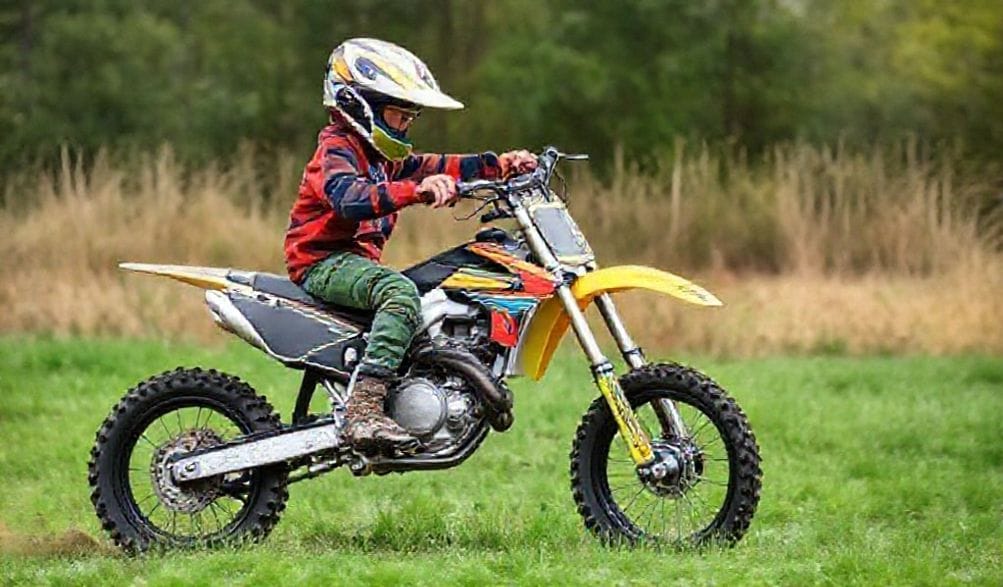
The Ultimate Parent’s Guide to Dirt Bikes for 6-Year-Olds (Safety, Selection & Getting Started)
That moment when your child’s eyes light up at the sound of a dirt bike, mirroring your own passion for riding, is pure magic. It sparks dreams of weekend adventures, shared trails, and passing on a love for motorsports. But for a parent, that excitement is almost instantly followed by a wave of questions and concerns. Is my child ready? How do I keep them safe? What on earth is the right bike? If you’re navigating these feelings, you’re in the right place.
This guide is designed to be your comprehensive, safety-first handbook for introducing your 6-year-old to the world of dirt bikes. We’ve distilled expert advice from seasoned riding instructors, manufacturer specifications, and hard-won wisdom from parents who’ve been in your shoes. Our goal is simple: to replace your anxiety with knowledge, empowering you to make a confident, informed decision that prioritizes your child’s safety and enjoyment. We’ll walk you through assessing readiness, decoding critical safety features, comparing electric and gas-powered options, and laying the groundwork for a positive first riding experience. Let’s get started on this journey the right way.
Is Your 6-Year-Old Ready for a Dirt Bike? Assessing Physical & Mental Readiness
Before you even look at a bike, the most important assessment happens at home. Readiness isn’t just about age; it’s a combination of physical capability and mental maturity.
Physical Requirements: Size, Strength, and Coordination
A dirt bike is not a toy; it’s a vehicle that requires specific physical skills. The most critical rule is the “flat-foot rule.” When sitting on the bike, your child should be able to place the balls of both feet flat on the ground comfortably. This is non-negotiable for a beginner, as it provides essential stability for stopping, balancing, and preventing tip-overs. For most 6-year-olds, this translates to a bike with a seat height between 19 and 22 inches.
Beyond height, consider:
* 油门控制: Can they operate a twist-grip throttle with control, not just a jerky, all-or-nothing motion? Their hand should be large and strong enough to manage it.
* Brake Lever Reach: They must be able to pull the brake levers (especially the front brake, which requires more effort) with at least two fingers while maintaining a grip on the handlebars.
* Core & Leg Strength: They need enough strength to hold the bike upright at a stop and to use their legs to grip the bike while riding.
* General Coordination: Basic balance, the ability to look ahead while managing controls, and solid motor skills are foundational.
Maturity and Mindset: Following Instructions and Risk Awareness
This is often the deciding factor. A physically capable child who won’t listen is at extreme risk.
* Rule Adherence: Can your child listen to and follow specific safety instructions, even when excited? “Always wear your helmet,” “Stop when I say stop,” and “Stay within this boundary” are commands that must be obeyed instantly.
* Focus and Respect: Riding requires constant attention to the terrain, the bike, and instructions. They need to understand that the bike is powerful and must be respected.
* Risk Awareness & Cause/Effect: A basic understanding that actions have consequences—like twisting the throttle hard makes the bike lunge, or not braking in time leads to a crash—is crucial. They should demonstrate a cautious, not reckless, approach to new physical challenges.
Critical Safety Features for a First Dirt Bike
Once you’ve established readiness, the bike itself becomes your primary tool for safety. These features are not optional extras for a beginner.
Engine Type & Size: Why CCs and Power Limiters Matter
For 6-year-old beginners, less power is unequivocally more.
* 发动机排量(CC): The sweet spot is a 50cc engine. Some larger or more experienced 6-year-olds may handle a 110cc, but only if it has a throttle limiter. Never start a true beginner on anything larger. Cubic Centimeters (cc) refers to engine displacement; more cc generally means more power and speed.
* Power Limiters: This is your best friend. Look for bikes with a screw-type throttle limiter or adjustable power modes (common on electric bikes). This allows you to restrict top speed to a safe crawl (e.g., 5-10 mph) for initial practice, gradually opening it up as skill develops.
* Electric vs. Gas: We’ll dive deeper later, but note that electric motors deliver instant, silent torque. A limiter or speed controller is just as vital on an e-bike.
Essential Bike Components: Brakes, Tires, and Suspension
- Transmission: 不仅是带马达的自行车,更是开启新体验的通行证。它让山川地貌更易亲近,放大骑行乐趣,重新定义两轮车的可能性。它关乎骑得更远、见得更多,并带着兴奋而非疲惫归家。 automatic clutch (or no clutch, like on many electric bikes) is ideal. It lets the child focus on balance, throttle, and braking without the complexity of shifting. Manual clutches come later.
- 刹车: Functional front and rear brakes are mandatory. Disc brakes typically offer better, more consistent stopping power than drum brakes, especially in wet or muddy conditions.
- 轮胎: Proper knobby, off-road tires provide the necessary grip on dirt, grass, and gravel. Street-style tires are dangerous for off-road use.
- 悬挂系统: At minimum, the bike should have front forks and a rear shock. This absorbs impacts from small bumps, keeping the bike stable and saving your child’s spine. Adjustable suspension is a bonus for fine-tuning the ride as they grow.
The Non-Negotiables: Safety Gear Head-to-Toe
The bike is one part of the equation; your child’s personal protective equipment (PPE) is the other. Gear is not where you cut corners or buy used (except maybe jerseys).
1. 摩托车仅是安全体系的一环。每次骑行都必须配备合规护具,绝无妥协余地。 头盔: DOT认证的 必须符合; 通过SNELL 或 或ECE certification is better. It must fit snugly without pressure points. A motocross-style helmet is designed for this sport.
2. 护目镜: Protect eyes from roost, dirt, and branches. Get a pair with a tear-off system and good ventilation to prevent fogging.
3. 靴子: 越野摩托车专用靴 are critical. They protect ankles from twists and breaks, provide support, and have grip for the footpegs. High-top sneakers are utterly insufficient.
4. 手套: 提升抓握力,防止手部起水泡,并在摔倒时提供抗磨损保护。.
5. 提供抓握力,防止手部起水泡,并提供耐磨保护。 Shields the torso, ribs, and back from impacts and handlebar jabs.
6. Knee/Shin Guards & Elbow Pads: These are often integrated into riding pants and jerseys. They prevent the most common beginner scrapes and impacts.
Types of Dirt Bikes for 6-Year-Olds: Electric vs. Gas-Powered
The great debate for modern parents. Each has its place, and the “best” choice depends on your specific situation.
Electric Dirt Bikes: Pros, Cons, and Top Considerations
优点:
* 安静运行: Perfect for practicing in backyards or suburban areas without disturbing neighbors.
* Low Maintenance: 无需更换汽油、机油、空气滤清器或火花塞。仅需为电池充电。.
* 即时可控的动力: 平顺线性的扭矩更易于部分初学者掌控。.
* 室内/狭小空间练习: 可在车库或私人车道上进行基础驾驶训练。.
缺点:
* 续航时间有限: 电池续航通常为30分钟至2小时,随后需长时间充电。不适用于整日越野骑行。.
* 缺乏“真实”驾驶感: 无法学习发动机管理、离合器操控或燃油摩托车的机械原理,这可能使日后过渡到燃油车型时更为困难。.
* 最高时速与功率: 仔细核对规格参数。重点关注 电压(如24V、36V) 及 额定功率. 。500W以上的电动越野车可能动力强劲,需配备限速装置。.
燃油动力越野车:优点、缺点与发动机基础
优点:
* 真实骑行体验: 从一开始即教授摩托车操作的基本原理。.
* 更长续航时间: 一箱燃油的续航远超过大多数电动自行车电池,且补充燃料快速便捷。.
* 技能进阶: 随着技能提升可更顺畅地过渡到更大排量车型,因其操控方式与机械原理相同。.
* 更广泛的社群与支持网络: 本田、雅马哈等品牌的售后市场及经销商网络极为完善。.
缺点:
* 噪音与尾气: 可能产生较大噪音及废气排放。需保证通风条件并顾及他人感受。.
* 定期维护: 需要定期更换机油、清洁空气滤清器并检查火花塞。.
* 燃油处理: 需安全储存及处理汽油。.
发动机类型说明: 对初学者而言, 四冲程发动机 四冲程发动机是标准选择。相比动力突兀的二冲程发动机,其容错性更高,动力输出平顺可控,维护流程也更简单。.
如何选择最适合的车型:分步选购指南
测量儿童身体数据与解读车型规格
- 测量内侧腿长: 让孩子穿袜靠墙站立。将书本紧贴其裆部平置(与地面平行),测量书本顶部至地面的距离即为内侧腿长。.
- 对比座椅高度: 车辆 座高 座高(标注于规格参数中)应 比孩子的内侧腿长短1-3英寸. 。这能确保他们双脚可平稳着地。.
- 考虑车重: 车辆 整备质量 (含油液)不应超过孩子体重的40%-50%。过重的车辆难以操控,倾倒时可能造成危险。.
新车与二手车:家长须知要点
- 新车优势: 新车优势:质保、历史记录清晰、最新安全功能、经销商支持。您为安心体验付费。.
- 二手车检查清单: 选购二手车需全面检查。注意:
- 车架与前叉对正: 无裂痕、弯曲或焊接瑕疵。.
- 制动功能: 刹车手柄回弹有力,刹车片保有足够材料。.
- 悬挂系统: 减震系统:.
- 发动机: 运行顺滑无漏油。.
- 操控装置: 发动机与传动:.
- 这是一个不容妥协的安全问题。标准自行车轮胎的额定性能无法承受持续60英里时速行驶所产生的离心力、热量积聚和负载。 启动顺畅,运转无烟雾或异响。.
关键建议: 油门与线缆:, 油门可迅速回位,所有线缆完好无损。.
轮胎与轮毂:
胎纹清晰无裂痕,轮毂转动无偏摆。
- 若缺乏机械知识,
- 本田 CRF50F: 应邀请懂行的朋友或聘请专业技师进行检测。.
- 雅马哈 PW50: 值得信赖的推荐车型与品牌.
- (注:以下为以可靠性和新手友好度著称的行业标杆车型示例,非商业推广。)
- 燃油动力车型: 本田CRF50F:.
- Oset 自行车: 专业的电动攀爬自行车。高度可调的功率和速度,出色的制造工艺,助力技能提升。.
值得研究的可靠品牌: 本田、雅马哈、川崎、KTM(燃油车型);Oset、赛格威、Sur-Ron(电动车型)。.
首次骑行:为成功做好准备并建立技能
重要的一天来临了。成功取决于准备和耐心。.
骑行前车辆准备与安全检查
将此作为一项例行程序。使用儿童友好的 T-CLOCS 清单进行:
* T – 轮胎与车轮: 胎压正常吗?有无割伤或损坏?
* C – 操控装置: 手把和油门是否活动自如并能自动回位?
* L – 灯光/机油与液体: (燃油车)汽油和机油液位正常吗?(电动车)电池充满电了吗?
* O – 链条与传动: 链条是否清洁、润滑且松紧度合适?
* C – 车架与支架: 有无螺栓松动?车身看起来是否端正?
* S – 支架: 侧支架好用吗?(如果配备)。.
寻找合适的练习环境
从一个你能想象到的最“无聊”的地方开始:一个 开阔、平坦、有草的场地, 没有障碍物、车辆或干扰的地方。一个空旷的场地、农场的安全角落,或越野车公园指定的新手练习区就非常理想。. 切勿 不要在公共小径、街道或任何有山坡、岩石或其他骑手的地方开始。.
基础练习与专业指导
- 第一天的练习: 关闭发动机,练习上下车、推行车辆、捏刹车。启动发动机(并启用限速器),练习起步、停车和直线缓行。然后,进行宽缓的八字形绕圈练习。.
- 黄金建议: 为您的孩子报名参加认证的初学者骑行课程。. 专业教练(例如来自摩托车安全基金会或当地越野摩托车学校的教练)会在受控环境中,从第一天起就教授正确的技术——身体姿势、刹车、转弯。这是您能为他们长期安全和乐趣所做的最佳投资。.
常见问题解答
问:什么尺寸的越野摩托车最适合6岁儿童?
答: 合适度比具体型号更重要。通常,6岁儿童适合 座高为19-22英寸、发动机排量为50cc. 的摩托车。始终以“双脚平放规则”作为首要指导原则。.
问:对于初学者,电动越野摩托车比燃油的更安全吗?
答: 它们有不同的风险特征。电动自行车更安静,机械部件更少,但它们仍然可以很快,需要给予同样的重视。燃油自行车涉及燃料和维护因素。归根结底,, 监督、合适的装备以及配备功率限制器的自行车,才是让任何自行车对初学者更安全的关键。.
座高19-22英寸
答: 对于一款 全新 燃油摩托车,预算在1,200 – 1,800美元。一辆优质的 全新 电动自行车价格在400 – 1,500+美元。. 基本安全装备(头盔、护目镜、靴子、胸甲、手套、护具)是强制性的额外支出,购买全新优质产品需要500 – 1,000+美元。. 二手摩托车可以将购车成本减半,但绝不能在装备上妥协。.
从您所在州的自然资源部(DNR)或公园与休闲网站开始。他们维护着指定的越野车辆公园和小径的地图和列表。当地的摩托车经销商和骑行俱乐部也是极佳的信息来源。
答: 这 头盔 头盔是最关键的,因为它能防止创伤性脑损伤。然而,应将安全装备视为一个 系统。. 靴子能防止致残的脚踝损伤,胸甲能保护重要器官。所有部件都必不可少。.
问:我的孩子在哪里骑越野摩托车是合法的?
答: 您必须查看您当地和所在州的法律法规。. 通常,在公共道路、人行道或公园骑行是非法的。合法骑行通常仅限于 私人领地(需获得明确许可) 或 指定的非公路机动车区域、小径和越野摩托车赛道。.
结论
引导您6岁的孩子接触越野摩托车骑行,应该是一段充满笑容、信心和安全进阶的旅程——而非恐惧或挫折。通过仔细评估他们的准备情况、坚持关键的安全功能和从头到脚的装备、选择一辆完全适合他们的自行车(而不是一辆他们“以后会长大合身”的车),并以专业指导开启他们的学习,您就奠定了最坚实的基础。.
请记住,这关乎 他们的 体验。慢慢来。拜访信誉良好的经销商,让孩子试坐不同的摩托车。与当地骑行俱乐部的其他家长交流。让这个过程像骑行本身一样充满乐趣。将安全和舒适置于速度或花哨的图案贴纸之上。当您这样做时,您不仅仅是在购买一辆自行车;您正在开启一扇通往终身冒险、技能以及小径上共享家庭回忆的大门。.
您的下一步: 今天就寻找并报名参加认证的初学者骑行课程。这是您可以购买的最佳“第一档装备”。.
METADATA_START—
显示标题:6岁儿童越野摩托车终极家长指南
搜索引擎优化标题:6岁儿童越野摩托车:2024年家长安全与购买指南
元描述:对6岁儿童的越野摩托车感到困惑?我们的专家指南涵盖安全装备、电动与燃油对比、本田CRF50F等热门车型,以及如何确保安全、有趣的开始。立即了解如何选择合适尺寸。.
图片提示:一个快乐、装备齐全的6岁儿童,戴着头盔、护目镜和胸甲,自信地坐在阳光明媚的草地上的一辆小型黄色越野摩托车上,一位家长跪在旁边竖起大拇指。.
—METADATA_END—