
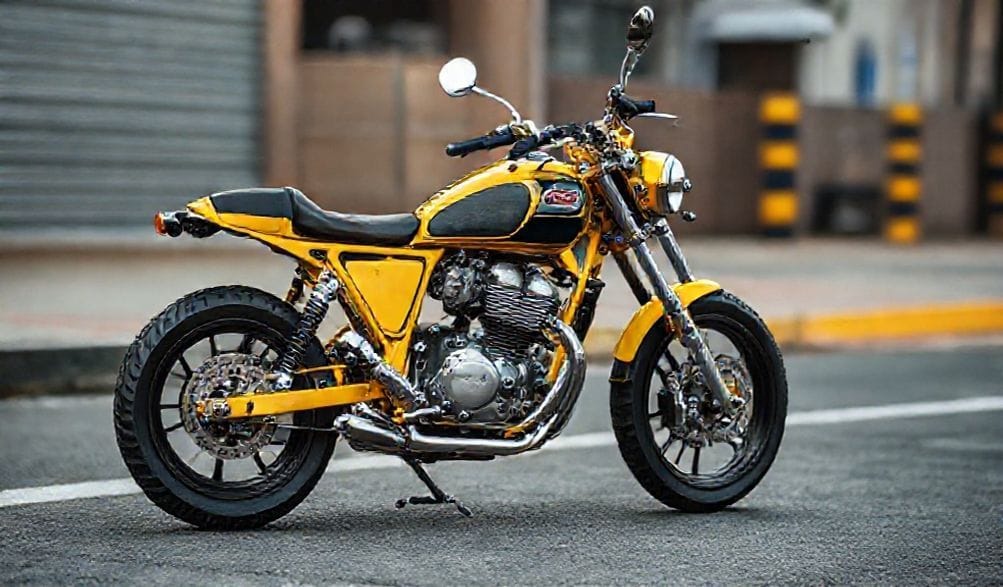
Surron Ultra Bee Street Legal Kit: Your Complete Guide to On-Road Compliance
The Surron Ultra Bee has electrified the off-road world with its potent performance and agile handling. For many owners, the dream quickly evolves: what if you could take that silent, thrilling power from the trails to the street? The idea of a lightweight, electric dual-sport is incredibly appealing. This is where the concept of a 서론 울트라 비 street legal kit enters the picture. However, transforming an off-road machine into a street-legal vehicle is far more complex than simply bolting on a few lights. It’s a journey through a maze of regulations, technical installations, and bureaucratic processes.
This comprehensive guide is designed to be your roadmap. We’ll demystify the entire process, moving beyond marketing claims to provide clear, actionable information. We’ll cover the legal requirements, dissect what a proper kit should include, walk through installation considerations, and navigate the daunting inspection and registration process. Our goal is to empower you with the knowledge to approach this project with your eyes wide open, ensuring any modification you make prioritizes safety, compliance, and the long-term enjoyment of your Ultra Bee.
Understanding Street Legal Requirements for Electric Motorcycles
Before you click “add to cart” on any kit, you must understand what “도로 주행 가능” truly entails. It’s not a single standard but a layered set of rules you must satisfy.
Federal DOT and State-Specific Regulations
At the federal level in the United States, the Department of Transportation (DOT) sets minimum safety standards for vehicle equipment. This includes specifications for lighting (like the brightness and pattern of a headlight), tire construction (DOT-approved tires), and other components. A Surron Ultra Bee street legal kit aims to provide equipment that meets these federal standards.
However, and this is the most critical point: state laws are the ultimate authority for vehicle registration and operation on public roads. The DOT sets a baseline, but your state’s vehicle code dictates exactly what is required for a motorcycle to be titled, registered, and plated. These laws vary 현저하게.
- Lenient States: Some states, like Arizona, have more straightforward processes for converting off-road vehicles, focusing primarily on the equipment meeting standards.
- Stringent States: Others, like 캘리포니아, have near-impossible hurdles. The California Air Resources Board (CARB) and DMV require a motorcycle to have an emissions label and an “On-Highway” Manufacturer’s Certificate of Origin (MCO), which the Ultra Bee typically lacks.
Furthermore, you must understand the distinction: a “street-legal kit” adds physical equipment; “state registration” is a legal status granted by your DMV. The former does not guarantee the latter.
Core Components for Road Compliance
While state laws differ, a common set of mandatory equipment forms the foundation of any conversion. A comprehensive Surron Ultra Bee street legal kit should address all of these:
- Lighting Systems: This is the most visible part of the conversion. You need a DOT-approved headlight with high and low beams, a taillight, a brake light, front and rear turn signals (amber front, red or amber rear), and side reflectors.
- Audible Warning Device: A horn, typically electric, that meets minimum decibel requirements to alert others.
- 미러: At least one (most states require two) rear-view mirror providing a clear view behind.
- Tires: This is a frequently overlooked but essential requirement. Off-road knobby tires are almost never DOT-approved. You must install tires that have the DOT stamp on the sidewall, indicating they meet federal safety standards for road use.
- Speedometer & Odometer: A functioning speedometer visible to the rider is required in all states. The Ultra Bee’s stock display works for this.
The Role of a Manufacturer’s Certificate of Origin (MCO)
This document is the birth certificate of your bike. When you purchased your Surron Ultra Bee, it almost certainly came with an MCO that states “For Off-Road Use Only.” This is the single biggest legal hurdle you will face.
The MCO dictates how the state categorizes the vehicle. Many DMVs will simply refuse to title and register a vehicle with an “Off-Road” MCO for on-road use, regardless of how many lights you bolt on. Some states have processes for “converted” vehicles, but they often involve special inspections (like a state patrol VIN verification) and may result in a unique vehicle title (like “Assembled Vehicle” or “Specially Constructed Vehicle”). You must research your specific state’s policy on this before investing time and money.
Analyzing Surron Ultra Bee Street Legal Kit Components
A high-quality kit is more than a box of parts; it’s an integrated system designed for your specific bike. Let’s break down what to look for.
Lighting System Integration
- Headlight & Taillight Assembly: The stock Ultra Bee lights are not DOT-approved. A proper kit will include replacements that carry DOT or SAE certifications. Integration is key: the best kits offer plug-and-play harnesses that connect to the bike’s existing wiring without splicing, while others may require more custom work.
- Turn Signal Systems: Look for durable, LED-based signals. Mounting options are crucial—front signals often mount to the handlebars or fork, while rear signals may attach to a new license plate bracket or the fender. A quality kit includes a flasher relay compatible with LED lights to ensure proper flash rate.
- Brake Light Activation: The brake light must activate from both brake levers. This requires a pressure switch that threads into the front brake master cylinder banjo bolt and a mechanical switch installed at the rear foot brake lever.
Essential Add-Ons for Safety and Compliance
- Horns: A simple, compact electric horn is standard. Ensure the kit includes a mounting bracket and the wiring to connect it to a switch.
- 미러: Handlebar-end mirrors are popular for their minimalism and effectiveness, but handlebar clamp mirrors are also common. Choose mirrors designed to handle the vibration of a dirt bike.
- DOT Tires: Kits rarely include tires due to size preferences and cost. You’ll need to purchase these separately. Popular dual-sport DOT tires like the Shinko 244 or Michelin Tracker can provide a good balance of on-road manners and off-road capability.
Wiring Harnesses and Control Switches
This is the nervous system of your conversion and where kit quality varies most.
- Wiring Harness: A dedicated, fused harness is non-negotiable. It should draw power from the battery (often via a relay) and cleanly distribute it to all new components, protecting the bike’s main electrical system.
- Control Switches: A new left-hand control cluster is essential. It should integrate buttons or switches for the horn, turn signals (with a cancel function), and headlight high/low beam. This replaces the stock kill switch/light button assembly.
Step-by-Step Installation Guide and Considerations
Installation is a significant project that requires mechanical aptitude and patience.
Pre-Installation Checklist
Gather your tools: wire strippers/crimpers, heat gun (for shrink tubing), electrical tape, multimeter, metric hex keys, and screwdrivers. SAFETY FIRST: Always disconnect the main battery pack before beginning any electrical work. Lay out all kit components and review the provided instructions alongside the bike’s service manual.
Installation Walkthrough (General Overview)
Note: This is a general guide. Always follow the instructions provided with your specific Surron Ultra Bee street legal kit.
- Mount Hardware: Install the new left-hand control switch, mirrors, and any brackets (license plate, horn).
- Route the Harness: Carefully run the new wiring harness along the bike’s frame, securing it with zip ties away from moving parts and heat sources.
- Connect Components: Plug in the headlight, taillight, turn signals, and horn to the harness. Install the brake light switches.
- Power Connections: Connect the main harness to the battery, typically via a fused link. Ensure all connections are secure and waterproofed (using dielectric grease and heat-shrink connectors is ideal).
- System Test: Before finalizing anything, reconnect the battery and test every function: headlight (high/low), taillight, brake lights (front and rear lever), turn signals (left/right), and horn.
Professional Installation vs. DIY
- DIY: Offers deep understanding of your bike, significant cost savings, and a great sense of accomplishment. It’s feasible for anyone comfortable with basic wiring and mechanical work.
- Professional: Recommended if you are uncomfortable with electrical systems, lack tools, or want a guaranteed clean installation. A motorcycle mechanic familiar with dirt bikes or conversions can ensure everything is done correctly and safely. Expect to pay several hundred dollars for labor.
The Inspection and Registration Process
The installed kit is just the first battle. Now you must win the legal war.
Preparing for the State Inspection
Many states require a physical inspection by the DMV, state police, or a licensed inspection station. They will verify:
* The VIN matches your paperwork.
* All required equipment (lights, horn, mirrors, tires) is present, functional, and appears DOT-compliant.
* That the vehicle is safe to operate.
Create your own pre-inspection checklist and go through it thoroughly. Ensure all lights are blindingly bright in daylight and all wiring is tidy and secure.
Navigating DMV Paperwork and Title
This is where you confront the MCO challenge. With your inspection certificate in hand, you go to the DMV to apply for a title, registration, and license plate. The clerk will look at your “Off-Road Use Only” MCO. What happens next depends entirely on your state’s policy.
- Some states may have a specific form for “Off-Road Vehicle Conversion.”
- Others may title it as an “Assembled Vehicle,” which can involve additional paperwork and fees.
- The “Vermont Loophole” is often discussed online: registering an out-of-state vehicle by mail in Vermont (which doesn’t require an in-state inspection for older vehicles) to obtain a registration, then using that to title the bike in your home state. This process is complex, may be closing, and is not legal advice. You must research the current laws extensively.
- A bonded title is another potential, but lengthy and expensive, path.
Ongoing Compliance: Insurance and Renewals
You will need proof of motorcycle insurance to register the bike in most states. Contact insurance providers (including those specializing in motorcycles) for a quote. Once registered, you must maintain the equipment, renew your registration annually, and keep the bike insured to stay legal on the road.
FAQ: Surron Ultra Bee Street Legal Kit
Q: Will any street legal kit make my Surron Ultra Bee 100% legal?
A: No. A kit provides the necessary equipment. Legal registration depends 100% on your state’s laws, a successful inspection, and the DMV’s willingness to title a bike with an “Off-Road” MCO. The kit is just the first step.
Q: Is it possible to get a true “street legal” title for a Surron Ultra Bee in all 50 states?
A: No. State laws differ drastically. It is relatively straightforward in some states and virtually impossible in others (notably California). Success is entirely dependent on your local jurisdiction.
Q: How much does a full street legal conversion cost?
A: Budget carefully. A quality kit costs $200-$600. DOT tires are $150-$300. Professional installation can add $200-$500. Then add state fees (inspection, title, registration, taxes) and mandatory insurance. Total costs can easily range from $600 to over $1,500.
Q: Does adding a street legal kit void my Surron’s warranty?
A: It very well might. Modifying the electrical system can void the warranty on associated components. Always review Surron’s warranty terms. Using a secondary harness that doesn’t cut into the factory wiring is the best way to minimize this risk.
Q: 키트 설치 후 오프로드 모드로 쉽게 다시 전환할 수 있나요?
A: 예, 사전 계획이 필요합니다. 방향지시등용 빠른 분리 커넥터와 탈부착 가능한 번호판/미등 브라켓을 사용하면, 순수한 오프로드 주행을 위해 도로용 구성품을 몇 분 만에 제거할 수 있어 바이크를 가볍고 깔끔하게 유지할 수 있습니다.
결론
서론 울트라 비를 도로 주행용으로 개조하는 과정은 street legal kit 모든 라이더 내면의 문제 해결자를 자극하는, 세부 사항에 주의를 기울여야 하는 도전적인 프로젝트입니다. 이를 통해 놀라운 자유를 얻을 수 있으며, 바이크를 진정한 도시 탐험가 및 지방 도로 모험 차량으로 변모시킬 수 있습니다. 그러나 성공은 다음 세 가지 확고한 기둥 위에 세워집니다: 통합 설계된 고품질의 완전한 키트 선택; 꼼꼼하고 안전한 설치 수행; 그리고 가장 중요한 것은, 귀하의 주(州)의 고유한 법적 환경을 철저히 조사, 이해, 그리고 준비하는 것입니다. 이 과정은 인내심, 관료적 절차를 처리할 의지, 그리고 상당한 투자를 요구합니다. 안전과 완전한 법적 준수를 지름길보다 우선시함으로써, 궁극적인 목표인 개방된 도로에서 울트라 비의 독특한 전기 스릴을 책임감 있게 즐기는 길로 나아갈 수 있습니다. 가장 권위 있고 최신 정보를 얻기 위해선, 항상 가장 먼저 귀하의 지역 자동차국(DMV) 웹사이트나 사무실을 방문해야 합니다. 현명하게, 안전하게 운전하시길 바랍니다. 행운을 빕니다.
메타데이터_시작—
DISPLAY_TITLE: 서론 울트라 비 도로 주행 합법화 키트: 최고의 온로드 개조 가이드
SEO_TITLE: 서론 울트라 비 도로 주행 합법화 키트 | 완전한 DIY 개조 가이드 2024
META_DESC: 서론 울트라 비를 도로 주행 합법화하고 싶으신가요? 저희의 완벽한 가이드는 키트, DOT 요구사항, 주 법률, 설치, 그리고 DMV 절차를 다룹니다. 개조 전에 사실을 확인하세요.
IMG_PROMPT: 교외 도로에 주차된 서론 울트라 비 전기 더트 바이크. LED 방향지시등, 대형 헤드라이트, 백미러, 번호판, DOT 승인 타이어를 포함한 완전한 도로 주행 합법화 키트가 장착되어 있으며, 전경에는 공구 상자와 배선도가 보입니다.
—METADATA_END—