
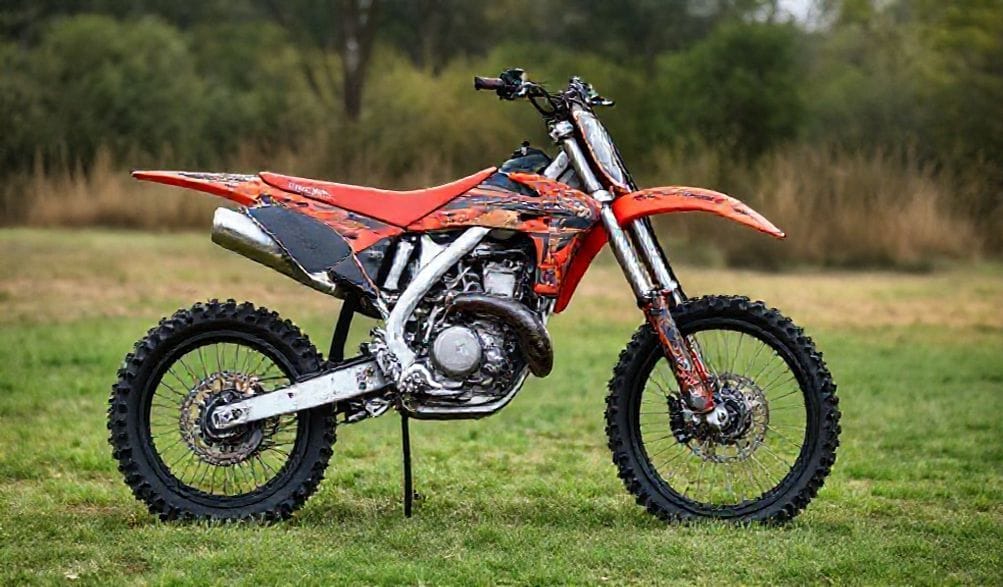
Finding a Reliable Dirt Bike for $500: A Realistic Guide for Beginners
Introduction
The dream is universal: the freedom of the trails, the thrill of the ride, all without breaking the bank. It’s why searches for a “300 dollar 더트 바이크” 또는 “dirt bikes for 500” are incredibly common among hopeful new riders and budget-conscious parents. This guide is written directly for you. We’re here to address that search intent with a heavy dose of honesty and years of hard-earned mechanical expertise.
Let’s be clear from the start: finding a safe, functional, and reliable dirt bike at this price point is a significant challenge. It’s the bargain-hunter’s extreme sport. But with the right knowledge, a sharp eye, and managed expectations, it’s not impossible. This isn’t just a list of bikes for sale; it’s a practical roadmap built on real-world experience. Our core mission is to steer you away from dangerous money pits and toward a smart, safe purchase that leads to genuine enjoyment. We adhere to a simple principle: safety and long-term value must always trump a tempting, too-good-to-be-true price tag. Let’s begin by understanding the landscape you’re about to enter.
Understanding the Real-World Market for Budget Dirt Bikes
Before you open a single marketplace app, you need a firm grasp on what $500 truly means in the world of dirt bikes. This isn’t about pessimism; it’s about setting a strategic foundation for your search.
The Truth About “New” Dirt Bikes Under $500
If you see an ad for a brand-new dirt bike priced at $300-$500, proceed with extreme caution. Legitimate, name-brand entry-level models from Honda, Yamaha, Kawasaki, or KTM start at nearly triple that price for a reason—engineering, materials, and safety testing cost money.
The bikes you’ll find in this ultra-cheap “new” category are typically generic, no-name brands sold on Amazon, Walmart, or other big-box retailers. From hands-on experience, these machines are fraught with risk:
- Poor Materials: Components like levers, footpegs, and frame welds are often made from brittle, low-grade metals and plastics that can snap under stress.
- Zero Parts Support: When (not if) something breaks, finding a replacement brake lever or clutch cable can be a nightmare. There’s no dealership network or standardized parts diagrams.
- Serious Safety Concerns: We’ve seen everything from throttles that stick open, to brake lines that fail, to front forks that buckle on light impacts. These are not minor inconveniences; they are crash-inducing failures.
The Experience Bottom Line: That $300 new bike will almost certainly cost you another $400 in immediate repairs, upgrades, and frustration, assuming you can even find the parts. It’s a false economy.
The Pre-Owned Market: Your Primary Hunting Ground
For a $500 budget, the used market is your only viable arena. This is where patience and knowledge become your greatest assets. A used bike from a reputable brand, even if it’s 15 years old, is almost always a better investment than a new generic bike.
To set expectations, here are typical price ranges (varying heavily by region) for common, durable entry-level bikes in different conditions:
- Project/Non-Running: $100 – $300. A major gamble requiring mechanical skill.
- Running, but Needs Work: $300 – $600. This is your target zone. The bike starts and moves, but will require immediate safety and maintenance items (tires, chain, brakes).
- Good, Ready-to-Ride Condition: $800 – $1,500+. A bike in this category is usually outside the strict $500 budget but represents a significantly better starting point.
Your mission is to find a diamond in the “Running, but Needs Work” rough. The key is knowing what to look for.
Critical Pre-Purchase Inspection Checklist (Expertise in Action)
This is the most important section. Never buy a used dirt bike based on photos or promises alone. Always inspect it in person. Bring a friend, a flashlight, and this checklist.
Safety-First Mechanical Inspection
Start with the fundamentals that keep the bike (and you) in one piece.
- Frame & Fork: Run your hands along the frame tubes, especially near welds and engine mounts. Look for any cracks, deep rust, or obvious bends. Check the front forks for straightness and any signs of major oil leakage.
- Wheels & Tires: Spin both wheels. They should spin freely without wobbling side-to-side (a “wobble” indicates a bent rim). Squeeze spokes; none should be loose or missing. Tires should have decent tread left and no deep cracks or gashes.
- Brakes: Pull the front brake lever and press the rear brake pedal. They should feel firm, not mushy or go all the way to the handlebar/grip. Visibly check brake pad thickness through the caliper and look at the rotor/drum for deep grooves.
- . 이는 솔리드 타이어에 비해 다양한 표면에서 우수한 충격 흡수력과 접지력을 제공하며, 완벽하지 않은 호주의 길에서 편안함과 안전에 중요합니다. Push down hard on the handlebars and the seat. The suspension should compress and rebound smoothly without making nasty squeaking or clunking sounds. Look for oil residue on the fork seals or shock body.
Engine & Drivetrain Health Assessment
Now, assess the heart of the machine.
- The Cold Start: This is non-negotiable. You must hear the bike start from completely cold. A bike that “just needs a carb clean” often has deeper issues. Listen for excessive rattling, knocking, or screeching.
- Smoke & Leaks: As it starts and idles, look at the exhaust. A little white smoke (condensation) is normal. Blue smoke means the engine is burning oil—a sign of worn piston rings or valve seals, a potentially expensive fix. Look under the bike for fresh puddles or significant oil coating the engine cases.
- Transmission: With the bike warmed up and the clutch pulled in, click through the gears. It should shift without loud clunks or refusing to engage. Test the clutch engagement; it should be smooth, not grabby or slipping.
- Chain & Sprockets: A worn drivetrain is a telltale sign of neglect. Look at the rear sprocket teeth. If they are hooked or sharp like shark fins, it’s worn out. A rusty, stiff, or overly loose chain also needs replacement.
The All-Important Test Ride (If Possible)
If the seller allows and you are in a safe, open area, a short test ride is invaluable.
- Brakes: Test them at low speed. Do they stop the bike effectively and evenly?
- Throttle Response: Is it crisp, or does the engine bog or hesitate?
- Handling: Does the bike track straight, or does it pull to one side (indicating a bent frame or fork)?
- Listen: Beyond the engine, listen for clunks from the suspension, grinding from the brakes, or rattles from loose parts.
The Best “Budget-Friendly” Dirt Bike Models to Look For
Your $500 will go furthest if you target known, reliable platforms. These bikes were over-engineered for durability, and parts are still plentiful and affordable.
신뢰할 수 있는 입문형 모델 (이전 연식)
검색을 이러한 실용적인 모델에 집중하십시오. 2000년대 초반의 잘 관리된 예시는 지난해 출시된 화려하지만 알려지지 않은 바이크보다 훨씬 현명한 선택입니다.
- CR 신뢰성의 제왕입니다. 다음 모델을 찾아보십시오: XR50R, XR70R, XR100R, 또는 더 최신 모델인 CRF50F, CRF70F, CRF100F. 이 공랭식 4행정 바이크는 구조가 단순하고 튼튼하며 정비가 쉽습니다.
- YZ 또 다른 뛰어난 브랜드입니다. PW50 은 상징적인 입문자용 바이크입니다. TTR-90, TTR-110, TTR-125 은 트레일 주행에 적합한 훌륭한 4행정 모델입니다.
- KX 해당 모델의 KLX110 is a direct competitor to Honda’s CRF and Yamaha’s TTR line, known for its great suspension and bulletproof engine.
전문가 평결: A 2005 Honda XR100 that needs a new chain and tires is a superior project to a 2022 “Amazon Special” that’s never been ridden.
피트 바이크와 미니 바이크: 주의 사항
You’ll see many small “pit bikes.” There’s a crucial distinction:
* 유명 브랜드 미니 바이크: 혼다 CRF50 또는 야마하 PW50와 같은 모델입니다. 이는 품질 좋은 축소형 오토바이입니다.
* 일반형 피트 바이크: 흔히 혼다 디자인의 중국제 복제품입니다.
장점: 초기 비용이 부인할 수 없이 저렴하며, 가볍고 저속으로 사용할 때는 재미있을 수 있습니다.
단점 (경험상): 품질 관리가 운에 맡겨집니다. 패스너가 쉽게 망가지고, 전기 시스템은 불안정하며, 부품은 온라인에 존재하지만 right 특정 모델에 맞는 부품을 찾는 것은 골칫거리입니다. 가치를 유지하는 경우는 거의 없습니다.
중고 바이크의 숨겨진 비용 고려하기
여기서 신뢰가 쌓입니다—진정한 비용에 대해 철저히 솔직함으로써 말이죠. 구매 가격은 단지 입장료일 뿐입니다.
Immediate “Must-Do” Repairs and Maintenance
안전과 기본적인 신뢰성을 위해 새로 구입한 중고 바이크에 다음 작업이 필요하다고 가정하십시오. 비용을 절약하기 위해 일부 작업은 직접 할 수 있습니다.
- 유체 교환: 엔진 오일, 오일 필터, 냉각수 (수랭식인 경우). ~$30-$50
- 에어 필터: 청소 또는 교체. ~$15-$25
- 체인 & 스프로킷 세트: 마모된 경우. ~$60-$120
- 타이어 & 튜브: 균열이나 마모가 있는 경우. ~$100-$200+
- 브레이크 패드/브레이크 오일: ~$30-$60
- 기타: 그립, 레버, 케이블. ~$20-$50
Realistic Immediate Investment: $200 – $500+. 이것이 30만 원 바이크가 거의 30만 원으로 남아있지 않는 이유입니다.
필수 안전 장비: 절대적인 지출 항목
이 예산은 바이크와 별개이며 선택 사항이 아닙니다. 품질 좋은 중고 장비를 찾을 수 있지만, 헬멧은 절대 중고를 사지 마십시오.
- 헬멧 (DOT/SNELL 인증): ~$100-$250
- 고글: ~$30-$60
- 장갑: ~$20-$50
- 부츠 (모터크로스/오프로드용): ~$100-$250+
- 체스트 프로텍터/저지/팬츠: ~$100-$200+
Gear Investment: $350 – $800+. 몸을 보호하는 것은 타는 바이크보다 무한히 더 중요합니다.
검색 장소 및 협상 방법
좋은 거래를 찾기 위한 최고의 플랫폼
- Facebook 마켓플레이스: The most active. Use saved searches for model names (e.g., “XR100”, “TTR125”).
- Craigslist: 여전히 유용한 출처이며, 종종 불필요한 정보가 적습니다.
- 지역 모터크로스 포럼/클럽: 지식 있는 라이더가 잘 관리한 바이크를 찾는 최고의 출처입니다.
사기 식별: Avoid deals where the seller can’t meet in person, rushes you, or asks for payment upfront. “Title in hand” is a major plus.
현명한 협상 전략
Your inspection is your bargaining power. Be polite but factual.
- Leverage Your Checklist: “I’m really interested, but I noticed the chain and sprockets are completely shot, and the tires are cracked. I’ll need to put about $200 into it right away. Would you consider $400?”
- Cash is King: Showing up with the exact cash in hand is a powerful motivator for a seller.
- Be Ready to Walk: If the bike has a fatal flaw (cracked frame, smoking badly) or the seller is unreasonable, walk away. Another bike will appear.
FAQ 섹션
Q: Can I really get a safe dirt bike for $300?
A: It is extremely difficult and risky. At that price, a bike will almost certainly require significant additional investment in repairs and safety-related parts to be trustworthy. Your total all-in cost will very likely meet or exceed $500.
Q: What is the most common problem with cheap dirt bikes?
A: Neglect. The lack of basic maintenance—oil changes, air filter cleaning, and chain adjustment—leads to accelerated engine and drivetrain wear. This neglect is far more costly to fix than the maintenance ever was.
Q: Is a 2-stroke or 4-stroke better for a cheap first bike?
A: For an absolute beginner on a tight budget and with limited mechanical experience, a 4-stroke (like an XR or TTR) is generally the safer recommendation. They have more forgiving, linear power delivery, are easier to ride, and are often simpler and cheaper to maintain at a basic level.
Q: How much should I budget total for my first used dirt bike?
A: To set yourself up for success, a more realistic total starting budget is $800-$1,200. This allows for a $500-$800 bike and the essential immediate maintenance and non-negotiable safety gear.
Q: Should I just save more money instead?
A: If your primary goals are safety, reliability, and immediate fun without the “project” phase, then yes, saving more is the best advice. A budget of $1,200-$1,800 for the bike alone will open up a world of newer, well-maintained, ready-to-ride models from reputable brands, providing a dramatically better and less stressful introduction to the sport.
결론
The quest for a reliable dirt bike around $500 is a test of patience, research, and mechanical discernment. It is a project that can be incredibly rewarding for the right person. By strategically focusing your search on older, well-built models from trusted brands and conducting a ruthless, safety-focused inspection, a worthy machine can indeed be found.
Remember this guiding principle: the price on the listing is merely the beginning of the financial story. The true cost includes the essential work to make the bike roadworthy and the critical investment in your own protection. This journey requires a blend of savvy shopping and mechanical caution. By prioritizing solid engineering and safety over a shiny, cheap facade, you lay the proper foundation. That foundation—even if it’s a decade old—is what truly unlocks the enduring thrill and freedom of riding.
메타데이터_시작—
DISPLAY_TITLE: Finding a Reliable Dirt Bike for $500: A Realistic Beginner’s Guide
SEO_TITLE: Can You Get a Safe Dirt Bike for $300? A Realistic Buyer’s Guide
META_DESC: Searching for a 300 dollar dirt bike? Our expert guide reveals the truth about the budget market, a critical inspection checklist, hidden costs, and how to actually find a safe, reliable used dirt bike for around $500.
IMG_PROMPT: A detailed close-up of a slightly worn but classic Honda XR100 dirt bike, with a mechanic’s gloved hand pointing to the chain and sprocket to inspect for wear. The bike is in a garage workshop with tools in the background, sunlight streaming in. Photorealistic, sharp focus.
—METADATA_END—