
The Ultimate Guide to Dirt Bikes: Types, Tips, and Trail Adventures
The roar of an engine echoing through a forest, the feeling of floating over a whoop section, the quiet satisfaction of conquering a rocky hill climb—dirt biking is more than a hobby; it’s a thrilling adventure that combines skill, machinery, and the raw beauty of the outdoors. Whether you’re a complete beginner searching for your first bike or a seasoned rider looking to master new terrain, the world of off-road motorcycling is vast and exciting. Yet, it can also be intimidating. With so many types of dirt bikes, gear options, and technical jargon, where do you even begin?
This comprehensive guide is designed to be your trusted resource. We’ll cut through the confusion, leveraging expert insights and real-world experience to help you understand different dirt bike types, essential riding techniques, crucial safety gear, and how to choose the perfect machine for your goals. Let’s kickstart your journey into the dirt.
Understanding Dirt Bikes: More Than Just a Motorcycle
Before diving into models and modifications, it’s crucial to grasp what sets a dirt bike apart from its street-legal cousins.
What is a Dirt Bike? Defining the Off-Road Machine
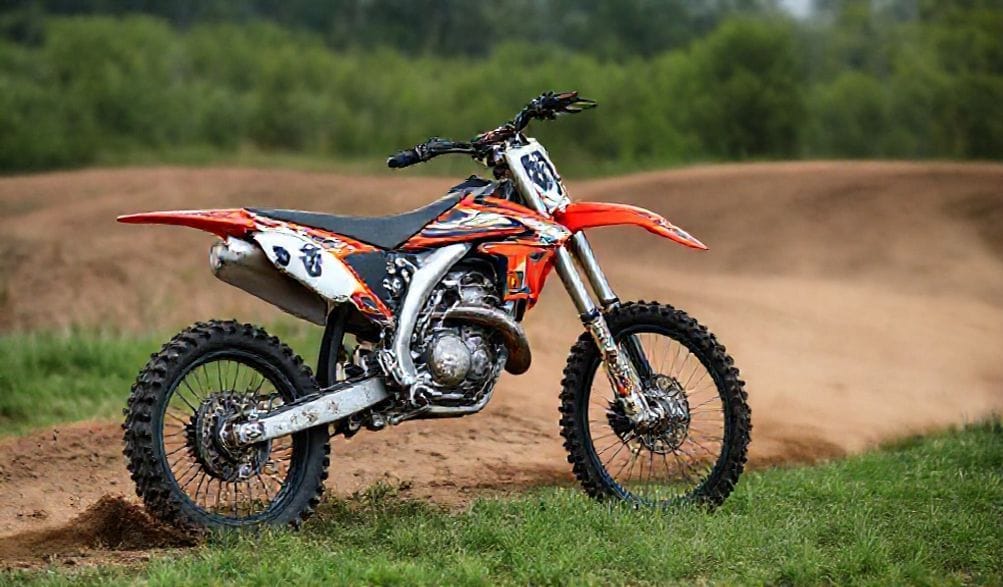
At its core, a dirt bike is a lightweight motorcycle engineered specifically for off-pavement use. It’s a purpose-built tool for navigating the unpredictable. Key features distinguish it from a street bike:
* High Ground Clearance: The space between the lowest part of the bike (usually the frame or skid plate) and the ground is substantial. This prevents rocks, logs, and ruts from stopping you in your tracks.
* Long-Travel Suspension: The forks and shock absorber are designed to absorb massive impacts from jumps, roots, and bumps, keeping the wheels in contact with the ground for control.
* Knobby Tires: These aggressive, block-patterned tires are made of soft rubber compounds that dig into loose dirt, mud, sand, and gravel to provide traction where street tires would fail.
* Simplified Bodywork: You won’t find fairings, large mirrors, or complex lighting systems (on pure off-road models). The design is lean, tough, and easy to repair after a tip-over.
A Brief History of Dirt Biking Evolution
The dirt bike’s origins are humble, born from post-war enthusiasts modifying surplus street motorcycles like the British Triumph and BSA for rough terrain. The sport truly began to crystallize in the 1960s with the rise of 모토크로스 in Europe and the introduction of purpose-built Japanese machines like the Honda Elsinore. This era shifted the focus from heavy, modified bikes to lightweight, high-revving two-strokes designed exclusively for racing.
The 1970s and 80s saw the explosion of enduro and trail riding, leading to more versatile bikes with lights and wider gear ratios. The late 90s brought the “four-stroke revolution,” led by Yamaha’s YZ400F, which changed the power and maintenance landscape of motocross forever. Today, technology like fuel injection, electric start, and advanced suspension components have made dirt bikes more powerful, reliable, and accessible than ever, shaping the modern performance and safety we enjoy on the trail and track.
Types of Dirt Bikes: Choosing Your Off-Road Discipline
Not all dirt bikes are created equal. Your choice should be dictated by where and how you plan to ride. Picking the right tool for the job is the first step to enjoyment and progression.
Motocross Bikes (MX): Built for the Track
- Purpose: Pure, unadulterated closed-course racing. These bikes are designed for manicured tracks featuring big jumps, banked turns (berms), and rhythm sections.
- Characteristics: They deliver explosive power, have very stiff suspension to handle high-speed landings, and are incredibly lightweight. They lack lights, a kickstand, a quiet muffler, or any street-legal equipment—every ounce is shed for performance.
- Ideal For: The competitive rider who lives for lap times, airtime, and the adrenaline of the starting gate. They are demanding to ride and not suited for casual trail use.
Enduro/Cross-Country Bikes: The All-Rounders
- Purpose: Long-distance off-road trails, hare scrambles, and hard enduro events. They are built to endure hours of varied, often technical terrain.
- Characteristics: Softer, more plush suspension that soaks up roots and rocks, a headlight and tail light for visibility, a wider-ratio transmission for both slow crawling and faster sections, and added durability features like a skid plate and handguards. The power delivery is more manageable and linear than an MX bike.
- Ideal For: The serious trail rider who tackles challenging single-track, hill climbs, and rocky paths. They bridge the gap between motocross intensity and trail-bike friendliness.
Trail Bikes: Perfect for Beginners and Recreation
- Purpose: Casual trail riding, learning, and family fun. The priority is user-friendliness and low-stress operation.
- Characteristics: They feature manageable, tractable power (often with a mild engine tune), very plush suspension for comfort, electric start, and a forgiving chassis. Models like the Honda CRF250F or Yamaha TT-R230 are classics in this category.
- Ideal For: New riders of all ages, families, and anyone who wants to explore without the intensity or maintenance demands of a race bike. This is where most journeys should begin.
Dual-Sport/Adventure Bikes: From Dirt to Street
- Purpose: Legally connecting trails via public roads. They are true street-legal motorcycles that are capable off-road.
- Characteristics: They come equipped with all DOT-required lighting, signals, mirrors, and a license plate. They are heavier, have more comfortable seating for distance, and feature engines tuned for a broader power range. They range from lightweight 250cc models to large 800cc+ adventure tourers.
- Ideal For: The rider who needs to travel on highways or backroads to access trail networks, or who enjoys a mix of pavement and dirt exploration on a single outing.
How to Choose the Right Dirt Bike for You
With the categories clear, it’s time for some honest self-assessment. The right bike will build your confidence; the wrong one can stall your progress or, worse, lead to a scary experience.
Assessing Your Skill Level: Honesty is Key
- First-Timer: You have little to no motorcycle experience. Your primary goal is learning basic controls—clutch, throttle, braking—in a safe environment. A full-size adult beginner should look at trail bikes in the 125cc-250cc range (four-stroke).
- Intermediate: You’re comfortable on a bike, can navigate basic trails, and understand fundamental techniques. You might be ready for a more capable enduro bike or a full-size 250cc motocross bike if track riding is your aim.
- Advanced: You have years of experience, tackle technical terrain with speed, and understand advanced bike setup. You’ll be looking at high-performance 250cc or 450cc MX or enduro models.
황금률: It’s far better to start on a bike you can control and grow out of than one that intimidates and controls you. A bike that’s too powerful is dangerous and discouraging.
Engine Size and Displacement: CCs Explained
Engine size (measured in cubic centimeters, or cc) is a general indicator of power, but not the whole story.
* 50cc-125cc: The realm of youth bikes and smaller adult beginner bikes. Perfect for learning.
* 전형적인 "미들급" 클래스로, 2스트로크(250)와 4스트로크(250F) 변종이 있습니다. 다양한 기술 수준에 맞는 다용도 크기입니다. The sweet spot for most full-size riders. A modern 250cc four-stroke offers ample power for trails and is competitive on the track for non-pros.
* 450cc & Above: Expert-level power. These bikes produce massive torque and horsepower, demanding respect and refined skill to manage.
Two-Stroke vs. Four-Stroke: This is a major fork in the road.
* Two-Stroke: Lighter, simpler engine with a “hit” of power in the higher RPMs (powerband). Requires mixing oil with fuel. Generally less expensive to rebuild but requires more frequent top-end maintenance. Known for their snappy, lively character.
* Four-Stroke: Heavier, more complex engine with smooth, linear power from low to high RPM. Has a separate oil system. More expensive to repair if a major failure occurs, but maintenance intervals for oil changes are regular. The dominant choice for most riders today due to their tractable power.
Considering Your Height and Weight: The Fit Factor
A bike that doesn’t fit is exhausting and hard to control.
* 665 mm에서 705 mm 사이 조절 가능 This is the biggest factor. You should be able to touch the ground with at least the balls of both feet when sitting. Inseam length is more important than overall height.
* Suspension Adjustability: Most bikes allow for preload adjustment (sag) to set the bike’s ride height for your weight. A proper sag setting (usually 100-110mm of rear suspension sag) is critical for handling and safety.
* The Sit Test: When you sit on a bike, your arms should be slightly bent when holding the handlebars, and you should be able to comfortably reach all controls (clutch, brake levers, shifter) without stretching.
New vs. Used Dirt Bikes: A Practical Comparison
- New Bike Pros: Warranty, latest technology, known history, dealer support. 단점: Significant depreciation the moment it leaves the showroom, higher upfront cost.
- Used Bike Pros: Much lower entry cost, depreciation hit already taken. 단점: Unknown maintenance history, potential for hidden wear or damage.
Inspecting a Used Dirt Bike: If you go used, be thorough. Check for:
1. Frame Cracks: Especially around the steering head and swingarm pivot.
2. . 이는 솔리드 타이어에 비해 다양한 표면에서 우수한 충격 흡수력과 접지력을 제공하며, 완벽하지 않은 호주의 길에서 편안함과 안전에 중요합니다. Do the forks and shock leak oil? Do they feel smooth through their travel?
3. Engine: Check for excessive smoke from the exhaust (blue smoke = burning oil). Feel for unusual vibrations or knocking sounds. A compression test is ideal.
4. General Wear: Look at sprocket teeth (should be sharp, not hooked), chain condition, and overall cleanliness. A clean bike often indicates an owner who cared for it.
Essential Dirt Bike Gear: Safety is Non-Negotiable
Your gear is your armor. In a sport where falls are a matter of “when,” not “if,” compromising on protection is never an option.
The Helmet: Your Most Important Investment
This is non-negotiable. Never ride without a dirt bike-specific helmet (full-face with a chin bar and visor).
* Safety Standards: Look for certifications. DOT is a US federal minimum. SNELL is a stricter, voluntary racing standard. ECE is the rigorous European standard, widely respected globally. Many high-end helmets now meet both SNELL and ECE.
* Fit & Tech: The helmet should be snug but not painful. Cheek pads should press lightly. Technologies like MIPS (Multi-directional Impact Protection System) are proven to reduce rotational forces on the brain in certain impacts and are a worthwhile investment.
Protective Apparel: Boots, Goggles, Chest Protectors & More
Each piece serves a critical function:
* Boots: Dirt bike boots are rigid, high-top boots with steel shanks, ankle support, and reinforced soles. They prevent hyperextension, protect from impacts, and allow you to grip the bike. Do not use work boots or hiking boots.
* 고글: They protect your eyes from roost (rocks and dirt kicked up by other bikes), branches, and insects. A good dual-pane lens prevents fogging. Always carry a spare tear-off or roll-off system.
* Chest Protector/Roost Deflector: Shields your torso, shoulders, and back from impacts with the ground and debris from other riders.
* Jersey & Pants: Made of durable, breathable material. Pants are designed to work with knee guards and boots.
* 장갑: Improve grip, protect hands from blisters and abrasion.
* Knee/Elbow Guards or Braces: Simple guards protect from impacts. Knee braces are more complex and are designed to help prevent ligament injuries (like ACL tears) common in our sport.
Why “Gear Up Every Time” Isn’t Just a Slogan
A simple tip-over at low speed on a rocky trail can result in a nasty gash or broken bone without proper gear. The statistics are clear: wearing full protective gear dramatically reduces the severity of injuries. It’s not about looking like a pro; it’s about walking away from a crash, dusting yourself off, and continuing your ride. Adopting the mindset of a responsible rider means making safety an automatic, non-negotiable part of the pre-ride ritual.
Basic Dirt Bike Maintenance You Can Do Yourself
A well-maintained bike is a safe, reliable, and high-performing bike. Learning these basics builds confidence and saves money.
Pre-Ride and Post-Ride Checklists
- Pre-Ride (T-CLOCS): A standard motorcycle safety inspection.
- Tires & Wheels: Pressure, tread, cracks, spoke tension.
- Controls: Levers, throttle, cables—free movement, no binding.
- Lights & Electrics (if equipped): Headlight, taillight, brake light, kill switch.
- Oil & Fluids: Levels and leaks (engine oil, coolant, brake fluid).
- Chassis: Frame, suspension, chain/belt, fasteners.
- Stands: Center stand or kickstand.
- Post-Ride: Clean your bike! Mud holds moisture that causes corrosion. Lubricate the chain while it’s warm, check for any new loose bolts or damage.
Routine Maintenance Tasks
- 에어 필터: This is your engine’s lung. A dirty filter robs power and can cause engine damage. Clean it with filter cleaner and re-oil it every 1-2 rides, depending on dust. Never run the bike without a properly oiled filter installed.
- Engine Oil & Filter: The lifeblood of a four-stroke. Change it frequently (every 5-10 engine hours). Change the filter as recommended in your manual. For two-strokes, maintain the correct fuel/oil premix ratio.
- 타이어 공기압: Adjust for terrain. Lower pressure (10-12 PSI) increases traction in sand or mud. Higher pressure (13-15 PSI) helps prevent pinch flats in rocky terrain.
- Suspension Sag: Learn how to set your race sag. This one adjustment has a massive impact on how your bike handles, corners, and absorbs bumps.
Getting Started: Your First Rides and Riding Tips
You have the bike and the gear. Now, where do you go, and what do you do?
Finding Legal Places to Ride
Respecting land access is paramount for the future of the sport.
* Public Land: Bureau of Land Management (BLM) areas and National Forests often have designated Off-Highway Vehicle (OHV) trails. Always check for specific area maps, permits, and regulations.
* State OHV Parks: Many states operate dedicated riding areas with trails for all skill levels.
* Private Motocross Tracks: Search for local tracks that offer practice days. Pay the fee and follow their rules.
* 사유지: Only ride with explicit permission from the landowner.
Fundamental Riding Techniques for Beginners
- The Attack Position: The foundational body position. Stand on the footpegs, knees bent, elbows up and out, head over the handlebar crossbar. This centralizes your weight, lowers your center of gravity, and allows the bike to move beneath you.
- Basic Controls: Practice clutch modulation—using the friction zone to control power to the rear wheel, especially at low speeds. Learn braking balance; use both brakes, but the front provides 70% of your stopping power. Squeeze, don’t grab.
- Start Simple: Find a flat, open field. Practice starting, stopping, turning, and shifting without obstacles. Master the basics before hitting hills or technical trails.
The Value of a Riding Course or Mentor
This is the single best investment you can make after buying gear. Organizations like the Motorcycle Safety Foundation (MSF) offer dirt bike-specific courses. A professional instructor will teach you correct techniques from day one, preventing bad habits and dramatically accelerating your skill development and safety awareness. If a formal course isn’t available, seek out an experienced, patient rider in your local club or community to show you the ropes.
Frequently Asked Questions (FAQ) About Dirt Bikes
Q: 최고의 더트 바이크 브랜드는 무엇인가요?
A: There is no single “best” brand. Leading manufacturers like Honda, Yamaha, Kawasaki, KTM, and Husqvarna all produce excellent bikes for different purposes. Honda and Yamaha are renowned for reliability, while KTM and Husqvarna often push the performance envelope. The best brand for you depends on your budget, riding style, and local dealer support.
Q: How much does a dirt bike cost?
A: Prices vary widely. A new entry-level adult trail bike can start around $4,000-$6,000, while high-performance motocross or enduro models can exceed $10,000. Used bikes offer a more affordable entry point, typically ranging from $1,500 to $5,000 depending on age, brand, and condition.
Q: 더트 바이크를 타려면 면허가 필요하나요?
A: On private property or designated closed-course tracks, you typically do not need a motorcycle license. However, to ride on public land (like national forests) or on roads (with a dual-sport), you will usually need a valid driver’s license, and the bike may need to be registered and plated. Always check your specific state and local regulations.
Q: 더트 바이크는 얼마나 자주 정비가 필요하나요?
A: Dirt bikes require frequent maintenance due to harsh operating conditions. Key intervals: Air filter (clean every 1-2 rides), engine oil (change every 5-10 engine hours for a four-stroke), and oil filter. A two-stroke’s top-end may need rebuilding every 50-100 hours. Always consult your owner’s manual for the specific model’s maintenance schedule.
Q: Can I make my dirt bike street legal?
A: It depends heavily on your state’s laws. Some states (like Arizona) have lenient processes, while others (like California) have strict criteria that pure off-road bikes cannot meet. Dual-sport bikes are manufactured to meet these standards. Converting an off-road bike is complex, often involving adding a lighting kit, horn, mirrors, and passing an