
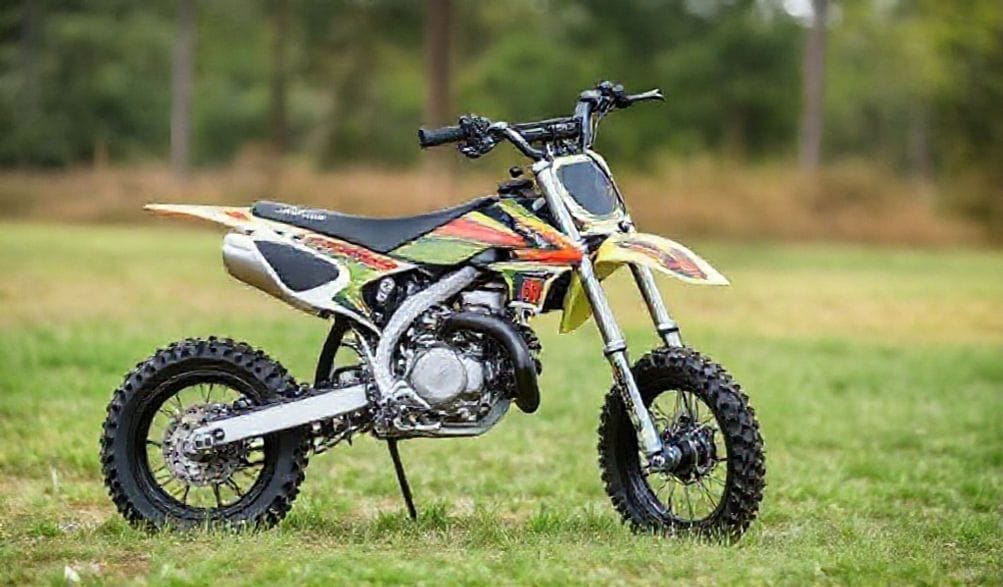
The Parent’s Complete Guide to Mini Dirt Bikes for 10-Year-Olds (Safety, Selection & Fun)
You see that sparkle in their eye. It’s a mix of excitement, adventure, and a plea you remember from your own childhood. Your 10-year-old has seen it—maybe in a video, at a friend’s house, or whizzing by on a trail—and now they’re asking, “Can I have a 더트 바이크?” Your heart does a little flip. On one hand, you envision the incredible outdoor fun, the confidence boost, and the shared adventures. On the other, a wave of parental concern crashes in: Are they safe? How do I choose the right one? What if they get hurt?
Take a deep breath. That internal debate is the sign of a responsible parent, and you’ve come to the right place. As parents and off-road enthusiasts with over a decade of experience guiding families into motorsports, we’ve navigated these exact questions. This comprehensive guide is designed to cut through the confusion and provide expert-backed advice. We’ll walk you through choosing the perfect mini dirt bike for your 10-year-old, prioritizing safety above all else, and setting the stage for a fantastic, confidence-building experience that your whole family can enjoy.
Understanding the Right Fit: Why Age 10 is a Key Milestone
Ten years old isn’t just another birthday; it’s a sweet spot in a child’s development that often aligns perfectly with the introduction to motorized sports. They’re transitioning from little kid to a more capable, independent pre-teen, making it an ideal time to start with proper foundations.
Physical and Cognitive Readiness at Age 10
Physically, the average 10-year-old stands about 54 to 56 inches tall and weighs between 60 to 80 pounds. This size is crucial because it means they can typically fit on youth-specific models designed with appropriate seat heights (usually between 20 to 26 inches), allowing them to get at least the balls of their feet, if not flat-footed, on the ground—a key safety factor for control.
Beyond size, their coordination, balance, and strength have matured significantly. They can process multi-step instructions, understand cause and effect more clearly (“If I twist the throttle hard, the bike will lunge”), and possess the focus needed for a dynamic activity. This cognitive leap means they can learn and adhere to critical safety rules, making supervised riding a more viable and educational endeavor.
Engine Size and Power: CCs Explained for Beginners
When shopping for mini dirt bikes for 10 year olds, you’ll immediately encounter the term “cc” or cubic centimeters. This is a measurement of the engine’s displacement, or the total volume of air and fuel the engine can draw in. Generally, more cc means more potential power.
For a first-time 10-year-old rider, the recommended engine range is typically 50cc to 110cc. Here’s a simple breakdown:
* 50cc-70cc: The ideal starting point for a true beginner. These bikes offer manageable power that builds confidence as they master the basics of throttle control, braking, and balance.
* 110cc: A great step-up for a taller, more coordinated 10-year-old, or a perfect fit for a child with some prior riding experience (like on a 50cc). It offers more power for growing into.
You’ll also hear about engine types: four-stroke vs. two-stroke. For beginners, a four-stroke engine is almost always the best recommendation. They provide smooth, predictable power delivery (torque) that’s easier to control, are generally quieter, and are more forgiving. Two-stroke engines have a “power band”—a sudden surge of power that can be challenging for a novice to manage.
Top Safety Considerations: Non-Negotiables for Parents
Safety isn’t just one part of the dirt bike equation; it is the equation. Approaching this sport means adopting a safety-first mindset that is non-negotiable. This commitment is what transforms a potentially risky activity into a controlled, rewarding skill-building experience.
Essential Safety Gear: The Head-to-Toe Kit
Think of safety gear as your child’s riding uniform. It is not optional and is as important as the bike itself. Never let them ride without it.
* 헬멧: Must be DOT-certified at a minimum; Snell or ECE certification is even better. It must fit snugly. Replace after any significant impact.
* 고글: Protect eyes from dirt, rocks, and branches. Look for anti-fog, tear-off lenses.
* 장갑: Provide grip, protect hands from blisters, and offer abrasion resistance.
* Boots: Purpose-built motocross boots are essential. They support ankles, protect feet and shins, and prevent feet from slipping off pegs.
* 체스트 프로텍터: Guards the torso, spine, and sometimes shoulders from impacts and roost.
* Knee/Shin Guards: Protect these vulnerable joints from impacts with the bike or ground.
* Durable Clothing: Long, durable pants (motocross pants) and a jersey or long-sleeved shirt.
Choosing a Safe Bike: Key Features to Look For
The bike itself should have features that aid a beginner’s learning curve and safety.
* Automatic Clutch: For absolute beginners, a bike with an automatic clutch (also called a semi-automatic) removes the complexity of manually operating a clutch lever, allowing the child to focus solely on throttle, brakes, and balance.
* Adjustable Throttle Limiter: A godsend for nervous parents and new riders. This screw allows you to physically limit how far the throttle can be twisted, effectively capping the bike’s top speed until skills improve.
* Reliable Braking: Look for bikes with responsive drum or disc brakes that are appropriately sized for the bike. Test that your child can comfortably reach and squeeze the brake levers.
* The “Fit Test”: The most critical factor. Your child should be able to sit on the bike with both feet firmly planted on the ground (or at minimum, the balls of both feet). If they are tiptoeing or leaning the bike over to reach, the bike is too tall.
The Critical Role of Supervision and Training
Your involvement is the most important safety feature.
* Formal Training: Seek out a certified course like the MSF DirtBike School or local riding clinics. Professional instructors teach foundational skills in a controlled environment far more effectively than a well-meaning parent can.
* Supervised Riding: Early rides should be 100% supervised. Establish clear rules: where to ride, hand signals, what to do if they fall, and always having a spotter.
* Environment is Everything: Start in a wide-open, flat, grassy field free of obstacles, traffic, and bystanders. Designated off-road parks are excellent next steps. Never allow riding on public roads or unfamiliar, rugged terrain at this stage.
How to Choose the Best Mini Dirt Bike: A Buyer’s Checklist
With safety fundamentals in mind, you’re ready to shop. This checklist will help you navigate the practical decisions.
New vs. Used: Weighing the Pros and Cons
- New Bike:
- 장점: Full manufacturer warranty, pristine condition with no hidden wear, latest safety features, and dealer support. Peace of mind is the biggest benefit.
- 단점: Higher upfront cost, immediate depreciation.
- Used Bike:
- 장점: Significant cost savings, slower depreciation if you resell.
- 단점: Requires extreme diligence. You must inspect it thoroughly or bring a mechanically savvy friend. Look for worn frames, cracked welds, leaking fluids, rust in the gas tank, and non-original parts. Ask about maintenance history.
Key Specifications Comparison Chart
Here’s a simplified comparison of popular beginner models to illustrate what to look for:
| Model | Engine | Seat Height | Approx. Weight | Key Feature for Beginners |
| :— | :— | :— | :— | :— |
| Honda CRF50F | 49cc 4-Stroke | 21.6 inches | 110 lbs | Legendary reliability, auto-clutch, low seat height. |
| Yamaha TT-R50E | 49cc 4-Stroke | 21.5 inches | 110 lbs | Electric start, auto-clutch, Yamaha durability. |
| Kawasaki KLX110 | 112cc 4-Stroke | 26.8 inches | 159 lbs | Manual clutch option, great for taller beginners to grow into. |
| Suzuki DR-Z50 | 49cc 4-Stroke | 21.9 inches | 109 lbs | Smooth power, auto-clutch, Suzuki’s proven design. |
Trusted Brands for Young Riders
Sticking with established brands is a cornerstone of safety and satisfaction. Brands like Honda (CRF), Yamaha (TT-R), Kawasaki (KLX), and Suzuki (DR-Z) have earned their reputations over decades. Why does this matter?
* Safety Heritage: Their engineering prioritizes predictable handling and reliable components.
* Parts & Service Availability: Finding replacement parts or a mechanic who knows the bike is easy.
* 특정 연도에 문제가 있었지만 다음 연도에 해결된 바이크일 수 있습니다. These bikes hold their value remarkably well because of their known durability.
Getting Started: First Rides and Building Skills
The bike is home, the gear is on. Now, the real fun (and learning) begins.
Pre-Ride Bike Inspection (Teach Your Child)
Make this a ritual. It teaches responsibility and ensures mechanical safety.
1. Tires: Check pressure and for cracks/embedded objects.
2. Brakes: Test lever and pedal feel. Ensure they work before riding.
3. Chain & Sprockets: Check tension (about 1-1.5 inches of play) and look for rust or stiff links.
4. Fluids: Check fuel level and look for oil/gas leaks underneath.
5. Nuts & Bolts: Give critical fasteners (axle nuts, handlebar clamps) a visual check for looseness.
Finding the Perfect Practice Location
Start in the safest possible environment: a large, open, flat field with soft grass (which provides a more forgiving landing). As skills progress, move to a designated off-road park with beginner trails. Always, always ensure you have explicit permission to ride on any private land.
Foundational Riding Skills to Practice
Focus on these basics in the first several outings:
* Starting & Stopping: Practice from a standstill, riding in a straight line for 50 feet, and coming to a controlled, balanced stop.
* Balance at Low Speed: Use the “friction zone” of the clutch (if manual) or just idle speed to practice slow, controlled maneuvers.
* 부드러운 코너링: 급격한 회전을 시도하기 전에 넓고 점진적인 회전을 하세요.
* 점진적 제동: 브레이크 레버를 잡아당기지 말고 살짝 누르는 방법을 가르치세요. 앞뒤 브레이크를 함께 부드럽게 사용하는 연습을 합니다.
* 시선 주시: 앞바퀴를 내려다보지 말고 가고자 하는 방향을 앞을 보는 습관을 길러주세요.
자주 묻는 질문(FAQ)
Q1: 10세 초보자에게 가장 적합한 cc 배기량의 더티 바이크는 무엇인가요?
A: 이전 경험이 없는 아이의 경우, 일반적으로 50cc 또는 70cc 4행정 엔진이 자신감을 심어주는 완벽한 시작점입니다. 키가 크거나 운동 경험이 더 많은 10세 아이라면 110cc에 준비될 수 있습니다. 항상 출력보다 제어력을 우선시하세요.
Q2: 미니 더티 바이크는 10세 아이들에게 안전한가요?
A: 오토바이 타기는 본질적인 위험을 수반합니다. 그러나 아이 체격에 맞는 적절한 바이크, 매번 착용하는 완전한 안전 장비, 지속적인 성인 감독, 그리고 적절한 정식 교육을 통해, 그 위험을 관리하여 보람 있고 교육적인 활동을 만들 수 있습니다. 안전은 부모의 적극적이고 지속적인 책임입니다.
Q3: 비용은 얼마나 예상해야 하나요?
A: 메이저 브랜드의 신형 초보자용 바이크의 경우, 1200달러에서 2500달러 사이의 예산을 책정하세요.. 고품질의 새 안전 장비(헬멧, 부츠, 체스트 프로텍터 등)는 추가로 300달러에서 600달러. Don’t forget ongoing costs like maintenance, fuel, and possible trail fees.
Q4: 아이에게 어떤 이점이 있나요?
A: 단순한 스릴을 넘어, 더티 바이크 타기는 소중한 생활 기술을 가르칩니다: 자신감, 책임감(자신의 바이크와 안전에 대한), 손과 눈의 협응력, 균형 감각, 기계적 이해력, 그리고 규칙과 환경에 대한 존중심입니다. 또한 야외 활동을 장려하고 독특한 가족 유대감을 형성하는 탁월한 방법입니다.
Q5: 면허나 등록이 필요하나요?
A: 사유지나 지정된 오프로드 트레일에서 탈 경우,, 일반적으로 면허나 등록이 필요하지 않습니다. 그러나 이는 주와 지역에 따라 크게 다릅니다. 오프로드 차량(ORV) 사용에 관한 귀하의 특정 카운티 및 주 법률을 반드시 확인해야 합니다. 확실하지 않을 때는, 반증이 확인될 때까지 필요한 것으로 가정하세요.
결론
10세 아이에게 미니 더티 바이크를 사주는 여정은 단순한 구매 이상입니다; 모험, 기술, 가족의 추억으로 통하는 문을 여는 것입니다. 이 길은 흔들림 없는 세 가지 기둥 위에 세워집니다: 아이에게 맞는 완벽한 물리적 적합성을 찾는 것, 장비와 감독을 통한 포괄적인 안전을 약속하는 것, 그리고 좋은 습관의 기초를 다지기 위해 적절한 훈련에 투자하는 것입니다. 이 결정을 하나의 관문으로 여기세요. 인내심과 존중, 그리고 점진적 학습에 초점을 맞춰 접근할 때, 이는 평생 지속될 야외 활동에 대한 열정을 키우고, 회복 탄력성을 가르치며, 놀라운 공유 취미를 제공할 수 있습니다. 목표는 첫날부터 모토크로스 챔피언을 만드는 것이 아니라, 자신감 있고 책임감 있으며 즐거운 라이더를 키우는 것입니다.
따라서 다음 단계를 밟으세요. 이번 주말에 평판 좋은 대리점을 방문하여 아이가 다양한 모델에 앉아보게 하세요. 해당 지역 초보자 라이딩 코스를 조사하세요. 이 흥미진진한 장을 불안함이 아니라, 아이가 성공과 끝없는 즐거움을 누릴 수 있도록 준비시킨다는 정보에 기반한 자신감을 가지고 시작하세요.
DISPLAY_TITLE: 10세를 위한 미니 더티 바이크 부모 완전 가이드.
메타데이터_시작—
DISPLAY_TITLE: The Parent’s Complete Guide to Mini Dirt Bikes for 10-Year-Olds
META_DESC: 10세 아이에게 적합한 미니 더티 바이크를 선택하시나요? 저희 전문가 가이드는 안전한 엔진 크기(50cc-110cc), 필수 장비, 주요 브랜드, 그리고 즐겁고 자신감을 키워주는 라이딩 시작을 보장하는 초보자 팁을 다룹니다.
IMG_PROMPT: 햇살 좋은 잔디밭에 서 있는 부모의 지원적인 모습 옆에서, 빨간색 혼다 CRF50F 미니 더티 바이크에 자신 있게 앉아 있는 안전 장비를 완벽히 착용한 행복해 보이는 10세 아이. 아이는 풀페이스 헬멧, 고글, 장갑, 모토크로스 부츠를 착용하고 있음.
Kid Motor Bike.
—METADATA_END—