
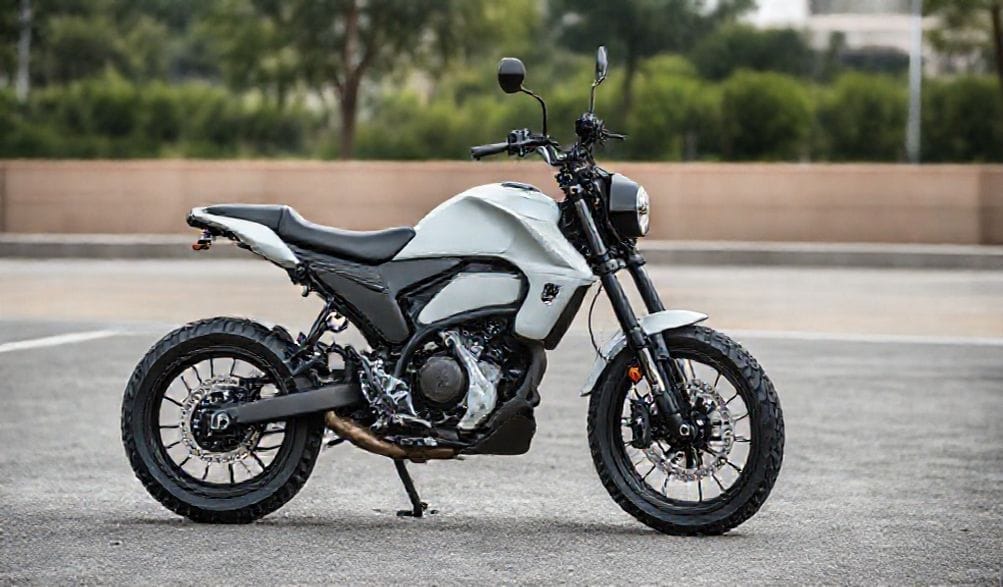
The Complete Guide to 72V Electric Motorcycles: Power, Performance, and Practicality
The electric two-wheel revolution is here, but it’s no longer just about quiet neighborhood scooters or pedal-assist bicycles. A new class of machine is emerging for riders who crave genuine motorcycle performance without the fumes, noise, and complexity of internal combustion. At the forefront of this shift is the 72V electric motorcycle—a platform that has rapidly become the “sweet spot” for serious commuters, enthusiasts, and eco-conscious adventurers alike.
If you’re reading this, you’ve likely outgrown the limitations of standard e-bikes and are asking the critical questions: Is a 72V system the right leap in power for me? How does it truly compare to a 48V model or even a gas bike? What should I know before investing? This guide is designed to answer those questions and more. Based on a deep dive into technical specifications, industry trends, and real-world riding dynamics, we’ll provide a balanced, in-depth look at what 72V electric motorcycles offer. Whether you’re a daily commuter needing reliable highway speed, a weekend rider seeking thrilling torque, or someone looking for a practical car alternative, this guide will help you navigate the landscape of high-voltage electric mobility.
What is a 72V Electric Motorcycle? Understanding the Core Technology
At its heart, the “72V” designation refers to the nominal voltage of the motorcycle’s primary electrical system. This isn’t just a marketing number; it’s the foundational specification that dictates the potential for power, speed, and performance.
Voltage Explained: Why 72V Matters for Power and Speed
Think of voltage like water pressure in a hose. A 48V system is like a standard garden hose—perfect for watering plants. A 72V system is like a pressure washer—it delivers significantly more force, capable of tackling tougher jobs with greater intensity.
In practical terms, moving from common 48V or 60V systems to a 72V architecture allows the electric motor to draw power more efficiently, especially at higher speeds. Voltage, in combination with current (Amps), determines power (Watts). A higher voltage system can deliver more watts without needing excessively high current, which reduces heat buildup in wires and components and improves overall efficiency. For the rider, this translates directly to higher potential top speeds (often 55-80+ mph) and, more importantly, stronger, sustained acceleration that feels genuinely motorcycle-like.
Key Components of a 72V System
A 72V electric motorcycle is more than just a bigger battery. It’s an integrated system of three key components:
- The High-Voltage Motor: This is the heart of the bike. Most 72V motorcycles use powerful **轮毂电机** (integrated into the wheel) for simplicity and direct drive, or **中置电机** (mounted to the frame) that leverage the motorcycle’s gearing for optimized torque and efficiency. The motor’s power rating (e.g., 5000W, 8000W) combined with the 72V supply is what creates the exhilarating performance.
- The Battery Pack: This is the fuel tank. A 72V battery is comprised of many lithium-ion cells wired in series to achieve the 72V nominal voltage. The capacity, measured in Amp-hours (Ah) (e.g., 32Ah, 50Ah), determines how much energy is stored. Common chemistries include NMC(镍锰钴) (Nickel Manganese Cobalt) for high energy density and power, and LFP (Lithium Iron Phosphate) for exceptional longevity and safety. The 电池管理系统 inside is crucial for safety, monitoring cell health, and preventing overcharge or discharge.
- The Controller: This is the bike’s “brain.” It sits between the battery and the motor, regulating the flow of electricity. When you twist the throttle, the controller interprets that signal and dictates how much power from the 72V battery is sent to the motor. A high-quality controller ensures smooth acceleration, maximizes range through efficient power delivery, and often houses customizable ride modes.
Advantages of Choosing a 72V Electric Motorcycle
Choosing a 72V platform isn’t just about going faster; it’s about accessing a more capable and versatile riding experience.
Superior Performance and Acceleration
This is the most tangible advantage. The instant torque of an electric motor is magnified by the 72V system’s ability to deliver high power. Acceleration from a stoplight is brisk and linear, often surpassing comparable gas-powered motorcycles in the 0-30 mph range. This performance isn’t just for straight lines; it means confident hill-climbing ability and the capacity to carry a passenger or cargo without a significant drop in responsiveness. The bike feels planted and powerful, not strained.
Extended Riding Range Per Charge
While battery capacity (Ah) is the primary factor for range, a 72V system contributes to efficiency, especially at cruising speeds. Because it operates at a higher voltage, it can maintain highway speeds (55-70 mph) more efficiently than a lower-voltage system working at its upper limit. This means your stated battery capacity goes further. While real-world results vary drastically, a well-specified 72V motorcycle can realistically achieve 70 to 120 miles of mixed riding, making it viable for substantial commutes and even weekend exploration.
Future-Proofing and Upgrade Potential
Investing in a 72V platform often means entering a ecosystem built for performance. The electrical system is robust enough to handle potential upgrades, from more powerful controllers to auxiliary lighting and accessories. The frame, brakes, and suspension on bikes designed for this voltage are typically built to a higher standard to manage the speed and weight. This makes a 72V motorcycle a more durable, long-term vehicle capable of handling varied terrain and longer tours.
购买前需重点考虑的事项
With great power comes great responsibility—and a few practical realities. An informed buyer must weigh these considerations.
Upfront Cost and Long-Term Value Analysis
There’s no sugarcoating it: a quality 72V electric motorcycle represents a significant investment, often ranging from $4,000 to $10,000+, positioning it closer to an entry-level gas motorcycle than an e-bike. However, the long-term value analysis is compelling. You eliminate costs for gas, oil changes, air filters, and complex engine maintenance. “Refueling” with electricity is a fraction of the cost. The key is to calculate your Total Cost of Ownership over 3-5 years, including purchase price, insurance, charging, and the eventual battery replacement.
Licensing, Insurance, and Legal Regulations
This is critical: In most jurisdictions worldwide, a 72V electric motorcycle, due to its power and speed capabilities, is classified as a motorcycle or motor-driven cycle. This almost always means you will need:
* A valid **摩托车驾驶执照** (requiring a separate test/endorsement).
* Vehicle registration, license plates, and title.
* Motorcycle insurance.
* Compliance with all standard motorcycle safety equipment laws (DOT helmet, etc.).
You must check with your local Department of Motor Vehicles (DMV/MVD) for specific regulations before purchasing.
Charging Infrastructure and Practicalities
You’ll be charging at home 95% of the time. Most 72V bikes come with a standard charger that plugs into a 110V/120V household outlet. A full charge from empty can take 6 to 10 hours. Faster “Level 2” chargers (using a 220V outlet, like a dryer plug) can cut this time in half or more, but may be an extra purchase. Planning for a secure, weather-protected outlet near where you park is an essential first step. While public EV charging networks are expanding, compatibility for electric motorcycles is still growing, so don’t rely on it for primary charging.
Maintenance and Service Network
While maintenance is drastically reduced (no engine, transmission, or exhaust system), it’s not zero. You must maintain tires, brakes, suspension, and lights. The specialized component—the high-voltage battery and drivetrain—requires attention. Finding a qualified technician for repairs or diagnostics is more challenging than for a gas bike. Research the manufacturer’s warranty, the availability of service manuals, and the presence of authorized service centers in your area. Also, understand that the battery, while long-lasting, is a consumable. A quality lithium pack may last 800至1500次完整充电循环 (roughly 3-8 years of typical use), but its replacement will be a major expense, often a significant percentage of the bike’s original cost.
Top Use Cases and Ideal Riders for a 72V Model
Who is this machine truly for? Here are the profiles that benefit most from a 72V electric motorcycle.
The Daily Commuter Seeking Speed and Reliability
Scenario: Your daily round-trip is 20-40 miles, and a portion requires traveling on roads with 55+ mph speed limits. A 48V scooter feels anemic and unsafe in traffic. A 72V motorcycle allows you to confidently merge, keep pace with traffic, and arrive without “range anxiety.” The low daily operating cost and silent, vibration-free ride reduce commute stress significantly.
The Performance Enthusiast and Weekend Rider
Scenario: You love the sensation of riding—the instant throttle response, the carve through a winding road. A 72V electric motorcycle delivers a uniquely smooth yet explosive power band. The lack of gear-shifting lets you focus purely on the ride line and braking. It’s a thrilling, new-school riding experience that’s both high-performance and surprisingly accessible.
The Delivery Professional or Urban Business User
Scenario: You need a workhorse for all-day urban travel. You carry cargo, make frequent stops, and need reliability. The high torque of a 72V system is perfect for moving from a stop while loaded. The near-zero “fuel” cost directly boosts profit margins, and the quiet operation is a benefit in residential areas. The range ensures you won’t be sidelined mid-shift.
常见问题解答
Q1: How fast can a typical 72V electric motorcycle go?
答: Most production 72V models have top speeds ranging from 55 mph to over 80 mph. The actual speed is determined by the motor’s power rating (in watts), the controller’s programming, the bike’s weight, and aerodynamics. Always check the manufacturer’s specifications.
Q2: What is the real-world range I can expect?
答: Expect a range between 70 and 120 miles on a single charge under ideal conditions (moderate speed, flat terrain, moderate rider weight). The single biggest factor is the battery capacity (measured in Ah). Aggressive highway riding, hills, cold weather, and carrying cargo can reduce this range by 30-40%.
Q3: Do I need a motorcycle license for a 72V electric motorcycle?
答: 答:在大多数地区,, 需要。. Because of its power and speed capabilities, it is classified as a motorcycle by law. You will almost certainly need a motorcycle license/endorsement, registration, and insurance. Always verify with your local Department of Motor Vehicles.
Q4: Are 72V electric motorcycles safe?
答: When built by reputable manufacturers, they incorporate critical safety features like Battery Management Systems (BMS), waterproof connectors, and robust enclosures. However, the primary safety factor is the rider. The increased performance demands greater responsibility. Completing a motorcycle safety course (like the MSF), wearing full protective gear (helmet, jacket, gloves, pants, boots), and developing defensive riding skills are non-negotiable for safe operation.
Q5: How long does the battery last, and what is the replacement cost?
答: A high-quality lithium-ion battery can last 800至1500次完整充电循环 before its capacity degrades to about 80% of its original state. With typical use, this translates to 3到8年. Replacement is a significant cost, often ranging from $1,000至$2,500+美元, depending on capacity and technology. Factor this into your long-term ownership plans.
结论
The 72V electric motorcycle represents a compelling and mature segment in the EV revolution. It successfully bridges the gap between utilitarian e-bikes and full-sized electric motorcycles, offering a blend of genuine performance, practical range, and lower operating costs that is hard to match.
The decision ultimately comes down to your needs and priorities. You are trading higher upfront cost, licensing hurdles, and charging logistics for a silent, thrilling, and remarkably practical form of transportation.
If you’re seriously considering this path, take these three final steps:
1. 试骑: Nothing replaces firsthand experience. Feel the acceleration, judge the ergonomics, and assess the build quality.
2. Research Local Laws Diligently: Don’t assume. Contact your DMV and insurance provider to understand exact requirements and costs.
3. Run the Numbers: Create a realistic 5-year total cost of ownership spreadsheet, including purchase, insurance, electricity, maintenance, and potential battery replacement.
For the rider ready to embrace high-performance electric mobility, the 72V electric motorcycle isn’t just an alternative; it’s an upgrade. It’s a powerful, clean, and sophisticated machine that redefines what two-wheeled transportation can be.
METADATA_START—
DISPLAY_TITLE: The Complete Guide to 72V Electric Motorcycles: Power, Range & What to Know
SEO_TITLE: 72V Electric Motorcycle Guide: Performance, Range, Cost & Reviews
META_DESC: Considering a 72V electric motorcycle? Our in-depth guide covers speed, real-world range, costs, licensing, and key buying considerations. Is it right for you?
IMG_PROMPT: A sleek, modern 72V electric motorcycle parked on a scenic mountain road at sunset, showcasing its design, with a helmet placed on the seat. The image should convey power, technology, and adventure.
—METADATA_END—