
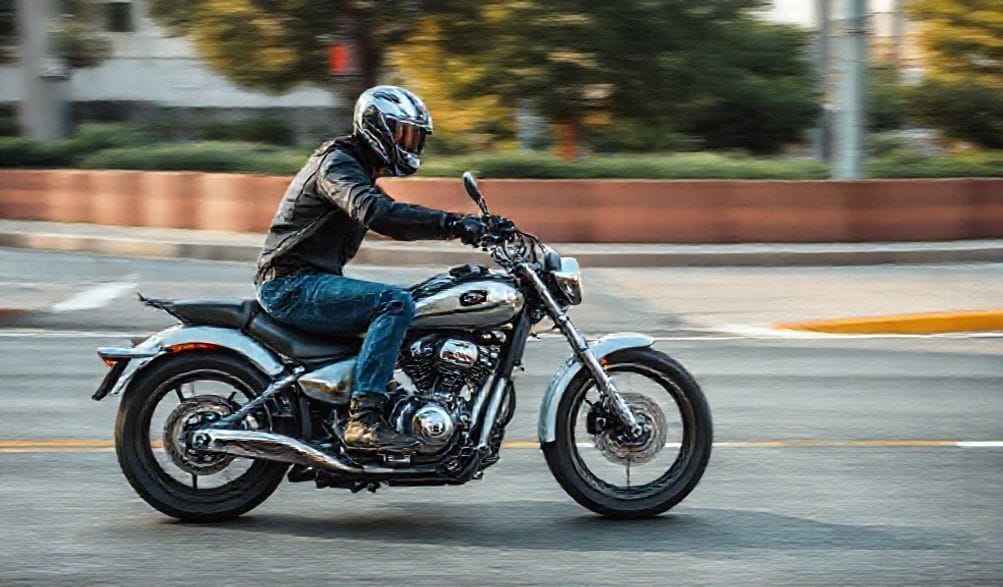
The Street Legal E-Ride Pro: Your Ultimate Guide to Electric Mobility
In the rapidly evolving world of personal electric transportation, the term “道路合法 eRide Pro” has emerged as a beacon for commuters and enthusiasts seeking a powerful, yet compliant, solution. Promising the thrill of a motorcycle with the accessibility of a bicycle, these vehicles capture the imagination. However, navigating the patchwork of local and state regulations can be daunting, turning an exciting purchase into a legal headache.
This comprehensive guide is dedicated to demystifying the Street Legal E-Ride Pro and similar 电动汽车. We will cut through the marketing jargon to provide clear, actionable information on what “street legal” truly means, the key features of these e-rides, and how to ensure your electric mobility choice is both thrilling and fully compliant with the law. Our analysis is built on thorough research of vehicle specifications, Department of Motor Vehicles (DMV) regulations across various jurisdictions, and practical ownership insights, empowering you to make an informed and confident decision.
Understanding “Street Legal”: It’s More Than Just a Label
When a manufacturer slaps “street legal” on a product, it’s easy to assume you can simply unbox it and hit the road. The reality is far more nuanced. “Street legal” is not a universal certification; it’s a conditional status that depends entirely on how your local laws classify the vehicle and what equipment it has.
Defining the Key Classifications: E-Bike vs. Moped vs. Motorcycle
The first step to understanding legality is knowing what kind of vehicle you own. In the U.S., classifications are primarily based on three factors: motor power (in watts), top speed, and whether it has functional pedals.
-
Electric Bicycles (E-Bikes): Most states have adopted a 3-class system:
- 第一类: 不需要摩托车驾照。.
- 第二类: 1类:仅踏板辅助(仅在您踩踏板时电机提供助力),最大辅助速度为20英里/小时。.
- 第三类: 仅提供踏板助力,最大助力速度为28英里/小时。.
- E-bikes are generally treated as bicycles, allowing access to bike lanes and paths without requiring a license, registration, or insurance.
-
Mopeds/Motorized Bicycles: These typically have a top speed between 20-30 mph, may or may not have pedals, and their motor exceeds certain power thresholds (often 750W or 1000W, depending on the state). This is where many “Pro”-style models, like the E-Ride Pro, often land. Moped classification usually requires a driver’s license, registration, and sometimes insurance. Riding is typically restricted to roads, not bike paths.
-
Motorcycles: Any electric two-wheeler capable of exceeding 30-35 mph (varies by state) is almost always classified as a motorcycle, requiring a motorcycle license, full registration, insurance, and adherence to all motorcycle safety standards.
How the E-Ride Pro Fits: Models marketed as “Street Legal E-Ride Pro” are typically high-wattage (750W-1500W) e-bikes with a throttle. In many states, if their manufacturer-governed top speed is 20 mph, they may qualify as a Class 2 e-bike. If they can reach 28+ mph, they almost certainly fall into the moped or motorcycle category. The critical takeaway is that you must check your specific state’s definitions.
Universal Street Legal Requirements
Regardless of classification, any vehicle used on public roads must have basic safety equipment. For an e-bike or moped to be considered street legal, it generally must have:
- 照明系统: A white front headlight visible from a minimum distance (often 500 feet), a red rear brake light, and side/heel reflectors.
- 声响信号装置: A horn or bell audible from a specific distance (e.g., 100 feet).
- 3.3. 电池与电气系统安全 One or two independent, functional brake systems that can stop the vehicle within a specified distance.
- Speed Capabilities: The vehicle’s maximum speed, either via design or a governor, must not exceed the limit for its legal class.
State-by-State and Local Variations: Your Due Diligence
This is the most crucial part: There is NO single federal standard for “street legal” low-speed electric vehicles. A vehicle perfectly legal in Nevada might be an unregisterable off-road vehicle in New York.
- Research Your State: Start with your state’s DMV or Department of Transportation website. Search for “electric bicycle law,” “moped definition,” or “motorized bicycle requirements.”
- Don’t Forget Local Laws: Counties and cities can impose stricter rules. Some cities ban all e-bikes from sidewalks, others restrict certain classes from multi-use paths. Your local police department’s non-emergency line or city website can provide clarity.
Deep Dive: Features & Specifications of the E-Ride Pro Class
Let’s move beyond legality and examine what these machines offer. The “E-Ride Pro” class refers to a style of robust, often fat-tire electric bikes that blend motorcycle aesthetics with e-bike functionality.
Performance and Hardware Analysis
- Motor Power and Torque: Advertised wattage (e.g., 750W, 1000W, 1500W) gives a rough idea of power. Torque (in Nm) is more telling for real-world performance—it determines hill-climbing ability and acceleration from a stop. A 1000W motor with high torque will feel more powerful than a 1500W motor with low torque.
- Battery Range and Chemistry: Range is the most exaggerated spec. It’s given in watt-hours (Wh = Voltage x Amp-hours). A 48V 20Ah battery is 960Wh. Real-world range is affected by rider weight, hills, wind, and assist level. Expect 60-70% of the advertised “max” range for typical use. Quality Lithium-ion (Li-ion) or Lithium Iron Phosphate (LiFePO4) batteries are standard, with the latter offering longer lifespan and better thermal stability.
- Frame Build and Suspension: Look for aluminum alloy or steel frames. A sturdy frame is essential for stability at speed and durability. Front suspension forks (and sometimes rear) are common and crucial for comfort on rough urban terrain.
Safety and Compliance-Centric Components
- 3.3. 电池与电气系统安全 This is non-negotiable for safety. Hydraulic disc brakes offer superior stopping power and modulation compared to mechanical disc or rim brakes, especially in wet conditions. For a vehicle capable of 20+ mph, dual hydraulic discs are a wise investment.
- 轮胎: The iconic 20″ x 4″ fat tires provide cushioning and stability but can create more rolling resistance. Ensure they are rated for street use (slick or semi-slick tread) rather than knobby off-road patterns.
- Integrated Compliance: The best “street legal” models have lights, horns, and speedometers integrated into the design with proper wiring, not bolted-on afterthoughts. Integrated systems are more reliable and durable.
Ownership Experience: Practical Considerations
- Weight and Portability: These bikes are heavy, often 70-100 lbs. Consider how you’ll store it (apartment vs. garage) and if you’ll need a ramp to load it into a vehicle.
- 载重能力: Check the manufacturer’s rated payload. Exceeding it stresses the frame, motor, and brakes, compromising safety and performance.
- 耐候性: 注意查看电池和显示屏的IP(防护等级)评级。例如,IP65评级意味着其防尘且能防护喷水,使得全天候通勤成为可能。.
合规之路:如何确保您的电动骑行工具真正合法上路
购买车辆只是成功了一半。确保其持续合法上路是一项持续的责任。.
购买前核查清单:向卖家咨询的问题
- “Can you provide a Manufacturer’s Statement of Origin (MSO)?” 如果您的州有此要求,这份文件对于车管所注册至关重要。.
- “What is the vehicle’s classified top speed, and is it governed to that speed?” 请务必获取书面确认。.
- “How does this model comply with [Your State]’s laws for [e-bikes/mopeds]?” 信誉良好的卖家应能为您提供指导。.
购买后步骤:注册、保险与驾照
- 注册: 如果被归类为轻便摩托车,您很可能需要在车管所进行所有权登记和注册,这需要MSO、销售单据并支付相关费用。.
- 保险: 虽然1-3类电动自行车很少强制要求,但强烈建议购买责任保险,而对于轻便摩托车类车辆则通常 要求 必须购买。它能在您造成人身伤害或财产损失时提供保障。.
- 驾照要求: 标准汽车驾照通常足以驾驶轻便摩托车。对于归类为摩托车的车辆,则需要摩托车驾照(或增驾)。.
骑行者责任:装备与道路法规
Compliance isn’t just about the machine; it’s about the rider.
* 头盔: 即使您所在的州只要求未成年人佩戴头盔,高质量的自行车或摩托车头盔仍是您最重要的安全设备。对于速度超过20英里/小时的情况,请考虑使用全盔式山地车头盔。.
* 可见性: 无论白天黑夜,请使用车灯。在您的车上添加反光贴,并穿着高能见度服装。.
* 合法骑行: 遵守所有交通法规。示意转弯,在停车标志和信号灯处停车,顺向骑行,并使用正确的车道位置(通常靠右,但为安全必要时可占据车道)。.
比较您的选择:E-Ride Pro 与替代方案
在电动自行车与滑板车生态系统中
该车型 E-Ride Pro 其风格与 Super73、Ariel Rider 和 Juiced Bikes. 等品牌竞争。可从以下方面比较:
* 价格: You often pay a premium for the “scrambler” or “moto” aesthetic.
* 功率与速度: 规格参数通常相似;需深入研究扭矩数据和真实用户评价。.
* 合规性: 一些品牌在州际合法性方面更加透明,并能提供更好的文件(如MSO)。.
传统电动自行车(来自如 Trek、Specialized 或 Rad Power Bikes等品牌)提供更接近自行车的体验,通常拥有更好的经销商支持,并且作为1/2/3类电动自行车具有更明确的法律地位。.
更广阔的图景:其他合法上路的电动汽车
- 电动轻便摩托车/踏板车(例如,NIU、Vespa Elettrica): 这些是弯梁式踏板车,具有更高的最高速度(30-45英里/小时),需要完全注册/保险,并提供更好的天气防护和储物空间。.
- 低速车辆(LSV): 这些是四轮封闭式车辆,例如 Arcimoto FUV 或 和雷诺 Twizy, ,速度限制在25英里/小时,允许在限速最高35英里/小时的道路上行驶。它们需要驾照、注册和保险。.
- 电动摩托车: 对于真正的高速公路行驶能力和性能,像 零式 及 或LiveWire Zero、Energica.
常见问题解答
等品牌提供需要摩托车驾照的全尺寸电动摩托车。
答: Q1:驾驶合法上路的E-Ride Pro需要驾照、注册或保险吗? 这完全取决于您所在州如何对其分类。如果归类为电动自行车(通常是2类或3类),通常不需要。如果归类为轻便摩托车或机动滑板车,则需要汽车驾照、注册,并且通常需要保险。您必须向您.
当地的车管所
答: 核实。 Q2:我可以改装我的E-Ride Pro让它更快吗?. 虽然技术上可行(例如,解除速度限制器),但这几乎肯定会使任何保修失效,并立即导致车辆.
无法合法上路
答: 。同时,这会使电机、电池和刹车承受超出其设计极限的压力,带来重大的安全风险。. Q3:我可以在哪里骑行?自行车道、人行道、机动车道?. 一般来说,如果法律上归类为电动自行车,您可以在允许普通自行车行驶的任何地方骑行(自行车道、机动车道)。.
成年人通常被禁止在任何带轮车辆上使用人行道。
答: 轻便摩托车类车辆属于机动车道,不应在自行车道或人行道上行驶。 州机动车管理局网站 并搜索“电动自行车”或“助力车”相关法规。随后,访问您 所在城市的市政网站 ,搜索“电动自行车”或“轻便摩托车”相关法律。然后,访问您.
Q5:单次充电的实际续航里程大约是多少?
答: 宣传续航里程基于理想条件(骑手体重较轻、路面平坦、低辅助模式)。实际续航受骑手体重、坡道、风力、温度及辅助等级影响。一个实用的经验法则是, 在日常通勤中,预期可达宣传最大续航的 60%-70%。.
结论
选择一辆 合法上路的E-Ride Pro电动车, 意味着迈入了高效愉悦个人交通的新纪元。其动力、风格与电能效率的结合无疑极具吸引力。然而,真正的道路自由源于认知与责任。正如我们所述,“合法上路”并非通用标签,而是一种需要您主动核实和维护的状态——通过了解当地法规、车辆规格以及作为骑手的责任。.
在追求性能与风格的同时,将合规性与安全性置于同等重要的地位,您便能自信享受电动出行的益处:避开拥堵、减少碳足迹,并轻松获得骑行乐趣。请在购买前务必向当地主管部门完成最终核实,确保您的电动骑行之旅既激动人心,又完全合法。.
METADATA_START—
显示标题:合法上路的E-Ride Pro:您的电动出行终极指南
搜索引擎优化标题:2024年合法上路E-Ride Pro指南:法规、功能与合规要点
META_DESC: 对“道路合法”宣传感到困惑?我们关于E-Ride Pro的权威指南详细解读了各州法律、关键特性,并提供了确保您的电动自行车完全合规且安全的操作步骤。.
图片生成提示:一辆现代黑色电动自行车,配有宽胎和摩托车风格车架,停放在城市街道旁,具备明亮的前灯、刹车灯和后视镜,座椅上放着一顶头盔,日间场景。.
—METADATA_END—