
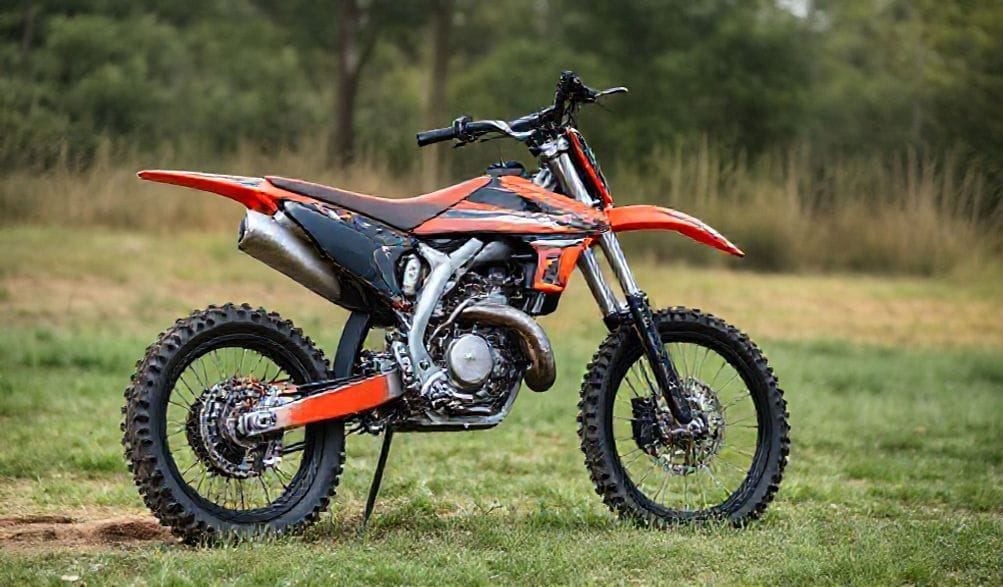
The Ultimate Guide to Battery-Powered Dirt Bikes: Performance, Benefits & Top Picks
The roar of a two-stroke engine echoing through the woods has long been the soundtrack of off-road adventure. But a quiet revolution is reshaping the trails. A new breed of machine is emerging, trading the smell of premix and the snarl of a piston for the silent surge of electrons. This is the era of the battery-powered dirt bike. For riders, a pressing question arises: Is an 电动越野摩托车 right for your next adventure, or is it a compromise waiting to strand you in the backcountry?
This guide is your comprehensive, unbiased resource. We’ve cut through the hype and the skepticism to provide a clear-eyed look at the electric dirt bike landscape. Based on technical deep-dives, performance comparisons, and real-world rider insights, we’ll help you navigate this exciting new category. By the end, you’ll understand the core technology, weigh the undeniable benefits against the practical considerations, and get to know the top models leading the charge in 2024. Whether you’re a seasoned motocrosser, a trail enthusiast, or a parent looking for a kid’s first bike, we promise you’ll have the knowledge to make an informed decision.
What is a Battery-Powered Dirt Bike? Understanding the Electric Revolution
At its core, a battery-powered dirt bike replaces the internal combustion engine with an electric drivetrain. It’s a purpose-built off-road motorcycle that draws its power from a rechargeable battery pack, delivering it to the wheel via an electric motor and a sophisticated controller. This fundamental shift in propulsion isn’t just about being “green”—it redefines the mechanical simplicity, riding feel, and very culture of dirt biking.
Core Technology Explained: Motors, Batteries, and Controllers
Let’s demystify the three key components that make an electric dirt bike tick:
- The Electric Motor: This is the heart of the bike, converting electrical energy into motion. Most e-dirt bikes use a brushless DC motor for its efficiency, power, and reliability. You’ll encounter two main placements:
- Mid-Drive: The motor is mounted centrally, near the bike’s crank, and drives the rear wheel via a chain or belt. This preserves traditional bike balance and allows for a transmission (often a single-speed with adjustable gearing via sprockets).
- 电机(轮毂电机 vs. 中置电机): The motor is integrated directly into the rear wheel hub. This design is simpler, often lighter, and requires almost no maintenance, but can affect unsprung weight and handling.
- The Battery Pack: This is the bike’s fuel tank. Almost universally, modern bikes use 锂离子电池 cells for their high energy density and rechargeability. Key specs are Voltage (V) 及 Amp-hours (Ah). Think of voltage as the “pressure” of the electrical system—higher voltage (e.g., 72伏 vs. 48V) generally means more potential power and speed. Amp-hours represent the “capacity”—how many amps the battery can deliver for one hour. A higher Ah rating typically translates to longer range.
- The Controller: This is the bike’s brain. Sitting between the battery and the motor, it regulates the power flow based on your throttle input. It manages acceleration curves, regenerative braking (on some models), and protects the system from overload. A high-quality controller is crucial for smooth, responsive power delivery.
How It Compares to Traditional Gas-Powered Models
| Feature | Battery-Powered Dirt Bike | Gas-Powered Dirt Bike |
| :— | :— | :— |
| Chi Battery Systems | Instant, full torque from 0 RPM. Linear, seamless acceleration. | Builds power with RPMs. Requires clutch modulation and gear shifts. |
| Noise Level | Very quiet (motor whine, tire noise). | Loud (engine exhaust). |
| | 加速性能 | 良好 | 优异(瞬时扭矩) | | Very low. No engine oil, filters, spark plugs, coolant, or complex transmission. | Regular, intensive. Oil changes, air filter cleaning, valve adjustments, etc. |
| | 补充能源 | 加油站(约2分钟) | 墙壁插座(4-8小时) | | Plug-in recharge (1-6 hours). Can use standard outlets. | Quick liquid fuel fill-up (2-5 mins). Requires gas stations. |
| Direct Emissions | Zero at point of use. | CO2, NOx, hydrocarbons. |
| Initial Cost | Typically higher. | Typically lower (for comparable performance). |
| Operating Cost | Very low (electricity cost). | High (gasoline, oil, frequent parts). |
选择电动越野车的核心优势
The electric advantage isn’t a single feature; it’s a combination of performance, practical, and experiential benefits that create a compelling case.
Instant Torque and Responsive Power Delivery
This is the game-changer. An electric motor delivers 100% of its torque the instant you twist the throttle. There’s no lag, no clutch slip, no waiting for the powerband to hit. This translates to explosive acceleration out of corners and effortless lofting of the front wheel over obstacles. For technical trail riding, the precise, linear throttle control offers incredible traction and finesse. You can put power down exactly where and when you need it, making challenging sections more manageable. It’s a different kind of power—less frantic, more telepathic.
骑行体验:
Forget the Saturday morning ritual of changing oil, cleaning air filters, adjusting valves, and jetting carbs. An electric dirt bike’s drivetrain has a fraction of the moving parts. There’s no complex internal combustion engine to maintain. Your primary maintenance shifts to universal motorcycle items: brake pads, tires, suspension servicing, and keeping bolts tight. The “fuel” cost is a fraction of gasoline; a full charge often costs less than a dollar. Over the lifetime of the bike, the savings on maintenance and energy can significantly offset the higher initial purchase price.
Eco-Friendly and Trail-Access Friendly Riding
The zero direct emissions mean you ride without contributing to local air pollution. Perhaps more immediately impactful for riders is the radically reduced noise pollution. The near-silent operation is a courtesy to other trail users, wildlife, and landowners. This quiet nature is opening doors to riding areas where gas bikes have long been banned due to noise complaints. It’s fostering better relationships with land managers and preserving trail access—a huge win for the sport. It’s important to present a balanced view: the environmental footprint includes battery manufacturing and the source of your electricity (coal vs. renewables). However, the overall lifecycle impact is generally lower, and the on-trail benefit is undeniable.
Quiet Operation for Enhanced Riding Experience
Beyond trail access, the silence is transformative. You can hear the tires gripping the dirt, the wind, and your own thoughts. Communication with riding buddies is easy without shouting. It creates a more immersive, almost meditative connection with the terrain. You become more aware of your surroundings, which can enhance both safety and enjoyment. It’s not the absence of sound, but the presence of a different, more intimate soundscape.
购车前重要考量因素
Electric dirt bikes are incredible, but they aren’t a perfect, one-size-fits-all solution. Honest evaluation of your needs is key.
Understanding Range, Charge Time, and Real-World Usage
“Range anxiety” is the top concern. A manufacturer’s claimed range is a best-case scenario. Real-world range is affected by:
* 地形: Hard-packed fire roads vs. technical, hill-climbing single-track.
* 骑手输入因素: Aggressive, throttle-happy riding drains the battery fast.
* Rider Weight and Bike Setup: Heavier riders and knobby tires increase load.
* **温度:** 低温会降低电池效率。.
Charge times vary from 1.5 hours with a fast charger to 6-8 hours on a standard 110V household outlet. Planning is essential. The strategy shifts from “where’s the gas station?” to “where’s the outlet?” For long days, some riders carry a spare battery or plan loops back to a charging point (like a vehicle with an inverter).
Upfront Cost Analysis and Long-Term Value
There’s no sugarcoating it: the sticker price of a performance-oriented battery powered dirt bike is often higher than a comparable gas bike. However, this is a classic case of judging Total Cost of Ownership (TCO). When you factor in the near-zero maintenance (no $100 oil changes, $50 air filters, $500 top-end rebuilds) and the pennies-per-ride “fuel” cost, the financial picture evens out over several years. For a casual rider, the payback period is longer; for a frequent rider, it can be surprisingly short.
Power and Performance Specifications to Decode
Don’t get lost in the numbers. Here’s a quick decoder:
* kW vs. HP: 1 kilowatt (kW) is roughly 1.34 horsepower (HP). A 30kW motor is about 40 HP.
* 牛米(扭矩): 这是指旋转力。电动自行车在此方面表现出色,其数值通常远超燃油摩托车(例如,250+ 牛米)。数值越高,加速和爬坡能力越强。.
* 电压(V): 这代表了系统的功率潜力。在其他条件相同的情况下,72伏系统通常比48伏系统更强大、速度更快。.
2024年顶级电动越野摩托车车型与品牌
市场正在快速发展。以下是各突出类别的概览。.
顶级性能车型(适合资深骑手)
- 斯塔克 VARG: 目前的性能标杆。高达80马力、900牛米扭矩,以及超过100种可定制的“虚拟”发动机图谱(可模拟任何二冲程或四冲程发动机),这是一款名副其实的拥有专业级竞赛规格的越野摩托和耐力赛武器。.
- 速珂 Light Bee X / Ultra Bee: 将高性能电动越野摩托车带给大众的先驱。Light Bee X 是一款极其敏捷、能力出众的林道/娱乐车型,而 Ultra Bee 则提升了功率和精致度,适合更激进的骑行。拥有庞大的改装市场支持。.
- Cake Kalk: 瑞典设计与性能的结合。以其极简、高端的美学和出色的性能而闻名,Cake 自行车适合那些既看重设计和工艺,又重视林道驾驭能力的骑手。.
最佳性价比及入门级选择
- 虬龙 毒刺 R: 通常被视为速珂的直接竞争对手,以极具竞争力的价格提供相似的性能和质量。对于想要高性能但不愿支付顶级价格的用户来说,这是一个绝佳的平台。.
- 赛格威 Dirt eBike Xyber: 来自知名移动品牌的新晋者,提供全尺寸越野摩托车体验,配备全可调悬挂和坚固结构等特点,目标客户是注重价值的资深骑手。.
专为儿童及青少年骑手推荐的车型
这是电动动力真正大放异彩的领域。儿童电动越野摩托车消除了离合器和变速箱的复杂性,让他们能专注于平衡和油门控制。需要关注的关键特性包括:
* 可调限速器: 可在学习阶段限制最高速度。.
* 可拆卸辅助轮: 适用于低龄儿童。.
* 耐用结构: 摔车在所难免。.
* 尺寸适宜性: 确保自行车座高与孩子的内腿长匹配。.
诸如 Razor、Kuberg 和 Oset 在此领域享有盛誉。务必优先选择与孩子技能水平相匹配的车型,而非他们“很快就能适应”的更大车型,以确保安全。.
电动越野摩托车的长期维护保养
虽然维护需求极少,但正确的保养能确保多年的可靠使用。.
电池保养与存放要点
电池是您最昂贵的部件。请妥善对待:
* 应做事项: 遵循制造商的充电指南。使用原装充电器。.
* 请勿: 经常将电池电量耗尽至0%。避免长时间(数周)保持100%满电状态。.
* 模拟“油箱”或座椅下储物舱,可存放小物件。 长期存放(如冬季)时,将电池充电至约50-60%,并存放在阴凉干燥处。.
* **温度:** 避免在电池因骑行而温度极高或极低时充电。.
常规机械检查与保养
您的保养清单出奇地简短:
* 制动系统: 定期检查刹车片和油液位。.
* 轮胎: 保持适当胎压并检查磨损情况。.
* 链条/皮带: 清洁、润滑(链条)并调整松紧度。.
* 悬挂系统: 保持前叉和后避震器清洁。按制造商建议的周期进行保养。.
* 螺栓与车架: 越野骑行后,定期检查关键紧固件的松紧度。.
* 保持清洁: 清洗车辆,但避免对电气连接器、显示屏或充电端口直接进行高压喷洗。.
常见问题解答
一次充电的电池续航时间是多久?
答: 根据车型、电池容量,尤其是您的骑行方式和地点,续航时间在1到6小时之间。请参考上文的“实际使用情况”部分。.
问:可以在雨中骑行电动越野摩托车吗?
答: 大多数车型设计可应对小雨和潮湿环境,但它们并非潜水艇。请查看车辆的IP(防护等级)评级。例如,IP67等级具有很高的防水性。务必避免车辆浸没,尤其是电池和控制器。请查阅您的用户手册并谨慎行事。.
问:电动越野摩托车和燃油摩托车一样强劲吗?
答: 就纯粹的加速和扭矩而言,高端电动车型现已达到或超越同级别的250cc-450cc燃油摩托车。动力输出方式不同——即时且线性。最高时速可能相近,尽管燃油摩托车在持续高速行驶方面可能仍有优势。对于技术性骑行和加速,电动车型通常更胜一筹。.
问:电池的平均寿命是多久?
答: 一块优质的锂离子电池在衰减至其原始容量的约80%之前,额定可进行500至1000次以上的完整充电循环。在典型使用情况下,这意味着3-5年或更长的良好性能。此后,它可能仍可使用,但续航里程会减少。更换电池是一项重大成本,请将其纳入长期规划。.
问:我可以在哪里维修电动越野摩托车?
答: 服务网络正在扩大。许多传统摩托车经销商正在增加电动产品线。直销品牌(如速珂、Stark)设有授权服务中心。大部分维护工作(刹车、轮胎、悬挂)可由任何有能力的技师或车主自行完成。对于电机或电池问题,您需要依赖制造商的支持网络,因此请从以优质客户服务著称的品牌购买。.
结论
电动越野摩托车已不再是一种新奇事物;它是一种成熟的高性能替代选择,重新定义了越野骑行。其优势是变革性的:瞬时扭矩带来的本能快感、从频繁维护中解放出来、安静运行的礼遇,以及保护林道通行权的承诺。这些优势也伴随着现实的考量——管理续航里程、了解充电条件,以及接受较高的初始投资。.
正确的选择完全取决于您的个人优先事项。您是为求竞争优势的赛车手?渴望简单与沉浸感的林道骑行者?还是希望为孩子提供安全有趣入门体验的家长?总有一款适合您的电动选择。.
此领域的创新令人惊叹,电池能量密度、充电速度和性能每年都在飞跃。林道上的革命才刚刚开始。真正理解它的最佳方式,就是亲自体验那股无声的动力浪潮。我们鼓励您寻找试驾活动或经销商试骑。感受扭矩,欣赏宁静,并想象各种可能。您的下一次冒险或许就是电动的。.
METADATA_START—
显示标题:电动越野摩托车终极指南(2024年)
搜索引擎优化标题:2024电动越野摩托车指南:性能、优势与评测
元描述:考虑购买电动越野摩托车?我们的2024终极指南涵盖性能、续航、成本、维护以及从速珂到Stark VARG的顶级车型。助您做出明智决定。.
图片提示:一辆线条流畅、现代感十足的电动越野摩托车,骑手全副装备,正安静地穿行在阳光斑驳、风景如画的森林小径上,扬起一小股尘土。自行车干净且充满科技感,与自然环境形成鲜明对比。.
—METADATA_END—