
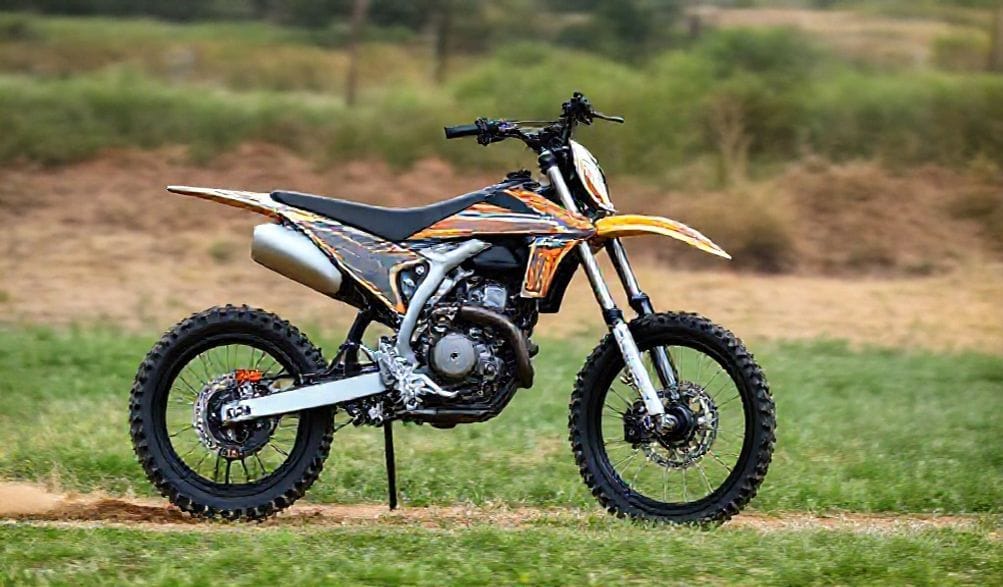
The Ultimate Guide to 50 mph Electric Dirt Bikes: Power, Performance & Purchase Tips
The line between a gentle whir and a silent, earth-tearing surge is thinner than you think. The world of off-roading is undergoing a seismic, and nearly silent, shift. Gone are the days when electric power was synonymous with compromise. Today, a new breed of machine is redefining adrenaline: the 50 mph 电动越野摩托车. It promises the instant, visceral thrill of explosive acceleration without the roar of a gas engine, but it also demands a new level of respect and understanding. If you’re reading this, you’re likely asking the pivotal question: Is a 50 mph electric dirt bike the right choice for your adrenaline needs?
As a team of off-road enthusiasts and tech reviewers who have spent countless hours testing and comparing dozens of models—from backyard builds to premium factory offerings—we’ve felt that instant torque pull us up hills and experienced the eerie silence of blitzing down a trail at highway speeds. This guide isn’t based on spec sheets alone; it’s forged from first-hand experience, muddy boots, and charged batteries. We’re here to cut through the marketing hype and break down what “50 mph” really means for real-world performance, safety, and long-term value.
We understand you’re researching a significant purchase. This comprehensive guide is designed to be your unbiased resource, helping you navigate the key technologies, compare your options critically, and make an informed decision that matches your skill, terrain, and budget. We’ll cover the true meaning of performance benchmarks, dissect the essential components, outline crucial pre-purchase considerations, and provide vital maintenance and safety insights.
What Does “50 mph” Really Mean for an Electric Dirt Bike?
That number on the brochure is a powerful lure, but it’s just the starting point. Understanding the nuances behind it separates an informed buyer from a disappointed one.
Peak Speed vs. Sustained Speed
This is the most critical distinction. Peak speed is the absolute maximum velocity a bike can achieve under ideal conditions—fully charged battery, flat pavement, lightweight rider tucked in. It’s a brief, often fleeting, figure.
Sustained speed, however, is what you’ll actually experience on the trail. This is the speed the bike can comfortably maintain while climbing a moderate hill, powering through loose dirt, or carrying a rider with gear. A bike that hits 50 mph on a flat but drops to 25 mph on a climb has a very different performance profile than one that holds 40 mph consistently. Factors like declining battery charge (power often drops in the last 20%), soft terrain, and rider weight all directly impact this sustained performance.
The Role of Motor Power and Voltage
The “engine” of your e-dirt bike is defined by two key specs: power (kW) and voltage (V).
- motor power (kW): Think of this as the bike’s potential for brute force and top speed. A 10kW motor is significantly more powerful than a 5kW motor. However, raw kW doesn’t tell the whole story about how that power is delivered (more on motor types later).
- System Voltage (e.g., 72V vs. 48V): This is like the size of the pipe delivering water. A higher voltage system (72V or 84V is common for 50 mph bikes) can deliver more power to the motor more efficiently than a lower voltage system (like 48V), especially under the high load of maintaining top speed or climbing. It allows for higher performance with less energy loss as heat. In simple terms, for a true 50 mph-capable bike, you should be looking primarily at 72V architectures.
Real-World Riding Conditions
Your local terrain is the ultimate test. A bike that achieves 50 mph on hard-packed fire roads will struggle to hit 35 mph in deep sand or thick mud, where resistance is immense. Steep, technical hill climbs demand torque over top speed. Furthermore, rider skill plays a huge role. An experienced rider who understands weight distribution and momentum will extract more performance from the same bike than a novice. Always temper the advertised top speed with the reality of where and how you ride.
Key Components of a High-Speed Electric Dirt Bike
Achieving reliable, high-speed performance isn’t magic; it’s engineering. Here’s what to look under the frame for.
Motor Types: Hub vs. Mid-Drive
The placement of the motor fundamentally changes the bike’s character.
- 电机(轮毂电机 vs. 中置电机): Located in the center of the rear wheel. Pros: Simple, often less expensive, low maintenance. Cons: It adds unsprung weight to the rear wheel, which can negatively affect suspension performance and handling on rough terrain at high speeds. Heat dissipation can also be a challenge under sustained load.
- 轮毂电机: Mounted centrally on the bike’s frame, connected to the rear wheel via the chain or belt. This is the dominant and preferred configuration for serious 50 mph electric dirt bikes. Pros: It keeps weight low and centered, improving balance and handling. It leverages the bike’s existing gears (if equipped), allowing the motor to operate in its optimal RPM range for both torque and efficiency. This setup is better for heat management and provides a more natural, motorcycle-like feel.
Battery Technology: Capacity, Chemistry, and Range
The battery is the fuel tank and a major cost component. Its quality is paramount.
- Capacity (Ah & kWh): Amp-hours (Ah) and kilowatt-hours (kWh) measure total energy storage. A larger capacity (e.g., 30Ah, 2.5kWh+) generally means more range. Crucially, riding at a steady 50 mph draws enormous power. Your range at top speed could be less than half of what it is at a moderate 25 mph trail pace. Always ask for estimated range at varying speed profiles.
- Cell Chemistry & Brand: Not all lithium-ion cells are created equal. High-quality bikes use name-brand cells from manufacturers like LG, Samsung, or Panasonic. These cells offer better energy density, more consistent performance, superior thermal management, and crucial safety features. A bike with generic, no-name cells is a red flag for both performance and long-term reliability.
Frame, Suspension, and Braking Systems
Speed multiplies forces. A bike built for 30 mph will be dangerously inadequate at 50 mph.
- 车架结构: Look for robust construction from chromoly steel or aluminum. The geometry should be designed for stability at speed, not just low-speed agility. Welds should be clean and consistent.
- 悬挂系统: This is non-negotiable. You need adjustable, long-travel suspension from reputable brands (e.g., DNM, RST, or higher-end names on premium models). Inverted (upside-down) forks are a good indicator of serious intent. Proper suspension controls the bike over bumps, maintains tire contact, and is your primary safety system for handling.
- 制动系统: Hydraulic disc brakes are the absolute minimum. Large rotors (203mm+) and multi-piston calipers provide the stopping power needed to control this much speed and weight, especially on downhill sections. Mechanical disc brakes are insufficient.
Top Considerations Before Buying a 50 mph Electric Dirt Bike
Beyond the specs, honest self-assessment and practical logistics are key to a satisfying purchase.
Your Skill Level and Intended Use
A 50 mph electric dirt bike is not a beginner’s machine. The instant, silent torque can easily overwhelm an inexperienced rider, leading to dangerous situations. Be honest with yourself. Are you an intermediate to advanced rider comfortable handling powerful motorcycles? Also, define your primary use:
* Trail Riding: Requires good torque and a plush suspension. Sustained top speed is less critical than maneuverability and range.
* Motocross/Track: Demands explosive acceleration out of corners, aggressive suspension, and a lightweight frame.
* 双用途/探险车型: Prioritizes range, comfortable seating, and potentially street-legal equipment (lights, mirrors, horn).
地方法律法规
This is arguably the most important research you will do. The legality of operating a high-powered electric dirt bike is a complex patchwork of local, state, and federal regulations.
* 分类: Is it considered an Off-Highway Vehicle (OHV), a motorcycle, or a “low-speed electric bicycle”? This dictates everything.
* 注册与保险: Most states require OHVs to be registered and may require insurance, especially for higher-powered models.
* 头盔法规: Almost universally required, but the specific standard (DOT, SNELL) may be mandated.
* 骑行区域规定: 公共步道、州立公园和联邦土地通常对机动车辆的使用、噪音和速度有严格规定。许多地方完全禁止机动车辆进入。. 您的主要骑行地点很可能需要在私人土地或指定的越野车公园内。. 对法律的无知不能成为借口,并可能导致高额罚款和车辆被扣押。.
预算与总拥有成本
- 前期成本: 对于一辆来自信誉品牌、质量可靠、时速可达50英里的电动越野摩托车,预计需要投资 4,500至10,000+美元。. 价格低廉得多的型号通常在刹车、电池和车架完整性等关键部件上偷工减料,存在安全隐患。.
- 长期成本:
- 电池更换: 这是未来最大的一笔开销。一个优质的电池组可能花费1,000至2,500+美元,在正常使用3-5年后可能需要更换。.
- 轮胎与消耗品: 高速骑行会更快地磨损轮胎、链条和刹车片。.
- 零件供应: 制造商或经销商是否有可靠的备件供应(控制器、显示屏、专用部件)?
- 保修: 强有力的保修(电池2年以上,车架/电机1年以上)是制造商信心的体现,也能保护您的投资。.
高性能电动越野摩托车的维护与安全
拥有如此高性能的同时,也意味着承担妥善保养的责任和对安全坚定不移的承诺。.
基本维护清单
电动摩托车比燃油摩托车的活动部件少,但并非免维护。.
1. 电池保养: 在凉爽干燥处以30-80%的电量存放。避免完全放电至0%,也不要长时间保持100%满电状态。.
2. 驱动系统: 保持链条或皮带(如适用)张紧度适当并充分润滑。检查磨损情况。.
3. 制动系统: 定期检查刹车片厚度,并根据需要为液压系统排气,以保持扎实的刹车手感。.
4. 悬挂系统: 保持前叉和后避震器清洁。检查是否有漏油,并按照制造商的建议间隔进行保养。.
5. 紧固件: 越野骑行中的震动可能使螺栓松动。定期检查车把、立管、车轮和电机支架上的关键紧固件。.
6. 软件: 部分车型的控制器可接收固件更新。请定期查看制造商网站。.
关键安全装备
在50英里的时速下,摔车是严重事件。您的装备是首要保护,不容妥协。.
* DOT认证的全盔(越野摩托车头盔)最为理想。它能保护您的头部、下颌和面部免受冲击和碎屑伤害。 A 必须佩戴全面式、通过DOT/SNELL认证的越野或双运动头盔。它能保护您的下颌和面部。 保护眼睛免受飞溅物、树枝和昆虫伤害。防雾贴膜在泥泞条件下非常有用。.
* 手套: 提供抓握力并在摔车时保护双手。.
* 靴子: 具有脚踝支撑、硬质鞋底和胫骨保护的专用越野靴至关重要。.
* 长袖上衣与长裤: 强烈建议投资购买护胸板、护膝护肘以及颈部支撑器(用于激进骑行)。.
* 护甲: 大功率摩托车的骑行技巧.
敬畏瞬时扭矩:
- 油门不是开关。平稳、渐进的操作是保持牵引力和控制力的关键,尤其在出弯时。 许多电动摩托车采用能量回收制动,收油门时可能使车辆减速。了解您车辆的特性——这可能是一个有用的功能,但起初可能感觉不习惯。.
- 再生制动系统: 与任何越野摩托车一样,加速时身体前移以增加牵引力,刹车时身体后移以保持稳定,这至关重要。无声的运行意味着您必须更加依靠视觉来感知周围环境和地形。.
- 重量分布: 问:一辆时速50英里的电动越野摩托车一次充电能跑多远?.
常见问题解答
这差异很大。如果持续以或接近其50英里的最高时速行驶,预计续航里程将显著减少,通常在
答: 20-40英里之间。在以中等林道速度(20-30英里/小时)骑行时,根据电池容量、地形和骑手体重,续航里程通常可延长至 20-35英里. 40-70英里。 **40-60英里**, 它们的动力输出方式不同。一辆时速50英里的电动越野摩托车通常具有.
问:电动越野摩托车和燃油摩托车一样强劲吗?
答: 从0转速开始的瞬时巨大扭矩, 这使得它在出弯或爬坡加速时感觉爆发力极强——通常比同级别的燃油摩托车响应更直接。然而,在长距离维持极速以及几分钟内完成补能方面,高性能燃油摩托车仍具优势。, 使用标准充电器,充满电通常需要.
Q2: 电池充电需要多长时间,使用寿命是多久?
答: 4-8小时。有时可选配更快的充电器。一个优质的锂离子电池组通常可进行 4到8小时. 500至1000次以上的完整充电循环, 之后其容量会衰减至原始的80%左右。在正常使用下,这相当于 数年的使用寿命。 问:我可以在雨中骑行时速50英里的电动越野摩托车吗? 3-5年或更长时间.
大多数车型具有一定程度的防水性(寻找如IP65之类的防护等级,表示防尘且能防止喷水)。它们可以应对雨水和水坑。然而,它们
答: 不是潜水艇。 淹没电机、电池或控制器的深水穿越可能导致灾难性故障。湿骑后务必彻底擦干车辆,并查阅用户手册以了解具体的警告事项。. 问:我可以在哪里合法骑行这么快的摩托车?.
您必须
答: 查阅您所在州和当地的具体法规。 通常,这些摩托车在. 私人土地(经许可)或指定的越野车公园和步道上骑行。 大多数公共多用途步道、公园和林务局土地都有严格规定,通常禁止机动车辆或仅允许合法上路的注册摩托车行驶。切勿想当然地认为合法。. 时速50英里的电动越野摩托车代表了越野性能领域一个激动人心的前沿。它提供了瞬时无声的动力、更少的维护以及不同于燃油摩托车的 exhilarating 骑行体验的独特融合。然而,正如我们概述的那样,这种性能伴随着严肃的责任:重大的财务投入、对顶级安全装备不容妥协的承诺、对当地法律的透彻理解以及对车辆性能的敬畏之心。.
结论
我们的指导源于实际测试的基础,以及对骑手安全和理性购车的真诚承诺。我们相信越野骑行的电动未来,但我们同样坚信要以正确的方式实现它。.
您明确的下一步是将本指南作为框架。.
运用其中关于部件、使用与法律问题以及安全要点的标准,并将其应用于您研究的具体车型。拜访信誉良好的经销商,在论坛上寻找详细的长期车主评测,并且如果可能的话,. 亲自感受瞬时扭矩,并判断其操控和悬架表现,是您能进行的最有价值的研究。, 安排一次试驾。. Feeling the instant torque and judging the handling and suspension for yourself is the most valuable research you can do.
高性能越野的未来已然到来,它属于电动时代。拥抱其潜力,敬畏其力量,并明智驰骋。.
METADATA_START—
显示标题:20英里/小时电动越野摩托车终极指南
SEO_TITLE: 2024年时速50英里电动越野摩托车指南:性能、安全与选购要点
META_DESC: 正在考虑购买时速50英里的电动越野摩托车?我们的专家指南涵盖实际性能、关键部件、安全装备、法律法规及选购建议,助您做出明智决策。.
IMG_PROMPT: 动态专业的动作抓拍,一位身着全套越野摩托装备的骑手,在尘土飞扬的小道上驾驭一辆造型前卫、极具攻击性的现代电动越野摩托车压弯过弯,展现出速度与力量感,自行车简洁的设计清晰可见。阳光明媚,天气晴朗。.
—METADATA_END—