
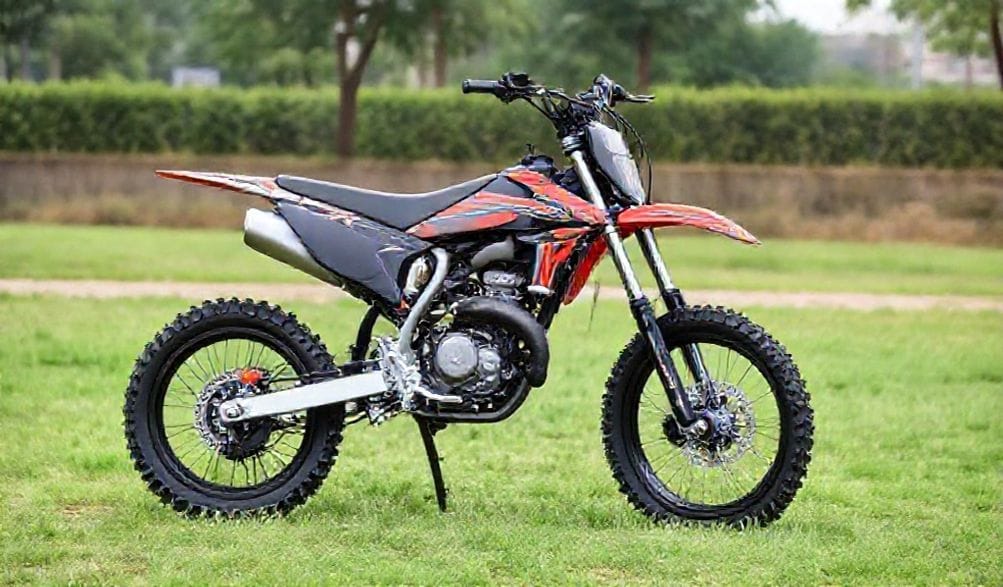
The Complete Guide to 48V Electric Dirt Bikes: Power, Performance & Buying Tips
The roar of a two-stroke engine has long been the soundtrack of off-road adventure. But a new, quieter revolution is carving its own path through the trails. Across the globe, riders are discovering the instant thrill, simplicity, and environmental benefits of electric power. For those looking to join this shift, the 48V elektrinis motociklas bekeliams has emerged as a sweet spot—a gateway to electric off-roading that balances capability, affordability, and rider-friendliness.
Written by an experienced off-road enthusiast and EV technology reviewer.
This guide is designed to be your definitive resource for understanding 48V electric dirt bikes. We’ll cut through the marketing jargon to explain how they work, who they’re for, and what you should really look for before buying. By the end, you’ll be able to confidently assess if a 48V bike matches your riding style and make an informed purchase decision.
Whether you’re a parent researching a first “real” bike for a teen, a beginner seeking a manageable way into the sport, or an eco-conscious rider looking to explore trails with a lighter footprint, this guide is for you.
What is a 48V Electric Dirt Bike? Understanding the Basics
Before diving into specs and reviews, it’s crucial to understand what you’re looking at. A 48V electric dirt bike isn’t just a silent motorcycle; it’s a different kind of machine with its own set of principles.
Voltage Explained: What Does “48V” Actually Mean?
Think of voltage like water pressure in a hose. A higher voltage (like 72V) is like higher water pressure—it can push more electrical “current” (the water flow) through the system with greater force. 48V is a specific system voltage that has become a standard for a class of light electric vehicles. It represents a balance: enough “pressure” to deliver strong performance for recreational and light trail use, while keeping component costs, complexity, and safety considerations manageable compared to higher-voltage systems.
Key Components of an Electric Dirt Bike
An e-dirt bike is elegantly simple, with three core components:
1. The Motor: This is what turns electricity into motion. Most 48V bikes use a hub motor (built into the rear wheel) for simplicity and direct drive, or a mid-drive motor (mounted on the frame, driving the chain). Mid-drives often leverage the bike’s gears for better hill-climbing and efficiency.
2. The Battery: The fuel tank. Almost all modern e-dirt bikes use Lithium-ion battery packs due to their high energy density and light weight. The capacity is measured in Amp-hours (Ah). However, a more useful metric is Watt-hours (Wh), which is Voltage (V) multiplied by Amp-hours (Ah). This tells you the total energy stored (e.g., a 48V 20Ah battery = 960Wh).
3. The Controller: The brain of the bike. This electronic unit sits between the battery and the motor. It regulates power delivery based on your throttle input, manages battery output, and often houses safety features and riding modes.
How It Compares to Gas and Higher-Voltage Electric Bikes
- vs. 110cc-125cc Gas Bikes: This is the most common comparison. A typical 48V e-bike matches the low-end torque and trail-riding capability of a 125cc gas bike. It wins on instant, silent torque and near-zero maintenance but may lag in top speed and the “refuel in 2 minutes” convenience. It’s a trade-off between simplicity and tradition.
- vs. 60V/72V Electric Bikes: Higher voltage generally means the potential for more power and higher top speeds. A 72V bike is often in the performance realm, competing with 250cc+ gas bikes. The 48V system is the accessible, often more affordable entry point, focused on trail mastery rather than peak horsepower. It’s the difference between a versatile trail bike and a dedicated motocross weapon.
Pros and Cons of Choosing a 48V System
A balanced perspective is key. The 48V platform isn’t perfect for everyone, but its advantages are compelling for its target audience.
Advantages of 48V Electric Dirt Bikes
- Strong Low-End Torque: Electric motors deliver 100% of their torque instantly from 0 RPM. This makes 48V bikes exceptional for technical terrain, climbing steep hills, and navigating obstacles where precise, immediate power is king.
- Quieter Operation: This is a game-changer. Ride early in the morning, explore wooded trails without disturbing wildlife, or practice in your backyard without noise complaints. It opens up riding locations that were previously off-limits.
- Lower Maintenance: Forget oil changes, air filters, spark plugs, carburetor tuning, and clutch adjustments. Maintenance shifts to basic bicycle-style care: checking brakes, chain, and tires. It’s a huge win for new riders or those who just want to ride, not tinker.
- Eco-Friendly & Cost-Effective: Zero tailpipe emissions. “Refueling” costs pennies on the dollar compared to gasoline. The environmental and long-term operational cost benefits are significant.
- Often More Affordable: While the upfront cost can be higher than a basic gas bike, 48V models are generally the most affordable point of entry into the quality e-dirt bike market, especially compared to 60V/72V performance models.
Limitations to Consider
- Didžiausias Greitis: Realistically, most 48V consumer bikes are capped between 25-40 mph. If your goal is wide-open desert racing or keeping up with high-performance gas bikes on long straights, you may feel limited.
- Range Anxiety: Unlike a 5-minute gas stop, recharging takes hours. Real-world range varies wildly (see FAQ). Planning your ride length around your battery’s capacity becomes a new part of the sport.
- Charging Time: With standard chargers, expect 4 to 8 hours for a full charge. This requires forethought and can limit back-to-back riding days unless you invest in a fast charger or a second battery.
- Upfront Investment: The initial purchase price for a well-built 48V e-dirt bike is often higher than for a comparable displacement entry-level gas bike. You’re paying for advanced battery technology upfront to save on fuel and maintenance later.
Who is a 48V Electric Dirt Bike Best For?
This platform shines when matched with the right rider and use case.
The Ideal Rider Profile
- Beginner & Intermediate Riders: The clutchless, linear power delivery allows new riders to focus on balance, body position, and trail vision without stalling. Intermediates can hone technical skills.
- Trail & Recreational Riders: If your passion is exploring forest paths, mountain trails, and technical singletrack rather than hitting massive jumps on a motocross track, a 48V bike is an ideal companion.
- Younger Riders/Teens: The manageable power curve, combined with speed limiters (on some models), provides a safer, more controllable learning progression for teens stepping up from smaller bikes.
Perfect Use Cases
- Backyard and Wooded Trail Exploration: The quiet nature makes it perfect for low-impact exploration on private property or noise-sensitive public trails.
- Learning Core Riding Skills: Mastering throttle control, braking, and cornering is easier without a clutch and gearbox to manage.
- Property Maintenance and Light Utility: Useful for checking fences, towing light trailers, or navigating large properties quickly and quietly.
Critical Buying Guide: What to Look For
Don’t just buy based on “48V.” Dig deeper into the specs that truly determine performance and longevity.
Beyond the Voltage: Key Specs to Decode
- Motor Power (Watts): Voltage is potential; Watts (W) are the continuous power output. A 48V bike with a 1500W motor will feel very different from one with a 3000W motor. More watts generally mean more torque and hill-climbing ability.
- Battery Capacity (Ah & Wh): As mentioned, always calculate or look for the Watt-hour (Wh) rating. A 48V 20Ah (960Wh) battery has nearly 50% more energy than a 48V 14Ah (672Wh) battery, meaning significantly longer range. This is the most important number for comparing range.
- Build Quality: This separates toys from tools.
- Frame: Steel is common and durable; aluminum is lighter and resists rust.
- Suspension: Look for adjustable front forks and a rear shock with adequate travel (e.g., 4+ inches) for your terrain.
- Brakes: Hydraulic disc brakes are vastly superior to mechanical discs in power, modulation, and consistency—a worthwhile investment for safety.
Safety and Certification Checklist
- Battery Certification: This is non-negotiable. The battery should have a safety certification from a recognized body like UL, CE, or ETL. This ensures it was built with proper safety circuits, quality cells, and robust construction to prevent fire risk.
- Mechanical Safety: Inspect the quality of the throttle (should return smoothly), brake levers, tires, and all fasteners. A well-assembled bike is a safe bike.
Brand Reputation and Support
- Warranty: A strong warranty, especially on the battery (2+ years is good), is a sign of manufacturer confidence. Read the fine print.
- Parts & Service: Can you easily order replacement parts (brake pads, chains, fenders)? Are there user manuals and wiring diagrams available? Search for customer service reviews. A reputable brand stands behind its product.
Maintaining Your 48V Electric Dirt Bike
Simple maintenance ensures longevity and safety.
Routine Maintenance Checklist
- Battery Care:
- Charging: Follow manufacturer guidelines. Avoid leaving it at 100% charge for weeks on end. Store it at a ~50-80% charge if not using for a month.
- Storage & Temperature: Never store a fully depleted battery. Keep it in a cool, dry place, away from freezing temperatures or extreme heat.
- Mechanical Checks: The “ABCs”: Air (tire pressure), Brakes (pad wear, fluid levels if hydraulic), Chain (tension and lubrication). Periodically check that critical bolts (axles, handlebar clamp) are tight.
Maximizing Battery Life and Range
- Riding for Efficiency: Smooth, steady throttle input is more efficient than constant “on-off” bursts. Use higher gears (if equipped) on flat terrain.
- Range Factors: Understand that rider weight, hill climbs, soft terrain (sand/mud), and aggressive riding can cut your range by 30-50% compared to manufacturer claims. Plan accordingly.
Dažniausiai užduodami klausimai (DUK)
Q: How fast does a typical 48V electric dirt bike go?
A: Most consumer models range from 25 to 40 mph, depending on motor power, bike weight, and rider. Performance-oriented models with higher-wattage motors may reach the upper end of that range. Always check the manufacturer’s verified specs.
Q: How far can I ride on a single charge?
A: Real-world range is typically 20 to 40 miles. It varies drastically based on battery capacity (use the Watt-hour/Wh rating for comparison), terrain, throttle use, and rider weight. A 960Wh battery will generally go about twice as far as a 480Wh battery under the same conditions.
Q: Are they safe for kids or teenagers?
A: They can be, with proper supervision and the right model. Look for bikes with adjustable speed limiters or multiple riding modes (e.g., Eco, Normal, Sport). This lets you restrict power as they learn. Always pair the bike with full safety gear (DOT helmet, gloves, boots, knee/elbow pads) and professional training, regardless of voltage.
Q: Can I ride it in the rain or through water?
A: Exercise extreme caution. While many have some water resistance (look for an IP rating like IPX5), they are not waterproof. Deep puddles, streams, or pressure washing can force water into connectors, the motor, or controller, causing permanent damage. Avoid submersion of any electrical component.
K: Kiek laiko akumuliatorius tarnauja prieš reikėdamas pakeisti?
A: A quality lithium-ion battery, with proper care, should last 3-5 years or 500-1000 full charge cycles before its capacity degrades to about 80% of new. Degradation is gradual; you’ll notice slowly decreasing range over time, not a sudden failure.
Išvada
Tai 48V electric dirt bike offers a fantastic and practical blend of instant torque, low maintenance, and quiet operation. It represents a thrilling and accessible entry point into off-road riding, perfectly suited for mastering trails, exploring the outdoors responsibly, and developing core skills without the complexity and noise of a gas engine.
While it may not be the ultimate choice for high-speed motocross or long-distance adventure racing, for its target audience—trail riders, beginners, families, and the eco-conscious—it provides an incredibly compelling and fun experience.
Your final takeaway should be this: Prioritize real-world specs (motor watts, battery Wh), tangible build quality (suspension, brakes, frame), and reputable brand support over marketing claims about voltage alone. Your perfect bike is the one that reliably, safely, and enjoyably matches your specific riding goals, skill level, and budget.
Ready to explore specific models? Check out our detailed, hands-on reviews of top-rated 48V bikes or join the conversation in our off-road community forum to ask questions and share your experiences.
METADATA_START—
DISPLAY_TITLE: The Complete Guide to 48V Electric Dirt Bikes: Power, Performance & Buying Tips
SEO_TITLE: 48V Electric Dirt Bike Guide 2024: Reviews, Range, Speed & Buyer’s Tips
META_DESC: Thinking of buying a 48v electric dirt bike? Our expert guide covers speed, range, pros/cons, key specs, and essential buying tips for beginners and trail riders.
IMG_PROMPT: A sleek, modern 48V electric dirt bike with a rider in full safety gear, paused on a scenic forest trail. The bike is clean, highlighting its battery and motor, with sunlight filtering through the trees. Action shot, professional photography, dynamic angle.
—METADATA_END—