
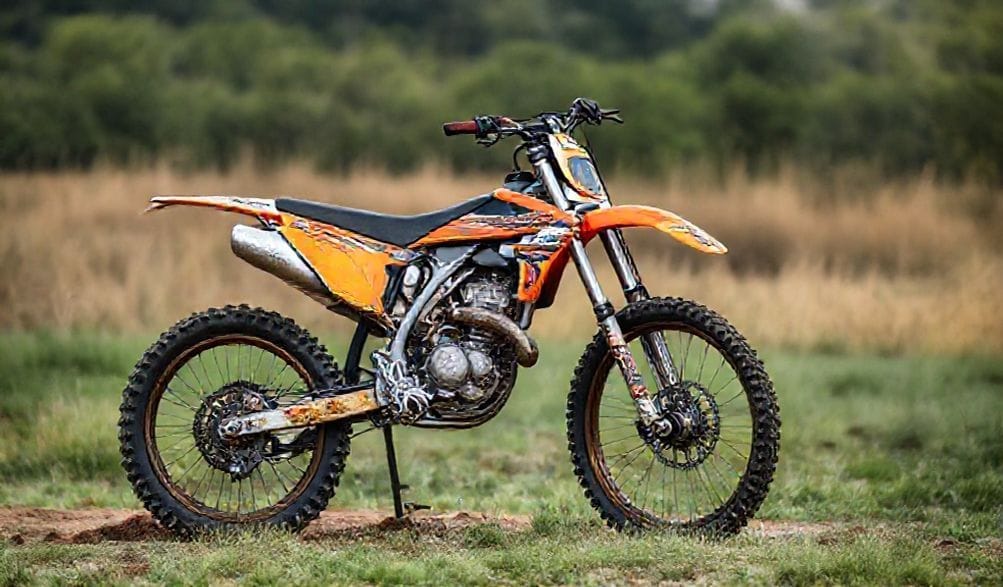
Dirt Bike vs. Bicycle: A Complete Guide to Off-Road Riding Machines
You see two riders tackling a rugged hill. One is standing on the pegs, the engine roaring as it claws its way up. The other is out of the saddle, muscles straining, quietly pedaling for the summit. To a newcomer, they might both just be “off-road bikes.” This common point of confusion—”Is a motociklo just a motorized bicycle?”—is where many new riders and parents start. While they share a common lineage and basic two-wheeled concept, a modern dirt bike and a mountain bicycle are as fundamentally different as a sports car and a touring bicycle. One is a purpose-built motorized vehicle; the other is the pinnacle of human-powered efficiency. This guide exists to cut through the confusion, providing a clear, expert-driven comparison to help you make safe, informed decisions, whether you’re purchasing your first machine, ensuring a child’s safety, or simply clarifying a hobby.
We’ll address the core needs behind the search: understanding the real-world differences in mechanics, use, legality, and cost. This isn’t just about specs; it’s about matching the right machine to your adventure goals. We will dissect the critical distinctions between dirt bikes and bicycles, focusing on the core pillars of power, design, terrain, legal requirements, and ongoing commitment, so you can choose the path that’s right for you.
Core Distinction: Powered vs. Pedal-Powered
The most fundamental and obvious difference is the source of propulsion. This single distinction cascades into every other aspect of the machines, from their construction to where and how you can use them.
The Engine: Heart of the Dirt Bike
The dirt bike’s engine is its defining feature. This complex mechanical system replaces human legs with controlled explosions.
- Types & Power: Engines are primarily 2-stroke or 4-stroke, each with a unique character. 2-strokes are lighter, simpler, and deliver a sudden, explosive “hit” of power. 4-strokes are heavier, more complex, but offer a smoother, more tractable power delivery, often preferred for trail riding. Power is measured in displacement (cubic centimeters or cc), generally ranging from 50cc for youth models to 500cc+ for expert-level adult bikes.
- Control Systems: Power is managed via a throttle (your right hand) and delivered through a multi-speed transmission and a manual clutch (your left hand). Learning to coordinate the clutch and throttle is the first major skill hurdle in dirt biking. This system allows for immense torque at the rear wheel, enabling hill climbs and acceleration that human power cannot match.
- Maintenance & Inputs: This power comes with demands. Dirt bikes require fuel (mixed with oil for 2-strokes), regular engine oil changes, air filter cleaning, and spark plug replacements. They are mechanical entities that need consistent care and a basic understanding of internal combustion.
Human Power: The Efficiency of the Bicycle
The mountain bicycle’s “engine” is you. Its design is a masterpiece of biomechanical efficiency, translating your energy into motion.
- The Drivetrain: Power starts at the pedals, travels through a crank, is transferred by a grandinė, and managed by a system of gears and derailleurs. Modern mountain bikes have sophisticated 1x (one-by) drivetrains with wide-range cassettes, offering both easy climbing gears and fast descending gears, all controlled by shifters at your fingertips.
- The Experience: The output is silent, connecting you intimately with your surroundings. The physical effort provides significant cardiovascular and muscular fitness benefits. The mechanical complexity, while advanced, is largely external and more accessible for the home mechanic. There are no fluids to change or combustible fuels to manage—your stamina is the primary fuel.
Design and Construction: Built for Different Demands
The power source dictates the structure. A machine built to handle 40+ horsepower and land from 10-foot jumps has different requirements than one built to be lightweight and pedaled efficiently.
Dirt Bike Frame and Suspension: Built for Impact
A dirt bike is a motorized vehicle frame first. It’s built to handle the vibrations of an engine and the massive impacts of off-road riding.
- Frame: Constructed from high-strength steel or aluminum, the frame must house the engine as a stressed member. This makes it inherently heavier (a 250cc dirt bike can weigh ~220 lbs).
- Suspension: This is the star of the show. Long-travel suspension—both in the front forks and the rear shock—is designed to absorb the massive hits from whoops, rocks, and high-speed jumps. Travel is measured in inches (often 10-12″+) and is fully adjustable for compression and rebound damping. The goal is to keep the wheels on the ground and the ride manageable for the rider.
Bicycle Frame and Suspension: A Range of Options
Kalnų dviračio rėmas yra optimizuotas lengvumui, standumui ir pedalavimo efektyvumui,, o pakaba sukurta išlaikyti sukibimą ir kontrolę.
- Rėmas ir medžiagos: Siekiant efektyvaus pedalavimo, rėmai gaminami iš lengvų medžiagų, tokių kaip aliuminis, anglies pluoštas ar chromo-molibdeno plienas. Svoris yra kritinis faktorius (kokybiško kalnų dviračio svoris gali siekti 11–16 kg). Konstrukcijos svyruoja nuo „hardtail“ tipo (tik priekinė pakaba), skirtų efektyvumui, iki pilnos pakabos dviračių su galine pakaba, užtikrinančių patogumą ir valdymą sunkiau įveikiamuose takuose.
- Pakabos filosofija: Kalnų dviračio pakabos eiga (paprastai 100–170 mm arba 4–7 coliai) sukurta tam, kad sušvelnintų trūkčiojimą takuose, išlaikytų sukibimą ir suteiktų kontrolę techniškai sudėtingose vietose. Nors šiuolaikiniai kalnų slidinėjimo dviračiai gali atlaikyti didelius šuolius, jie paprastai nėra suprojektuoti atlaikyti nuolatinius, didelės energijos smūgius, būdingus motokrosui.
Vietovė ir važiavimo patirtis: Kur jie išsiskiria
Jūsų pasirinkta mašina atveria duris į skirtingus pasaulius ir suteikia visiškai kitokią sensorinę bei fizinę patirtį.
Motociklo bekeliams važiuoti vietovė: Ekstremalių kraštovaizdžių įveikimas
Motociklo bekeliams važiuoti sritis yra ekstremali, atvira ir specialiai pritaikyta variklinei transporto priemonei vietovė..
- Vietos: Tai apima motokroso trasas su specialiai suformuotais šuoliais ir posūkiais, atvirus dykumas,, statomų kalnų lipimus,, ir specialiai skirtas nekeliams transporto priemonėms (OHV) takų sistemas.. Galia leidžia greitai įveikti didelius atstumus ir spręsti kliūtis pasitelkiant inerciją ir sukimo momentą.
- The Experience: Čia svarbiausia yra gryna galia, adrenalinas ir aplinkos paveikimas— pojūtis “apdulkinti” posūkį sukdant galinį ratą. Fiziniai reikalavimai kyla iš galingos, sunkios mašinos valdymo:kovojant su ja grubiuose ruožuose, kūno judesiais keičiant kryptį ir sugeriant perkrovas. Variklio garsas ir kvapas yra neatsiejama patirties dalis.
Kalnų dviravimo vietovė: Techniškai sudėtingi takai ir ryšys su gamta
Kalnų dviratis puikiai tinka techniškai sudėtingiems, žmogaus masto ir dažnai nevarikliniams takams..
- Vietos: Tai yra vienkelio takų,— siaurų, vingiuotų takų per miškus, dviračių parkų, su keltuvais aptarnaujamais kalnų slidinėjimo ruožais, ir kroso šaligatvių tinklų. pasaulis. Prieiga dažnai yra tiesiai nuo namų durų arba trumpas važiavimas iki vietinių takų pradžios.
- The Experience: Tai yra tylesnis, labiau įtraukiantis ryšys su gamta.. Iššūkis yra techninis įgūdis ir fizinė parengtis:pasirinkti idealų maršrutą per akmenų sodus, naudoti reljefą greičiui palaikyti ir pasikliauti inercija bei pusiausvyra, nes negalima tiesiog pridėti galios, kad ištaisytumėte klaidą. Fizinis reikalavimas yra viso kūno ištvermė;; variklis esate jūs pats. Atlygis yra srauto būsena, pasiekiama tobuloje trasoje.
Teisiniai, saugos ir kaštų aspektai
Būtent čia skirtumas tarp “transporto priemonės” ir “dvirac.
Licensing, Registration, and Where to Ride
This is a critical, non-negotiable distinction.
- Dirt Bike (Motor Vehicle): Tai not a toy. On public land, most states require off-road vehicle registration and a visible sticker. Riding areas are restricted to designated OHV parks, tracks, or private land. For a street-legal “dual-sport,” a motorcycle license/endorsement, registration, and insurance are mandatory. Equipment like a kibirkščių sulaikytuvas išmetimo vamzdyje dažnai yra teisiškai reikalaujamas viešosiose žemėse, siekiant užkirsti kelią gaisrams.
- Kalnų dviratis (dviratis): Tam reikia jokios licencijos, registracijos ar draudimo. Prieiga yra nepaprastai plati: vietiniai vienkeliai takai, daugiafunkčiai takai, nacionaliniai parkai (pažymėtais maršrutais) ir net miesto teritorijos. Šis lengvas prieinamumas yra vienas didžiausių jo pranašumų.
Saugos įranga: Neginčytinas apsaugos lygis
Įranga atspindi susijusias jėgas. Įprastas dviračio šalmas yra visiškai netinkamas važiavimui su varikliu.
- Motokroso (enduro) įranga: Sukurta apsaugoti didelio greičio avarijų metu. Visiškai uždaras šalmas su vizieriu ir smakro apsauga, specialūs motokroso batai (kulkšnies atrama ir susidavimo apsauga), apsauginiai akiniai, kelių/blauzdų šarvai, krūtinės/šonų apsauga, pirštinės ir patvarūs šortai/marškiniai. Kaklo apsaugos ir pamušalai su protektoriais yra įprasti rimtiems raiteliams.
- Kalnų dviračio įranga: Sukurta apsaugoti nuo mažesnio greičio smūgių ir nudėrimų. Kalnų dviračio šalmas (dažnai su didesne pakaušio apsauga nei plento dviračio šalme), kelių ir alkūnių šarvai,, pirštinės, bei apsauginiai akiniai. Ekstremaliam kalnų slidinėjimui, visiškai uždaras šalmas ir kūno šarvai atkartoja motokroso įrangos principus.
Kaštų analizė: Įsigijimas ir priežiūra
Finansinės išlaidos smarkiai išsiskiria po pradinio įsigijimo.
- Pradinė investicija: Pradinio lygio motokroso (enduro) motociklai prasideda nuo maždaug 4 000+ € už naują 110cc-125cc modelį, suaugusiųjų motociklai lengvai pasiekia 8 000-10 000 €. Kokybiškas naujas kietagalvis kalnų dviratis prasideda nuo maždaug 800-1 500 €, o visiškai pakabinamosios amortizacijos dviračiai – nuo 2 500+ €.
- Einamosios išlaidos:
- Motokroso (enduro) motociklas: Kuro, dvitačio variklio alyvos (jei taikoma), variklio alyvos/filtrai, dažnesnis padangų keitimas, oro filtrai, žvakės. Galimybė rimtiems variklio remontams. Draudimas (net ir visureigiams) yra labai rekomenduojamas. Transportavimui reikia sunkvežimio ar priekabos.
- Kalnų dviratis: Grandinės tepalas, retkarčiais naujos grandinės/kasetės, padangos (tarnauja ilgiau nei motokroso padangos), stabdžių trinkelės. Priežiūra yra labiau draugiška “pasidaryk pats”. Transportuoti lengva naudojant paprastą dviračių laikiklį. Pagrindinė „kuro“ kaina yra jūsų maistas.
Teisingo pasirinkimo nustatymas: Pagrindiniai sprendimo veiksniai
Taigi, kuris kelias yra jūsų? Užduokite sau šiuos klausimus.
Jūsų tikslų įvertinimas: Adrenalinas, fizinė forma ar tyrinėjimas?
- Pasirinkite motokroso (enduro) motociklą, jei: Jūs trokštate variklio galios ir adrenalino, norite greitai įveikti dideles, atviras visureigių teritorijas , mėgstate techninę priežiūros pusę ir turite prieigą prie legal riding areas.
- Choose a Mountain Bike if: Your goals include fitness, mastering technical trail skills, quiet exploration of natural spaces, easy local trail access, and a more minimalistic, self-powered adventure.
Age and Skill Level Considerations
- For Youth: Both have excellent youth progression models (e.g., 50cc dirt bikes, 20″/24″ mountain bikes). Crucially, a dirt bike is a motor vehicle requiring immense maturity, constant adult supervision, and formal training. Start with a bicycle to develop fundamental balance and coordination.
- For Adult Beginners: In dirt biking, start with a low-power 4-stroke trail bike (e.g., 230cc) and take an MSF Dirt Bike School course. In mountain biking, start with a modern hardtail and take a skills clinic from an IMBA-certified instructor or local shop. Community is key—join local riding groups.
DUK skiltis
Q: Can you put a motor on a bicycle to make a dirt bike?
A: No. While “motorized bicycle” kits exist, they create a dangerous hybrid. A bicycle frame, brakes, and components are not engineered to handle the stresses, speeds, and weights of a motor. It results in a machine with significant safety, reliability, and legal limitations, falling into a grey area that is neither a safe bicycle nor a capable dirt bike.
Q: Is a dirt bike or a mountain bike harder to learn?
A: They present different core challenges. Dirt biking has a steeper initial curve: mastering the manual clutch and throttle coordination while managing a heavier machine. Mountain biking has a lower entry barrier (everyone can pedal) but a very deep skill curve in technical trail riding, balance, and fitness. Both demand respect and proper learning.
Q: Which is more dangerous, dirt biking or mountain biking?
A: Both carry inherent risks of falls and injury. Statistically, dirt biking involves higher speeds and greater kinetic energy, leading to a higher potential for serious injury in a crash—hence the more robust safety gear. However, risk in both sports is massively reduced by proper protective gear, professional instruction, progressive skill building, and riding within your limits.
Q: Can I ride a dirt bike on mountain bike trails?
A: Almost always no. The vast majority of singletrack trails are explicitly designated as non-motorized. Riding a dirt bike on them is illegal, causes significant environmental damage (erosion), poses a severe safety risk to hikers and cyclists, and jeopardizes trail access for everyone. Always respect trail designations and use legal OHV areas.
Išvada
The divide is clear. A dirt bike is a motorized vehicle, a tool for power, adrenaline, and conquering extreme motor-specific terrain. A mountain bike is a human-powered machine, a tool for fitness, technical skill, quiet connection with nature, and unparalleled trail access. One is not better than the other; they are different instruments for different symphonies of adventure.
Your choice must align with your goals, respect legal and environmental boundaries, and be undertaken with a commitment to safety. Whichever path you choose, start smart: visit reputable dealerships or bike shops, invest in professional training (MSF courses for dirt bikes, IMBA clinics for MTB), and gear up properly from day one. Connect with your local riding community—they are your best resource for finding trails, learning etiquette, and sharing the stoke.
So, what calls to you? The roar of controlled power or the rhythm of your own breath on a quiet trail? Define your adventure, and choose the machine that will take you there safely and responsibly.
METADATA_START—
DISPLAY_TITLE: Dirt Bike vs. Bicycle: Your Guide to Choosing an Off-Road Machine
SEO_TITLE: Dirt Bike vs. Bicycle: Key Differences in Power, Cost & Terrain | 2024 Guide
META_DESC: Confused between a dirt bike and a mountain bike? Our expert guide breaks down the key differences in power, design, terrain, legality, safety, and cost to help you choose the right off-road machine for your adventure.
IMG_PROMPT: A dynamic split-image photograph. On the left, a rider in full motocross gear on a dirt bike mid-jump on a sandy track, sunlight glinting off the helmet visor. On the right, a mountain biker in trail gear carving through a forest singletrack, with dappled sunlight filtering through the trees. The images contrast power vs. tranquility, motor vs. human.
—METADATA_END—