
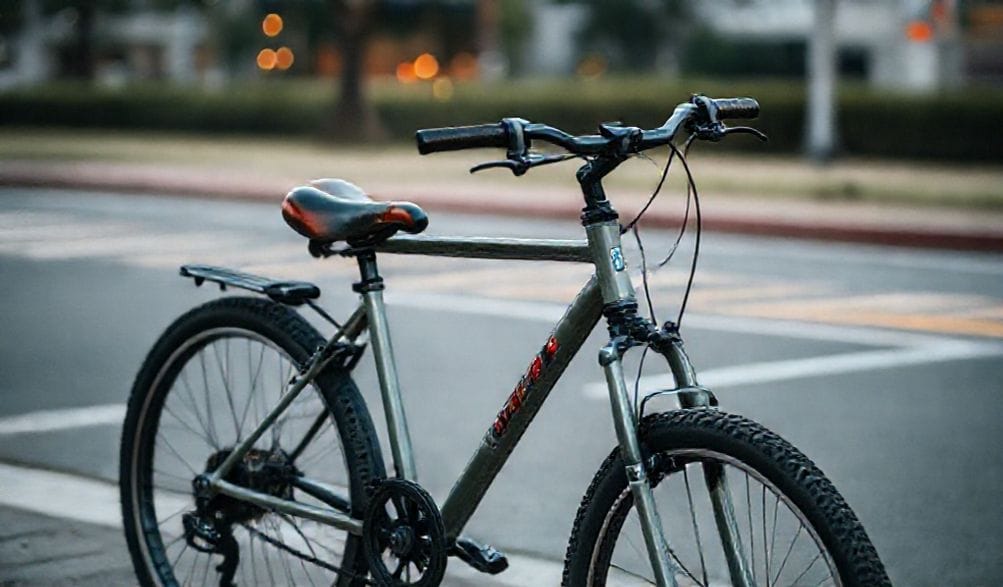
Dift Bikes Explained: Your Guide to the Ultimate Drift Cycling Experience
The scream of tires, the smell of burning rubber, the heart-pounding sensation of a vehicle dancing on the edge of control—drifting has long been the pinnacle of motorsport skill and style. But what if you could capture that same visceral thrill, that same graceful slide, on two wheels powered entirely by your own legs? Welcome to the underground, adrenaline-fueled world of drift bikes.
This isn’t about commuting or climbing mountains. It’s about transforming a bicycle from a tool of transport into a canvas for controlled chaos. As someone who has spent years testing limits on both pavement and dirt, wrenching on frames, and (importantly) learning how to fall correctly, I’m here to demystify this exciting niche. Often searched as “dift bike”—a common phonetic misspelling of “drift”—this activity is properly known as bicycle drifting.
This guide serves as your comprehensive introduction. We’ll strip away the mystery and provide a clear path from curiosity to your first controlled slide. We’ll cover exactly what defines a drift bike, the physics that make sliding possible, a step-by-step guide to getting started, the non-negotiable safety protocols, and practical advice on choosing or building your own machine. Whether you’re a seasoned cyclist looking for a new challenge or a thrill-seeker drawn to the art of the slide, consider this your roadmap.
What is a Drift Bike? Beyond the Ordinary Bicycle
At its core, a drift bike is a bicycle specifically designed or modified for intentional, sustained low-traction maneuvers. Unlike a standard bike where grip is paramount, a drift bike is built to break traction predictably and allow the rider to control the slide with precision. It’s a tool for expression and skill, turning asphalt or dirt into a playground.
Core Definition and Key Characteristics
A drift bike prioritizes durability and slide-ability over comfort and efficiency. Key characteristics include a robust frame (often chromoly steel), a short wheelbase for quick handling, and components chosen to withstand the unique stresses of repeated sideways motion. The most telling feature is usually at the contact patch: the tires are specifically chosen or modified to reduce grip, facilitating those beautiful, sweeping slides.
Drift Bike vs. Standard Bike: Key Differences
The differences between a drift bike and your average bicycle are significant:
* Frame Geometry: Drift bikes often use BMX or rigid mountain bike frames for their strength and agility. Shorter chainstays make the rear end easier to break loose and control, while specific head tube angles affect how the bike handles during a slide.
* Tires: This is the most critical distinction. While a road bike seeks high-grip rubber and a mountain bike wants aggressive tread, a drift bike might use slick tires, specific low-friction compounds, or even homemade modifications like PVC pipe sleeves to achieve minimal traction.
* Brake Setup: Setup is highly personal. Some riders run only a front brake, using it to shift weight forward and initiate the slide. Others use a rear brake for modulation. Standard dual-brake setups are less common, as fine control over one brake is often preferred.
Common Drift Bike Styles and Disciplines
The drift bike scene isn’t monolithic; it adapts to different environments:
* Street/Urban Drift: The most common image, performed on smooth pavement. It involves precise rear-wheel slides, curb taps, and technical control in an urban landscape, requiring immense bike handling skill.
* Dirt/Flatland Drift: Happens on loose surfaces like hard-packed dirt, gravel, or even grass. The slides are broader and more power-oriented, often using the natural low traction of the surface to the rider’s advantage.
* BMX-based Drift: Leverages the iconic strength and pop of a 20″ BMX bike. This style often incorporates elements of flatland BMX, with technical spins, pivots, and controlled skids in a small, defined area.
The Mechanics of Drifting: How Do Drift Bikes Work?
Understanding the “how” makes the “doing” much more accessible. Drifting a bicycle is a beautiful interplay of physics, machine modification, and human skill.
The Physics of the Controlled Slide
A drift is a controlled loss of traction. To initiate it, you must overcome the friction between your tire and the ground. This is done through a combination of:
1. Forward Momentum: You need sufficient speed. More speed means more energy to convert into a slide.
2. Sudden Traction Break: This is typically achieved by a sharp input—locking the rear brake, jerking the handlebars (counter-steering), or a powerful pedal kick on a fixed gear.
3. Weight Distribution & Lean: As the rear tire breaks loose, you shift your body weight to balance the bike. Leaning into the slide (or sometimes away from it, in a counter-steer) helps maintain the slide and steer it. The bike wants to follow its momentum; your job is to guide it.
Essential Bike Modifications for Drifting
While technique is king, the right setup is the queen.
* Tires: The #1 modification. Options range from commercial slick tires to sanding down old treads, to the extreme (and controversial) “PVC tires,” where a section of PVC pipe is fitted over the rim, creating an ultra-low-friction surface. Warning: PVC tires offer almost zero grip for braking or cornering and are for advanced, controlled environments only.
* Pavaros sistema: A strong chain and sprocket are vital, as the drivetrain can experience shock loads during slide initiation. Some riders prefer a freewheel for the ability to “coast” the slide, while fixed-gear riders use their leg resistance to modulate the rear wheel’s speed.
* Brakes: A well-adjusted, powerful front brake is crucial for most riders, both for initiating slides by shifting weight forward and as a primary safety brake. Rear brake setup is a matter of preference for slide control.
The Rider’s Role: Technique is Everything
You can have the perfect bike, but without skill, it’s just a slippery bicycle. The rider provides the timing, finesse, and courage. The bike is an instrument; you are the musician. This leads us to the most important part: learning how to play.
Getting Started with Drift Biking: A Step-by-Step Guide
This is where excitement must be tempered with patience and humility. Your first goal is not a 30-foot slide, but a controlled, safe, and repeatable skid.
Prerequisites: Fitness and Foundational Skills
Do not attempt drifting if you are not already a confident cyclist. You must have excellent control over a standard bike: emergency braking, looking through turns, balancing at low speeds, and recovering from small skids. Build your core and leg strength; this is a physical sport.
Tinkamos treniruočių aplinkos paieškos
Safety is paramount. Your ideal starter venue is:
* A vast, empty, smooth asphalt parking lot on a weekend.
* A flat, open dirt or grass field with no holes or obstacles.
* Absolutely NOT on public roads, bike paths, or anywhere near traffic, pedestrians, or private property without permission. You will fall, and you need space to do so safely.
Basic Drift Techniques to Learn First
-
The Rear Brake Slide (The Foundation):
- Ride in a straight line at a moderate, comfortable speed (10-15 mph).
- Shift your weight slightly back and to the side you intend to slide.
- Sharply and firmly apply the rear brake while turning the handlebars slightly in the opposite direction (a small counter-steer).
- The rear wheel should lock and step out. Focus on feeling the break of traction.
-
Controlling the Slide:
- Once sliding, modulate the rear brake pressure. Less brake may let the wheel roll and grip; more brake keeps it locked.
- Use your body weight and subtle steering inputs to “steer” the slide. Look where you want the bike to go, not at the ground in front of you.
- To recover, gently release the brake, let the tire regain traction, and straighten up.
-
Falling Safely (The Most Important Skill):
- When a slide goes wrong, do not stick your arms out straight to catch yourself. This is a prime way to break wrists or collarbones.
- Tuck and Roll: Try to roll over your shoulder, distributing the impact across your back. Practice this on grass first.
- Wear your gear (detailed next) every single time. It makes falling a learning experience, not a trip to the ER.
Safety First: Non-Negotiable Gear and Practices
In drifting, safety isn’t a suggestion; it’s the entry fee. Ignoring this section is an express ticket to injury.
Mandatory Protective Gear
- Helmet: A properly certified (CPSC, CE) bike helmet is the bare minimum. For serious practice, a full-face mountain bike or BMX helmet is strongly recommended to protect your chin and jaw.
- Pirštinės: Durable gloves with palm protection will save your hands from abrasion (“road rash”).
- Pads: Knee and shin pads are crucial. Elbow pads are highly advised. Your knees and elbows will hit the ground.
- Clothing: Wear long, durable clothing. Heavy denim jeans, a motorcycle jacket, or dedicated slide pants/jackets made of abrasion-resistant materials like leather or Cordura.
Bike Safety Checks and Maintenance
Drifting accelerates wear. Before every session:
* Check Tire Pressure: For slick tires, pressure is often very high to prevent pinch flats and promote sliding.
* Inspect Brakes: Ensure pads are aligned and levers are firm. Your front brake is your lifeline.
* Bolt Check: Ensure all bolts (axles, stem, handlebar) are tight. The forces of sliding can loosen them.
* Chain & Drivetrain: Look for stiff links or excessive wear. A broken chain during a slide can be catastrophic.
Risk Awareness and Responsible Riding
Acknowledge the risks: you will fall, and you may get hurt. Ride within your skill limit. Do not show off for others. Respect your practice space and leave no trace. The future of the sport depends on responsible riders.
Choosing or Building Your Drift Bike
You have two main paths: buy something ready-to-slide or convert an existing bike.
Buying a Pre-built Drift Bike: What to Look For
While fewer major brands produce “drift bikes” outright, specialty custom builders and some smaller companies do. Look for:
* Frame: Chromoly steel is the gold standard for strength and durability.
* Wheel Size: 20″ (BMX) for agility, 26″ (MTB) for stability. 24″ is a popular hybrid size.
* Komponentų Kokybė: Sealed bearing hubs, strong rims (double-walled), and a robust crankset.
The DIY Route: Converting a BMX or Mountain Bike
This is the most popular and affordable entry point.
1. The Base: Find a used, sturdy steel BMX bike or an old rigid (no suspension) mountain bike.
2. Modification #1 – Tires: Swap the rear tire for a slick or your chosen slide tire. This is the first and most impactful change.
3. Modification #2 – Brakes: Tune up the front brake to perfection. Consider your rear brake setup (keep it, remove it, upgrade it).
4. Modification #3 – Drivetrain & Geometry: As you progress, you might change gearing, add a bash guard, or adjust stem and handlebar setup for your preference.
Budgeting for Your Setup
- Entry-Level Conversion: A used BMX ($100-$200) + slick tire ($30-$50) + essential safety gear ($150-$300) = ~$300-$550.
- Mid-Range Pre-built/Custom: A purpose-built frame and components can range from $600 to $1,500+ for the bike alone.
- Remember: The cost of quality safety gear is non-negotiable and must be factored in from the start.
Frequently Asked Questions (FAQ) About Drift Bikes
Q: Is “dift bike” the correct term?
A: The accurate term is “drift bike.” “Dift” is a common misspelling and phonetic shortening that pops up in searches. This guide covers the activity of bicycle drifting.
Q: Can I drift a normal bike?
A: You can perform basic skids on a standard bike, especially a fixed-gear or on loose dirt. However, a purpose-built drift bike has components designed to withstand the repeated, abusive forces of controlled sliding, making it safer and more effective for the sport.
Q: Is drift biking dangerous?
A: Taip. It is an inherently risky activity that involves deliberately losing traction, which leads to falls. This is why protective gear, proper technique, and safe environments are not just recommended—they are absolutely critical. Participate only if you understand and accept this risk.
Q: What’s the best type of bike to start with for drifting?
A: A used, sturdy steel BMX bike is the most popular and affordable starting point. Its short wheelbase, strength, and simplicity make it ideal for learning and modification.
Q: Where can I connect with other drift bike riders?
A: Seek out local BMX shops or skateparks. Look for online communities on Reddit (like r/bmx or r/drifting), Instagram, and Facebook groups dedicated to “bike sliding” or “drift bikes.” Learning from experienced riders is invaluable.
Išvada
Drift biking is more than a stunt; it’s a thrilling discipline that redefines a bicycle’s potential. It combines the visceral joy of sliding with the deep satisfaction of mastering a complex physical skill. As we’ve explored, it hinges on a specific machine setup, a profound respect for physics, and, above all, an unwavering commitment to safety and progressive learning.
The path to a perfect slide begins long before you break traction. It starts with mastering the basics of bike control, investing in the gear that will protect you, and finding a safe space to practice and fall. It continues with patience, repetition, and a willingness to listen to both your bike and your instincts.
If the controlled chaos of a drift bike calls to you, start where all great journeys do: with research and preparation. Hone your fundamental skills on a regular bike, connect with the community, and approach your first slides with focus and humility. The art of the drift offers a unique form of two-wheeled expression, unlocking a new dimension of control where every slide tells a story of balance, courage, and style.
METADATA_START—
DISPLAY_TITLE: Dift Bikes Explained: Your Guide to Drift Cycling
SEO_TITLE: Dift Bike Guide: What is a Drift Bike? | How to Start & Stay Safe
META_DESC: Curious about “dift bikes”? Our complete guide explains what drift bikes are, how drifting works, the essential safety gear required, and a step-by-step plan to get started. Learn before you slide.
IMG_PROMPT: A dynamic action shot of a rider performing a controlled rear-wheel slide (drift) on a BMX-style bicycle on smooth asphalt in an empty parking lot. The rider is wearing a full-face helmet, knee pads, and gloves, leaning into the slide with focus. Motion blur emphasizes the speed and angle of the drift.
—METADATA_END—