
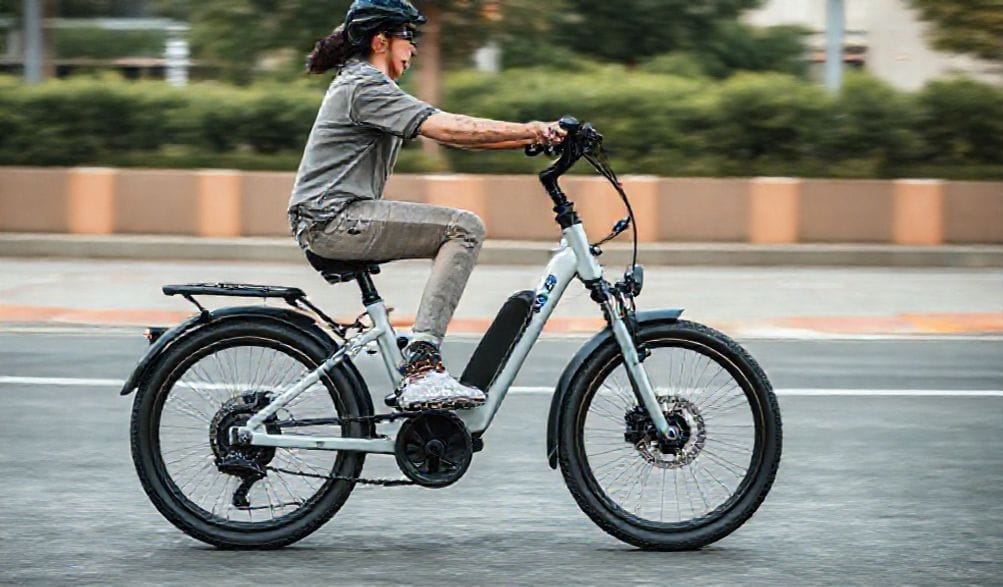
The Complete Guide to Riding an Electric Bike: Safety, Benefits & Getting Started
You’ve seen them gliding silently up steep hills, parked outside coffee shops with their distinctive battery packs, and weaving through city traffic with surprising ease. Electric bikes, or e-bikes, have moved from a niche curiosity to a mainstream transportation revolution. Whether you’re a curious commuter tired of traffic jams, a recreational rider wanting to explore further, or someone simply looking for a more enjoyable way to get around, the world of e-biking is opening up. But where do you start? With so many models, technical terms, and new rules of the road, it’s normal to feel a little hesitant.
This comprehensive guide is designed to be your definitive primer. Drawing on industry standards, safety best practices, and real-world riding experience, we’ll demystify the e-bike. We understand the common questions—Are they safe? How do they work? Is it cheating?—and we’re here to provide clear, practical, and trustworthy answers. Our goal is simple: to equip you with the essential knowledge you need to confidently and safely begin your journey to ride an electric bike. Let’s get rolling.
What is an Electric Bike? Understanding the Basics
Before you hit the throttle (or start pedaling), it’s crucial to understand what exactly you’re dealing with. An electric bike is not a motorcycle or a scooter; it’s a bicycle first, enhanced with an electrical drive system to augment your pedaling power.
How Electric Bikes Work: The Motor, Battery, and Pedal Assist System (PAS)
At its core, an e-bike consists of three key components:
* The Motor: This is the heart of the system. It’s typically located in the hub of the front or rear wheel (hub drive) or integrated around the bike’s bottom bracket (mid-drive). Mid-drive motors are known for better balance and efficiency, especially on hills, as they leverage the bike’s gears.
* The Battery: This is the fuel tank. Usually a removable lithium-ion pack, it powers the motor. Battery capacity, measured in Watt-hours (Wh), is the primary factor determining your potential range.
* The Pedal Assist System (PAS): This is the brain. A sensor (cadence or torque) detects when you are pedaling and signals the motor to provide a proportional boost. You control the level of assistance, usually via a handlebar display, choosing from eco, tour, sport, or turbo modes. Most e-bikes also have a traditional throttle (either twist or thumb-press) for power on demand without pedaling, though regulations vary.
Key Types of E-Bikes: Class 1, Class 2, and Class 3 Explained
In North America, e-bikes are generally classified into three categories, which dictate where you can legally ride them:
* Class 1: Pedal-Assist Only. The motor provides assistance only when you are pedaling and stops assisting at 20 mph (32 km/h). These are universally allowed on most bike paths and trails where traditional bicycles are permitted.
* Class 2: Throttle-Assist. Equipped with a throttle that can propel the bike without pedaling, but motor assistance cuts off at 20 mph. Their trail access is more restricted, often limited to roads and some urban bike lanes.
* Class 3: Speed Pedal-Assist. Motor assistance is provided only while pedaling but continues up to a higher speed of 28 mph (45 km/h). These are typically required to have a speedometer. They are usually restricted to road use and are not allowed on most natural surface or multi-use paths.
E-Bike vs. Traditional Bike vs. Scooter: Key Differences
It’s helpful to position the e-bike in the broader landscape:
* Vs. Traditional Bike: You still pedal, shift gears, and steer. The key difference is the “superpower” of electric assist, which reduces effort, conquers terrain, and extends range. The bike is heavier due to the motor and battery.
* Vs. Electric Scooter/Moped: An e-bike requires pedaling (for Class 1 & 3) and is regulated as a bicycle. Scooters and mopeds have platforms for your feet, no functional pedals, require licensing/insurance in most areas, and are often more powerful.
Top Reasons to Start Riding an Electric Bike
Why are millions of people choosing to ride an electric bike? The benefits are both practical and profound.
Effortless Commuting: Conquer Hills and Arrive Sweat-Free
This is the game-changer for many. An e-bike flattens hills and shrinks distances. You can maintain a comfortable, consistent speed without breaking a sweat, making it a viable option for commuting in work clothes. Say goodbye to traffic gridlock, parking fees, and the stress of public transport schedules.
Extended Range & Exploration: Ride Farther Than You Thought Possible
E-bikes dismantle the limiting factor of fitness or time. That 20-mile loop to the next town, the long coastal path, or the hilly countryside tour suddenly becomes accessible. They enable you to explore more, see more, and share rides with friends or family of differing fitness levels.
Health & Fitness: It’s Still Exercise! Tailoring Your Workout Intensity
A common myth is that e-bikes are “cheating.” Research shows the opposite. Riders tend to go out more often and for longer durations. You control the workout: use a low assist level for a vigorous ride, or crank it up for active recovery or on a tough climb. It’s inclusive, allowing those recovering from injury or with limited mobility to enjoy cycling.
Eco-Friendly & Cost-Effective Transportation: Saving Money and the Planet
Swapping car trips for e-bike trips has a direct, positive environmental impact with zero tailpipe emissions. Financially, the savings are substantial: no gas, minimal parking costs, low “charging” costs (pennies per charge), and reduced wear and tear on your car. While the upfront cost is higher than a regular bike, it’s a fraction of a car’s cost.
Your First Ride: A Step-by-Step Guide to Getting Started
Ready for your inaugural journey? Follow this safety-first, step-by-step approach to build confidence.
Pre-Ride Checklist: Safety Gear, Bike Inspection, and Battery Charge
Never skip the basics. Before every ride:
1. Safety Gear: Always wear a properly fitted bicycle helmet. Consider gloves, glasses, and bright/reflective clothing.
2. Bike Inspection: Check tire pressure (e-bikes are heavy, so proper inflation is key). Test your brakes. Ensure the chain is lubricated and the quick-release levers are secure.
3. Battery & Systems: Make sure the battery is securely mounted and charged. Turn on the bike system and check the display for battery level and assist mode.
Mounting and Basic Handling: Getting a Feel for the Weight and Power
An e-bike is heavier (often 45-60 lbs). Practice mounting and dismounting in a safe, flat area. Walk beside it to feel the weight. Get comfortable with the standover height. The extra weight makes the bike feel more stable at speed but requires more deliberate handling at low speeds.
Mastering the Pedal Assist (PAS) Levels and Throttle (if equipped)
Start in a low assist mode (Eco or Level 1) in a safe, open area like an empty parking lot.
* Pedal Assist: Begin pedaling smoothly. Feel how the motor engages and propels you forward. Practice switching between assist levels to understand the difference in power.
* Throttle: If your bike has one, use it gently from a stop to feel the instant power. Remember, the throttle is a tool for quick starts or a break for your legs, not a constant “go” button.
Practicing Key Maneuvers: Starting, Stopping, and Turning Safely
- Starting: With one foot on a pedal in the 2 o’clock position, give a gentle pedal push while smoothly adding a bit of PAS or throttle. The weight means a slow, wobbly start is common at first.
- Stopping: Brake earlier and more progressively than on a regular bike. Use both brakes evenly, with a slight emphasis on the front brake for controlled stopping. The motor will cut off when braking.
- Turning: Slow down before the turn. The added weight affects the bike’s center of gravity, so take turns a bit wider and more deliberately at first.
Essential Safety Tips for Every E-Bike Rider
With greater power and speed comes greater responsibility. Adopting a safety-first mindset is non-negotiable.
Know and Follow Local Laws: Where You Can and Can’t Ride
This is critical. Laws vary by city, state, and country. Know your e-bike’s class and the local rules governing its use on paths, trails, and roads. Ignorance isn’t an excuse and can lead to fines or endanger others.
Defensive Riding in Traffic: Increased Speed Requires Increased Awareness
You will often be moving faster than traditional cyclists. Act like a vehicle: signal your intentions clearly, obey traffic signals, and don’t weave in and out of traffic. Assume cars don’t see you. Be hyper-aware of parked cars (dooring risk), pedestrians, and other cyclists. Your higher speed shortens reaction time.
Proper Helmet Use and Recommended Additional Safety Gear
A helmet is essential. For Class 3 e-bikes or any high-speed riding, consider a helmet with more coverage (like a commuter or mountain bike style). Strongly recommended: a bright front light and a flashing rear light (even in daytime), a bell or horn, and mirrors. They dramatically increase your visibility and situational awareness.
Battery Safety and Maintenance Best Practices
Treat the battery with respect. Use only the manufacturer-provided charger. Store and charge the battery in a cool, dry place, away from direct sunlight or extreme temperatures. Don’t leave it fully depleted or at 100% charge for extended periods. Inspect it regularly for damage. Proper care ensures safety and extends its lifespan.
Choosing the Right Electric Bike for Your Needs
With countless options, selecting your perfect e-bike is about matching it to your lifestyle.
Key Buying Considerations: Motor Power, Battery Range, and Bike Style
- Motor: Mid-drive is generally preferred for hilly terrain and a natural feel. Hub drives are common and often more affordable. Motor power (measured in Watts or Nm of torque) indicates its strength.
- Battery: Look for Watt-hour (Wh) rating. A 500Wh battery will generally offer a longer real-world range than a 400Wh one. Consider a removable battery for easy charging.
- Style: Cruiser, hybrid, mountain, fat-tire, folding, or cargo? The style dictates the bike’s geometry, comfort, and capability.
Matching an E-Bike to Your Primary Use: Commuting, Recreation, or Cargo
- Commuting: Prioritize reliability, integrated lights, fenders, a rack, and a comfortable upright position. A Class 1 or 3 is typical.
- Recreation/Off-Road: Look for suspension, wider tires, and a robust mid-drive motor (Class 1 is standard for trails).
- Cargo/Kids: You need a powerful motor (high torque), a long wheelbase for stability, and a sturdy frame with mounting points (Class 1, 2, or 3).
The Importance of a Proper Bike Fit and a Quality Test Ride
Never buy an e-bike without a test ride. Visit a reputable local bike shop (LBS). Feel the different assist modes, test the brakes, and see how it handles. A proper fit is crucial for comfort, control, and efficiency—an expert at an LBS can ensure the frame size and setup are right for you.
Understanding Warranty, Service, and Ongoing Maintenance Needs
E-bikes have complex electrical components. A strong warranty (2+ years on motor/battery) from a reputable brand is vital. Consider the availability of service. While you can maintain tires and brakes, electrical diagnostics often require a certified dealer. Factor in ongoing maintenance costs.
Frequently Asked Questions (FAQ) About Riding Electric Bikes
Q: Do I need a license, insurance, or registration to ride an e-bike?
A: In most of the U.S. and Canada, for Class 1, 2, and 3 e-bikes as defined above, no driver’s license, vehicle registration, or insurance is required. They are regulated as bicycles. Always check your local regulations, as rules can vary (especially for higher-powered models).
Q: How far can I really go on a single charge?
A: Range is highly variable. Manufacturer claims (e.g., 50 miles) are under ideal conditions. Real-world range depends on battery size, assist level used, terrain, rider weight, wind, and tire pressure. A good rule of thumb: expect 20-70 miles, using moderate assist on mixed terrain.
Q: Are electric bikes allowed on bike paths and trails?
A: It depends entirely on the class of e-bike and the specific path rules. Class 1 e-bikes are most widely accepted on paved bike paths and many natural surface trails. Class 2 and 3 are often restricted from natural surface trails and some multi-use paths. Always look for and obey posted signage.
Q: Is it hard to pedal an e-bike if the battery runs out?
A: Yes, it can be challenging. E-bikes are significantly heavier (often 50+ lbs) than traditional bikes due to the motor and battery. While you can pedal it home, it will feel like riding a very heavy bicycle, especially uphill. It’s best to manage your battery to avoid a total depletion.
Q: How much do electric bikes typically cost?
A: You can find entry-level models starting around $1,000, but quality, reliable e-bikes from reputable brands typically begin in the $1,800 – $3,000 range. High-performance commuter, mountain, or cargo e-bikes can range from $3,500 to $8,000+. Consider it an investment in transportation, health, and recreation.
Q: Can I ride an e-bike in the rain?
A: Most modern e-bikes are built to IPX4 or IPX5 water-resistance standards, meaning they can handle rain and puddles. However, they are not submersible. Avoid deep water, dry the bike after a wet ride, and never use a pressure washer directly on the motor, battery, or display.
Išvada
Embarking on your journey to ride an electric bike opens up a new world of mobility, freedom, and fun. We’ve covered the essential pillars: understanding the technology and classifications, appreciating the transformative benefits, learning the fundamentals of safe operation, and knowing how to choose the right bike for your life.
E-biking is more than a trend; it’s an accessible, enjoyable, and practical solution for modern transportation challenges. It empowers you to redefine your commute, rediscover your community, and revitalize your relationship with cycling. The confidence to start comes from knowledge, and now you have it.
Your clearest next step is to make it real. We strongly encourage you to visit a reputable local bike shop. Their expertise is invaluable for a proper fit, a quality test ride, and answering your specific questions. Feel the assist for yourself, imagine your daily route, and experience the smile it brings. The road—or path—ahead is waiting. Welcome to the ride.
METADATA_START—
DISPLAY_TITLE: The Complete Guide to Riding an Electric Bike: Safety, Benefits & Getting Started
SEO_TITLE: How to Ride an Electric Bike: A Beginner’s Safety & Starter Guide
META_DESC: New to e-bikes? Our complete guide covers how to ride an electric bike safely, understand the benefits, choose the right model, and master your first ride. Start your journey today!
IMG_PROMPT: A happy, diverse adult wearing a helmet confidently riding a modern electric bike on a sunny, tree-lined urban bike path, with the bike’s battery and display visible, in a photorealistic style.
—METADATA_END—