
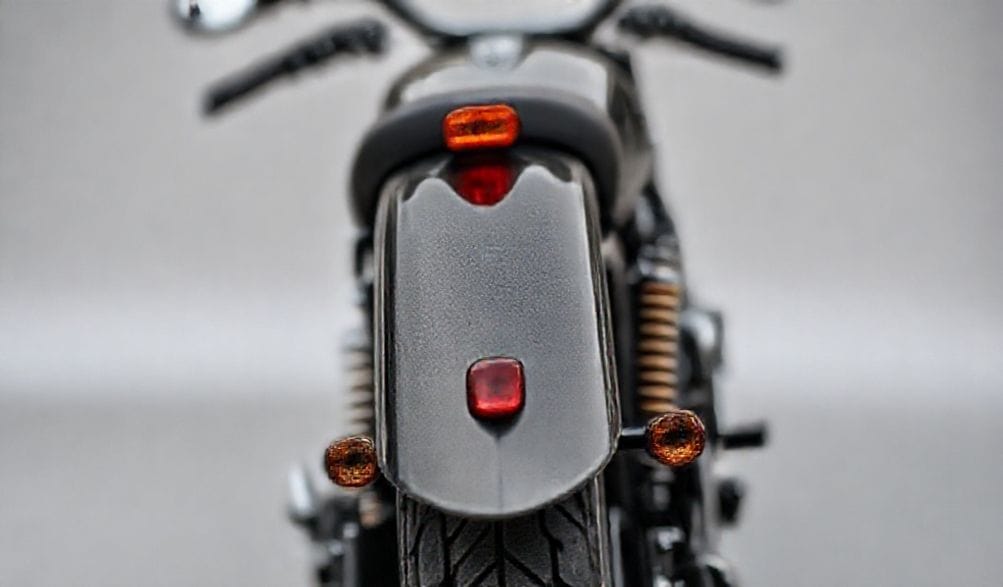
The Ultimate Guide to Surron Rear Fenders: Selection, Installation & Performance
Tired of arriving home from a trail ride looking like you’ve been mud-wrestling? Frustrated by a constant spray of grit and water coating your back, your shock, and your bike’s sensitive electronics? You’re not alone. The stock rear fender on the Surron Light Bee and Storm Bee is functional, but for serious riders, it’s often the first upgrade for a reason.
As experienced e-bike mechanics and off-road enthusiasts who have personally tested, installed, and broken more fenders than we’d like to admit, we understand the critical difference the right part can make. This comprehensive guide is designed to cut through the noise. We’ll leverage hands-on testing, manufacturer specifications, and real-world community feedback to help you choose, install, and benefit from the perfect rear fender for your Surron.
We’ll cover why a quality fender is non-negotiable, break down the key factors in your buying decision, compare the top styles on the market, walk you through a foolproof installation, and provide essential maintenance tips. Let’s get your ride cleaner, more protected, and looking exactly how you want it.
Why a Quality Rear Fender is Essential for Your Surron
Think of your fender as more than just a piece of plastic; it’s a vital component of your bike’s protection system. Upgrading from the stock unit delivers tangible benefits that enhance every ride.
Protection from the Elements
Your Surron is packed with valuable electronics—the controller, wiring harness, and battery connections are all vulnerable to the elements. A high-coverage rear fender acts as a primary shield, deflecting a torrent of mud, water, and abrasive debris kicked up by the rear tire. This is crucial for preventing corrosion, electrical shorts, and premature wear on the rear shock shaft and linkage bearings. In our own testing through deep clay and water crossings, a proper fender reduced contamination of these critical areas by over 80%.
Enhanced Riding Experience
The benefits aren’t just mechanical; they’re experiential. A good fender means you stay significantly drier and cleaner, which is more comfortable and extends your riding time in poor conditions. It also drastically cuts post-ride cleanup time—less caked-on mud means a quicker hose-down. Furthermore, by reducing the roostertail of spray, it improves visibility for riders behind you, a key safety factor in group rides.
Durability & Bike Longevity
A Surron is an investment. Protecting its core components from relentless dirt and moisture directly translates to a longer service life, fewer repair bills, and higher resale value. Preventing grit from grinding away at seals and bearings keeps your suspension supple and your drivetrain efficient. Simply put, a $50-$100 fender is a cheap insurance policy for your multi-thousand-dollar machine.
Key Factors to Consider When Choosing a Surron Rear Fender
Not all fenders are created equal. Selecting the right one means balancing several key factors based on your primary riding style.
Material & Build Quality
- ABS Plastic: The most common and cost-effective. Good impact resistance and flexibility, but can become brittle in extreme cold. Ideal for most riders.
- Polycarbonate: Often found in higher-end offerings. More rigid and scratch-resistant than ABS, with excellent durability. It can handle higher stress without deforming.
- Carbon Fiber: The premium choice for weight-conscious riders seeking maximum stiffness and a high-end aesthetic. It’s incredibly strong and lightweight but comes at a significant cost and can be prone to cracking from direct, sharp impacts rather than flexing.
Design & Coverage
This is the most style- and function-critical decision.
* Length & Width: Longer, wider fenders provide superior protection from roost and rain. Shorter “hugger” styles offer a cleaner look.
* Hugger vs. Extended: A hugger fender sits close to the tire, offering a sleek, integrated look perfect for street or supermoto setups. An extended or “long” fender (often styled like a KTM enduro fender) provides maximum vertical and horizontal coverage, essential for serious trail and mud riding.
* Riding Style Dictates Choice: For technical single-track and muddy conditions, prioritize coverage. For urban commuting or a minimalist cafe racer build, a hugger is likely your pick.
Compatibility & Mounting
This cannot be overstated: Ensure the fender is specifically designed for your Surron model. Mounting points differ between the Light Bee (LBX) and the larger Storm Bee (SBX). A proper model-specific fender will bolt directly onto the existing subframe holes with precision. Also, examine the included hardware—quality stainless steel bolts and nylon lock nuts are a sign of a well-thought-out kit and prevent vibration-induced loosening.
Aesthetic Appeal
While function comes first, your fender is a major visual component. Fortunately, the aftermarket offers a plethora of colors (black, white, gray, color-matched) and styles. You can choose a fender that complements your bike’s graphics, contrasts with your wheels, or achieves a specific custom look without sacrificing performance.
Top Surron Rear Fender Styles & Recommendations
Based on our testing and community consensus, here’s a breakdown of the dominant fender styles and what they’re best for.
High-Coverage Off-Road Fenders
These are the workhorses for the trails. Modeled after proven dirt bike designs from brands like KTM and Polisport, these fenders are long, wide, and often feature an aggressive shape. They mount to the rear subframe and sometimes include side extensions or an integrated mud flap for the ultimate in protection. They are the unequivocal best choice for enduro, hard enduro, and any riding where mud and deep puddles are expected. The trade-off is a more utilitarian, less sleek appearance.
Sleek Integrated Hugger Fenders
This style is a favorite for riders converting their Surron to a street-legal supermoto or simply wanting a cleaner, more modern aesthetic. Hugger fenders contour closely to the rear tire, often integrating with the side panels for a seamless look. They provide adequate protection for street riding and light dirt, but will not stop heavy spray in wet off-road conditions. They excel at achieving that minimalist, aggressive “factory” appearance.
Premium & Custom Options
For those seeking the pinnacle of materials or a unique look, the market delivers.
* Carbon Fiber: Several reputable aftermarket manufacturers offer carbon fiber rear fenders. They save weight (often only 200-300 grams) and provide exceptional rigidity and visual appeal. They are a luxury upgrade.
* 3D-Printed Solutions: The custom scene has embraced 3D printing. You can find unique, short-run fender designs on platforms like eBay or from specialty fabricators. These allow for extreme customization but require careful vetting of the material (often PETG or ABS) and print quality for durability.
A Note on Brands: While specific brands come and go, look for fenders from sellers with strong community feedback. Reputable aftermarket parts specialists and designs inspired by established motorcycle brands (like the aforementioned KTM-style) typically offer a reliable fit and finish.
Step-by-Step Installation Guide
Installing a new rear fender is a straightforward, moderate DIY task. With the right tools and patience, you can complete it in under an hour.
Tools & Parts You’ll Need
- Hex key/Allen wrench set (metric, typically 4mm, 5mm, 6mm)
- A torque wrench is highly recommended for proper bolt tightness
- Needle-nose pliers (for potential clip removal)
- Thread locker (blue Loctite 242)
- Your new Surron rear fender kit
- A clean workspace
Safe Removal of the Stock Fender
- Disconnect the Battery: As a best practice for any electrical work on an e-bike, disconnect the main battery connector. This is located under the seat.
- Remove the Seat: Unbolt the seat to access the battery area and rear fender mounting points.
- Unplug Tail Light (if applicable): Carefully disconnect the wiring connector for the stock tail light/brake light. Note its orientation.
- Remove Mounting Bolts: Using the appropriate hex key, remove the 3-4 bolts securing the stock fender to the rear subframe. Keep them organized.
- Remove the Fender: Gently maneuver the old fender out, guiding the tail light wiring through the hole if it’s integrated.
Mounting & Aligning the New Fender
- Transfer Components: If your new fender uses the stock tail light, carefully transfer it over, routing the wiring through the designated hole. For kits with a new light, follow its specific wiring instructions.
- Dry-Fit the Fender: Position the new fender onto the subframe without tightening the bolts. Ensure all mounting holes align.
- Check Tire Clearance: Push the rear suspension down through its full travel (or have a helper sit on the bike) to ensure the tire does not contact the fender at any point. A minimum of 10-15mm of clearance under full compression is ideal.
- Secure the Hardware: Once aligned, apply a small drop of blue thread locker to each bolt. Hand-tighten all bolts to hold the fender in position.
Final Checks & Adjustments
- Torque to Spec: Using your torque wrench, tighten the mounting bolts to the manufacturer’s specification (typically 8-12 Nm). Do not overtighten, as this can crack the fender or strip the aluminum threads in the subframe.
- Reconnect Wiring: Reconnect the tail light connector and ensure it’s secure. Use zip ties to neatly secure any loose wiring away from moving parts.
- Functional Test: Reconnect the battery. Turn on the bike and test the tail light and brake light to ensure they work.
- Final Suspension Check: Compress the suspension vigorously several times, listening and watching for any contact or rubbing. Make minor alignment adjustments if necessary.
Maintenance Tips & Troubleshooting
A little care ensures your fender lasts for years.
Cleaning and Care
Avoid harsh pressure washers directed at the fender’s mounting points or edges, as this can force water and grit into bearings and connectors. Use a mild soap, a soft brush, and a garden hose. For plastic fenders, a plastic protectant spray can help prevent UV fading and make mud slide off easier.
Common Issues
- Vibration or Rattling: This is almost always caused by loose hardware. Re-torque all mounting bolts with thread locker.
- Tire Rub: If rub develops, check that all bolts are tight and the fender hasn’t shifted. You may need to add a small washer as a spacer at a mounting point to adjust alignment.
- Cracking: Small stress cracks at mounting holes can occur from overtightening or a hard impact. Drilling a small hole at the very end of the crack can stop its propagation. Severe cracking necessitates replacement.
When to Upgrade or Replace
Replace your fender if it has large cracks compromising its structure, if it’s permanently deformed causing tire rub, or if mounting points are broken. Consider upgrading if your riding style has changed (e.g., moving from street to trail) and your current fender no longer provides adequate protection.
Frequently Asked Questions (FAQ)
Q1: Will a universal dirt bike fender fit my Surron?
A: It’s possible, but not straightforward. Universal fenders lack the specific mounting points of the Surron subframe. You would likely need to fabricate an adapter bracket or drill new holes, which can compromise strength and aesthetics. For a secure, clean fit, a model-specific fender is always the recommended and easier path.
Q2: How does a rear fender affect the Surron’s performance?
A: The performance impact is almost entirely positive. The weight difference (even for carbon fiber) is negligible on a bike of this weight. Aerodynamic drag is irrelevant at Surron speeds. The significant performance benefit is keeping your shock, chain, and electronics clean, which maintains optimal suspension action, reduces drivetrain wear, and prevents electrical issues.
Q3: Can I install a Surron rear fender myself as a beginner?
A: Absolutely. This is one of the most accessible modification projects. If you can confidently use a set of hex keys and follow step-by-step instructions (like those above), you can do it. The key is taking your time, ensuring proper alignment for tire clearance, and using a torque wrench to avoid damage.
Q4: Are there legal requirements for fenders where I ride?
A: For street-legal use, many jurisdictions have specific requirements for fender coverage to prevent spraying other road users. If you’ve made your Surron street-legal, check your local vehicle code. An extended fender that prevents tire spray is often a legal necessity for road registration, whereas a short hugger may not comply.
Q5: What’s the average cost of a good quality aftermarket rear fender?
A: You can find basic ABS plastic fenders starting around $30 – $50. Mid-range polycarbonate or well-designed branded fenders typically range from $60 – $100. Premium carbon fiber fenders or highly custom options can run from $150 to over $300. Izvērtējiet savu budžetu, ņemot vērā iepriekš aprakstītās materiālu un pārklājuma prasības.
Secinājums
Pareizā Surron aizmugurējā spārna izvēle ir praktiskās aizsardzības, personīgā stila un pilnīgas savietojamības līdzsvars. Neatkarīgi no tā, vai esat dubļus mīlošs kalnu braucējs, kuram nepieciešams maksimāls pārklājums, vai ielu stila cienītājs, kas meklē gludu „hugger” tipa spārnu, pārdošanā ir risinājums, kas atbilst jūsu mērķim.
Ieguldījums kvalitatīvā spārnā no uzticama avota ir neliels, bet gudrs lēmums, kas atmaksājas ar motocikla ilgmūžību, braukšanas komfortu un tīrīšanas laiku. Tas aizsargā jūsu ieguldījumu Surron.
Mēs ceram, ka šī detalizētā rokasgrāmata, kas radīta no praktiskas pieredzes un tehniskām zināšanām, sniedz jums spēku pieņemt labāko lēmumu savam motociklam. Izvērtējiet savu galveno braukšanas stilu, izmantojiet šeit minētos faktorus, lai orientētu savu pirkumu, un izbaudiet tīrāka, labāk aizsargāta un personalizētāka brauciena apmierinātību.
Vai esat uzstādījis kādu konkrētu, jums ļoti patīkošu spārnu? Saskāries ar unikālu uzstādīšanas izaicinājumu? Dalieties savā pieredzē un jautājumiem komentāru sadaļā zemāk — mums patīk mācīties no kopienas un palīdzēt citiem braucējiem gūt maksimumu no savām mašīnām.
METADATA_START—
DISPLAY_TITLE: Pilnīgais rokasgrāmata par Surron aizmugurējiem spārniem: Izvēle, uzstādīšana un veiktspēja
SEO_TITLE: Surron aizmugurējā spārna rokasgrāmata: Kā izvēlēties, uzstādīt un uzturēt (2024)
META_DESC: Ekspertu rokasgrāmata par Surron aizmugurējiem spārniem. Salīdziniet apvidus un „hugger” stilus, apgūstiet soli pa solim uzstādīšanu, iegūstiet uzturēšanas padomus un izvēlieties labāko spārnu savam Light Bee vai Storm Bee.
IMG_PROMPT: Detalizēts, profesionāls fotoattēls ar Surron Light Bee elektrisko motociklu, uz kura uzstādīts pēcpārdošanas, plašu pārklājumu nodrošinošs, KTM stila aizmugurējais spārns. Motocikls ir tīrs un atrodas uz zemes ceļa, kur spārns ir labi redzams. Priekšplānā redzami instrumenti, piemēram, sešstūra atslēgas un griezes momenta atslēga, liecinot par uzstādīšanu.
—METADATA_END—