
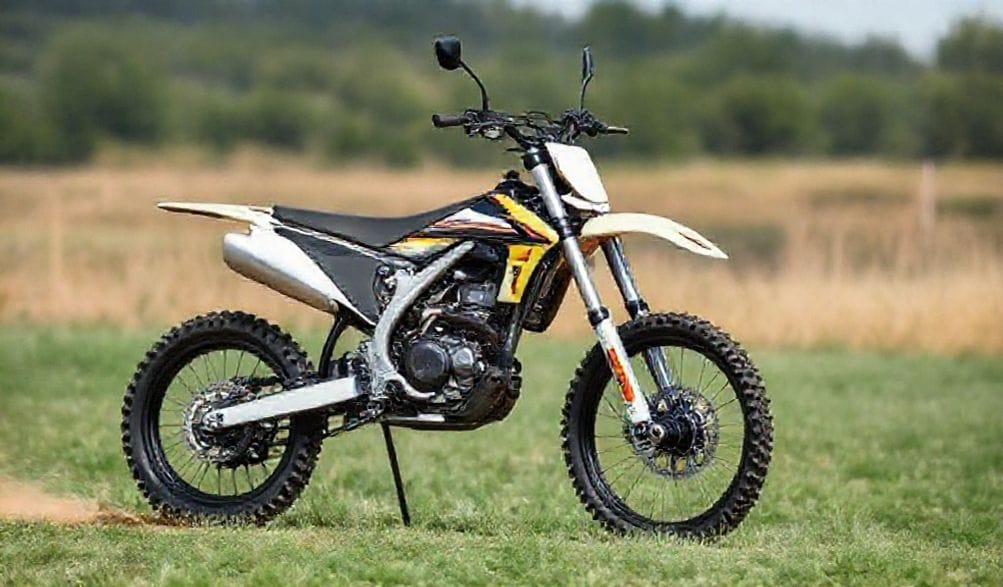
The Ultimate Guide to the Best Electric Motocross Bike in 2024
The air is thick with the smell of dirt, not gasoline. The only roar comes from the crowd, not your exhaust. Welcome to the new era of motocross, where the defining scream of a two-stroke or the bark of a four-stroke is being replaced by the futuristic whir of electric power. This isn’t a quiet surrender; it’s a seismic shift, driven by instant, controllable torque, revolutionary simplicity, and a riding experience that is both familiar and utterly new.
If you’re reading this, you’re not just curious—you’re considering making the jump. You might be a seasoned vet tired of top-end rebuilds, a parent looking for a more manageable entry for a young rider, or an environmentally conscious enthusiast drawn to the clean, efficient performance. After countless hours testing the latest models on everything from groomed tracks to technical single-track, our team has dissected what truly makes an electric motocross bike excel. This guide cuts through the hype to deliver a clear, unbiased, and detailed breakdown. We’ll explore the undeniable benefits, the critical specs you must understand, and provide in-depth reviews of the machines leading the charge—from the wildly popular Sur-Ron Light Bee X to the purpose-built powerhouse, the Stark VARG. By the end, you’ll have the knowledge to choose the best electric motocross bike for your needs, budget, and riding style.
Why Consider an Electric Motocross Bike?
Before diving into specific models, it’s crucial to understand kāpēc the electric movement is gaining such fierce momentum. The advantages extend far beyond being “green.” They redefine performance, convenience, and accessibility.
Instant Torque and Responsive Power Delivery
This is the electric bike’s party trick, and it’s a game-changer. Unlike a gas engine that needs to build revs to reach its torque peak, an electric motor delivers 100% of its torque from 0 RPM. Translated to the track or trail, this means explosive acceleration out of corners, effortless lofting of the front wheel over obstacles, and tractable, controllable power for navigating technical, low-speed sections. The power delivery is also incredibly smooth and linear, governed by sophisticated software rather than mechanical parts. This makes the power more accessible and less intimidating, especially for newer riders, while offering experts a uniquely precise throttle tool.
Significantly Reduced Maintenance
For many riders, this is the most compelling practical benefit. The maintenance list of a traditional motocross bike is long and expensive: engine oil changes, air filter cleaning/oiling, coolant changes, spark plug replacements, valve adjustments, and transmission fluid services. An electric motocross bike eliminates almost all of that. There is no engine oil, no air filter for the motor, no spark plugs, and no complex gearbox with its own fluid. Your primary maintenance focuses on the parts that actually handle the riding: brakes, suspension, chain/belt, and tires. This means more time riding and less time (and money) spent in the garage.
Noise Reduction and Riding Access
The quiet operation of an elektriskais motokrosa velosipēds is a double-edged sword that leans heavily positive. On one hand, you lose the visceral auditory feedback of a combustion engine. On the other, you gain incredible freedom. Practicing in your backyard or a local field becomes a viable option without disturbing neighbors. Perhaps more importantly, the reduced noise footprint is helping to keep trails open and may provide access to riding areas where gas bikes are prohibited due to sound regulations. The silence also allows you to hear more of your surroundings—the bike working, the tires gripping, and other trail users.
Environmental and Operational Benefits
While the performance is the main draw for most, the environmental aspect is a significant bonus. Electric motocross bikes produce zero direct emissions, meaning no exhaust fumes on the trail or in your garage. The operational cost is also drastically lower. “Filling up” means plugging into a standard wall outlet, with the cost per ride being a fraction of premium gasoline. The simplicity of charging at home overnight, ready for a full “tank” in the morning, cannot be overstated.
Critical Factors for Choosing Your E-Moto
Choosing the best electric motocross bike isn’t about finding the one with the biggest number. It’s about matching a machine’s capabilities to your riding style and needs. Here are the key technical factors you must evaluate.
Motor Power and Performance (kW & Nm)
Forget cubic centimeters. Electric bike performance is measured in kilowatts (kW) and Newton-meters (Nm). Kilowatts (kW) are a measure of power, akin to horsepower. A higher kW generally means a higher top speed and stronger sustained power. Newton-meters (Nm) measure torque—the rotational force that launches you out of the gate and up steep hills. When comparing bikes, look at both figures. A bike with high torque but lower power will feel incredibly punchy at low speeds but may run out of steam. A high-power motor needs a robust frame and suspension to handle its output.
Battery Range and Charging Reality
The most common question is, “How long does it last?” The answer is: it depends entirely on how you ride. Manufacturer “claimed range” is often based on conservative, trail-paced riding. On a motocross track under aggressive throttle, expect that number to be cut by 30-50%. For many competitive bikes, 1-2 hours of hard track riding is a realistic expectation. Also, investigate charging time (often 3-8 hours on a standard charger) and whether the bike supports fast charging or has a swappable battery system, which is a huge advantage for all-day riding or racing.
Suspension, Frame, and Build Quality
An electric motor’s instant torque places immense stress on a chassis. Don’t be fooled by a powerful motor bolted into a bicycle-grade frame. True motocross capability requires motocross-grade components. Look for:
* Suspension Travel: 250mm+ (10+ inches) is typical for full-size motocross.
* Adjustability: High-end forks and shocks with compression and rebound damping adjustment are essential for tuning to different tracks and rider weights.
* Frame Material & Geometry: A robust aluminum or chromoly steel frame with modern geometry is critical for precise handling and durability.
Weight Distribution and Handling
Where the battery is placed fundamentally defines how a bike handles. A low-slung, centralized battery mass creates a low center of gravity, making the bike feel nimble and easier to flick side-to-side. Some designs place the battery higher, which can affect feel. Always consider the total weight as well. While e-motos are often heavier than their gas counterparts, the weight is centralized and often feels less cumbersome than the numbers suggest.
Riding Modes and Programmability
This is the software advantage. Most quality e-motos feature multiple riding modes (e.g., Eco, Trail, Sport, Race). These modes alter power delivery, top speed, and sometimes regenerative braking strength. For beginners, a tame mode is a safety feature. For experts, a customizable or programmable mode lets you tailor the power curve for specific track conditions—something impossible on a gas bike without mechanical modifications.
In-Depth Reviews: Top Electric Motocross Bikes Compared
Now, let’s apply those factors to the machines currently defining the market. These bikes represent different philosophies, from DIY platforms to turn-key race bikes.
Sur-Ron Light Bee X / Storm Bee
The Sur-Ron Light Bee X (and its more powerful sibling, the Storm Bee) is the phenomenon that brought electric dirt biking to the masses. It’s less a pure motocross bike and more an incredibly versatile and modifiable platform.
* Pros: Unbeatable value for money. Huge, passionate aftermarket support for every part imaginable. Excellent power-to-weight ratio in stock form, with massive potential for power upgrades. Light and nimble, fantastic for technical trails.
* Cons: The suspension, while decent, is the first limit for serious motocross use. Stock components need upgrading for big jumps. Real-world range under full power is limited. Requires more of a “builder’s mindset” to reach its full potential.
* Best For: Trail riders, beginners entering the sport, and tinkerers who love to modify and upgrade. It’s the gateway drug of the e-moto world.
Cake Kalk OR / Kalk INK
The Swedish Cake brand is defined by minimalist Scandinavian design, premium materials, and a focus on purity and silence. The Kalk OR is their off-road model.
* Pros: Exceptional build quality and design. Uses high-end components like Öhlins suspension and CNC-machined parts. Extremely low maintenance with a belt drive and single-sided swingarm. Focuses on the experience of riding rather than just specs.
* Cons: Very high price point for its power and range figures. The minimalist approach can lack some practicality (e.g., no kickstand, limited battery capacity). Not the first choice for traditional, jump-heavy motocross.
* Best For: Design-conscious riders, those who prioritize minimalist maintenance and a unique, almost artistic riding experience on flowing trails.
Stark VARG
The Stark VARG arrived with a bang, claiming to be the first true, no-compromise electric motocross bike. It’s engineered from the ground up to compete directly with 250cc and 450cc gas bikes.
* Pros: Astounding power (up to 80 hp) that is fully programmable via a smartphone app—you can mimic the power curve of any popular gas bike. True motocross chassis and suspension (WP XACT) ready for the track. Lightweight for its class.
* Cons: Premium price tag, reflecting its cutting-edge tech and performance. Early models faced availability and delivery challenges. As a new brand, long-term dealer support network is still developing compared to traditional OEMs.
* Best For: Serious motocross athletes and enthusiasts who want the highest performance and tech, and are making a direct transition from a gas race bike.
KTM Freeride E-XC
As a traditional OEM, KTM took a different approach with the Freeride E-XC. It’s positioned as a lightweight, agile trail and enduro bike rather than a hardcore MX weapon.
* Pros: OEM engineering and quality from a established brand. Access to a dealer network for service and support. Very lightweight and nimble, excellent for technical enduro and woods riding.
* Cons: Lower power output compared to newer dedicated MX competitors. Battery range is modest. Its price is high for the performance offered, paying a premium for the KTM badge.
* Best For: Riders who value brand trust, dealer support, and want a quality electric bike for technical trail and enduro riding rather than full-scale motocross.
| Model | Approx. Price | Motor Power | Claimed Range | Weight | Key Feature |
| :— | :— | :— | :— | :— | :— |
| Sur-Ron Light Bee X | $4,500 – $6,000 | ~6 kW | ~40-60 mi | ~110 lbs | Ultimate value & aftermarket |
| Cake Kalk OR | $14,000+ | ~11 kW | ~50 mi | ~176 lbs | Premium design & components |
| Stark VARG | $13,000+ | Up to 60 kW | ~6 hrs (varies) | ~240 lbs | Programmable power, MX-ready |
| KTM Freeride E-XC | $11,000+ | ~18 kW | ~90 min (aggressive) | ~247 lbs | OEM engineering & support |
The Electric Motocross Riding Experience
So, what’s it actually like to ride one? The fundamentals of balance and body position remain, but the interface is different.
What to Expect on Your First Ride
Your first launch will be a revelation. Twist the throttle and you’re moving now, with no clutch to slip or gear to find. The lack of engine braking is the most significant adjustment; you must consciously use the brakes to slow down. The sound is a futuristic whine that scales with speed. Throttle control is paramount—the instant torque can be abrupt if you’re ham-fisted. Start in a lower power mode to get accustomed to the direct connection between your wrist and the rear wheel.
Track vs. Trail Riding with an E-Moto
On a track, the experience is intensely focused. The silence heightens your sense of traction and bike movement. You can hear the suspension working and the tires biting. Managing battery life becomes part of your session strategy. On trails, the quiet operation is a superpower, allowing you to immerse in nature. However, planning is key for longer loops. Knowing your bike’s real-world range and having a charging plan (or a swappable battery) is essential to avoid a long, quiet push home.
Community and Aftermarket Support
The e-moto community is growing rapidly and is incredibly enthusiastic. For popular models like the Sur-Ron, there are vast online forums, Facebook groups, and YouTube channels dedicated to mods, repairs, and ride meetups. This community support is invaluable for troubleshooting, finding parts, and connecting with local riders. The aftermarket for performance parts, cosmetics, and protection is already robust and continues to expand.
Practical Considerations Before You Buy
Beyond the thrill, there are real-world logistics to consider for a satisfying ownership experience.
Understanding the Total Cost of Ownership
Tas upfront cost of a quality e-moto is high, often comparable to or exceeding a gas bike. However, the long-term savings on maintenance and “fuel” can be substantial. The elephant in the room is battery replacement. Batteries degrade over time and cycles. While most are rated for hundreds of cycles, understand that a replacement battery pack in 5-8 years could cost $1,500-$3,000+. Factor this into your long-term planning.
Charging Logistics for Riders
You can’t bring a gas can to the track. For home use, a standard 110V outlet works but is slow. A 220V outlet cuts charge times dramatically. For track days or trailheads, a quiet inverter generator is the most common solution. Some bikes offer fast-charging options that can refill a battery in an hour or two with the right equipment. Investigate your bike’s charging options and plan your infrastructure accordingly.
Safety Gear and New Riding Protocols
The quietness of an electric bike is a safety consideration, especially on multi-use trails. Assume that hikers, bikers, and horseback riders cannot hear you coming. Use a bell or call out politely when approaching. The instant torque also means a beginner can accidentally whiskey-throttle more easily. Proper instruction and starting in a low-power mode are critical. As always, never ride without a DOT/SNELL helmet, goggles, boots, gloves, and body protection.
Frequently Asked Questions (FAQ)
Q: Are electric motocross bikes as powerful as gas bikes?
A: In terms of raw acceleration and low-end torque, many top-tier electric bikes like the Stark VARG directly rival or exceed 250cc and 450cc motocross bikes. The power delivery is different—smoother and more immediate—but the performance is absolutely competitive at the highest level.
Q: How long does the battery last on a motocross track?
A: Under aggressive race-pace riding, expect 1 to 2 hours of ride time from a full charge for most dedicated motocross models. Factors that drain the battery faster include constant full-throttle use, hard acceleration, and riding in soft, demanding terrain.
Q: Can you ride an electric motocross bike in the rain?
A: Most have an IP (Ingress Protection) rating for water and dust resistance (e.g., IP65). This means they can handle rain, puddles, and wet conditions. However, this is not a license to submerge the bike in deep water. Always consult your owner’s manual for the manufacturer’s specific guidelines on water exposure.
Q: What is the maintenance schedule like?
A: It’s dramatically simpler. Regular tasks include: checking and changing brake fluid/pads, cleaning and lubricating the chain (or checking belt drive tension), checking suspension seals and air pressure (if applicable), keeping electrical connectors clean and dry, and proper battery care (avoiding full discharge, storing at recommended charge levels).
Q: Are they legal to ride on public trails?
A: This is highly region-specific and the most critical question to answer yourself. Laws vary by country, state, and even county. Some areas classify them as “Off-Highway Vehicles” (OHVs) requiring registration, while others have no clear classification. Always check your local and state regulations regarding OHV/EMV registration, sound requirements, and which trails are legally open to electric vehicles.
Secinājums
Choosing the best electric motocross bike ultimately comes down to aligning a machine’s strengths with your riding goals, budget, and personality. There is no single “best” for everyone. The value-packed and modifiable Sur-Ron is a perfect entry point. The design-focused Cake offers a premium, minimalist experience. The OEM-backed KTM provides brand trust for trail riders. And the cutting-edge Stark VARG delivers uncompromising, programmable power for the serious competitor.
The electric motocross revolution is no longer on the horizon—it’s here, and it’s accelerating faster than a VARG in “Insane” mode. The technology is evolving at a blistering pace, making now one of the most exciting times to get involved. We hope this guide, born from real saddle time and technical analysis, has provided the clarity you need to make an informed decision. The final step? If at all possible, seek out a demo day, connect with a local owner, or visit a dealer. Feel the instant torque, experience the silence, and discover for yourself why so many riders are making the switch to electric.
Disclaimer: Specifications, pricing, and availability are subject to change by manufacturers. Always wear appropriate safety gear, including a helmet, goggles, boots, and body protection. Ride within your limits and in accordance with all local laws and regulations.
METADATA_START—
DISPLAY_TITLE: The Ultimate Guide to the Best Electric Motocross Bike in 2024
SEO_TITLE: Best Electric Motocross Bike 2024: Reviews & Buyer’s Guide
META_DESC: Searching for the best electric motocross bike? Our 2024 guide compares top models like Stark VARG & Sur-Ron, covering power, range, maintenance, and key buying factors.
IMG_PROMPT: A dynamic, high-action shot of a sleek, modern electric dirt bike, like a Stark VARG or Sur-Ron, mid-jump on a sun-drenched motocross track. The rider is in full gear, the bike is perfectly horizontal, with dirt spraying from the rear wheel. The image should convey power, technology, and the clean, silent energy of electric motocross.
—METADATA_