
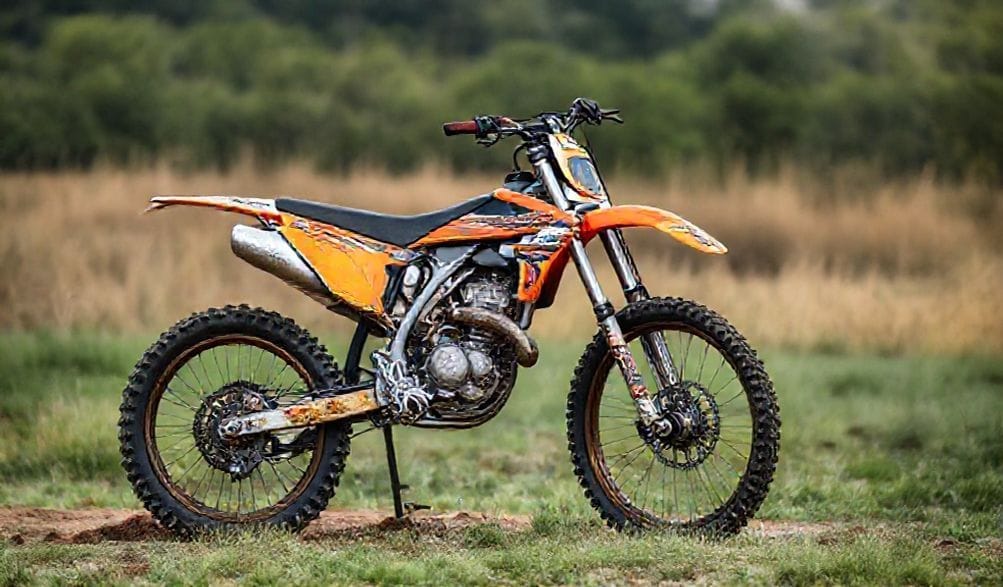
Dirt Bike vs. Bicycle: A Complete Guide to Off-Road Riding Machines
You see two riders tackling a rugged hill. One is standing on the pegs, the engine roaring as it claws its way up. The other is out of the saddle, muscles straining, quietly pedaling for the summit. To a newcomer, they might both just be “off-road bikes.” This common point of confusion—”Is a motokross just a motorized bicycle?”—is where many new riders and parents start. While they share a common lineage and basic two-wheeled concept, a modern dirt bike and a mountain bicycle are as fundamentally different as a sports car and a touring bicycle. One is a purpose-built motorized vehicle; the other is the pinnacle of human-powered efficiency. This guide exists to cut through the confusion, providing a clear, expert-driven comparison to help you make safe, informed decisions, whether you’re purchasing your first machine, ensuring a child’s safety, or simply clarifying a hobby.
We’ll address the core needs behind the search: understanding the real-world differences in mechanics, use, legality, and cost. This isn’t just about specs; it’s about matching the right machine to your adventure goals. We will dissect the critical distinctions between dirt bikes and bicycles, focusing on the core pillars of power, design, terrain, legal requirements, and ongoing commitment, so you can choose the path that’s right for you.
Core Distinction: Powered vs. Pedal-Powered
The most fundamental and obvious difference is the source of propulsion. This single distinction cascades into every other aspect of the machines, from their construction to where and how you can use them.
The Engine: Heart of the Dirt Bike
The dirt bike’s engine is its defining feature. This complex mechanical system replaces human legs with controlled explosions.
- Types & Power: Engines are primarily 2-stroke or 4-stroke, each with a unique character. 2-strokes are lighter, simpler, and deliver a sudden, explosive “hit” of power. 4-strokes are heavier, more complex, but offer a smoother, more tractable power delivery, often preferred for trail riding. Power is measured in displacement (cubic centimeters or cc), generally ranging from 50cc for youth models to 500cc+ for expert-level adult bikes.
- Control Systems: Power is managed via a throttle (your right hand) and delivered through a multi-speed transmission and a manual clutch (your left hand). Learning to coordinate the clutch and throttle is the first major skill hurdle in dirt biking. This system allows for immense torque at the rear wheel, enabling hill climbs and acceleration that human power cannot match.
- Maintenance & Inputs: This power comes with demands. Dirt bikes require fuel (mixed with oil for 2-strokes), regular engine oil changes, air filter cleaning, and spark plug replacements. They are mechanical entities that need consistent care and a basic understanding of internal combustion.
Human Power: The Efficiency of the Bicycle
The mountain bicycle’s “engine” is you. Its design is a masterpiece of biomechanical efficiency, translating your energy into motion.
- The Drivetrain: Power starts at the pedals, travels through a crank, is transferred by a ķēde, and managed by a system of gears and derailleurs. Modern mountain bikes have sophisticated 1x (one-by) drivetrains with wide-range cassettes, offering both easy climbing gears and fast descending gears, all controlled by shifters at your fingertips.
- The Experience: The output is silent, connecting you intimately with your surroundings. The physical effort provides significant cardiovascular and muscular fitness benefits. The mechanical complexity, while advanced, is largely external and more accessible for the home mechanic. There are no fluids to change or combustible fuels to manage—your stamina is the primary fuel.
Design and Construction: Built for Different Demands
The power source dictates the structure. A machine built to handle 40+ horsepower and land from 10-foot jumps has different requirements than one built to be lightweight and pedaled efficiently.
Dirt Bike Frame and Suspension: Built for Impact
A dirt bike is a motorized vehicle frame first. It’s built to handle the vibrations of an engine and the massive impacts of off-road riding.
- Frame: Constructed from high-strength steel or aluminum, the frame must house the engine as a stressed member. This makes it inherently heavier (a 250cc dirt bike can weigh ~220 lbs).
- Suspension: This is the star of the show. Long-travel suspension—both in the front forks and the rear shock—is designed to absorb the massive hits from whoops, rocks, and high-speed jumps. Travel is measured in inches (often 10-12″+) and is fully adjustable for compression and rebound damping. The goal is to keep the wheels on the ground and the ride manageable for the rider.
Bicycle Frame and Suspension: A Range of Options
A mountain bike frame is optimized for lightweight stiffness and pedaling efficiency, with suspension designed to maintain traction and control.
- Frame & Materials: To be pedaled efficiently, frames use lightweight materials like aluminum, carbon fiber, or chromoly steel. Weight is a critical factor (a quality MTB may weigh 25-35 lbs). Designs vary from hardtails (front suspension only) for efficiency to full-suspension bikes with rear travel for comfort and control on rougher trails.
- Suspension Philosophy: MTB suspension travel (typically 100-170mm, or 4-7″) is designed to smooth out trails, maintain traction, and provide control through technical features. While modern downhill bikes can handle huge jumps, they are not generally engineered for the constant, high-energy impacts of motocross.
Terrain and Riding Experience: Where They Shine
Your choice of machine opens the door to different worlds and delivers a completely different sensory and physical experience.
Dirt Bike Terrain: Conquering Extreme Landscapes
The dirt bike’s domain is extreme, open, and motorized-specific terrain.
- Locations: This includes motocross tracks with structured jumps and turns, wide-open deserts, steep hill climbs, and designated Off-Highway Vehicle (OHV) trail systems. The power allows you to cover vast distances quickly and tackle obstacles through momentum and torque.
- The Experience: It’s about raw power, adrenaline, and altering your environment—the feeling of “roosting” a turn by spinning the rear wheel. The physical demand comes from controlling a powerful, heavy machine: wrestling it through rough sections, using body English to steer, and absorbing G-forces. The sound and smell of the engine are integral to the experience.
Mountain Biking Terrain: Technical Trails and Connection to Nature
The mountain bike thrives on technical, human-scale, and often non-motorized trails.
- Locations: This is the world of singletrack—narrow, winding trails through forests, bike parks with lift-served downhill runs, and cross-country networks. Access is often from your doorstep or a short drive to local trailheads.
- The Experience: It’s a quieter, more immersive connection with nature. The challenge is technical skill and fitness: picking the perfect line through rock gardens, pumping terrain for speed, and relying on momentum and balance because you can’t just throttle out of a mistake. The physical demand is total-body endurance; you are the engine. The reward is the flow state achieved on a perfect trail.
Legal, Safety, and Cost Considerations
This is where the “vehicle” vs. “bicycle” distinction has real-world consequences. Ignoring these differences can lead to legal trouble, serious injury, or financial strain.
Licensing, Registration, and Where to Ride
This is a critical, non-negotiable distinction.
- Dirt Bike (Motor Vehicle): Tas ir not a toy. On public land, most states require off-road vehicle registration and a visible sticker. Riding areas are restricted to designated OHV parks, tracks, or private land. For a street-legal “dual-sport,” a motorcycle license/endorsement, registration, and insurance are mandatory. Equipment like a spark arrestor in the muffler is often legally required on public lands to prevent wildfires.
- Mountain Bike (Bicycle): It requires no license, registration, or insurance. Access is incredibly broad: local singletrack trails, multi-use paths, national parks (on designated routes), and even urban areas. This ease of access is one of its greatest advantages.
Safety Gear: Non-Negotiable Protection
The gear reflects the forces involved. A standard bicycle helmet is utterly insufficient for motorized riding.
- Dirt Bike Gear: Designed for high-speed crashes. Full-face helmet with a visor and chin bar, motocross-specific boots (ankle support and crush protection), goggles, knee/shin guards, chest protector/roost guard, gloves, and durable pants/jerseys. Neck braces and padded undersuits are common for serious riders.
- Mountain Bike Gear: Designed for lower-speed impacts and abrasion. A MTB helmet (often with more rear-head coverage than a road helmet), knee and elbow pads, gloves, and protective eyewear. For downhill riding, a full-face helmet and body armor mirror motocross gear.
Cost Analysis: Purchase and Upkeep
The financial commitment diverges sharply after the initial purchase.
- Initial Investment: Entry-level dirt bikes start around $4,000+ for a new 110cc-125cc model, with adult bikes easily reaching $8,000-$10,000. A quality new hardtail mountain bike starts around $800-$1,500, with full-suspension bikes from $2,500+.
- Ongoing Costs:
- Dirt Bike: Fuel, 2-stroke oil (if applicable), engine oil/filters, more frequent tire replacements, air filters, spark plugs. Potential for major engine repairs. Insurance (even for off-road) is highly recommended. Transport requires a truck or trailer.
- Mountain Bike: Chain lube, occasional new chains/cassettes, tires (last longer than dirt bike tires), brake pads. Maintenance is more DIY-friendly. Transport is easy with a simple bike rack. The primary “fuel” cost is your food.
Choosing What’s Right for You: Key Decision Factors
So, which path is yours? Ask yourself these questions.
Assessing Your Goals: Thrill, Fitness, or Exploration?
- Choose a Dirt Bike if: You crave motorized power and adrenaline, want to cover large, open off-road areas quickly, enjoy the mechanical aspect of maintaining an engine, and have access to legal riding areas.
- Choose a Mountain Bike if: Your goals include fitness, mastering technical trail skills, quiet exploration of natural spaces, easy local trail access, and a more minimalistic, self-powered adventure.
Age and Skill Level Considerations
- For Youth: Both have excellent youth progression models (e.g., 50cc dirt bikes, 20″/24″ mountain bikes). Crucially, a dirt bike is a motor vehicle requiring immense maturity, constant adult supervision, and formal training. Start with a bicycle to develop fundamental balance and coordination.
- For Adult Beginners: In dirt biking, start with a low-power 4-stroke trail bike (e.g., 230cc) and take an MSF Dirt Bike School course. In mountain biking, start with a modern hardtail and take a skills clinic from an IMBA-certified instructor or local shop. Community is key—join local riding groups.
FAQ Section
Q: Can you put a motor on a bicycle to make a dirt bike?
A: No. While “motorized bicycle” kits exist, they create a dangerous hybrid. A bicycle frame, brakes, and components are not engineered to handle the stresses, speeds, and weights of a motor. It results in a machine with significant safety, reliability, and legal limitations, falling into a grey area that is neither a safe bicycle nor a capable dirt bike.
Q: Is a dirt bike or a mountain bike harder to learn?
A: They present different core challenges. Dirt biking has a steeper initial curve: mastering the manual clutch and throttle coordination while managing a heavier machine. Mountain biking has a lower entry barrier (everyone can pedal) but a very deep skill curve in technical trail riding, balance, and fitness. Both demand respect and proper learning.
Q: Which is more dangerous, dirt biking or mountain biking?
A: Both carry inherent risks of falls and injury. Statistically, dirt biking involves higher speeds and greater kinetic energy, leading to a higher potential for serious injury in a crash—hence the more robust safety gear. However, risk in both sports is massively reduced by proper protective gear, professional instruction, progressive skill building, and riding within your limits.
Q: Can I ride a dirt bike on mountain bike trails?
A: Almost always no. The vast majority of singletrack trails are explicitly designated as non-motorized. Riding a dirt bike on them is illegal, causes significant environmental damage (erosion), poses a severe safety risk to hikers and cyclists, and jeopardizes trail access for everyone. Always respect trail designations and use legal OHV areas.
Secinājums
The divide is clear. A dirt bike is a motorized vehicle, a tool for power, adrenaline, and conquering extreme motor-specific terrain. A mountain bike is a human-powered machine, a tool for fitness, technical skill, quiet connection with nature, and unparalleled trail access. One is not better than the other; they are different instruments for different symphonies of adventure.
Your choice must align with your goals, respect legal and environmental boundaries, and be undertaken with a commitment to safety. Whichever path you choose, start smart: visit reputable dealerships or bike shops, invest in professional training (MSF courses for dirt bikes, IMBA clinics for MTB), and gear up properly from day one. Connect with your local riding community—they are your best resource for finding trails, learning etiquette, and sharing the stoke.
So, what calls to you? The roar of controlled power or the rhythm of your own breath on a quiet trail? Define your adventure, and choose the machine that will take you there safely and responsibly.
METADATA_START—
DISPLAY_TITLE: Dirt Bike vs. Bicycle: Your Guide to Choosing an Off-Road Machine
SEO_TITLE: Dirt Bike vs. Bicycle: Key Differences in Power, Cost & Terrain | 2024 Guide
META_DESC: Confused between a dirt bike and a mountain bike? Our expert guide breaks down the key differences in power, design, terrain, legality, safety, and cost to help you choose the right off-road machine for your adventure.
IMG_PROMPT: A dynamic split-image photograph. On the left, a rider in full motocross gear on a dirt bike mid-jump on a sandy track, sunlight glinting off the helmet visor. On the right, a mountain biker in trail gear carving through a forest singletrack, with dappled sunlight filtering through the trees. The images contrast power vs. tranquility, motor vs. human.
—METADATA_END—