
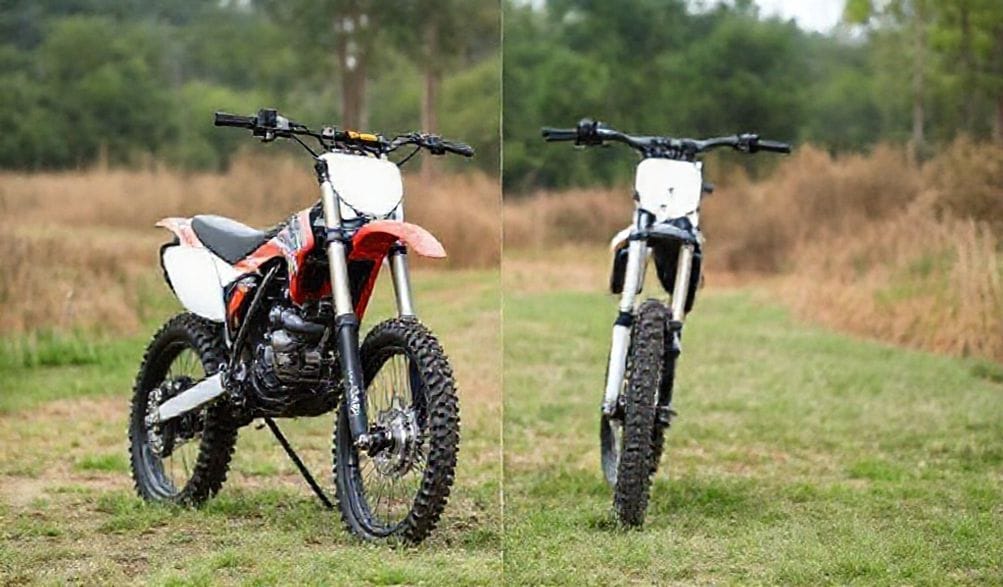
The Ultimate Electric Dirt Bike Comparison Guide for 2024
The roar of a two-stroke engine has long been the soundtrack of the dirt bike world. But a new, nearly silent revolution is taking over the trails and tracks. elektriskie motokrosa velosipēdi are no longer a futuristic novelty; they are high-performance machines fundamentally changing the off-road experience. With instant torque, minimal maintenance, and zero exhaust emissions, they offer compelling advantages that are winning over riders from beginners to seasoned pros. But with a growing list of models hitting the market, how do you choose the right one? This comprehensive guide cuts through the hype to provide a clear, unbiased, and detailed electric dirt bike comparison based on technical specifications, rider feedback, and real-world use cases. Whether you’re wondering which bike is best for your local trails, if an electric motocrosser can handle the track, or how the total cost stacks up against gas, we’ve got you covered. We’ll compare the top 2024 models, decode the critical specs, and give you the actionable advice you need to make an informed decision.
Let’s dive into the key factors you must consider before looking at specific models.
Critical Factors to Consider Before Buying
Choosing an electric dirt bike isn’t just about picking the most powerful or expensive model. It’s about matching the machine to your specific needs, riding style, and environment. Understanding these core factors will help you navigate the specs and find your perfect match.
Primary Use Case & Rider Profile
First, be honest about how and where you’ll ride.
* Trail Riding vs. Motocross/Track vs. Enduro: A bike built for tight, technical singletrack (like a KTM Freeride E-XC) prioritizes low-end torque, manageable power, and a plush suspension. A motocross weapon (like the Stark VARG) is all about explosive power for jumps, stiff suspension for landings, and aggressive ergonomics. Enduro riding, which mixes trails and obstacles, demands a blend of range, tractable power, and durability.
* Beginner, Intermediate, or Expert Rider: Beginners benefit immensely from electric bikes with selectable ride modes that limit power. Intermediate riders need a bike that can grow with their skills. Experts will want maximum adjustability, top-tier components, and unbridled performance.
* Youth vs. Adult Models: Youth bikes aren’t just smaller; they have speed limiters, lower seat heights, and often parental control features via apps. Safety and adjustability for growth are paramount here.
Performance Specifications Decoded
Electric bike specs tell a different story than gas bike CCs.
* Motor Power (kW/HP) and Torque (Nm/lb-ft): Power (kW) influences top speed, while torque determines how hard the bike pulls from a standstill. Electric motors deliver 100% of their torque instantly, which feels dramatically different—and often more controllable—than a gas engine’s power band.
* Battery Capacity (kWh) & Voltage: Capacity (kWh) is your “fuel tank,” directly impacting range. Voltage (e.g., 72V, 120V) is like water pressure in a hose; higher voltage systems can deliver power more efficiently, supporting more powerful motors and faster acceleration.
* Range & Ride Time: Manufacturer claims are often under ideal conditions. Real-world range is slashed by hilly terrain, aggressive riding, and rider weight. A “2-hour” ride time is a more useful metric for many than a “50-mile” range claim.
* Top Speed and Acceleration: Consider if you need a 60+ mph top speed for open areas or if a governed 40 mph is safer and more appropriate for trails or a young rider.
Chassis, Suspension, and Handling
The motor provides the go, but the chassis determines how well you control it.
* Frame Material: Aluminum is light and stiff, common on performance models. Steel is durable and often used on entry-level or hard-use bikes. Some use composite/carbon fiber for extreme weight savings.
* Suspension Type, Travel, and Adjustability: Inverted (upside-down) forks are standard for serious off-road use. Travel (e.g., 300mm) indicates how much bump absorption is available. Adjustable compression and rebound damping are crucial for fine-tuning the bike to your weight and terrain.
* Wheel Size, Brakes, and Weight: Full-size adult bikes typically have a 21-inch front and 18-inch rear wheel. Hydraulic disc brakes are essential. Weight is a critical differentiator; while electric bikes often weigh more than their gas counterparts due to the battery, the weight is centralized and low, which can improve handling.
Technology & Usability
This is where electric bikes truly innovate.
* Ride Modes: Modes like Eco, Trail, and Sport electronically alter power delivery and top speed, making one bike adaptable for multiple riders or conditions.
* Regenerative Braking: This feature uses the motor as a generator to slow the bike and put a small amount of charge back into the battery. It can extend range and reduce brake wear.
* Charging Time & Options: A standard charger might take 4-8 hours. “Fast” or “optional” chargers can cut that in half. Check what’s included and what’s an extra cost.
* App Connectivity: Many bikes offer apps for diagnostics, tuning power curves, setting speed limits (for kids), tracking rides, and monitoring battery health.
Cost of Ownership & Practicalities
Look beyond the sticker price.
* Initial Purchase Price: Electric dirt bikes generally command a premium over comparable gas bikes.
* Maintenance: This is a huge electric advantage. No engine oil, air filters, spark plugs, or clutch adjustments. Maintenance focuses on brakes, suspension, chain, and bearings.
* Battery Life & Replacement Cost: Lithium-ion batteries degrade over time. Expect a battery to last 500-1000+ full charge cycles before significant capacity loss. A replacement battery can cost $1,500-$3,000+, so factor this into long-term costs.
* Dealer Support & Warranty: A strong local dealer network for service and warranty claims is invaluable. Check the warranty length, especially for the battery and motor.
Head-to-Head: 2024’s Top Electric Dirt Bikes Compared
Now, let’s put the leading contenders under the microscope. Remember, the “best” bike depends entirely on your answers to the factors above.
High-Performance Motocross & Track Bikes
These are the electric disruptors built to dominate the track.
* Stark VARG: The current benchmark for electric MX. Its party trick is a “virtual gearing” app that lets you simulate the powerband of over 100 different gas bikes. With up to 80 hp, fully adjustable Öhlins suspension, and a lightweight carbon fiber subframe, it’s a no-compromise race machine.
* Sur-Ron Light Bee X: Often the starting point for modders. In stock form, it’s more of a ultra-light trail bike, but with aftermarket motor controllers, batteries, and motocross suspension/wheels, it can be transformed into a capable and affordable track weapon. It requires more hands-on involvement.
* Cake Kalk OR: A premium, minimalist Scandinavian design. It focuses on precision, agility, and high-quality components (like Öhlins suspension) over outright peak power. It excels in technical, slower-speed terrain like endurocross tracks rather than high-speed motocross.
Trail & Enduro Specialists
Built for exploration, technical challenges, and all-day adventures (or as long as the battery lasts).
* Zero FX: A street-legal platform often adapted for dirt. With its Z-Force motor and modular battery system, it offers strong, linear power. It shines for dual-sport riders who need to connect trails via roads, but its weight and suspension may limit hardcore single-track use.
* KTM Freeride E-XC: From a legendary dirt bike brand, this is a purpose-built electric enduro machine. It feels the most like a traditional dirt bike in terms of ergonomics and handling. It offers manageable power perfect for technical terrain, high-quality WP suspension, and is backed by KTM’s extensive off-road dealer network.
* Segway Dirt eBike X260: A compelling value proposition. It packs a punch with a 15kW motor, offers a decent 2.5-hour claimed ride time, and comes with fully adjustable suspension. It positions itself as a fully-featured, no-fuss entry into serious electric trail riding.
Youth & Entry-Level Models
Safety, adjustability, and fun are the key metrics here.
* Razor MX650: An affordable, entry-level option. It’s more of a “fun bike” for backyard use with a lower top speed and simpler suspension. It’s a great low-risk way to introduce a young rider to the feel of an electric dirt bike.
* Kuberg MX Start: A serious youth racing bike. It features adjustable power settings (up to 8.5 kW), hydraulic disc brakes, quality suspension, and a lightweight frame. It’s designed for kids who are ready to move beyond toys and onto a real, performance-oriented machine.
* Oset Bikes: Pioneers in the electric trials world. Oset bikes are incredibly light, quiet, and have precise, low-speed control perfect for learning balance and technique. They are the ideal choice for developing core riding skills in a controlled environment.
Comparison Table at a Glance
| Model | Approx. Price | Motor Power | Est. Ride Time | Weight | Best For |
| :— | :— | :— | :— | :— | :— |
| Stark VARG | $13,000+ | Up to 80 hp | 1-6 hrs (modes) | ~240 lbs | Expert Motocross/Track |
| KTM Freeride E-XC | $12,000+ | 26 hp | ~1.5 hrs | 247 lbs | Technical Trail/Enduro |
| Segway X260 | $5,500+ | 20 hp | ~2.5 hrs | 220 lbs | Trail Riding / Value |
| Sur-Ron Light Bee X | $4,700+ | 12 hp (stock) | ~2 hrs | 121 lbs | Modders / Light Trail |
| Kuberg MX Start | $3,500+ | 11.5 hp | ~2 hrs | 99 lbs | Youth Racing |
| Razor MX650 | $1,000+ | 1.5 hp | ~40 min | 99 lbs | Beginner Youth/Backyard |
Electric vs. Gas-Powered Dirt Bikes: An Honest Look
The choice isn’t always clear-cut. Here’s a balanced view of both technologies.
Advantages of Electric
- Instant Torque & Linear Power: The throttle response is immediate and smooth, providing incredible traction and control, especially out of corners or on steep climbs.
- Lower Maintenance: Forget about mix gas, oil changes, filter cleaning, and top-end rebuilds. Maintenance is drastically simpler and cheaper.
- Silent Operation: This allows riding in noise-sensitive areas, reduces noise pollution, and lets you hear nature (or your own thoughts). It also enables more practice time without disturbing neighbors.
- Zero Emissions & Lower “Fuel” Cost: No exhaust fumes and the cost to charge a battery is a fraction of the price of gasoline.
Advantages of Gas-Powered
- Longer Range & Quick Refueling: You can ride for hours and “recharge” in two minutes with a gas can. For long-distance desert or adventure riding, gas still reigns supreme.
- Established Infrastructure: Dealers, mechanics, and aftermarket parts are everywhere. Finding support is easy.
- Lower Upfront Cost: For comparable performance, a gas bike is typically thousands of dollars less expensive initially.
- Traditional Feel & Sound: The visceral experience of a combustion engine—the sound, the vibration, the clutch control—is part of the appeal for many purists.
Making the Right Choice for Your Needs
If your priority is low-maintenance fun on local trails, technical skill development, or track riding where noise is an issue, electric is a phenomenal choice. If you need to ride 100+ miles in a day, are on a tight budget, or deeply value the traditional moto experience, a gas bike may still be your best bet.
Essential Gear and Upgrades for Electric Dirt Biking
Your investment shouldn’t stop at the bike. The right gear and tweaks complete the experience.
Must-Have Safety Gear
The rules don’t change: always wear a helmet, goggles, boots, gloves, and body armor. Crucially, because electric bikes are so quiet, other trail users (hikers, bikers, horseback riders) won’t hear you coming. Heightened situational awareness is mandatory. Consider a bell or polite verbal call-out when approaching others from behind.
Performance & Customization Upgrades
- Tires: The single best upgrade for any dirt bike. Match the tire to your terrain—soft terrain knobbies for loam/sand, intermediate/hard terrain tires for packed dirt and rocks.
- Suspension Tuning: Getting your suspension sprung and valved for your specific weight and riding style transforms handling and comfort.
- Gearing: Changing the sprocket sizes can tailor the bike’s acceleration and top speed for your local track or trail system.
- Protection: A sturdy skid plate, handguards, and radiator braces (if applicable) are cheap insurance against costly damage.
Charging Solutions & Accessories
- Portable Fast Chargers: For trailhead charging or track days, a faster charger can get you back riding during a lunch break.
- Battery Care: Store the bike and battery in a cool, dry place. Avoid consistently draining the battery to 0% or leaving it at 100% charge for long periods to maximize its lifespan.
Frequently Asked Questions (FAQ)
Q: How long do electric dirt bike batteries last before needing replacement?
A: A quality lithium-ion battery is typically rated for 500 to 1000+ full charge cycles before it degrades to about 80% of its original capacity. With moderate use (1-2 rides per week), this can translate to 5+ years of usable life. Replacement costs vary widely from $1,000 to over $3,000.
Q: Can you ride an electric dirt bike in the rain or through water?
A: Most have an IP (Ingress Protection) rating (e.g., IP65). A high rating means they are well-sealed against dust and water jets. While they can handle rain and puddles, deep water crossings that submerge the motor or battery pack should be avoided unless the manufacturer explicitly states it’s safe. Always consult your owner’s manual.
Q: Are electric dirt bikes good for beginners?
A: Excellent. Their programmable power modes allow a beginner to start in a very tame, manageable setting. There’s no clutch to stall, and the linear power delivery is less intimidating. The quiet operation also reduces anxiety for new riders. Just be mindful of the weight, which can be higher than a small gas bike.
Q: What is the real-world range I can expect on a single charge?
A: It’s highly variable. For a high-performance MX bike on a track, 30-45 minutes of hard riding is common. For a trail bike in mixed conditions, 1.5 to 2.5 hours is a realistic expectation. Aggressive riding, hills, heavy riders, and cold temperatures will all reduce range.
J5: Kur var apkalpot elektrisko motokrosa motociklu?
A: Start with the manufacturer’s authorized dealer network. As the market grows, more traditional motorcycle shops are adding EV-certified technicians. For basic maintenance (brake pads, tire changes, suspension service), any competent dirt bike mechanic can help. For battery or motor diagnostics, you’ll likely need a specialist.
Secinājums
The “best” electric dirt bike doesn’t exist in a vacuum—it’s the one that best aligns with your riding goals, skill level, and budget. The landscape in 2024 offers incredible variety, from silent youth trainers to earth-shaking (but quiet) motocross prostockers. Use the “Critical Factors” section as your checklist; rank what’s most important to you (e.g., range over peak power, dealer support over lowest price).
The technology is advancing at a blistering pace. Batteries are getting denser, charging faster, and prices are slowly becoming more competitive. We are in the golden age of electric off-road innovation.
Aicinājums rīkoties: Once you’ve narrowed down your choices, we strongly recommend visiting a dealer for a demo ride if possible. The feel of the instant torque and the surreal quiet is something you must experience firsthand to truly understand the electric advantage. Have a specific model or use case in mind? Share your thoughts or questions below for further discussion.
Our goal with this guide is to be your trustworthy, expert resource as you navigate this exciting and dynamic new chapter in off-road riding. Ride smart, and enjoy the revolution.
METADATA_START—
DISPLAY_TITLE: The Ultimate Electric Dirt Bike Comparison Guide for 2024
SEO_TITLE: Electric Dirt Bike Comparison 2024: Stark VARG vs. KTM, Sur-Ron & More
META_DESC: Stuck choosing an electric dirt bike? Our detailed 2024 comparison guide breaks down top models like Stark VARG, KTM Freeride E-XC, Sur-Ron & more by specs, use case, and cost. Find your perfect ride.
IMG_PROMPT: A dynamic, high-action shot of a modern electric dirt bike, like a Stark VARG or KTM Freeride E-XC, mid-jump on a motocross track against a clear blue sky, with a second electric dirt bike blurred in the background on a forest trail, showcasing performance and versatility.
—METADATA_END—