
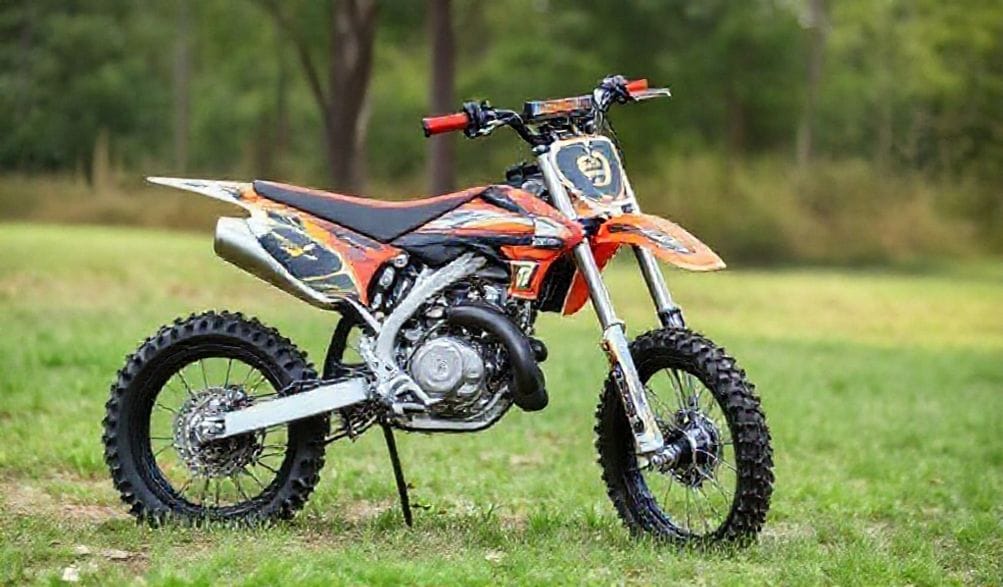
The Ultimate Guide to Finding the Best Kids Dirt Bike for Your Young Rider
Choosing your child’s first 越野摩托车 is an exciting milestone, a passport to adventure, independence, and the great outdoors. But for a parent, it can also feel overwhelmingly complex. Stroll through any dealership or scroll through endless online listings, and you’re bombarded with options: 50cc or 110cc? Gas or electric? Which brand is trustworthy? How do you know what actually fits?
As parents and lifelong off-road enthusiasts, we’ve been exactly where you are. We understand this isn’t just about buying a toy; it’s a significant investment in your child’s safety, skill development, and joy. Getting it wrong can lead to frustration, fear, or worse. Getting it right can ignite a lifelong passion.
This guide is built on hands-on experience, meticulous research, and consultations with riding coaches and safety experts. We’ll cut through the marketing jargon and provide clear, actionable advice to help you navigate every step. Our goal isn’t just to list products, but to empower you with the knowledge to confidently select the best kids dirt bike for your young rider’s age, size, and skill level.
Why Choosing the Right Kids Dirt Bike is Critical
Purchasing a dirt bike is fundamentally different from buying a bicycle. The stakes are higher, and the machine demands respect. This decision lays the foundation for your child’s entire riding journey, making it a critical juncture where safety and psychology intersect.
Safety First: The Non-Negotiable Priority
Let’s be unequivocal: an improperly sized or overpowered dirt bike is dangerous. The most crucial factor in preventing injuries isn’t just the 头盔 (though that’s vital), but the bike itself.
- The Fit-Injury Correlation: A bike that is too tall forces a child to tiptoe or lean excessively when stopped, leading to drops and falls. A bike that is too powerful can react faster than a beginner’s reflexes, resulting in loss of control. Proper fit—primarily standover height—is your first and most effective safety feature.
- The Risk of “Growing Into It”: The temptation to buy a bike that’s slightly too big to get an extra year out of it is strong. Resist it. An oversized bike increases risk exponentially. Control, confidence, and safe riding mechanics are all built on a platform of proper fit.
Building Confidence and Skill (Not Fear)
A dirt bike should be a tool for empowerment, not intimidation. The right bike fosters progressive learning.
- The Confidence Cycle: A correctly sized, manageable bike allows a child to experience small successes—mastering the clutch, navigating a turn, tackling a small bump. Each success builds confidence, which encourages more practice and skill development. This positive cycle fosters a genuine love for the sport.
- The Impact of a Bad Match: Conversely, a bike that’s too challenging creates a negative feedback loop. Struggling to touch the ground, stalling constantly, or being scared of the throttle leads to frustration, anxiety, and a desire to quit. The goal is to create a rider, not to scare one away.
How to Size a Dirt Bike for Your Child: The Golden Rule
Forget age-based charts as your primary guide. Every child grows differently. The single most reliable method for finding the best kids dirt bike is based on one simple measurement: your child’s inseam.
The Inseam Measurement Method (Forget Age Alone!)
This is your most important pre-purchase task.
- How to Measure: Have your child stand straight against a wall, barefoot, with their feet shoulder-width apart. Place a hardcover book snugly up into their crotch, simulating a bike seat. Mark the wall at the top of the book, then measure from the floor to the mark. That’s their true inseam.
- The Standover Height Rule: This is the golden rule. When shopping for a bike, find its 座高 specification. Your child should be able to stand over the bike’s frame (not the seat) with both feet planted flat on the ground, with a slight bend in the knee. This stable, confident stance is non-negotiable for control when stopping and maneuvering at low speeds.
Engine Size (cc) Guidelines by Age & Experience
Once you have inseam and standover height locked down, engine size (cubic centimeters, or cc) determines the power. Use this as a secondary guideline to the primary rule of physical fit.
| Age Range (Typical) | Inseam (Approx.) | Engine Size (cc) | Experience Level & Notes |
| :— | :— | :— | :— |
| 3 – 5 years | 14″ – 18″ | Electric (12v-24v) or 50cc (4-stroke) | Absolute Beginner. Balance bikes, then low-power electric or throttle-limited 50cc (e.g., Yamaha PW50). |
| 6 – 9 years | 20″ – 24″ | 50cc – 110cc (4-stroke) | Beginner to Intermediate. The 110cc class (Honda CRF110F, Kawasaki KLX110) is a hugely popular, manageable step up. |
| 10 – 12 years | 24″ – 28″ | 110cc – 125cc (4-stroke) | Intermediate. Larger 125cc four-strokes offer more power and size for growing riders. Small 2-strokes may appear here for competitive kids. |
4-Stroke vs. 2-Stroke for Beginners: 务必 start with a 4-stroke engine. They provide linear, predictable power (torque), are easier to ride, and are more forgiving. 2-stroke engines have a “power band”—sudden, explosive power that can be difficult for beginners to manage. They are for advanced, competitive riders.
Weight of the Bike Matters
A lightweight bike is a controllable bike. A child struggling to lift a 150-pound machine off the ground after a tip-over is a child who is learning to fear the bike. Lighter bikes are:
* Easier to Maneuver: They change direction more easily.
* Less Intimidating: Kids feel more in command.
* Safer in a Fall: They can push it away or get out from under it.
Electric bikes often have a weight advantage here, as do models with aluminum frames versus steel.
Types of Kids Dirt Bikes: Understanding Your Options
The landscape has evolved. You now have three main paths, each with distinct pros and cons.
Gas-Powered Dirt Bikes: For Performance and Growth
这些是传统、正宗的原型越野摩托车。.
* 优点: 续航时间长(只需加油),经销商网络广泛,在多变/崎岖地形上性能优越,并提供清晰、递进的成长路径(50cc、110cc、125cc等)。它们能教会骑手全面的车辆管理。.
* 缺点: 需要定期维护(更换机油、清洁空气滤清器),噪音较大(对邻里不友好),且对于二冲程车型必须将机油与燃油混合。它们对初始技能要求更高。.
* 最适合: 已涉足越野运动的家庭、有开阔土地或小径可供骑行的骑手,以及那些将频繁骑行并准备好接受完整机械体验的孩子。.
电动越野摩托车:安静、低维护的选择
青少年骑行领域的静音革命。.
* 优点: 几乎无需维护(无需机油、汽油或滤清器),扭矩即时可控且易于操控,运行极其安静(非常适合后院使用),并且通常更轻便。它们让孩子能纯粹专注于平衡与控制。.
* 缺点: 运行时间有限(通常30-60分钟),充电时间可能较长(数小时),并且通常缺乏燃油摩托车的极速刺激感。电池寿命会随着年限衰减。.
* 最适合: 绝对初学者、住宅区练习者、室内/室外骑行场地使用者,以及作为辅助练习用车。Stacyc和Oset等品牌是行业领导者。.
平衡车(无脚踏):幼儿的入门基础
Don’t overlook this critical first step.
* 技能转化器: 无脚踏平衡车教授的是摩托车最重要的单一技能:在两轮上保持平衡。孩子们学习用身体倾斜、转向并用双脚控制速度——这些本能可直接转化为基于油门的越野摩托车操控技能。.
* 最适合: 适用于18个月至5岁儿童。这是培养未来骑行核心能力最安全、最自然的方式。.
优质儿童越野摩托车的关键特性
除了尺寸和类型,卓越且安全的自行车更取决于其特定功能设计。.
可调式操控部件:适应成长与定制化贴合
一辆优质摩托车应与您的孩子共同成长。.
* 油门限位器: 一种通过物理方式限制油门旋转幅度的螺丝或旋钮,有效限制最高速度。对初学者至关重要。.
* 离合器与刹车拉杆: 应可调节以适应较小的手型,允许正确的一指或两指操作。.
悬挂质量:应对颠簸与着陆
优质的避震系统不仅关乎舒适性,更关乎保持轮胎贴地以维持操控稳定。.
* 前叉与后减震: 寻找配备真正弹簧悬挂(而非仅仅是弹簧式前叉)的车型。后减震的可调预载是一项高级功能,可根据您孩子的体重调整车辆。.
安全部件:应成为标准配置
- 熄火开关: 必须同时配备 系绳式熄火开关 (可夹在骑手 jersey 上,在其跌落时自动切断引擎)以及 手动熄火按钮 (位于车把上)。.
- 链条护罩: 全封闭式护罩,可防止手指或衣物卷入传动链条。.
- 耐用刹车: 可靠、响应迅速的碟刹或鼓刹是必须的。务必测试其性能。.
制造质量与品牌声誉
一分钱一分货。.
* 知名品牌: 燃油车坚持选择雅马哈(PW50)、本田(CRF50F/110F)、川崎(KLX110)、KTM和Cobra等知名品牌。电动车方面,Razor、Stacyc和Oset拥有经过验证的良好记录。它们能提供零件供应、经销商支持和更好的转售价值。.
* 警示信号: 对来自大型超市或随机线上卖家的超廉价、无品牌摩托车需极度警惕。它们通常使用劣质材料,焊接工艺差,缺乏安全功能,且无法获得零件。它们常被称为“一次性”摩托车。.
必备安全装备:不容妥协的装备
车辆本身只是成功的一半。. 装备不是可选项。. 请提前为此编制预算——这远比医疗账单经济。.
碟刹比简单的轮毂刹车提供更好的制动力,尤其是对于速度更快的型号。确保刹车杆尺寸适合小手操作。
每次骑行都需要以下全套装备:
1. 头盔: 头盔: 至少通过DOT认证;; 通过SNELL 或 或ECE 认证更佳。必须贴合紧密。.
2. 护目镜: 护目镜:.
3. 手套: 配备防碎镜片,保护眼睛免受泥土、石块和树枝伤害。泥泞天气需准备多副可撕式镜片。.
4. 靴子: 手套: 保护双手免受水泡、树枝和摔伤伤害。越野摩托车专用手套提供额外的衬垫和抓握力。.
5. 胸甲: 越野摩托车靴:.
6. 至关重要。它们保护脚踝免受扭伤和骨折,并保护双脚免受冲击。切勿使用徒步靴。 护胸:.
7. 保护躯干、肋骨和背部免受飞溅物(其他车辆扬起的石块)和冲击伤害。 护膝/护肘:.
为关节在摔倒时提供简单、轻量的保护。
- 头盔: 护腰/颈托:.
- 靴子: 对于更激烈的骑行,护腰可支撑背部,现代颈托(如Leatt)有助于预防严重的颈部损伤。.
- 胸甲: 高速骑行时胸部遭受石块撞击可能直接终结行程,甚至造成更严重后果。这是基础冲击防护。.
- 颈部支撑器: 设计用于将冲击力从脆弱的颈椎转移至更强壮的躯干。.
入门指南:初次骑行与家长引导
你已经有了完美的自行车和全套装备。现在,为成功奠定基础。.
选择合适的练习环境
- 从平坦开阔地开始: 巨大空旷的草地或平整坚实的硬土场地最为理想。没有山坡、没有车辆、没有障碍物。.
- 指定的越野车公园: 许多公园设有专门的初学者区域。地形经过管理,其他骑行者对新人也持欢迎态度。.
- 控制变量: 最初几次骑行的重点是熟悉操控,而非地形。要排除干扰和危险。.
上道前应教授的基本技能
- 起步与停车练习: 从静止状态开始练习:起步,骑行20英尺,平稳使用双刹车停下,单脚撑地。重复练习直至形成肌肉记忆。.
- 身体姿势: 教导他们双膝微屈、手肘抬起站立于脚踏上。这是保持操控的“进攻姿态”。.
- 离合器控制(针对手动挡车型): 找到离合器的半联动点。让他们练习仅使用离合器(不加油门)缓慢推行车辆。.
- 紧急熄火开关练习: 要求他们反复练习紧急熄火开关的使用直至形成肌肉记忆。“心存疑虑,立即断电。”
常见问题解答(FAQ)
问题1:孩子几岁开始骑越野摩托车最合适?
答: 并没有一个绝对完美的起始年龄,这取决于孩子的身体协调性、成熟度和兴趣。许多孩子从学步期就开始使用平衡车。对于燃油动力车型,常见的起始点是5-7岁,使用50cc排量的车型,前提是他们具备必要的力量、平衡能力以及遵守安全规则的专注力。.
Q2:电动越野车适合初学者吗?
答: 是的,电动自行车对许多初学者来说是绝佳选择。它们操作更简单(大多数型号无需换挡或操作离合器)、噪音小,且动力输出平顺可控,有助于建立信心。这让孩子能专注于平衡和控制技巧。.
Q3:一辆优质的儿童越野车大概需要多少预算?
答: 对于来自知名品牌、全新且质量可靠的入门级燃油或电动车型,预计价格区间在 300至1,800美元. 。价格因车型尺寸、动力和功能差异显著。知名品牌的50cc燃油车型起价约为1,500美元。请记住,还需额外预算 $300-$800 用于购买必需的高质量安全装备。.
问题四:能否购买稍大型号的摩托车让孩子“逐渐适应”?
A:我们强烈建议不要这样做。. 过大的车辆会令孩子生畏,难以操控,且危险性显著增加。这会阻碍技能发展。更好的做法是购买尺寸合适的车辆,让孩子熟练掌握后,再将其出售(优质车辆保值性良好)以升级到更大尺寸。.
问题五:儿童越野摩托车领域最受信赖的品牌有哪些?
答: 对于燃油摩托车,“日本四大品牌”享有传奇声誉: 雅马哈PW50、本田CRF50F/110F、川崎KLX110和铃木DR-Z50/110. 。KTM和Cobra是追求性能的顶级选择。对于电动车型,, Stacyc、Oset和Razor 备受好评。请务必查询具体车型的评测和您所在地区的经销商支持情况。.
结论
寻找 best kids dirt bike 最佳儿童越野车是一个充满乐趣的过程,它将兴奋感与细致研究相结合。以基于内长的黄金法则为决策核心,理解燃油与电动动力的各自优势,并坚持配备全套高质量安全装备,你所做的远不止是一次购买。这是一项投资——投资于孩子的信心、技能和安全。.
合适的自行车将成为探险之旅中值得信赖的伙伴,是每一次成功启动、每一次顺利过弯、每一个微小障碍的克服中积累能力的工具。它是开启户外探索世界、培养个人责任感以及创造那些无价、泥泞斑驳却终生难忘的家庭记忆的关键。请耐心些,让孩子参与学习过程,并将质量和合身性置于首位。现在,装备齐全,明智启程,为前方的道路做好准备。.
记住关键点:了解原厂坐垫的局限,让您的骑行风格指导购买,安全安装,并妥善维护。无论您是在劈弯、探索小径,还是穿梭城市街道,合适的坐垫能让您专注于骑行,而非疼痛。投资于您的舒适。在漫长而精彩的骑行结束时,未来的您会感谢自己。
显示标题:为你的小骑手寻找最佳儿童越野车终极指南
搜索引擎优化标题:2024最佳儿童越野车指南:安全、尺寸选择与顶级推荐
元描述:正在选择最佳儿童越野车?我们的专家家长指南涵盖了基于内长的安全尺寸选择、燃油与电动对比、顶级品牌、必备功能以及为自信的小骑手准备的必要安全装备。.
图片提示:一个8-10岁、装备齐全的快乐孩子,自信地站在阳光明媚的草地上,身旁是一辆尺寸合适的蓝色越野车,一位家长单膝跪在孩子旁边,两人都面带微笑。孩子的双脚平踏地面,展示了完美的车辆适配度。图片传达出安全、快乐和家庭探险的氛围。.
IMG_PROMPT: 一张高质量、细节丰富的 Sur Ron 电动自行车照片,安装有改装升级坐垫,停放在土路上。坐垫应看起来厚实舒适,缝线可见。自行车干净且对焦清晰,背景为模糊的自然景色。