
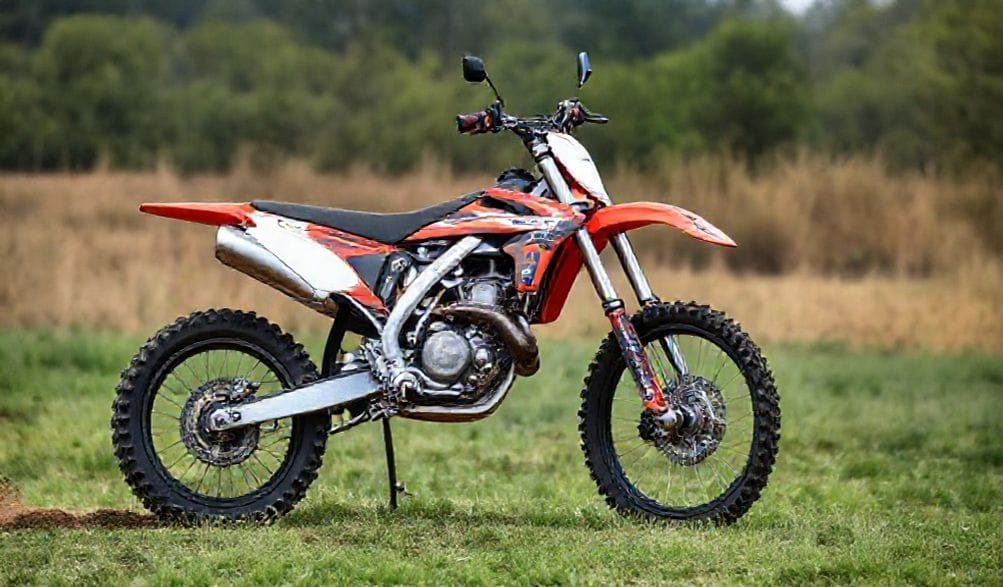
How to Buy a Dirt Bike: Your Expert Guide to Making the Right Choice
The thrill of hitting the trail on a 越野摩托车 is unmatched. The smell of fresh air, the challenge of navigating terrain, and the pure joy of mastering a machine—it’s a feeling that calls to many. But with so many options, brands, and technical specs, buying your first bike can feel overwhelming. How do you choose between new and used? What size is actually right for you? Is a 2-stroke or 4-stroke better for a beginner? This comprehensive guide is designed to cut through the noise.
Our purpose here is to provide a trustworthy, step-by-step manual compiled from industry expertise, manufacturer specifications, and decades of collective rider experience. We’ll move beyond marketing hype to the practical knowledge you need to ensure your first purchase is safe, satisfying, and sets you up for success on the dirt. By the end of this guide, you will have a clear understanding of dirt bike types, sizing, key features, and the entire buying process, empowering you to make a confident, informed decision when you buy a dirt bike.
了解越野摩托车类型:根据骑行风格匹配车型
Before you even look at a price tag, the most critical step is to match the machine to your intended use. Dirt bikes are highly specialized tools, not one-size-fits-all vehicles. Choosing the wrong type for your riding style is a fast track to frustration, expense, and even danger. Let’s break down the main categories.
林道车:适用于休闲越野骑行
These are the quintessential beginner and family-friendly machines. Engineered for fun and forgiveness, trail bikes prioritize ease of use and reliability over peak performance.
* 特性: They typically feature electric start (a huge plus for new riders), plush and comfortable suspension tuned for bumps and roots, and a wide-ratio transmission that makes both slow crawling and faster trail sections manageable. They are often heavier than race bikes but are built to be durable and low-maintenance.
* 适用人群: First-time riders of any age, family riding groups, weekend warriors exploring forest service roads and moderate single-track trails. The focus is on enjoyment and skill-building without intimidation.
* 示例如下: Honda CRF250F, Yamaha TTR-230, Kawasaki KLX230R.
越野摩托车:为赛道而生
Don’t let the common misconception fool you—these are not general-purpose dirt bikes. 场地越野 越野摩托车是纯种竞赛机器,专为一种环境设计:封闭赛道。.
* 特性: They boast high-strung, high-performance engines with aggressive power delivery, extremely stiff suspension calibrated for big jumps and whoops, and are built to be as lightweight as possible. They lack lights, a kickstand, a quiet muffler, or any street-legal equipment.
* 适用人群: Experienced riders who will be riding exclusively on motocross tracks. They require more maintenance, more aggressive riding input, and are often unforgiving for trail use or beginners.
* 示例如下: Kawasaki KX250, KTM 250 SX-F, Yamaha YZ250F.
双运动/探险摩托车:公路与越野两用
As the name implies, these bikes are legal citizens of both worlds. They are your ticket to connecting trails via public roads, opening up vast possibilities for exploration.
* 特性: They come equipped from the factory with all necessary street-legal equipment: headlight, taillight, turn signals, mirrors, horn, and a speedometer. Their suspension is a compromise—more capable than a street bike but less plush than a dedicated trail bike. They carry more weight due to the added components and larger fuel tanks.
* 适用人群: Riders who want to leave their driveway and ride to the trails, or those interested in longer-distance adventure touring on a mix of pavement and dirt roads.
* 示例如下: Suzuki DR-Z400S, Honda CRF300L, Kawasaki KLX300SM.
Enduro/Cross-Country Bikes: The Off-Road Specialist
Think of these as the ultimate off-road tool. They blend the high-performance engine and suspension of a motocross bike with the durability, lighting, and trail manners of a hardcore trail bike.
* 特性: They have powerful, responsive engines (often with smooth, electric power delivery), top-tier suspension that soaks up brutal terrain, and are equipped with lighting for endurance events. They are lightweight, agile, and demand a higher skill level and budget.
* 适用人群: Serious off-road enthusiasts tackling technical single-track trails, hare scrambles, hard enduro events, and riders who have outgrown a beginner trail bike.
* 示例如下: Husqvarna FE 350, Beta 300 RR, KTM 350 XC-F.
Key Factors to Consider Before You Buy
With a bike type in mind, you must now navigate the crucial details that separate a good purchase from a regrettable one. This is where practical experience and honest assessment are paramount.
The Most Important Factor: Rider Size and Bike Fit
专业建议: The most common and dangerous mistake is buying a bike that is too tall or too powerful. Proper fit is not a luxury; it’s a fundamental requirement for control, confidence, and safety. A rider who can’t touch the ground or manage the power is an accident waiting to happen.
* How to Determine Fit: The old “standing flat-footed” rule is a myth for full-size dirt bikes. The proper technique is to sit on the bike in your normal riding position. You should be able to get the balls of both feet on the ground comfortably. More importantly, you should be able to easily swing a leg over it and dismount without a struggle. If you have to slide off the side or tip-toe precariously, the bike is too tall.
* Engine Size (cc) Guidelines: Engine displacement (cc) correlates roughly with power, but modern engineering means a 250cc four-stroke can be very beginner-friendly, while a 250cc two-stroke is a powerhouse. Use this as a starting point:
* Youth Bikes: 50cc – 110cc (Ages 4-12, based on size/confidence)
* Beginner/Teen/Small Adult: 125cc – 250cc (Four-stroke trail bikes are ideal here)
* Experienced Adult: 250cc – 450cc (Includes motocross, enduro, and larger dual-sports)
New vs. Used Dirt Bikes: Weighing the Pros and Cons
This is a major financial and practical decision. Let’s be objective.
* 新车优势: Full manufacturer warranty, the latest technology and emissions compliance, zero wear-and-tear or hidden issues, professional assembly, and often dealer support or beginner riding clinics.
* 二手车优势: Significantly lower upfront cost, slower depreciation, and they often come with valuable aftermarket upgrades (skid plates, handguards, etc.). The used market is where most beginners find their first bike.
Authoritative Checklist for Buying Used:
If you go the used route, this inspection is non-negotiable. Bring a knowledgeable friend if possible.
1. 车架与副车架: Run your hand along the frame, especially near the footpegs and engine mounts. Look for cracks, repairs, or deep scratches that could indicate a major crash.
2. Engine & Transmission: Start the bike cold (a warm engine can hide starting issues). Listen for excessive knocking or rattling. Feel the clutch engagement; it should be smooth. Check the oil color on the dipstick; milky oil indicates coolant leakage, and glittery metal flakes signal internal wear.
3. 避震系统: Compress the forks and shock. They should move smoothly and rebound without sticking. Look for oil leaking from the fork seals or shock body.
4. 车轮与轴承: Lift each wheel off the ground and spin it. It should spin freely and quietly. Check for side-to-side play in the wheels, which indicates worn bearings.
5. 整体状况: A bike that is generally dirty but mechanically sound is often a better bet than a freshly pressure-washed one that may be hiding leaks. Ask for maintenance records.
Budgeting Beyond the Sticker Price
The purchase price is just the entry fee. To avoid sticker shock, budget transparently:
* The Bike Itself: New MSRP or used asking price.
* 费用: Sales tax, registration/title fees (mandatory for dual-sports, optional for off-road bikes in some states), and dealer documentation fees if buying new.
* Safety Gear (Non-Negotiable): A high-quality helmet ($200-$800), motocross boots ($200-$600), goggles ($30-$100), gloves ($25-$60), and a jersey/pants/chest protector combo ($150-$400). This is not where to cut corners.
* Essential Tools & Maintenance: Basic tool set, chain lube, air filter oil, oil & filters for your first change. Budget $100-$200.
* Initial Upgrades/Repairs (Used Bikes): New tires, chain/sprocket set, or fixing issues found during inspection. Set aside $200-$500 as a contingency.
The Step-by-Step Buying Process
Now, let’s turn knowledge into action. Follow this process to navigate your purchase efficiently and effectively.
Step 1: Research and Shortlist Models
Based on your riding style and size, create a target list of 2-3 specific models. Use manufacturer websites for official specs. Then, dive into long-term reviews and owner forums. Sites like Dirt Rider, Motocross Action Magazine, and dedicated brand/model forums are invaluable for learning about real-world reliability, common issues, and ownership satisfaction.
Step 2: Locate and Inspect the Bike
- For Dealers: Call ahead to confirm the bike is in stock. When you visit, be upfront about being a new rider. Ask for the “Out-the-Door” (OTD) price in writing, which includes all fees and taxes. Sit on every bike that interests you.
- For Private Sellers: Arrange to meet during daylight in a safe, public place. Use the inspection checklist above. Ask direct questions: “Why are you selling it?” “What maintenance was done recently?” “Has it ever been raced or had major engine work?” Trust your gut—if something feels off, walk away.
Step 3: Negotiation and Finalizing the Sale
- Expert Tips: For private sales, polite negotiation is expected. Use any needed repairs (from your inspection) as a basis for your offer. For dealers, research the fair market value and be reasonable—they have less wiggle room on new bikes but may have more on used inventory.
- 文件材料: This is critical. You must receive a clear Title (for street-legal bikes) or a 制造商原产地证书(MCO) (for off-road bikes). For any sale, create a 购车发票 that includes the VIN, sale price, date, and signatures of both buyer and seller. Getting the seller’s signature notarized adds a layer of legal protection. Never buy a bike without a title/MCO unless you are an expert and understand the significant risks involved.
Essential Gear and First Steps After Purchase
Congratulations! The bike is yours. Now, the journey truly begins. Your first actions should prioritize safety and preparation.
不容妥协的安全装备
Your gear is your primary protection. Prioritize fit and certification.
1. 头盔: Must be DOT-certified; Snell or ECE certification is better. It should fit snugly without pressure points.
2. 靴子: Purpose-built motocross boots are essential. They protect ankles and feet from impacts and twists. Street boots or work boots are not adequate.
3. 护目镜: Protect your eyes from roost, branches, and dust. Get a clear lens for low-light conditions and a tinted one for sunny days.
4. Gloves & Apparel: Gloves improve grip and protect your hands. A jersey, pants, and a chest/roost protector shield your body from debris and minor falls.
Your First Maintenance Checklist
Taking ownership of maintenance builds familiarity with your bike and prevents failures.
1. Change the Engine Oil & Filter: Even on a new bike, it’s good practice. For a used bike, it’s mandatory. Use the oil type and weight specified in the manual.
2. Clean and Re-oil the Air Filter: A dirty air filter is an engine’s worst enemy. Learn this simple, crucial task.
3. Inspect and Lubricate the Chain: Check the owner’s manual for proper tension (usually about 1.5 inches of free play). Clean off old grit and apply fresh chain lube.
4. Check Tire Pressure and Spokes: Proper tire pressure (often 12-15 PSI for trails) is vital for traction and preventing pinch flats. Tap each spoke with a wrench; they should all make a similar “ping” sound. Loose spokes can lead to a wheel collapse.
Where and How to Start Riding Safely
Resist the urge to head straight for the gnarliest hill.
* Start in a Controlled Area: An empty field, a wide-open dirt lot, or a beginner-friendly ORV park. Practice starting, stopping, shifting, and making slow, tight turns.
* 参加培训课程: Alta 参加摩托车安全基金会 offers off-road-specific courses. There is no faster or safer way to learn proper technique than from a certified instructor.
* Find Your Community: Look for local riding clubs or associations. They can point you to legal riding areas, group rides for beginners, and are a wealth of support and knowledge.
常见问题解答(FAQ)
问:哪个品牌的越野摩托车最好?
答: There is no single “best” brand. Japanese manufacturers (Honda, Yamaha, Kawasaki, Suzuki) are renowned for reliability and lower maintenance costs. European brands (KTM, Husqvarna, Beta) often lead in high-performance innovation and lightweight design. The “best” bike is the specific model that best fits your size, skill level, riding style, and budget.
Q: How much does a good beginner dirt bike cost?
答: A new beginner trail bike from a major manufacturer typically ranges from $4,000 to $6,500 MSRP. A well-maintained used bike in the 125cc-250cc range can be found between $2,000 and $4,000. Always remember to budget an additional $1,000+ for proper safety gear.
问:骑越野摩托车需要驾照吗?
答: 在私人场地(经许可)或指定的公共越野区域(州立公园、OHV区域),通常不需要摩托车驾照。但如果您购买的是 双运动车型 并计划在公共道路上骑行,则法律要求您的驾驶执照上必须具备标准的摩托车增驾许可。. 请务必核查您所在州及地方的具体法律法规。.
问:对初学者而言,二冲程还是四冲程发动机更好?
答: 对于绝大多数初学者, 四冲程发动机 是推荐的选择。它能提供线性、可预测的动力输出,更易于掌控,并且通常维护频率较低(尽管有时维护更复杂)。现代电喷二冲程摩托车性能出色,但其“功率带”更陡峭(动力突然爆发),新手可能难以驾驭。.
结论
购买第一辆越野摩托车是令人兴奋的成长仪式。从向往到拥有,这个过程涉及几个关键决策点:诚实地确定自己的骑行风格,选择正确的车型和尺寸,审慎权衡新车与二手车的利弊,并坚定不移地配备合适的安全装备。.
请将本指南作为您的可靠参考手册。慢慢来,做好调研,并随时咨询经验丰富的骑手或信誉良好的经销商。选择一辆适合您和目标的车,是开启乐趣、挑战与技能提升世界的关键。下一步,请基于此框架开始研究您候选的车型,然后进行实地验车或前往经销商处查看。祝您骑行安全,尽享越野乐趣。.
记住关键点:了解原厂坐垫的局限,让您的骑行风格指导购买,安全安装,并妥善维护。无论您是在劈弯、探索小径,还是穿梭城市街道,合适的坐垫能让您专注于骑行,而非疼痛。投资于您的舒适。在漫长而精彩的骑行结束时,未来的您会感谢自己。
DISPLAY_TITLE: How to Buy a Dirt Bike: The Complete First-Timer’s Guide
搜索引擎优化标题:如何购买越野摩托车 | 新手专家指南(2024年)
元描述:第一次购买越野摩托车感到无从下手?我们的专家指南涵盖车型、尺寸、新车与二手车对比、成本及逐步选购流程,助您做出正确选择。从此开启您的越野之旅。.
图片提示:一位开心的越野摩托车新手,穿戴全套安全装备,站在阳光明媚的草地上,身旁是一辆干净的中型林道车(如本田CRF250F),神情自信,准备骑行。.
IMG_PROMPT: 一张高质量、细节丰富的 Sur Ron 电动自行车照片,安装有改装升级坐垫,停放在土路上。坐垫应看起来厚实舒适,缝线可见。自行车干净且对焦清晰,背景为模糊的自然景色。