
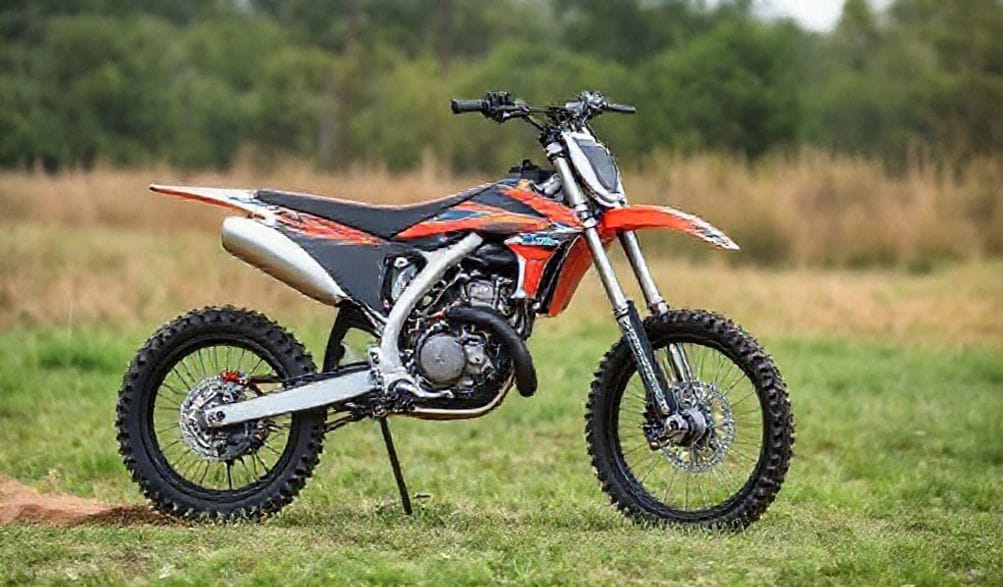
How Much Do Electric Dirt Bikes Cost? A Complete 2024 Pricing Guide
You’re here because you’ve felt the pull. The idea of instant, silent torque carving through a forest trail is intoxicating. But then comes the practical, pressing question: how much do 电动越野摩托车s cost?
As an off-road enthusiast and industry analyst with over a decade of experience testing everything from prototype EVs to production-ready motocross weapons, I’ve watched the electric dirt bike market evolve from a curious niche to a dynamic, competitive landscape. I can tell you this upfront: the answer isn’t a single number. Asking about the cost of an electric dirt bike is like asking about the cost of a car—it depends entirely on what you need it to do.
This guide is designed to cut through the marketing hype and confusion. We’ll break down the electric dirt bike price spectrum into clear, actionable tiers, explain 为何 prices vary so dramatically, and—crucially—dive into the real, long-term costs of ownership. My goal is to arm you with the knowledge from hands-on testing, manufacturer data, and real-world rider feedback so you can make an informed investment in your next adventure.
Understanding the Electric Dirt Bike Price Spectrum: From Beginner to Pro
Before we look at price tags, it’s essential to understand what drives them. The cost of an electric dirt bike is a direct reflection of its performance, build quality, and underlying technology. You’re not just paying for a motor and a battery; you’re investing in an engineered system designed for specific demands.
Key Cost Factors: What You’re Really Paying For
- Motor Power & Torque (kW & Nm): This is your engine. Power (kW) determines top speed and high-end pull, while torque (Nm) is that addictive, instantaneous shove off the line. A bike with a 5kW motor is a world apart from one with a 60kW motor, and the price reflects that engineering and material difference. More power requires more robust components throughout the drivetrain.
- Battery Capacity & Technology (Wh & Cell Chemistry): The battery is the single most expensive component, often comprising 30-40% of the bike’s total cost. Capacity (Watt-hours, or Wh) dictates your range. More Wh equals more ride time, but also more weight and cost. The technology inside matters too. Premium brands use high-density lithium-ion cells (like 21700 or 18650 types) with sophisticated Battery Management Systems (BMS) for safety, longevity, and performance. Cheaper bikes may cut corners here, which is a major red flag.
- Chassis & Suspension Quality: This is what connects you to the terrain. An entry-level bike might have a basic, heavy steel frame and non-adjustable suspension. Move up the price ladder, and you’ll find lightweight aluminum or chromoly frames, along with fully adjustable, name-brand suspension (think WP, Öhlins, or KYB) that can be tuned for your weight and riding style. This directly impacts handling, comfort, and capability.
- Brand & Engineering R&D: Are you buying from a new, direct-to-consumer EV startup or an established motorcycle giant like KTM (via its Stark VARG) or Honda? Established brands carry a premium that covers decades of chassis dynamics knowledge, extensive safety testing, and a dealer network for support. Startups might offer cutting-edge tech and aggressive pricing but can have growing pains with long-term support and parts availability.
The Total Cost of Ownership (TCO) Perspective
The Manufacturer’s Suggested Retail Price (MSRP) is only the beginning. To truly understand value, you must consider the Total Cost of Ownership over 3-5 years.
- Upfront Purchase Price vs. Long-Term Savings: Yes, a comparable electric dirt bike often has a 20-40% higher upfront cost than a gas bike. However, the operating cost story is radically different. Forget about engine oil, air filters, spark plugs, and valve adjustments. An electric drivetrain has far fewer moving parts. Annual maintenance for an e-bike is often limited to brake pads, tires, suspension servicing, and keeping things clean and tight. The “fuel” cost is also a fraction—charging a 5kWh battery costs pennies compared to a tank of premium fuel.
- Battery Replacement Costs: This is the elephant in the room. A high-quality battery is rated for 500-1000+ full charge cycles. With typical use, that can mean 5+ years of service. However, when it does eventually degrade, replacement is significant, ranging from $1,000 to over $3,000. This makes choosing a bike from a company with a proven, serviceable battery system absolutely critical.
- Charging Costs & Equipment: Charging at home is cheap. Using a standard 110V outlet is often sufficient, though slow. Many riders invest in a faster 240V Level 2 charger ($200-$600), which can cut charge times in half. Factor this into your initial setup budget.
- Maintenance & Parts Availability: While simpler, e-bikes are not maintenance-free. Electronics, connectors, and software can need attention. Before buying, research the brand’s dealer network or direct support. How easy is it to get a replacement controller or a software update? A cheaper bike with no support network can become a very expensive paperweight.
Electric Dirt Bike Price Tiers & Top Models (2024)
Let’s translate these factors into the actual market. Here’s how the landscape breaks down in 2024.
Entry-Level / Beginner Bikes ($1,500 – $4,500)
- Target Rider: First-time riders, younger teens, casual trail explorers, and those on a tight budget wanting to experience the electric feel.
- 典型规格: Lower power (3-10 kW), modest range (20-40 miles), basic steel frames, and non-adjustable or minimally adjustable suspension. Top speeds often cap between 30-45 mph.
- Example Models & Price Points:
- Segway Dirt eBike X160/X260 (~$2,500 – $3,500): A popular gateway bike. Lightweight, approachable power, but with trail-oriented (not motocross) suspension.
- Sur-Ron Light Bee X (~$4,300): The icon of this category. Offers remarkable performance for the price, blurring the line into the mid-tier. Known for a vast aftermarket parts ecosystem.
- 优缺点: 优点: Low barrier to entry, lightweight, perfect for learning and light trail duty. 缺点: Limited performance for aggressive riding, lower-quality components may wear quickly, and resale value can be volatile.
Mid-Range / Enthusiast Bikes ($4,500 – $10,000)
- Target Rider: Experienced riders who take trail and track riding seriously. This is where performance becomes truly compelling for adults.
- 典型规格: Competitive power (10-25 kW), good range (40-70 miles), better chassis construction (often aluminum), and quality, adjustable suspension from reputable manufacturers.
- Example Models & Price Points:
- Cake Kalk INK (~$9,000): Swedish design and minimalist philosophy. Lightweight, premium materials, and a focus on precise, agile trail riding.
- Kuberg Ranger (~$6,500+): A trials/enduro hybrid from a dedicated youth/electric brand. Excellent torque and low-speed control for technical terrain.
- The “Value Sweet Spot”: For many serious riders, this tier offers the best balance. You get 90% of the performance of the top-tier bikes for a significantly lower price, with much-improved components and build quality over the entry-level. It’s the tier where the electric advantage (torque, silence, low maintenance) becomes truly transformative.
High-Performance / Competition Bikes ($10,000 – $20,000+)
- Target Rider: Professional racers, hardcore enthusiasts, and those for whom budget is secondary to having the absolute best performance technology available.
- 典型规格: Max power (25-60+ kW), premium high-density battery packs, race-grade aluminum chassis, and top-shelf, fully adjustable suspension (WP XACT, Öhlins TTX).
- Example Models & Price Points:
- Stark VARG (~$12,900+): The current benchmark. A true motocross weapon with up to 80 hp, app-tunable power curves, and weight comparable to a 250cc gas bike. It’s redefining expectations.
- Zero FX (~$12,500+): The pioneer from an established electric motorcycle company. More of a dual-sport/enduro platform but with serious power and a proven powertrain.
- KTM Freeride E-XC (~$11,000): 源自传奇越野摩托车品牌。提供熟悉的KTM骑行感受,并具备即时的电动动力,由完整的经销商网络提供支持。.
- 高端价位解析: 您支付的是尖端的研发成本、力求克克计较的轻量化材料、能应对剧烈冲击的悬挂系统,以及允许针对不同赛道进行精细调校的软件。对于赛车手而言,这些边际增益就是一切。对于爱好者来说,这代表了电动体验的巅峰。.
精明购车:如何在预算内获得最佳价值
了解价格层级是一回事,完成购买过程是另一回事。以下是确保您获得合适车型且无意外情况的专家建议。.
全新与二手电动越野摩托车
二手市场正在增长,但需谨慎对待。.
* 购买二手: 您的首要关注点是 **电池健康状况**. 电池健康状况。如果显示屏有显示,请询问充电循环次数。检查电池外壳是否有损坏。进行试骑以确保动力输出完整,且电机无异响。检查软件更新历史。固件过时的车辆可能存在故障或性能下降。.
* 保修与支持: 大多数保修(尤其是电池保修)不可转让给第二任车主。购买二手通常意味着“按现状”购买,因此折扣必须足够大以抵消此风险。.
隐藏成本与必备装备预算
车辆价格只是总成本的一部分。.
* 强制性安全装备: 务必佩戴。一套优质的头盔、骑行靴、手套、护膝和胸甲很容易使您的初始支出增加 800至2,000美元 。.
* 充电设备: 如前所述,一个更快的240伏充电器是值得投资的便利设备。.
* 运输与配件: 您有皮卡、拖车或挂车架吗?请将绑带、车架、工具和内胎等费用考虑在内。这些“零碎”物品的花费会迅速累积。.
融资、激励政策与购买渠道
- **本地论坛和Facebook群组:** 许多制造商和经销商现在提供融资方案,使得购买更高阶车型更容易实现。.
- 潜在激励政策: 虽然联邦电动汽车税收抵免通常不适用于非道路车辆,但务必查看您所在 州或地方 针对电动休闲车辆或清洁空气倡议的激励政策。一些公用事业公司也提供折扣。.
- 授权经销商与直销模式: 通过经销商购买(例如Stark、KTM、Zero的车型)通常价格稍高,但包含组装、交付前检查以及本地保修服务联络点。直销模式(如许多初创公司)可能价格更低,但可能意味着您需要负责最终组装和故障排除,支持服务主要通过电话/电子邮件进行。.
常见问题:您的电动越野摩托车成本疑问解答
Q1:我能买到的最便宜且 可靠的 电动越野摩托车是什么?
答: 根据耐久性测试和社区反馈,对于轻度到中度使用,赛格威等成熟品牌或基础款Sur-Ron的 2,500-3,500美元价位 车型在可靠性和成本之间提供了最佳平衡。请极度警惕在线市场销售的超级廉价、无品牌进口产品;它们通常配备不安全的电池且毫无支持服务。.
Q2:电动越野摩托车比燃油摩托车更贵吗?
答: 前期成本,是的。性能相当的电动摩托车可能贵20-40%。然而,当您计算 3-5年的总拥有成本, 时,差距会缩小甚至逆转。研究和车主报告显示,电动摩托车的年度维护成本可低50-80%,且“燃料”成本仅为零头。您是以更高的初始投资换取更低的运行成本。.
Q3:电池能用多久,更换费用是多少?
答: 来自信誉品牌的优质电池应能持续 500-1000+次完整充电循环. 。在典型的局部循环使用下,这通常意味着 5年以上的使用寿命. 。更换是一项主要开支,费用从 1,000到3,000+美元, 不等,具体取决于容量。这凸显了电池质量和制造商声誉至关重要的原因。.
Q4:为品牌电动越野摩托车支付更高费用值得吗?
答: 前期购买价格:, 是的。. 成熟品牌(包括传统摩托车制造商)在工程设计、安全测试和耐久性上投入巨大。它们还提供至关重要的经销商网络、可靠的保修支持以及持续的软件更新。这种基础设施保护了您的投资,并确保车辆在多年内保持功能正常和安全。更便宜、无支持的替代品可能很快过时或无法修复。.
Q5:我可以在购买前试骑吗?
答: 这不仅是一个建议,而且是 至关重要的。. 电动骑行体验——即时的油门响应、静谧性、重量分布——是独特的。寻找授权经销商、制造商演示日,甚至考虑租赁选项。车辆给您带来的 感觉 感觉.
是证明其价值合理性的最重要因素。
结论:投资于您的骑行体验 那么,电动越野摩托车到底要花多少钱?正如我们所看到的,这是一个从约. 1,500美元的入门玩具到超过15,000美元的专业级竞赛机器的价格区间。.
但更重要的是,这是对一种根本不同的骑行方式的投资。.
您投资于瞬间扭矩带来的本能刺激,它重塑了您应对爬坡或弯道出弯的方式。您投资于从泥泞骑行归来后,简单冲洗车辆并插上电源的便捷——无需拆卸发动机。您投资于仅凭轮胎碾过地面的声音探索自然的特权。.
对于初学者,一款扎实的中端车型提供了最安全且回报最高的入门选择。对于经验丰富的骑手,高端车型的性能和技术确实证明了其溢价合理。通过关注标价之外的总拥有成本、研究电池和品牌支持,并且——最重要的是——优先安排试骑,您可以自信地探索这个激动人心的市场。.
记住关键点:了解原厂坐垫的局限,让您的骑行风格指导购买,安全安装,并妥善维护。无论您是在劈弯、探索小径,还是穿梭城市街道,合适的坐垫能让您专注于骑行,而非疼痛。投资于您的舒适。在漫长而精彩的骑行结束时,未来的您会感谢自己。
您的初始购买价格,仅仅是开启一种更清洁、更安静且极具回报的越野冒险形式的门票。明智选择,这项投资将在未来数年里,以每英里带来的笑容作为回报。
DISPLAY_TITLE: 电动越野摩托车多少钱?(2024年买家指南)
SEO_TITLE: 2024电动越野摩托车成本指南:价格从1,500美元到15,000美元以上.
META_DESC: 想知道电动越野摩托车多少钱?我们的2024指南详细解析了价格层级(1,500-15,000美元以上)、隐藏成本和总拥有成本,助您根据预算找到合适的车型。.
IMG_PROMPT: 一张高质量、细节丰富的 Sur Ron 电动自行车照片,安装有改装升级坐垫,停放在土路上。坐垫应看起来厚实舒适,缝线可见。自行车干净且对焦清晰,背景为模糊的自然景色。