
Youth Motor Bikes: A Parent’s Complete Guide to Safety, Selection, and Fun
That moment is unmistakable. Maybe it’s the wide-eyed fascination as a 越野摩托车 flies across the screen during a motocross event, or the eager questions about the rumbling engine of a passing 林道车. Your child has caught the bug—the thrilling, adventurous call of motorsports. As a parent, your heart does a little flip-flop. You see the potential for incredible outdoor fun, confidence-building, and a break from screens. But alongside that excitement comes a very natural wave of concern: Is this safe? How do I even start? What do I need to know?
You’re not alone. As parents and long-time riding enthusiasts ourselves, we’ve navigated that exact mix of excitement and apprehension. We understand that the world of youth motor bikes can seem complex and daunting from the outside. That’s why we’ve created this comprehensive guide. Our goal is to walk you through every critical step, transforming your uncertainty into confidence. We’ll focus relentlessly on safety, demystify the process of choosing the right beginner bike, and set your young rider on a path to developing real skill and a lifelong, responsible passion for riding.
Understanding Youth Motor Bikes: Types and Key Differences
Before diving into specs and safety gear, it’s crucial to understand the landscape. Not all small bikes are created equal, and the type you choose should match your intended use.
Dirt Bikes vs. Pit Bikes vs. Mini Bikes
These terms are often used interchangeably, but they refer to different machines:
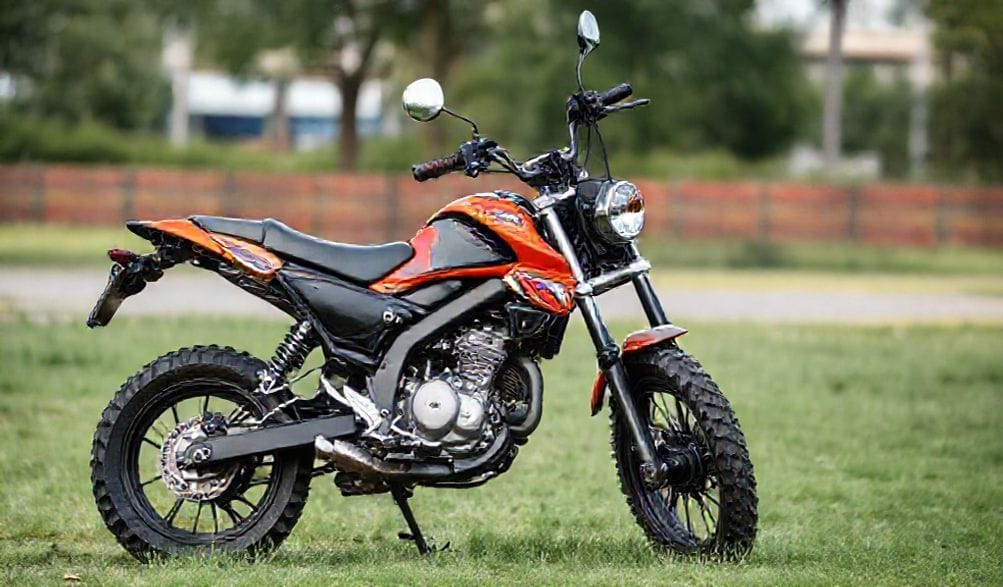
- Youth Dirt Bikes: These are the “real deal,” scaled-down versions of adult off-road motorcycles. They are built for performance on trails, motocross tracks, and rough terrain. They feature quality suspension, knobby tires, manual clutches (on larger models), and lightweight frames. Brands like Honda (CRF series), Yamaha (PW and YZ series), and KTM (SX series) excel here. Engine sizes for true youth dirt bikes typically range from 50cc to 125cc.
- 迷你摩托车: Smaller and often more playful, pit bikes originated as bikes to ride around the “pits” at race events. They usually have smaller wheels (10″-14″), a simpler design, and can be based on either dirt bike or mini bike platforms. They are fantastic for backyard fun, supervised pit areas, and developing basic riding skills in a more controlled environment.
- Mini Bikes / Pocket Bikes: These are the smallest category, often with a more casual, cruiser-like stance. They are generally not designed for serious off-road use and are best suited for smooth, flat surfaces like driveways or paved paths. They are often a child’s very first introduction to a motorized two-wheeler.
Electric vs. Gas-Powered Youth Bikes
The rise of electric vehicles has reached the youth bike market, offering a compelling alternative.
- electric youth bikes:
- 优点: Quiet operation (great for neighborhoods and early practice), minimal maintenance (no oil changes, air filters, or carburetors), instant torque for smooth power delivery, zero emissions, and often simpler to start and operate.
- 缺点: Limited run time per charge (usually 1-2 hours), longer recharge times, and the eventual need for battery replacement. The initial purchase price can be higher than a comparable gas bike.
- Gas-Powered Youth Bikes:
- 优点: Traditional riding experience, longer range (just refuel and go), widespread availability of models and parts, and often a wider performance range as the child grows.
- 缺点: Require regular maintenance (oil, air filter, spark plug), are louder, produce fumes, and have a more complex starting procedure (kick-start or electric).
The choice often comes down to your use case: electric for quiet, low-maintenance backyard practice; gas for longer trail rides and a more traditional motorsports pathway.
Key Specifications to Decode: CC, Wheel Size, and Seat Height
Don’t let the jargon intimidate you. Three specs are king when choosing a youth motor bike:
- 发动机排量: Stands for cubic centimeters, a measure of engine displacement. For beginners, smaller is always better. A 50cc bike is a standard, manageable starting point for most kids. Moving to an 80cc, 110cc, or 125cc should be based on proven skill and physical size, not just age.
- 轮组尺寸: This is arguably the most important factor for fit and control. A bike with wheels too large will be tippy and hard to manage; too small, and the rider will outgrow it quickly. Common youth sizes are 10″, 12″, 14″, 16″, and 19″ front/16″ rear combos. Your child should be able to sit on the bike with both feet flat on the ground, or at least the balls of both feet.
- 辐条轮毂,装配专为混合硬地和松散地形设计的侵略性越野块状花纹轮胎(通常为CST或类似品牌)。 Directly related to wheel size, this is the easiest spec to visualize. Have your child stand in their riding boots next to the bike. If the seat height is at or below their inseam, it’s a good fit for learning.
The #1 Priority: Safety for Young Riders
If you take only one thing from this guide, let it be this: safety is not an accessory; it is the foundation of the entire sport. Prioritizing it demonstrates responsible parenting and builds the correct mindset in your young rider from day one.
必备安全装备:不容妥协的装备
Consider this gear as part of the bike’s purchase price. Never let a child ride without it.
- 头盔: 必须 DOT or Snell certified. It should fit snugly without being painful. A full-face motocross helmet is the only acceptable choice for off-road riding.
- 护目镜: 护目镜:保护眼睛免受飞溅物、泥土和树枝伤害。选择带有撕除式镜片和良好通风功能以防起雾的款式。.
- 手套: Full-finger motorcycle gloves protect hands from blisters, impacts, and debris.
- 靴子: Proper motocross boots are critical. They support ankles, protect feet and shins from impacts, and provide grip. Street shoes or hiking boots are dangerously inadequate.
- 胸甲/护胸: Shields the torso, shoulders, and back from flying rocks and impacts.
- 护膝/护胫 & 护肘: Essential for protecting joints during falls.
- 耐用服装: Long, durable pants (motocross pants are ideal) and a long-sleeve jersey/jacket. No shorts or t-shirts.
Choosing the Right Location for Practice
The environment is a key safety component. The ideal location is a controlled, off-road area free from cars and unexpected hazards.
- Best Options: Designated Off-Highway Vehicle (OHV) areas, motocross tracks with beginner sections, or wide-open private land with permission.
- Good Options: A very large, flat, empty field or pasture where you can define clear boundaries.
- Unacceptable Options: Public streets, parks, sidewalks, or any area with vehicle traffic, pedestrians, or hidden obstacles. Not only is this extremely dangerous, but it’s also often illegal for off-road vehicles.
The Role of Professional Training and Supervision
You can be the best coach in the world, but a certified instructor brings structured, professional techniques that build confidence and safe habits faster.
- 训练: 诸如 摩托车安全基金会(MSF)的越野摩托车学校 offer fantastic beginner courses designed for kids. They provide the bikes, gear, and instruction in a controlled setting. It’s the single best investment you can make after purchasing gear.
- 监督: An adult should 务必 be present, focused, and ready to intervene when a young rider is on a bike. This isn’t a time for distracted parenting. Your active supervision is their primary safety net.
如何选择完美的青少年摩托车
在牢记安全基本原则的前提下,您现在可以专注于选择那台将开启您孩子骑行之旅的机器。.
Matching the Bike to Your Child’s Age, Size, and Skill Level
年龄仅可作为非常粗略的起始参考点,但最终应始终以实际体型和心智成熟度为准。一个胆小的10岁孩子可能非常适合骑推荐给8岁孩子的车型,而一个高大、运动能力强的8岁孩子可能需要更大一号的车型。.
Here’s a general sizing guideline:
- Ages 3-6 / Height 3′ – 3’10”: 电动平衡车或配备自动离合器和限速器的50cc汽油摩托车(例如,雅马哈PW50、本田CRF50)。车轮尺寸:10英寸。.
- Ages 6-9 / Height 3’10” – 4’6″: 50cc-70cc bikes, often with semi-automatic transmissions (no manual clutch). Wheel sizes: 12″-14″.
- Ages 9-12 / Height 4’6″ – 5’2″: 85cc-110cc bikes. This is often where manual clutches are introduced. Wheel sizes: 14″-17″.
- Ages 12+ / Height 5’2″ and up: 125cc four-strokes or 85cc/100cc two-strokes. These are “big kid” bikes approaching full-size performance. Wheel sizes: 17″/19″ fronts, 14″/16″ rears.
请记住: 让孩子掌控一辆动力稍显不足的摩托车,远比让他们因车辆动力过强而感到害怕和失控要安全得多,也更有乐趣。.
新车与二手车:一项实际考量
- 制造商的徽标仅仅是开始。这些实际考量往往是决定因素。 (新车)附带保修,拥有最新的安全功能,无需立即维护,且您了解其完整历史。它能带来安心。.
- 完整保修、最新技术、明确的保养记录、经销商支持,以及无可替代的全新体验。 (二手车)成本显著更低,这对于快速成长的孩子很有吸引力。贬值冲击已经发生。.
- 二手车检查清单: 如果选择二手车,请彻底检查或带一位懂行的朋友。检查项包括:轮胎磨损、刹车片寿命、链条和链轮状况、前叉油封是否漏油、车架有无裂纹或弯曲、所有操控装置是否运作顺畅,并询问维护历史。进行压缩测试则更佳。.
以可靠性著称的顶级品牌
坚持选择以质量、安全和零件供应充足而闻名的成熟品牌。这不是尝试不知名线上廉价品的时候。.
- 本田: (本田)可靠性的黄金标准。 CRF50F, CRF110F, and **首选车型:** 以其坚固耐用的四冲程发动机和适合初学者的平顺动力输出而成为传奇。.
- 雅马哈: (雅马哈)以耐用性和平顺的动力著称。 CRF125F (“PeeWee Fifty”) 是一款标志性的入门摩托车,而 TT-R110E 配合 YZ85 则分别适合成长中的初学者和有志于参赛的车手。.
- 川崎: (川崎)提供卓越的性价比和性能,例如 PW50 配合 KX85.
- KTM & Husqvarna: 高端、性能导向的选择。它们的 SX 50/65/85 配合 TC 50/65/85 车型是高规格、比赛就绪的二冲程摩托车,适合有一定经验的严肃年轻骑手。.
开始骑行:初次骑行与技能培养
车辆已备,装备已齐。现在,让我们以正确的方式开始培养骑行技能。.
骑行前检查清单与基本维护
培养骑行前检查的习惯。这是一种安全仪式,也是教导对机器负责的一种方式。.
- 轮胎: (轮胎)检查气压以及有无割伤/磨损。.
- 操控装置: (操控装置)确保油门能自动回弹关闭,刹车工作正常,离合器拉杆(如配备)操作顺畅。.
- 链条: (链条)检查张力和润滑情况。.
- (油液): 检查燃油和机油油位。.
- 紧固件: (紧固件)对关键螺栓(车轴、车把夹)进行目视检查,确认是否松动。.
- 教导基本维护: 清洁摩托车、保养空气滤清器以及润滑链条都是很好的入门任务。.
需要练习的基础骑行技能
从平坦、开阔的区域开始。一次专注于一项技能。.
- 身体姿势: 双脚立于脚踏,双膝微屈,手肘抬起。这是保持控制的“进攻姿态”。.
- 油门控制: (油门控制)最重要的技能。练习平稳、渐进地开启和关闭油门。.
- 制动: (刹车控制)练习同时使用前后刹车,了解它们如何影响车辆。强调平稳施加刹车。.
- (平衡与离合器控制(如适用)): 练习低速操控,通过轻捏离合器来调节动力。.
- (视线引导): 反复练习这一点:“注视你想要前往的方向。”他们的视线应保持向前,扫视前方路径,而非紧盯前挡泥板。.
培养对机器与环境的尊重
骑行是一种特权。请教导:
* (小径礼仪): 尊重其他骑手、徒步者和骑马者。礼让先行权,在他人附近控制车速。.
* 这会导致深重车辙和土壤侵蚀。 (环境保护)保持在指定小径上骑行,以防止水土流失和栖息地破坏。切勿乱扔垃圾。.
* (尊重机器): 摩托车是强有力的工具,而非玩具。它需要专注且负责任的操作。.
家长需知的法律与实务考量
了解当地法规、注册要求及合法骑行区域
这一点至关重要。. 关于越野车辆的法律法规因州、省、县的不同而有巨大差异。.
- 调研: 联系您所在州的自然资源部(DNR)或同级机构。他们负责管理越野车辆的使用。.
- 常见要求: 许多州要求对首次注册的摩托车进行 所有权证书, OHV注册/标识贴, ,有时还需骑手持有 安全证书 。部分公共土地要求 许可.
- **年龄限制**: 在公共土地上操作OHV通常有最低年龄要求。.
- 行驶区域: 使用官方州立OHV地图和网站来寻找合法的指定骑行区域。切勿假定任何公共土地都允许机动车辆使用。.
超出购车价的预算规划
车辆的标价仅仅是个开始。还需预算:
* 安全装备: $500 – $1,000+ 用于购置一套完整、优质的装备。.
* 保险: 为越野车辆购买责任险是明智之举,且某些骑行区域常要求购买。此类保险通常费用不高。.
* 维护: 机油、滤清器、轮胎、链条、链轮、刹车片。.
* 燃油/机油与电力: 持续的运营成本。.
* 运输: 需要卡车、拖车或挂车式摩托车载运架。.
* 训练: 参加摩托车安全基金会(MSF)或类似学校的课程费用。.
常见问题解答
问:孩子从几岁开始骑儿童摩托车最合适?
答: 并不存在一个普适的“最佳”年龄。这完全取决于孩子的身体协调性、心智成熟度、遵循指令的能力以及兴趣。有些孩子早在3岁便开始使用电动平衡车,而有些可能要到6或7岁才准备好。关注孩子的准备情况,而非特定的年龄日期。.
问:电动儿童摩托车的动力足以应对越野小径吗?
答: 入门级电动车型最适合平坦、平缓的地形。然而,像Sur-Ron或Talaria等品牌的高性能电动车型正日益展现出应对越野小径的能力,它们能提供瞬时扭矩且运行安静。对于严肃的越野骑行,中高端燃油摩托车目前仍占主导地位。.
问:我该为孩子的第一辆摩托车花费多少?
答: 对于一辆新的入门级燃油摩托车(50cc-110cc),预算应在1,500 – 3,500美元。一套高品质安全装备将额外增加500-1,000美元。购买二手车可使车辆成本减半。请记住将培训和其他装备费用也考虑在内。.
问:儿童越野摩托车需要购买保险吗?
答: 若仅在私人财产上进行纯越野使用,法律上 很少 强制要求。然而,如果在公共OHV土地甚至可能发生事故的私人土地上骑行,为获得 强烈建议 责任保障,购买保险是明智的。如果车辆需要注册用于有限的公路行驶(这对儿童摩托车不典型),则保险是必需的。.
问:最重要的安全装备是什么?
答: 头盔是必不可少的,对于防止改变生活的伤害最为关键。然而,安全装备是一个协同工作的 系统. 。靴子在防止足部/踝关节严重损伤方面的重要性紧随其后。切勿在任何基本装备上妥协。.
问:如何为孩子寻找安全合法的骑行地点?
答: 从您所在州的自然资源部(DNR)或公园与休闲网站开始。他们维护着指定的OHV公园和小径的地图与列表。当地的摩托车经销商和骑行俱乐部也是极佳的信息来源。.
结论
与您的孩子共同开启儿童摩托车之旅,其意义远不止购买一辆车。它是对引导式冒险的承诺,是共同学习的伙伴关系,也是对培养自信心、责任感以及对户外活动深刻理解的投入。通过坚定不移地关注安全,根据适配性(而不仅仅是动力)做出明智审慎的选择,并优先发展技能而非追求速度,您将为一段积极而持久的体验奠定基础。.
目标并非一夜之间培养出一位越野摩托车冠军(除非那是他们的梦想!),而是培育一种根植于尊重的终身热情——对机器、对环境、对自身能力的尊重。你们在小径上共同创造的回忆是无价的。现在,带上这些知识,拜访一家信誉良好的经销商,报名参加第一个安全课程,准备迎接一段终生难忘的骑行吧。冒险正在前方等待。.
记住关键点:了解原厂坐垫的局限,让您的骑行风格指导购买,安全安装,并妥善维护。无论您是在劈弯、探索小径,还是穿梭城市街道,合适的坐垫能让您专注于骑行,而非疼痛。投资于您的舒适。在漫长而精彩的骑行结束时,未来的您会感谢自己。
显示标题:青少年摩托车:家长安全指南与车型选择
搜索引擎优化标题:2024儿童摩托车指南:安全贴士、选购方法与顶尖品牌
元描述:一份给家长的完整青少年摩托车指南。了解关键安全装备、如何根据孩子的年龄/技能选择合适的越野摩托车,并比较电动与燃油车型。安全开启他们的骑行之旅。.
图片提示:一个快乐且装备齐全的孩子(戴全盔、护目镜、手套,穿靴子)自信地坐在一辆闪亮的红色小型越野摩托车上,背景是阳光明媚的草地,一位面带微笑的家长站在旁边,手搭在孩子肩上。.
IMG_PROMPT: 一张高质量、细节丰富的 Sur Ron 电动自行车照片,安装有改装升级坐垫,停放在土路上。坐垫应看起来厚实舒适,缝线可见。自行车干净且对焦清晰,背景为模糊的自然景色。