
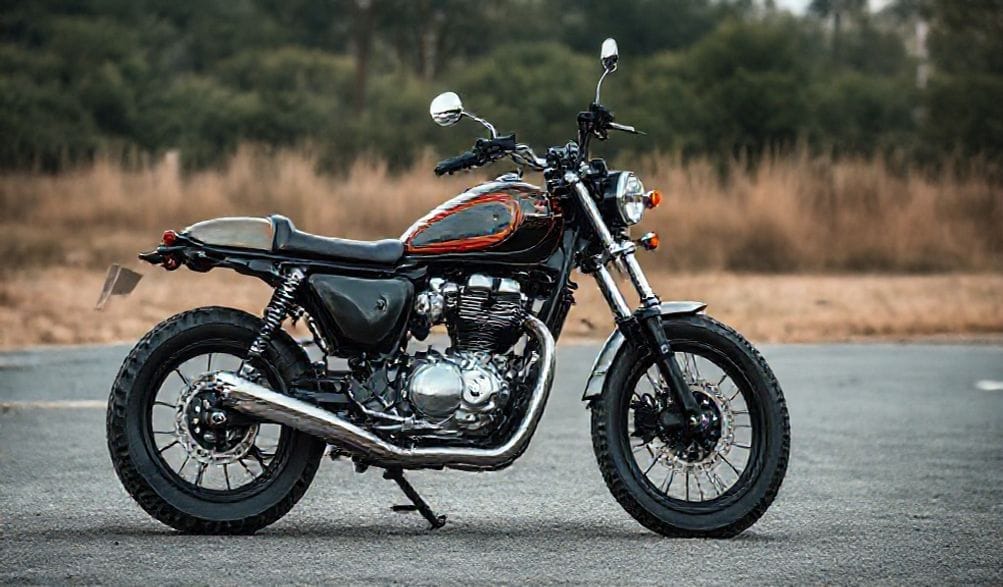
The Complete Guide to 24V Motorcycles: Power, Performance, and Practicality
The hum of an electric motor is becoming the new soundtrack of urban mobility and family recreation. As cities grow denser and environmental awareness rises, there’s a surging interest in smaller, efficient electric vehicles that offer a perfect blend of fun and function. Stepping into this spotlight is a category often misunderstood: the 24V motorcycle. This guide isn’t about crotch-rockets or adventure touring; it’s about accessible, electric-powered two-wheelers that serve a specific and vital purpose.
When we talk about a “24V motorcycle,” we’re typically referring to electric models powered by a 24-volt battery system. This category predominantly includes electric dirt bikes for kids, lightweight electric scooters or mopeds, and some very entry-level adult e-bikes. The “24V” designation is a key indicator of its performance envelope, placing it squarely in the realm of beginner-friendly, low-speed, and short-range travel. This comprehensive guide is designed to cut through the confusion. We’ll help you understand exactly what a 24V system can and cannot do, explore its ideal use cases, weigh the pros and cons, and provide a clear checklist for making an informed purchase. Our insights are built on technical specifications, manufacturer data, and practical riding experience to ensure you get accurate, trustworthy, and actionable advice.
What is a 24V Motorcycle? Understanding the Power System
At its core, a 24V motorcycle is defined by its electrical architecture. The 24-volt battery pack is the heart of the system, supplying power to an electric motor that drives the wheel. This voltage is a fundamental factor in the vehicle’s character, dictating its potential for speed, torque, and range.
Voltage Explained: What Does 24V Really Mean for Performance?
Think of voltage as the “pressure” pushing electrical current through the system. In simple terms, higher voltage generally allows for more power and higher potential speeds without drawing excessively high current, which can lead to heat and efficiency losses.
To set realistic expectations, let’s place 24V in context:
* 12V Systems: Common in toddler ride-on toys and the smallest beginner bikes. Very low speed (3-5 mph), minimal hill capability.
* 24V Systems: The sweet spot for young riders (approx. ages 6-12) and light-duty scooters. Offers a noticeable step up in performance.
* 36V/48V Systems: The standard for performance e-bikes and many adult e-scooters. Deliver greater speed (20-28+ mph), better hill climbing, and longer range.
* 72V+ Systems: Found in high-performance electric motorcycles and scooters, rivaling or exceeding the acceleration of some gas-powered models.
For a 24V system, you can typically expect:
* Velocidade Máxima: Between 10 to 15 miles per hour under ideal conditions (light rider, flat pavement).
* Hill Climbing: Capable of handling gentle slopes, but will significantly slow down on moderate inclines. Steep hills may be a challenge.
* Rider Weight Limit: Most are designed for riders under 150 pounds, with many kids’ models capping at 100-120 lbs.
Primary Types of 24V Two-Wheelers
The 24V platform manifests in a few distinct vehicle types, each with its own design philosophy:
-
Electric Dirt Bikes for Kids (Ages 6-12): This is the most popular category. These bikes mimic the style of full-size motocross bikes but are scaled down and powered by a 24V battery. Key features include:
- Safety-Centric Design: Adjustable speed limiters (often via a parent key or remote), chain guards, and soft-start mechanisms to prevent jerky acceleration.
- Durable Construction: Steel frames, knobby tires for grass/dirt, and often front suspension to handle bumps.
- Realistic Experience: They provide an authentic “motorcycle” feel, helping kids develop balance and basic riding skills in a controlled manner.
-
Lightweight Electric Scooters/Mopeds: These are designed for older teens and adults for urban transport. A 24V scooter is an entry-level commuter tool, perfect for:
- Last-Mile Commuting: Getting from a train station to the office.
- Campus Transportation: Navigating large university grounds.
- Neighborhood Errands: Quick trips to a local store. They prioritize portability and simplicity over high speed.
-
Entry-Level Adult E-Bikes (Less Common): While most modern e-bikes use 36V or 48V systems, some very basic models or older conversion kits might operate on 24V. These provide minimal pedal assistance and are best suited for very flat terrain.
Key Advantages of Choosing a 24V Motorcycle
Why choose 24V? For its intended audience, it offers a compelling set of benefits that higher-powered options cannot match.
Perfect for Beginners and Young Riders
The manageable power output is the greatest advantage for new riders. The acceleration is gentle enough to prevent intimidation, allowing the rider to focus on fundamental skills like braking, steering, and balance. The lower top speed provides a crucial safety buffer, giving supervisors more time to react and reducing the severity of potential falls.
Cost-Effectiveness and Affordability
24V systems are inherently less expensive than their higher-voltage counterparts. The batteries are smaller and cheaper, and the supporting electronics (controllers, wiring) are less complex. This translates to a lower initial purchase price e more affordable battery replacement costs down the line, which is a significant consideration for a child’s vehicle that may be outgrown in a few years.
Lightweight and Maneuverable Design
Smaller battery packs mean less weight. A lighter vehicle is easier for a child to control, pick up if it tips over, and for a parent to load into a car. This maneuverability builds rider confidence and makes the overall experience less daunting.
Adequação para Casos de Uso Específicos
O sistema de 24V é um mestre em seu domínio. Ele fornece exatamente a potência necessária para seus propósitos de projeto: deslocar-se rapidamente por um quintal plano, passear em ciclovias pavimentadas ou enfrentar trilhas de terra leves. Para um deslocamento curto e em baixa velocidade de um adulto em patinete, em ruas urbanas planas, pode ser perfeitamente adequado, eficiente e sem complicações.
Limitações e Considerações Importantes
Compreender os limites de um sistema de 24V é essencial para evitar decepções e garantir a segurança. Estas não são máquinas de alto desempenho.
Restrições de Desempenho: Velocidade e Autonomia
Ajuste suas expectativas de acordo:
* Velocidade: Como mencionado, 10-15 mph (16-24 km/h) é o limite típico. Ele não acompanhará o tráfego e não se destina ao uso em vias públicas.
* Autonomia: Isso é altamente variável. Com uma única carga, espere 10 a 20 milhas (16 a 32 km) de autonomia para patinetes, ou 45 a 90 minutos de tempo de condução contínua para bicicletas infantis. Fatores que reduzem drasticamente a autonomia incluem peso elevado do piloto, terreno acidentado, condução com frequentes paradas e arrancadas, e uso do modo apenas no acelerador (vs. assistência ao pedal em e-bikes).
Vida Útil da Bateria e Fatores de Carregamento
- Química da Bateria: Muitos modelos de 24V acessíveis usam baterias de Chumbo-Ácido Seladas (SLA). Elas são mais pesadas e têm vida útil mais curta (1-2 anos), mas são baratas. Modelos de maior qualidade apresentam baterias de Íon-Lítio (Li-ion), que são mais leves, duram mais (2-4+ anos) e mantêm a carga melhor, mas custam mais.
- Carregamento: Os tempos de carga completa geralmente variam de 4 a 8 horas. É crucial usar o carregador fornecido pelo fabricante.
- Maximizando a Saúde da Bateria: Evite descarregar totalmente a bateria. Armazene-a em local fresco e seco, e carregue-a periodicamente mesmo durante longos períodos de inatividade (especialmente para SLA).
Limitações de Peso e Idade
Estes não são veículos universais. Exceder a capacidade de peso declarada pelo fabricante é perigoso. Sobrecarrega o quadro, o motor e os freios, levando a falhas prematuras e perda de controle. Como diretriz geral:
* Motos de trilha infantis de 24V são mais indicadas para crianças de 6 a cerca de 10 ou 12 anos,, dependendo do tamanho da criança e da capacidade do modelo específico.
* Um patinete de 24V comercializado para adultos terá um limite de peso maior (ex.: 100 kg), mas terá desempenho mínimo para um piloto nesse peso máximo.
Como Escolher a Motocicleta de 24V Certa: Uma Lista de Verificação do Comprador
Navegar pelo mercado requer uma abordagem focada. Use esta lista de verificação para encontrar a combinação perfeita.
Combine o Veículo com as Necessidades e Habilidades do Piloto
Primeiro, defina a missão principal.
* É para a primeira bicicleta “de verdade” de uma criança? Priorize recursos de segurança (limitador de velocidade, opção de rodinhas de apoio), durabilidade e uma marca respeitável com bom suporte.
* É para um deslocamento urbano curto de um adolescente ou adulto? Procure portabilidade (mecanismo de dobragem), conformidade legal (luzes, refletores) e depoimentos sobre autonomia no mundo real.
Pergunte: Onde será usado 90% do tempo? Qual é o nível de habilidade atual do piloto?
Especificações Críticas para Comparar
Vá além do rótulo “24V” e investigue estes detalhes:
1. Potência do Motor (Watts): Isto é tão importante quanto a voltagem. Um sistema de 24V com um motor de 350W terá mais torque e melhor capacidade em subidas do que um com um motor de 250W..
2. Tipo de Bateria e Ampère-Hora (Ah): Íon-Lítio (Li-ion) é superior ao Chumbo-Ácido Selado (SLA) em quase todos os aspectos, exceto no custo inicial. A classificação em Ampère-hora (Ah) indica a capacidade. Uma bateria de 24V 10Ah tem mais energia (e, portanto, autonomia potencial) do que uma bateria de 24V 7Ah.
3. Qualidade de Construção e Recursos de Segurança:
* Freios: Freios a disco oferecem mais poder de frenagem consistente do que freios a contrapedal baratos, especialmente importante para velocidades um pouco mais altas.
* Suspensão: A suspensão dianteira melhora o conforto e o controle em superfícies irregulares.
* Quadro: O aço é padrão e durável. Verifique as soldas e o acabamento geral.
4. Capacidade de Peso e Ajustabilidade: Certifique-se de que o piloto se encaixa confortavelmente dentro dos limites. Para crianças, uma altura de banco ajustável pode estender a vida útil da bicicleta.
Reputação da Marca, Garantia e Disponibilidade de Peças
Isto é crítico para a satisfação a longo prazo. Escolha marcas estabelecidas com canais de atendimento ao cliente claros. Uma garantia de um ano é padrão. Antes de comprar, pergunte: As baterias, pneus e carregadores de reposição estão prontamente disponíveis para compra? Um modelo barato e sem marca pode se tornar um inútil peso de papel se uma peça crítica falhar e não puder ser substituída. Always check verified customer reviews and professional ratings to gauge real-world reliability and support.
Maintenance and Safety Tips for 24V Riders
Proper care ensures longevity and, most importantly, safety.
Essential Maintenance Routine
- Cuidados com a Bateria: Follow charging instructions precisely. Keep terminals clean and corrosion-free. For SLA batteries, use a maintenance charger during off-seasons.
- Pressão dos Pneus: Check regularly. Under-inflated tires reduce range and make handling sluggish.
- Mechanical Check: Periodically inspect and tighten bolts (especially on handlebars, wheels, and axles). Lubricate the chain on dirt bikes as per the manual.
- Limpeza: Wipe down the bike after off-road use. Avoid direct high-pressure water spray on electrical components.
Non-Negotiable Safety Gear
This is not optional. Every rider must wear:
* Uma versão DOT-certified helmet that fits properly.
* Gloves, knee pads, e elbow pads (especially for off-road riding).
* Sturdy, closed-toe shoes (never sandals).
* For scooter riders, high-visibility clothing and ensuring all built-in lights and reflectors are functional is crucial.
Safe Riding Practices
- Supervision is Key: Children should always ride under adult supervision in a controlled, traffic-free environment.
- Know the Terrain: Start on flat, open pavement or grass before venturing onto trails.
- Obey Local Laws: Understand how your local jurisdiction classifies your electric vehicle. Most kids’ bikes are for private property only. Scooter riders must follow bicycle or pedestrian laws as applicable.
Seção de Perguntas Frequentes
Q1: How fast does a 24V motorcycle go?
A: Typically between 10 and 15 miles per hour under optimal conditions (light rider, flat ground). Heavier riders or uphill travel will reduce this speed.
Q2: How long does the battery last on a single charge?
A: Expect 45 to 90 minutes of continuous ride time for a kids’ dirt bike, or a range of 10 to 20 miles for a commuter scooter. Actual results depend heavily on rider weight, terrain, and use of throttle.
Q3: Can an adult ride a 24V motorcycle?
A: Most 24V “motorcycles” (dirt bikes) are designed for children. However, some 24V electric scooters and mopeds are built to accommodate adults within a specific weight limit (e.g., up to 220 lbs). Be aware that performance—especially acceleration and hill climbing—will be modest.
Q4: What’s the difference between a 24V and a 36V electric bike?
A: A 36V system provides more power. This translates to higher top speed (often 20+ mph), significantly better hill-climbing ability, and usually a longer range. The trade-off is a higher purchase price, increased weight, and for young riders, potentially too much power for safe learning.
Q5: Are 24V motorcycles street-legal?
A: This varies drastically by location. Most children’s 24V dirt bikes are não são legais para ruas and are intended for private property use. Some 24V scooters may qualify as “low-speed electric bicycles” if they have functional pedals, a motor under 750W, and a top speed under 20 mph (check your specific laws). You must consult your own local and state vehicle codes for definitive classification and rules.
Conclusão
The 24V motorcycle occupies a unique and valuable niche in the world of electric two-wheelers. It is not a compromise, but a purpose-built tool: an exceptional platform for introducing young riders to the joys and responsibilities of motorized biking, and a practical, efficient solution for specific, low-speed adult commuting needs. The key to satisfaction lies in aligning your expectations with the system’s inherent capabilities.
Prioritize safety, proper sizing, and quality construction over the allure of more power, especially for beginners. For the young rider who masters their 24V bike, the natural and exciting progression is to a higher-voltage electric model (36V, 48V) or a traditional gas-powered youth bike. For the adult commuter, if needs evolve, the market offers a vast array of more powerful e-scooters and e-bikes.
We encourage a philosophy of responsible riding and continuous learning. Whether for a child’s first lap around the yard or a short trip to the market, understanding your vehicle’s strengths and limits is the foundation of a safe and enjoyable experience. Ride smart, gear up, and enjoy the electric ride.
METADATA_START—
DISPLAY_TITLE: The Complete Guide to 24V Motorcycles: Power, Performance & Buying Tips
SEO_TITLE: 24V Motorcycle Guide: Electric Dirt Bikes, Scooters & What to Know | 2024
META_DESC: Thinking of a 24V motorcycle? Our complete guide covers electric kids’ dirt bikes, scooters, performance specs, pros/cons, and key buying tips. Find the right model.
IMG_PROMPT: A dynamic, well-lit photo of a child in full safety gear (helmet, pads) confidently riding a red 24V electric dirt bike on a grassy field, with a parent watching nearby. In the background, a lightweight adult electric scooter leans against a fence.
—METADATA_END—