
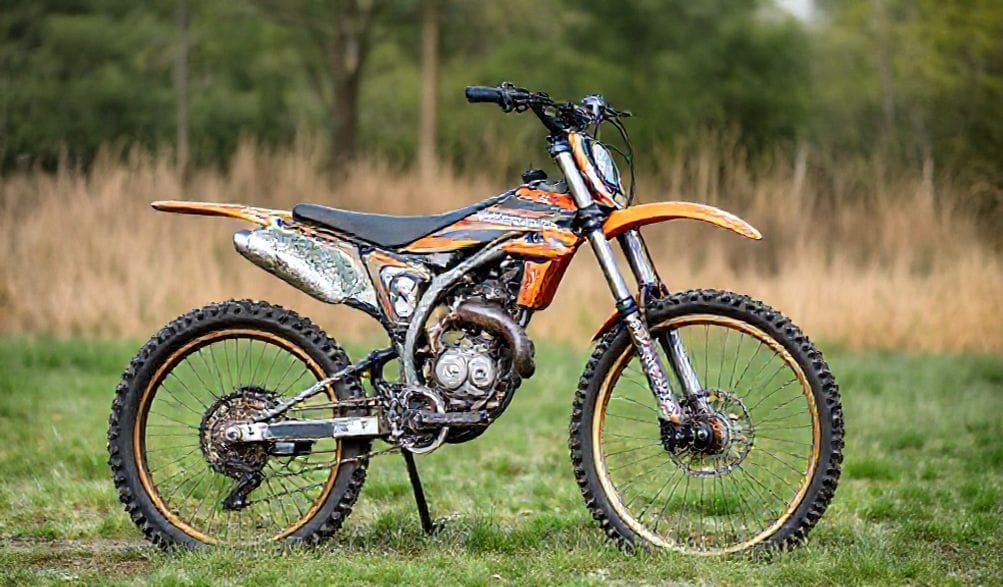
The Ultimate Guide to Dirt Bike Bicycles for Adults: Adventure Awaits
Remember the unbridled freedom of riding a bike as a kid? The wind in your face, the world blurring past, and the sheer joy of exploring beyond your driveway. What if you could recapture that primal thrill, but amplified with modern technology, greater capability, and the strength of an adult? That exhilarating feeling isn’t locked in the past—it’s waiting for you on a trail, just a pedal stroke away on an adult dirt bike bicycle.
As someone who has spent years exploring everything from smooth forest paths to rugged mountain descents, and reviewing countless pieces of off-road gear, I understand the mix of excitement and confusion that comes with re-entering this world. The term “dirt bike bicycle” gets thrown around, often leading to more questions than answers. Is it a motorcycle? A kid’s toy? Something in between?
This guide is here to demystify it all. We’ll clearly define what an adult dirt bike bicycle is, explore the different types tailored for various adventures, and break down the key features you need to understand. Whether you’re researching, comparing models, or seriously considering a purchase, this comprehensive resource will equip you to choose the perfect bike for your skill level, local terrain, and spirit of adventure. Let’s get you ready for a safe and exhilarating return to the dirt.
What is a Dirt Bike Bicycle? Clarifying the Terminology
First things first: let’s clear up the terminology. When most people hear “dirt bike,” they picture a motorized, gas-powered motorcycle built for off-road racing and jumps. The “dirt bike bicycle” is a different, human-powered beast, and understanding this distinction is crucial.
Dirt Bike Bicycle vs. Motorized Dirt Bike
The fundamental difference is the power source. A motorized dirt bike (an motocicleta off-road) uses an internal combustion engine. It requires fuel, regular mechanical maintenance, licensing, registration, and often specific safety gear like motocross boots and body armor. The skillset involves managing a clutch, throttle, and significant weight and power.
A dirt bike bicycle is, at its core, a specialized bicycle. It’s powered by you—your legs, your lungs, and your will. It requires no license, can be ridden on most public trails (where bicycles are permitted), and offers a more accessible, fitness-oriented, and often more community-driven entry into off-road riding. The thrill comes from conquering terrain under your own power, not from raw engine speed.
Core Characteristics of an Adult Off-Road Bike
So, what makes a bicycle qualify as a “dirt bike” for adults? It’s not just any two-wheeler with knobby tires. These machines are engineered for the demands of unpaved terrain:
- Adult-Specific Geometry & Sizing: These bikes come in frame sizes measured in inches or centimeters (e.g., S, M, L, XL) designed to fit adult proportions, ensuring a comfortable, efficient, and controlled riding position.
- Rugged Construction: They are built tougher than road or hybrid bikes, with reinforced frames, stronger wheels, and components that can withstand bumps, jumps, and vibrations.
- Pneus com Cravos: The tires feature an aggressive, raised tread pattern designed to dig into loose dirt, mud, gravel, and rock, providing the essential traction needed off-road.
- Advanced Suspension Systems: Most feature either a front suspension fork (hardtail) or both front and rear suspension (full-suspension) to absorb impacts, keep the wheels in contact with the ground, and save your body from fatigue.
In short, an adult dirt bike bicycle is a purpose-built off-road bicycle designed to handle trails, mountains, gravel paths, and everything in between.
Types of Adult Dirt Bike Bicycles: Finding Your Perfect Match
The term “dirt bike bicycle” is a broad colloquialism that typically refers to several specific categories of off-road bicycles. Your ideal ride depends entirely on where and how you want to explore.
Mountain Bikes (MTB): The All-Round Off-Roaders
This is likely what you’re picturing. Mountain bikes are the quintessential dirt bike bicycles, designed specifically for technical, unpaved trails. They come in two primary flavors:
- Hardtail: Features a suspension fork in the front but a rigid frame in the rear. They are generally lighter, more efficient for pedaling, simpler to maintain, and more affordable. Perfect for smoother trails, cross-country riding, and riders who prioritize climbing efficiency.
- Full-Suspension (Dual Suspension): Has both front and rear shock absorbers. This design offers superior control, traction, and comfort on rough, rocky, and steep downhill terrain. It’s the choice for aggressive trail riding and downhill parks, though often at a higher cost and weight.
Within these categories, you’ll find further specializations like nimble Cross-Country (XC) bikes, versatile Trail bikes, and burly Downhill machines.
Gravel Bikes: Adventure on Mixed Surfaces
Think of the gravel bike as the adventure-touring cousin of the mountain bike. It blends the drop handlebars and efficient geometry of a road bike with the clearance and stability for wider, knobby tires. Key characteristics include:
- A more relaxed, upright geometry than a road bike for all-day comfort.
- Ample tire clearance for 40mm+ wide tires that handle dirt roads, gravel paths, and rough pavement with ease.
- Mounting points for racks, bags, and bottles, making them ideal for bikepacking and long-distance exploration on mixed surfaces.
If your adventure dreams involve covering vast distances on a mix of pavement, hard-packed dirt, and gravel roads, this is your category.
Dirt Jump and BMX Bikes: For the Park and Pump Track
Built for air, agility, and tricks, these bikes are specialized tools for sculpted terrain.
- Dirt Jump Bikes: Typically have 26″ wheels, a simple single-speed drivetrain, a robust frame, and strong brakes. They are designed for launching off dirt jumps, riding in pump tracks, and performing tricks.
- BMX Bikes: The classic 20″ wheeled bikes built for skateparks, vert ramps, and street riding. They are incredibly strong, agile, and responsive.
These are less about “trail exploration” and more about skill development, play, and progression in a controlled environment.
Key Features to Consider When Choosing Your Bike
Once you’ve narrowed down the type, understanding these core components will help you compare specific models and find the best value.
Frame Material: Aluminum, Carbon Fiber, or Steel?
- Aluminum: The most common material. It offers an excellent blend of light weight, stiffness, durability, and affordability. It provides a responsive, sometimes slightly harsh, ride feel.
- Carbon Fiber: High-end material known for being extremely light and stiff. Engineers can also “tune” it to absorb vibrations, offering a smoother ride. The primary drawback is cost, and it can be more vulnerable to sharp impacts.
- Steel: Known for its smooth, compliant ride quality that dampens trail chatter. Modern steel alloys are surprisingly light and incredibly durable. It’s often found on boutique, adventure-oriented frames and is beloved for its classic feel and repairability.
Suspension: Hardtail vs. Full-Suspension (Dual Suspension)
This is a major decision point for mountain bikers.
- Hardtail (Front Suspension Only): More efficient for pedaling, as less energy is lost to rear suspension bobbing. They are simpler, lighter, and cheaper. They excel on less technical terrain and teach you vital bike-handling skills.
- Full-Suspension: Provides more control, traction, and confidence on rough, steep, and technical trails. The rear suspension soaks up impacts, reducing fatigue and allowing you to ride more challenging terrain for longer. Consider the suspension travel (measured in mm): more travel (e.g., 150-200mm) is for aggressive downhill; less travel (100-130mm) is for efficient trail riding.
Wheel Size: 27.5″, 29″, or Mixed?
- 29ers (29″ wheels): Roll over obstacles more easily, maintain momentum better, and offer more stability at speed. They can feel slightly less agile in tight corners.
- 27.5″ (650b) wheels: Offer a more playful, agile feel. They accelerate quicker and can feel more maneuverable on technical, twisty trails. They are a great middle-ground choice.
- Mixed (Mullet): A 29″ wheel in the front for rollover and a 27.5″ in the rear for agility and maneuverability, popular in downhill and aggressive trail bikes.
Gearing and Brakes: Control is Everything
- Gearing: Modern off-road bikes overwhelmingly use 1x (pronounced “one-by”) drivetrains. A single chainring up front paired with a wide-range cassette (e.g., 11-50 teeth) in the rear simplifies shifting, reduces weight, and eliminates the risk of dropping the chain. It provides all the gear range you need for climbing and descending.
- Freios: O motor e a bateria recebem as manchetes, mas a qualidade dos componentes tradicionais da bicicleta dita a segurança, confiabilidade e qualidade do passeio. are the undisputed standard and a must for serious off-road riding. They offer powerful, consistent, and modulated stopping power with minimal hand effort, and they self-adjust as the pads wear. Mechanical disc brakes are a budget option but require more manual adjustment and offer less consistent power.
Getting Started: Safety, Gear, and First Rides
The right bike is only part of the equation. Preparing properly ensures your adventures are fun, not frightening.
Essential Safety Gear for Adult Riders (Non-Negotiable)
As an experienced rider, I cannot overstate this: never compromise on safety gear. It’s your primary protection.
- Capacete: Get a proper mountain bike-specific helmet. They offer more coverage at the back of the head than road helmets. Consider a MIPS-equipped model for added protection against rotational forces.
- Luvas: Protect your palms in a fall, improve grip, and absorb handlebar vibration.
- Proteção Ocular: Sunglasses or clear lenses keep dust, bugs, and branches out of your eyes.
- Appropriate Footwear: Stiff-soled, flat shoes (like MTB-specific shoes or skate shoes) provide a stable platform on flat pedals. Clipless pedals and shoes offer more efficiency for experienced riders.
- Padded Shorts (Liners or Baggy): A quality chamois pad drastically increases comfort on longer rides.
Finding Trails and Riding Etiquette
- Finding Trails: Use apps like Trailforks ou MTB Project. Visit your Local Bike Shop (LBS)—they are hubs of local knowledge. Look for local cycling clubs or Facebook groups.
- Trail Etiquette: This is how we keep trails open and everyone happy.
- Yield Appropriately: Generally, uphill riders have the right of way. Yield to hikers and equestrians.
- Control Your Speed: Always ride at a speed where you can stop safely within your line of sight.
- Leave No Trace: Don’t litter, don’t skid (it causes erosion), and stay on designated trails.
- Be Friendly! A smile and a “hello” go a long way.
Basic Maintenance Tips for Longevity
A little care prevents big repairs. Make this part of your routine:
- Clean Your Bike: After muddy rides, rinse off dirt with a low-pressure hose (avoid direct spray at bearings). A clean bike performs better and lasts longer.
- Check Tire Pressure: Use a floor pump before every ride. Proper pressure (a range found on the tire sidewall) is critical for traction and preventing flats.
- Lubricate the Chain: Apply bicycle-specific chain lube regularly, wiping off excess to avoid attracting dirt.
- Pre-Ride Safety Check (ABC Quick Check):
- Air: Tires properly inflated?
- Brakes: Squeeze levers—do they engage firmly?
- Chain & Gears: Is the chain lubricated? Do the gears shift smoothly?
- Liberações Rápidas: As rodas e o canote do selim estão firmemente fixados?
FAQ: Suas Perguntas sobre Bicicletas de Dirt Bike Respondidas
Q1: Qual é um bom orçamento para uma bicicleta de dirt bike adulta de qualidade?
A: Você pode encontrar bicicletas de montanha hardtail de nível básico de marcas conceituadas a partir de cerca de $500-$800. Isso lhe proporciona uma bicicleta durável e funcional para começar. Uma bicicleta de médio porte (R$ 1.500-R$ 3.000) oferece melhorias significativas em componentes, suspensão e desempenho geral. Bicicletas de alta gama (R$ 3.500+) apresentam materiais de primeira linha, como fibra de carbono, e componentes de nível profissional. O melhor custo-benefício geralmente está na faixa intermediária.
Q2: Posso usar uma bicicleta de montanha comum como uma dirt bike?
A: Sim, absolutamente. “Bicicleta de montanha” é o termo técnico correto. “Bicicleta de dirt bike” é frequentemente um termo de busca coloquial usado por iniciantes para descrever o que a indústria do ciclismo chama de bicicleta de montanha ou bicicleta off-road.
Q3: Como determino o tamanho de quadro certo para mim?
A: Comece sempre com a tabela de tamanhos do fabricante, que correlaciona sua altura a um tamanho de quadro (P, M, G, etc.). No entanto, este é um ponto de partida. O passo mais importante é visitar uma Loja de Bicicletas Local (LBS). Um ajuste profissional garante que a bicicleta seja configurada para suas proporções corporais únicas, prevenindo desconforto e lesões.
Q4: É tarde demais para começar a andar off-road na idade adulta?
A: Absolutamente não! Este é um dos aspectos mais gratificantes do esporte. A comunidade do mountain bike está cheia de pessoas que o descobriram aos 30, 40, 50 anos e além. Comece em trilhas fáceis e fluidas, foque em se divertir em vez de na velocidade, ouça seu corpo e progrida no seu próprio ritmo. Trata-se da aventura, não do pódio.
Q5: Onde devo comprar minha primeira bicicleta?
A: Para sua primeira bicicleta off-road séria, eu recomendo fortemente apoiar sua Local Bike Shop (LBS). Os benefícios são imensos: aconselhamento especializado, montagem profissional, ajuste adequado, suporte de serviço contínuo e uma conexão com a comunidade local de ciclismo. Embora as marcas online diretas ao consumidor possam oferecer ótimas especificações pelo preço, elas pressupõem um nível de conhecimento de montagem e mecânica que um iniciante pode não ter.
Conclusão
Escolher sua bicicleta de dirt bike ideal — seja uma ágil bicicleta de montanha hardtail, uma robusta bicicleta full-suspension ou uma bicicleta gravel pronta para aventura — resume-se a combinar uma máquina com seus sonhos pessoais. Trata-se de conectar seu nível de condicionamento físico, seu apetite por aventura e o caráter do terreno local com a ferramenta de duas rodas certa.
O caminho a seguir é claro. Pegue o conhecimento deste guia, visite sua loja de bicicletas especializada local e converse com os especialistas de lá. Se possível, faça um test ride em alguns modelos diferentes. Sinta como eles se comportam. A comunidade das trilhas é notoriamente acolhedora, e sua próxima grande aventura — aquela que reacende aquela sensação infantil de liberdade e descoberta — está esperando, a apenas uma pedalada de distância.
Que tipo de terreno você está mais animado para explorar com sua nova bicicleta? Conte para nós nos comentários abaixo!
METADATA_START—
DISPLAY_TITLE: O Guia Definitivo para Bicicletas de Dirt Bike para Adultos: Encontre Sua Aventura Off-Road
SEO_TITLE: Bicicleta de Dirt Bike para Adultos: Guia de Compra 2024 e Como Escolher
META_DESC: Confuso sobre “bicicletas de dirt bike para adultos”? Nosso guia definitivo explica os tipos (MTB, Gravel, BMX), características-chave e como escolher a bicicleta off-road perfeita para sua aventura. Comece a pedalar hoje!
IMG_PROMPT: Uma foto dinâmica e profissional de um ciclista adulto em uma bicicleta de montanha moderna, no meio de uma trilha de terra na floresta. O ciclista está usando capacete e equipamento de segurança, capturado em ação com poeira sendo levantada pelos pneus cravados. A cena transmite aventura, capacidade e acessibilidade.
—METADATA_END—