
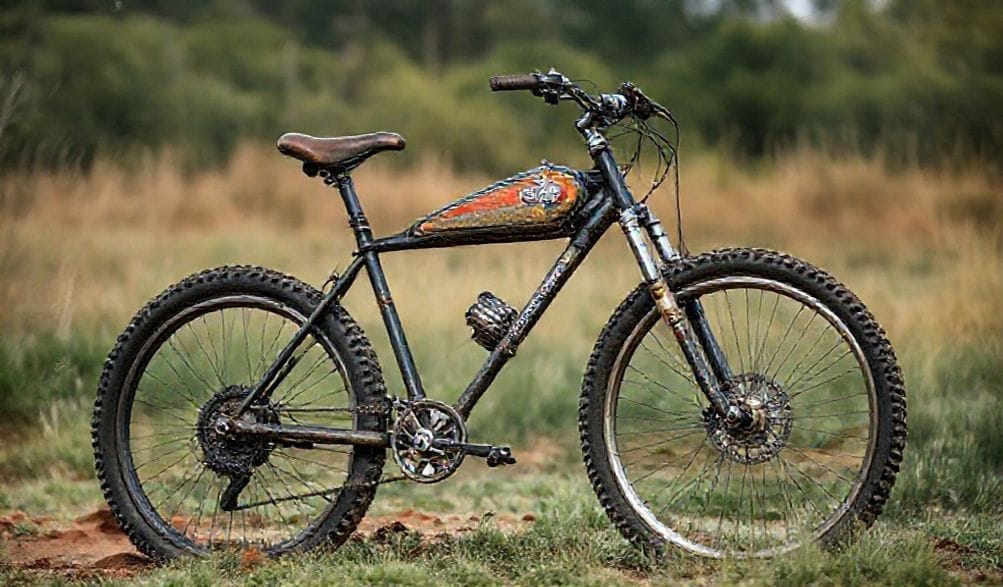
Top Dirt Bike Brands & Names: Your Guide to Off-Road Motorcycle Manufacturers
Navigating the world of off-road motorcycles can be overwhelming. With a sea of manufacturers, cryptic model names, and passionate brand loyalists, choosing your next (or first) dirt bike is a significant decision. Whether you’re a seasoned rider eyeing a new race weapon or a beginner looking for a trustworthy trail companion, understanding the key players is crucial. This guide is built on years of hands-on experience in the powersports industry, thorough research into manufacturer histories and specifications, and a genuine desire to help you cut through the marketing jargon. We’ll provide clear, reliable information about the major dirt bicycle brands, their popular models, and what makes each unique, so you can make an informed choice and find the perfect machine for your riding style.
Understanding the Dirt Bike Landscape: Brands vs. Models
Before diving into specific names, it’s essential to grasp the difference between a brand and a model, and why both matter.
What’s in a Name? Brand Reputation and Heritage
A manufacturer’s name carries weight. It’s a shorthand for decades of engineering philosophy, racing success, and cultural identity. This heritage directly influences the bike you’ll buy.
- The Japanese “Big Four” (Honda, Yamaha, Kawasaki, Suzuki) are synonymous with precision manufacturing, relentless reliability, and mass-market appeal. Their dominance since the 1970s created a paradigm of durable, user-friendly motorcycles that are often the default choice for millions. Their reputation for lower maintenance costs and widespread parts availability is a cornerstone of their identity.
- European Specialists (KTM, Husqvarna, etc.) built their legacy on competition and specialization. Often emerging from niche markets like trials or hard enduro, these brands cultivated an image of high-performance, cutting-edge technology, and race-ready components. They prioritize winning championships, which trickles down to their consumer models.
Choosing a brand often means choosing a culture. Do you value bulletproof reliability and ease of ownership, or are you willing to trade some maintenance intervals for the latest performance edge? The brand’s history points the way.
Decoding Model Names and Designations
Model names aren’t random. They follow codes that tell you exactly what you’re looking at. Understanding this alphabet soup is your first step to speaking the language.
- Engine Size: The number is almost always the engine displacement in cubic centimeters (cc). A YZ250 has a 250cc engine. A CRF450R has a 450cc engine.
- Model Series/Type: The letters indicate the bike’s lineage and purpose.
- CR, YZ, KX, RM: The classic prefixes for motocross models (Honda CR, Yamaha YZ, Kawasaki KX, Suzuki RM).
- CRF, WR, KLX, DR: Typically denote four-stroke, off-road, or trail-focused models (Honda CRF, Yamaha WR, Kawasaki KLX, Suzuki DR).
- XC, XC-W, EX, FE: European enduro and cross-country designations (KTM XC-W, Husqvarna FE).
- SX, FC: European motocross models (KTM SX, Husqvarna FC).
- Suffix Letters: These are critical.
- “R”: Usually means Corrida or high-performance (e.g., CRF450R = competition motocross bike).
- “F”: Frequentemente denota Quatro-tempos or a family-friendly trail bike (e.g., CRF250F).
- “L”: Can mean street-legal or “Dual-Sport” (e.g., CRF300L).
- “X”: Often a cross-country or more aggressive trail model (e.g., KTM 300 XC).
Cracking this code lets you look at a model name like “Kawasaki KX450” and instantly know it’s a 450cc four-stroke motocross bike, or see “Beta 300 RR” and understand it’s a 300cc two-stroke enduro race bike.
Major Dirt Bike Manufacturers: The Core Brands
Japanese Powerhouses: Honda, Yamaha, Kawasaki, Suzuki
These titans form the backbone of the global dirt bike market, offering something for nearly every rider.
-
Honda: The gold standard for reliability and innovation. Honda’s philosophy centers on engineering refinement and broad accessibility. They revolutionized the industry with the four-stroke CRF450R and continue to innovate with features like a dual-clutch transmission (DCT) in their trail bikes. Their CRF series spans from the tiny CRF50F for kids to the championship-winning CRF450R. For beginners and trail riders, the CRF-F line (CRF125F, 250F) is arguably the best starting point in motorcycling, known for being nearly indestructible and easy to ride.
-
Yamaha: Synonymous with balanced performance and exceptional engineering. Yamaha consistently delivers bikes with great handling, strong engines, and top-tier suspension (through their long-standing partnership with KYB). The YZ line, particularly the YZ250F and YZ450F, are perennial front-runners in motocross. For the off-road rider, the WR series offers race-bred performance in a street-legal enduro package. Yamaha’s build quality and predictable power delivery make them a favorite for riders who want performance without excessive maintenance drama.
-
Kawasaki: The brand of aggressive, raw power. Kawasaki’s “Let the good times roll” ethos translates into motorcycles that are often described as having the most potent engines in their class. The KX motocross line, especially the KX450, is a beast focused on outright horsepower and winning holeshots. Their trail-oriented A série series provides a more docile, user-friendly option, with the KLX230R and KLX300R being fantastic choices for recreational single-track.
-
Suzuki: The storied innovator with deep racing roots. Suzuki introduced game-changers like the first modern aluminum frame on the RM250. While their model lineup has narrowed in recent years, their remaining bikes are highly competitive. The RM-Z series motocross bikes are known for their smooth, controllable power and excellent cornering manners. Suzuki often represents incredible value, offering championship-level components at a competitive price point.
European Specialists: KTM, Husqvarna, GasGas, Beta, Sherco
This group dominates the conversation in hard enduro, technical off-road, and increasingly, motocross.
-
KTM: The “Ready to Race” mantra is no slogan; it’s their DNA. Austrian-owned KTM is a competitive juggernaut, winning countless off-road world championships. They are famous for their aggressive use of lightweight materials (chromoly steel frames, composite subframes), premium WP suspension, and powerful, tractable engines. Their model range is vast, with dedicated lines for motocross (SX), cross-country (XC), and enduro (XC-W/EXC). KTM’s commitment to two-stroke technology has also kept the beloved smoker alive and highly advanced.
-
Husqvarna: Swedish heritage meets Austrian technology. Now under the same Pierer Mobility Group as KTM, Husqvarna shares engines and chassis but differentiates itself with premium touches: a composite carbon fiber subframe, distinctive white/blue/yellow styling, Magura hydraulic clutch, and ProTaper handlebars as standard. The riding feel is subtly different—often described as slightly smoother and more planted—catering to riders who want top-tier performance with a distinct, premium aesthetic. Their FC (motocross) e FE (enduro) lines are direct competitors to KTM’s best.
-
GasGas: A enteada ruiva que se tornou campeã. Originalmente uma lendária marca espanhola de trial, a GasGas foi totalmente integrada ao Grupo KTM e renasceu como um terceiro pilar de performance. As motos GasGas são essencialmente modelos KTM e Husqvarna com libré vermelha, com diferenças de especificação muito pequenas (frequentemente uma mola de garfos convencional vs. garfo a ar). Elas oferecem a mesma performance de ponta a um preço ligeiramente mais acessível, tornando a performance europeia de alta gama mais alcançável.
-
Beta & Sherco: The niche masters. These Italian and French (respectively) brands are giants in the trials world and have successfully expanded into full-size enduro bikes. They are known for exceptional craftsmanship, nimble handling, and a more “analog,” rider-focused feel. Beta’s RR series and Sherco’s SEF e SC da Sherco são favoritos entre pilotos sérios de trilha técnica e enduro que querem algo diferente da corrente principal austríaca. Elas oferecem uma combinação convincente de estilo italiano e capacidade para hard-enduro.
Outras Marcas Notáveis
- Orgulho Americano & Elétricas: Embora as marcas americanas tradicionais de motos de terra tenham desaparecido, a divisão LiveWire da Harley-Davidson sugere um futuro elétrico. A verdadeira ação está com os dedicados pioneiros elétricos. Marcas como Zero Motorcycles (com seus modelos duais DS e FX) e marcas emergentes puramente off-road como Sur-Ron e Talaria estão criando uma nova categoria. Estas motos oferecem torque instantâneo, operação silenciosa e manutenção mínima, representando um segmento fascinante e crescente da dirt bicycle brands landscape.
Escolhendo a Marca de Moto de Terra Certa para as Suas Necessidades
The “best” brand doesn’t exist in a vacuum. It’s entirely dependent on what you want to do.
Motocross & Supercross: Marcas Construídas para a Pista
Para competição em circuito fechado, você precisa de uma arma especializada.
* Marcas-Chave: KTM/Husqvarna/GasGas, Yamaha, Honda, Kawasaki, Suzuki.
* Considerações: As motos de motocross modernas são incrivelmente próximas em performance. A escolha muitas vezes resume-se ao caráter do motor (Yamaha’s linear pull vs. Kawasaki’s explosive hit) and sensação da suspensão (KYB na Yamaha/Suzuki vs. WP nas austríacas vs. Showa na Honda/Kawasaki). A KTM tem dominado os pódios profissionais recentemente, mas Yamaha e Honda apresentam consistentemente motos vencedoras. Para amadores, qualquer moto MX moderna destas marcas é mais capaz do que 99% dos pilotos.
Trilha & Enduro: Confiabilidade e Versatilidade
Aqui, a moto deve ser uma parceira confiável e versátil para longos dias em terrenos variados.
* Marcas-Chave: Honda (CRF-F, X), Yamaha (WR), Kawasaki (KLX), KTM/Husqvarna/GasGas (XC-W, FE, EC), Beta, Sherco.
* Considerações: Procure características como transmissões de relação ampla tanto para rastejar devagar quanto para estradas de terra rápidas, partida elétrica, , cavaletes, iluminação (para modelos de enduro/homologados para rua), e suspensão mais macia e complacente. As motos de trilha japonesas (CRF250F, KLX300R) priorizam confiabilidade e facilidade de uso. Os modelos europeus de enduro são essencialmente motos de corrida destonadas com luzes, oferecendo performance incomparável para trilhas agressivas e pilotagem técnica.
Para Iniciantes e Pilotos Mais Jovens: Opções Amigáveis para Iniciantes
O objetivo aqui é segurança, confiança e diversão. Potência administrável é primordial.
* Marcas-Chave: Honda, Yamaha, Kawasaki.
* Melhores Escolhas: A Honda CRF50F, CRF110F, e CRF125F são as motos iniciantes por excelência, famosas por suas embreagens automáticas, bancos baixos e simplicidade à prova de balas. A série PW50 e TT-R series (TT-R110, TT-R125) offer similar beginner-friendly traits. Kawasaki’s KLX110 da Kawasaki é outra opção fantástica. Estas motos têm potência modesta, manuseio tolerante e são construídas para sobreviver ao processo de aprendizagem (e às quedas inevitáveis). Começar numa moto de tamanho apropriado destas marcas confiáveis é o melhor conselho para um novo piloto.
Além da Marca: Fatores Críticos na Sua Compra
O emblema do fabricante é apenas o começo. Estas considerações práticas são frequentemente os fatores decisivos.
Nova vs. Usada: Avaliando Sua Primeira Moto de Terra
- Prós da Moto Nova: Garantia completa, tecnologia mais recente, histórico de manutenção conhecido, suporte da concessionária e aquele sentimento imbatível. Desvantagens: Contras da Moto Nova:.
- Depreciação significativa no momento em que sai da loja, custo inicial mais alto. Prós da Moto Usada:. Desvantagens: Custo de entrada muito menor, depreciação mais lenta e a chance de obter um modelo de alta gama dentro do seu orçamento.
For a first bike, a well-maintained, lightly used model from a reliable brand is often the smartest financial move. For a serious racer or someone who wants peace of mind, buying new is worth the premium.
The Importance of Local Dealer Support and Parts Availability
A great bike is frustrating if you can’t get parts or service. Before committing to a brand:
1. Locate your nearest dealers. How far is the nearest KTM or Beta dealer vs. the Honda shop?
2. Assess their reputation. Are they known for good service? Do they stock common wear parts (levers, tires, filters)?
3. Consider online parts availability. Japanese brand parts are ubiquitous online. Some niche European brand parts may have longer lead times.
Your local dealer network can make or break your ownership experience.
Maintenance & Cost of Ownership: What to Expect by Brand
Be honest about your willingness to wrench.
* Japanese Trail Bikes (CRF-F, TT-R, KLX): The low-maintenance kings. Oil changes and air filter cleaning are the primary tasks. Valve checks are infrequent. Parts are inexpensive and everywhere.
* Japanese Motocross & Performance Bikes (CRF-R, YZ, KX, RM-Z): Require more attentive, race-oriented maintenance. Oil changes are frequent, valve checks more regular, and suspension servicing is critical for performance. Still, parts are affordable.
* European Bikes (KTM, Husqvarna, Beta, etc.): Are high-performance machines. They often have shorter recommended oil change intervals and require more meticulous maintenance to perform at their peak. Premium components (WP suspension, Magura clutches) can be costlier to repair. The trade-off is accessing the highest level of off-road performance available.
Perguntas Frequentes (FAQ)
Q: What is the most reliable dirt bike brand?
A: For sheer, legendary durability and lower cost of ownership, Japanese brands—particularly Honda e Yamaha—are historically unmatched. Their trail bikes (CRF-F, TT-R) are famously hard to kill, making them the top recommendation for beginners and casual riders where reliability is paramount.
Q: Which brand is best for motocross racing?
A: KTM, Yamaha, Honda, and Kawasaki are all capable of winning at the professional level. For amateurs, the “best” is highly subjective. KTM has dominated recent pro racing, but many riders prefer the Yamaha YZ for its exceptional suspension and balanced feel. The best choice is the one whose engine power delivery and suspension feel suit your personal riding style.
Q: Are European dirt bikes better than Japanese ones?
A: “Better” is the wrong word. It’s about priorities. European bikes (KTM, Husqvarna) generally lead in high-performance components, cutting-edge technology, and outright competition focus, especially for enduro. Japanese bikes often excel in reliability, smoother power delivery, overall refinement, and value for money. A KTM 300 XC-W is a better hard enduro race bike than a Yamaha WR250F, but the Yamaha is likely a better low-maintenance trail bike for a weekend warrior.
Q: What should I look for in a first dirt bike?
A: 1. Manageable Size/Engine: Err on the side of too small. A 250cc four-stroke trail bike is plenty for most adults. 2. Reliable Brand: Stick with Honda, Yamaha, or Kawasaki for your first bike. 3. Correct Type: Get a trail bike, not a motocross bike. 4. Good Fit: You should be able to touch the ground comfortably with both feet. 5. Suporte Local: Ensure you have a dealer or mechanic nearby.
Q: How important is the model year when buying a dirt bike?
A: For casual trail riding, a well-maintained 5-10 year old bike can be phenomenal value, as core performance hasn’t changed drastically. For motocross or serious competition, newer models (within 1-3 years) benefit from incremental updates. Pay attention to model generations—a bike that received a full frame/engine redesign in 2022 is significantly different from its 2021 version. Research the specific model’s update history.
Conclusão
Choosing a dirt bike is an exciting step into a world of adventure, freedom, and challenge. The journey to find the right one teaches you about engineering, your own ambitions, and the incredible culture of off-road riding. Remember, the best brand for you isn’t necessarily the one winning on TV on Sunday; it’s the one that honestly matches your skill level, riding goals, budget, and willingness to perform maintenance.
From the legendary, set-it-and-forget-it reliability of a Honda CRF to the razor-sharp, race-ready intensity of a KTM, each manufacturer brings a unique philosophy to the dirt. We strongly recommend using this guide as a starting point, then visiting local dealerships to sit on different models. Talk to experienced riders in your area about the terrain you’ll ride. Be honest with yourself about how you’ll use the bike.
Armed with this knowledge of dirt bicycle brands and names, you’re no longer just browsing—you’re making an informed decision. The right bike is out there, waiting to deliver years of dirt-covered grins, challenging climbs, and the pure joy of riding off the beaten path. Now, go find it.
METADATA_START—
DISPLAY_TITLE: Top Dirt Bike Brands & Names: Your Guide to Off-Road Motorcycle Manufacturers
SEO_TITLE: Dirt Bike Brands Guide 2024 | Compare Honda, Yamaha, KTM & More
META_DESC: Confused by dirt bike brands? Our expert guide compares Honda, Yamaha, KTM, Kawasaki, Suzuki, Husqvarna & more. Find the best off-road motorcycle for trail, motocross, or beginners.
IMG_PROMPT: A dynamic, wide-angle photograph of a diverse lineup of modern dirt bikes from major brands (Honda red, Yamaha blue, KTM orange, Kawasaki green) parked on the edge of a scenic forest trail, with one bike slightly pulled forward, suggesting action. The image should be bright, sharp, and inviting, appealing to off-road enthusiasts.
—METADATA_END—