
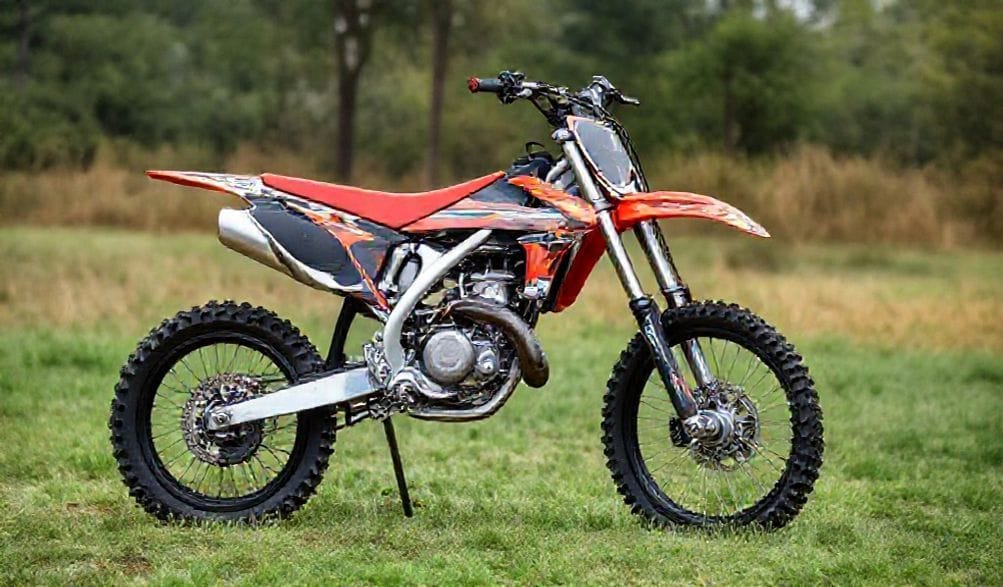
Your Guide to Finding Reliable, Cheap Adult Dirt Bikes (Without the Headaches)
Você consegue sentir—a atração de uma trilha sinuosa na floresta, o aroma intenso de pinheiro no ar, a liberdade pura e inalterada de girar o acelerador. O sonho de dirt biking is powerful, but for many adults, it crashes headfirst into a very real-world barrier: the budget. You’re not looking for a financial pit disguised as a hobby; you want the thrill of the trail without the nightmare of endless repairs and hidden costs.
This guide is for you. It’s written by riders who’ve been in your boots, scouring listings, turning wrenches in garages, and learning the hard way what “cheap” really means in the world of off-road motorcycles. We’re here to cut through the noise. “Cheap” can be a steal on a solid used bike, a savvy choice on a value-focused new model, or a one-way ticket to the mechanic. Our focus isn’t just on the lowest sticker price; it’s on Value, Safety, and Smart Spending.
By the end of this guide, you’ll have a clear roadmap. You’ll know where to look, what to look for, the key features a true adult-sized bike needs, and the critical red flags to run from. This is about empowering you to make a confident, informed purchase that gets you riding, not regretting.
What Does “Cheap” Really Mean for an Adult Dirt Bike? Setting Realistic Expectations
Before you click on a single listing, it’s crucial to reframe your thinking. In the world of motorsports, the purchase price is often the smallest part of the story.
The Price vs. Total Cost of Ownership
That $1,500 bike might seem like a dream, but what condition is it really in? The true cost includes:
* Immediate Needs: Will it need new tires ($200+), a chain and sprocket kit ($150+), or brake pads immediately? What about a battery or fresh fluids?
* Deferred Maintenance: Has the top-end ever been rebuilt? Are the fork seals weeping? These are $500+ repairs waiting to happen.
* The Non-Negotiables: Safety gear—a proper helmet, boots, goggles, gloves—is part of the bike’s cost. So is a basic toolkit, a stand, and transportation.
The golden rule of cheap adult dirt bikes: A slightly higher upfront cost for a well-maintained, ready-to-ride machine almost always saves you significant money and frustration in the long run. Pay a little more now to avoid paying double later.
Defining “Adult-Sized”: Engine Size (cc) and Frame Geometry
This is non-negotiable. A “cheap adult dirt bike” is not a large kids’ bike. An undersized machine is unsafe, uncomfortable, and will kill your enjoyment.
- engine displacement (cc): For a beginner or casual trail rider, a 125cc 4-stroke or 250cc 4-stroke is typically the minimum starting point for an average-sized adult. These provide enough torque and power to move you effectively without being intimidating. More experienced riders will look at 250cc 2-strokes or 450cc 4-strokes.
- Frame & Ergonomics: Seat height, peg-to-seat distance, and handlebar reach must fit an adult frame (generally 5’8″ and up). Sitting on the bike, you should be able to touch the ground with the balls of your feet and move comfortably. A cramped riding position leads to fatigue and poor control.
Where to Find the Best Deals on Used Dirt Bikes (Safely)
The used market is where most budget-friendly gems are found, but it requires a strategic approach.
Trusted Online Marketplaces: Tips for Vetting Sellers
Platforms like Facebook Marketplace and Craigslist are the digital hunting grounds. Success here is about vetting.
* Ask Specific, Knowledgeable Questions: Move beyond “is it running?”
* “Can you share any service records or receipts?”
* “Why are you selling the bike?”
* “Is the title in your name and in hand, ready to sign over?” (Crucial for off-road vehicles where titles are issued).
* “Are there any known issues or anything it will need soon?”
* Analyze the Ad: Good photos from multiple angles, a detailed description, and a reasonable price are positive signs. Vague ads with one blurry photo are red flags.
The Power of Local Dealerships for Used Inventory
Don’t overlook your local Honda, Yamaha, Kawasaki, or KTM dealer. Their pre-owned sections often feature trade-ins.
* The Value Add: While prices may be 10-20% higher than a private sale, these bikes are usually inspected, serviced, and sometimes come with a short dealer warranty. This peace of mind and legitimacy is worth a premium for a new rider.
* Financing Options: For some, the ability to finance a certified used bike makes ownership possible where a lump-sum cash payment is not.
Community Sources: Riding Clubs, Forums, and Shops
The best deals often come through word-of-mouth.
* Local Forums & Facebook Groups: Join groups like “[Your State] Dirt Bike Riders.” Bikes sold within the community often have a known history.
* Riding Shops & Tracks: Mechanics and shop owners often know of bikes for sale by trusted customers. This is a high-quality lead.
Critical Pre-Purchase Inspection Checklist (First-Hand Expertise)
Never buy a used bike sight-unseen. Arrive with this checklist and the willingness to walk away.
The Visual and Physical Inspection
- Frame & Subframe: Look closely for cracks, especially near welds and stress points. Check for bends or repairs.
- Suspensão: Compress the forks and shock. Do they move smoothly? Any oil leaking down the fork tubes or shock body?
- Tires, Chain & Sprockets: Tread depth matters. Check the chain for rust, stiff links, and proper tension. Look at the sprocket teeth—are they sharpened into shark fins, or still rounded?
- Case Wear: Inspect the engine side covers for deep scratches or “polishing.” This indicates frequent drops and can be a sign of overall hard use.
The “Must-Do” Mechanical Check
- The Cold Start: This is the single most important test. Politely insist on hearing the bike start from completely cold. A bike that starts easily cold is generally healthy. One that only starts when warm could have compression or carburetor issues.
- Listen: Once running, listen for any knocking, rattling, or excessive top-end noise. A smooth “purr” or “brap” is good.
- Test Everything: Work through all the gears (clutch in, roll the bike). Feel the clutch engagement—is it smooth or grabby? Test the front and rear brakes. Check that the lights, kill switch, and start button work.
Paperwork and History: Protecting Your Investment
- Title is King: For any bike that has or needs a title (most off-road bikes do in the US), a clear, signed title in the seller’s name is mandatory. No title often means no sale—it could be stolen or a nightmare to register.
- Maintenance Logs: Receipts for parts and service are like gold. They show a caring owner.
- VIN Check: Note the VIN (Vehicle Identification Number) and run a free check online to ensure it’s not reported stolen.
Top New Dirt Bike Models for Adults on a Budget (Value-Focused)
Sometimes, “cheap” means minimizing risk, and a new bike can be the ultimate value.
The Case for Buying New: Warranty and Peace of Mind
For a rider who wants zero guesswork, a base-model new bike is compelling. You get a full factory warranty, know the complete history from mile zero, and benefit from the latest reliability updates. For many, this predictable cost is the best kind of “cheap.”
Brands Known for Affordability and Reliability
Japanese manufacturers lead here with bulletproof, trail-oriented models. These are not full-race machines, and that’s their strength.
* Honda CRF250F / CRF300L: The quintessential reliable trail bike. Air-cooled simplicity, electric start, and legendary Honda durability.
* Yamaha TT-R230: Another air-cooled, low-maintenance champion. Extremely forgiving and built to last.
* Suzuki DR-Z400S: The king of the dual-sport value segment. Liquid-cooled, powerful enough for highways, and famously rugged.
* Kawasaki KLX230: A modern, fuel-injected option that is dead-reliable and perfect for beginners.
The Balanced View: These bikes are heavier and less powerful than their race-bred counterparts (CRF-R, YZ-F), but that translates to lower maintenance costs, easier riding, and superior reliability—exactly what a value-seeking adult needs.
“Hare and Hound” Bikes: Chinese Imports – A Candid Assessment
Brands like Apollo, Tao Tao, and Kayo offer stunningly low entry prices. Here’s an honest take:
* The Pros: The price. You can get a brand-new 250cc bike for less than a used Japanese 125cc.
* The Critical Considerations:
* Parts & Support: Long-term parts availability is the biggest gamble. Will you find a clutch cable or a piston in two years?
* Quality Control: Materials (bolts, metals, plastics) and assembly tolerances are often not on par with Japanese brands. Things may loosen or fail sooner.
* Resale Value: It will be negligible. The bike is a consumable, not an asset.
* The Verdict: Only consider a specific model from an importer with a strong, established U.S. warehouse and parts network. Research that specific model extensively. For a casual, low-expectation rider on private land, it pode work. For anyone else, the proven value of a used Japanese bike is almost always the smarter financial and riding decision.
Smart Upgrades & Immediate Maintenance for Your New (to You) Bike
You found it! Now, before you hit the gnarly single-track, invest in these steps.
The “Ride Now” Safety Trio: Tires, Brakes, Controls
Forget performance mods. First, ensure the bike is safe.
1. Pneus: If they’re cracked, bald, or the wrong type for your terrain, replace them. It’s the best handling upgrade you can make.
2. Freios: Flush old, dark brake fluid. Replace worn pads. Ensure the brakes feel firm and powerful.
3. Controles: Adjust the levers and shift lever to your comfort. Lubricate all cables. Ensure the throttle snaps shut smoothly.
Cost-Effective Performance Tweaks
- Suspension Setup: The single most impactful “upgrade” is setting the sag (preload) for your weight. It’s free if you have a friend and a tape measure, and it transforms handling.
- Gearing: A $50 sprocket change can make the bike feel much snappier (smaller rear sprocket) or better for technical trails (larger rear sprocket).
- Carburetor Jetting: For older carbureted bikes, proper jetting for your altitude and temperature costs about $80 in parts and makes the bike run cleaner and cooler.
Building a Relationship with a Local Mechanic
This is a pro tip for the budget-conscious rider. Find a reputable independent dirt bike mechanic. Have them give your new-used bike a once-over. For a small fee, they can spot the worn swingarm bearing or the clutch basket that’s starting to notch—catching a $200 problem now prevents a $800 failure later. Their expertise is an insurance policy for your wallet.
Perguntas Frequentes (FAQ)
Q: What is a reasonable budget for a cheap but reliable adult dirt bike?
A: Para uma moto de trilha usada decente e pronta para rodar, de uma grande marca japonesa (ex.: Yamaha TT-R 230, Honda CRF230F), planeje gastar R$ 1.800 a R$ 3.500. Na faixa inferior, espere um modelo mais antigo que precise de alguns cuidados. Na faixa superior, você encontrará exemplares mais novos e bem conservados. Inclua mais $500-$1,000 para equipamentos de segurança essenciais.
P: É melhor comprar uma moto 2-tempos ou 4-tempos como uma opção econômica para adultos?
A: Depende do seu uso e familiaridade com mecânica.
* 2-Tempos (ex.: Yamaha YZ125): Motores geralmente mais simples, reconstrução do cabeçote mais barata e fácil, peso mais leve. Contras: Exigem reconstruções mais frequentes, podem ter entrega de potência muito agressiva para iniciantes, exigem mistura de óleo no combustível.
* 4-Tempos (ex.: Honda CRF250F): Potência mais linear e controlável, melhor para aprendizado e trilhas, serviço no cabeçote menos frequente. Contras: Uma falha interna grave (ex.: válvula quebrada) resulta em um reparo muito mais caro.
For most adults starting out, a 4-stroke trail bike is the more user-friendly and predictable “budget” option.
P: Quais são os maiores alertas ao procurar uma moto de trilha usada?
A:
1. O vendedor se recusa a fazer uma partida a frio.
2. 2. Sem documento (onde ele é obrigatório).
3. A frase “ran when parked” – this almost always means it doesn’t run now.
4. 4. Tinta nova ou pintura eletrostática no chassi (pode esconder trincas ou reparos).
5. 5. Números de chassis (VIN) diferentes no chassi e no motor.
6. Um motor que soa como um saco de bolinhas de gude quando está funcionando.
P: Quanto devo reservar para equipamentos de segurança essenciais?
A: Gear is non-negotiable and is part of the bike’s true cost. A basic, new set will run:
* Capacete (DOT/SNELL): R$ 150 - R$ 300
* Óculos de proteção: R$ 40 - R$ 80
* Botas (específicas para MX): R$ 150 - R$ 300
* Luvas: R$ 25 - R$ 50
* Protetor de peito: R$ 80 - R$ 150
Total: ~$450 – $880. You can save by buying quality gear used (except the helmet—always buy new).
Conclusão
Encontrar uma moto de trilha barata para adultos isn’t about luck; it’s a philosophy. It’s the understanding that true value lies in a mechanically sound machine that fits you, not just the lowest number on a price tag. It’s the diligence to inspect, the patience to wait for the right deal, and the wisdom to prioritize safety and reliability over flashy graphics.
Agora você tem a estratégia: tenha expectativas realistas, procure nos lugares certos, inspecione com um olhar crítico e invista em segurança e manutenção básica. Este guia é baseado em anos de tombos, reparos e conquistas reais—o tipo de experiência que economiza seu dinheiro e faz você pilotar mais.
So take this checklist, bookmark this page, and start your search with confidence. Be patient, ask the hard questions, and don’t be afraid to walk away. The right bike—the one that offers freedom without financial fear—is out there, waiting to kick up dirt with you.
METADATA_START—
DISPLAY_TITLE: Seu Guia para Encontrar Motos de Trilha para Adultos Baratas e Confiáveis (Sem Dores de Cabeça)
SEO_TITLE: Cheap Adult Dirt Bikes: A Smart Buyer’s Guide to Value & Safety
META_DESC: Quer uma moto de trilha para adultos barata e confiável? Nosso guia especializado revela onde procurar, o que verificar e como evitar prejuízos. Aprenda sobre custo total, características-chave e estratégias de compra inteligentes.
IMG_PROMPT: Um piloto adulto focado, com equipamento de segurança, inspecionando o motor de uma moto de trilha usada na garagem de casa, com ferramentas e uma lista de verificação visíveis, estilo de foto realista, luz natural.
—METADATA_END—