
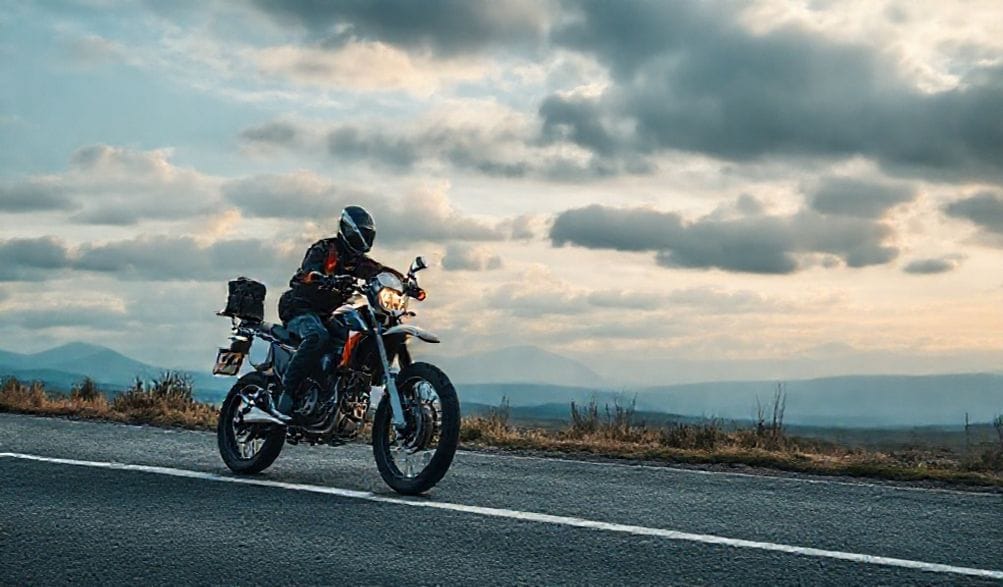
Road Legal Surron: Your Ultimate Guide to Street-Legal Electric Dirt Bikes
Introdução
A Surron Light Bee e Ultra Bee have revolutionized the electric dirt bike scene, offering incredible power, agility, and near-silent operation. For many riders, the natural next question is: “Can I make my Surron legal para ruas?”
The answer is a complex “it depends,” governed by an intricate web of state-by-state regulations, vehicle classifications, and specific modification requirements. The dream of legally connecting trails, running quick errands, or exploring backroads on a lightweight, torquey electric bike is powerful. However, the path to a plated Surron is fraught with bureaucratic hurdles, technical requirements, and significant financial investment.
This comprehensive guide is designed to cut through the confusion. We will provide a detailed, authoritative roadmap based on current DMV classifications, manufacturer specifications, and real-world rider experiences. Our goal is to equip you with the knowledge to navigate the legal process safely and responsibly, ensuring your pursuit of a road legal Surron is both informed and compliant. This is not a guide to loopholes, but a manual for legitimate conversion where possible.
1. Understanding the Core Challenge: Vehicle Classification
The primary and most significant hurdle in making a Surron street legal isn’t the modifications—it’s paperwork. It all starts with how the vehicle is classified from birth.
1.1 Manufacturer’s Statement of Origin (MSO)
- The Critical Document: Every new vehicle comes with a Manufacturer’s Statement of Origin (MSO), its birth certificate. Crucially, Surron Light Bee X and Ultra Bee models are typically classified as “Off-Road Only,” “For Competition Use Only,” or “OHV” (Off-Highway Vehicle) on this document.
- Why This Matters: This classification is the foundational data point for every state’s Department of Motor Vehicles (DMV). It sets the legal presumption that the vehicle is not designed or certified for public roads. Registering an “off-road” vehicle for on-road use is an uphill battle—it’s the exception, not the rule. The entire conversion process is essentially an appeal to the state to reclassify the bike based on added equipment.
1.2 Motorcycle vs. Moped vs. Motor-Driven Cycle
- State-by-State Definitions: If you succeed in getting a title, o quê will your Surron be? Laws vary dramatically. Some states may classify a modified Surron as a “motor-driven cycle” or “limited-speed motorcycle” (often defined as under 50cc equivalent in power), which might have simpler equipment or licensing rules. Others will classify it as a full “motorcycle” regardless of its electric powertrain.
- Impact on Requirements: This final classification dictates everything:
- Equipamentos: Full motorcycle requirements often demand self-canceling turn signals, specific headlight heights, and stricter reflectors.
- Licenciamento: A “moped” might only require a standard driver’s license, while a “motorcycle” will mandate a motorcycle endorsement (Class M).
- Insurance & Registration: Costs and policy types will differ based on classification.
2. The State-by-State Legal Landscape
This is the most crucial section of this guide. Generalizations are dangerous. Your specific state’s statutes and DMV procedures are the ultimate authority. The process in rural Montana has no bearing on your chances in New York City.
2.1 “Green-Sticker” vs. “Red-Sticker” States (A California Example)
- Explanation of Terminology: California’s Air Resources Board (CARB) system is a prime example of strict vehicle regulation. “Green Sticker” vehicles can be ridden year-round in designated areas, while “Red Sticker” vehicles have seasonal restrictions. This system primarily targets emissions.
- How it Applies to Electric Bikes: Even though electric vehicles like the Surron have zero tailpipe emissions, they are still subject to these use classifications based on their MSO. Getting a Surron plated in California is famously difficult, as the state requires a bike to have a federal EPA and CARB certification for on-road use, which Surrons do not possess. This creates a near-insurmountable barrier.
2.2 States with “Dual-Sport” or “Street-Legal” Kits Recognition
- Some states have more established—though still stringent—processes for converting off-road vehicles. States like Arizona, South Dakota, and Vermont (historically) have been known for more feasible processes.
- The Role of State-Specific Inspections: This is the common thread. These states typically require a certified vehicle inspection, often by a state trooper, police officer, or DMV inspector. This official verifies that the VIN matches the MSO and that all required street-legal equipment is permanently installed and functional. They fill out a form certifying the bike’s compliance, which you then submit with your title application. Success here depends entirely on the inspector’s knowledge and willingness to follow the letter of the law.
2.3 States Where It Is Extremely Difficult or Impossible
- It is vital to manage expectations. States with highly prescriptive vehicle codes and powerful emissions boards often make conversion virtually impossible. These include:
- California: As mentioned, due to CARB regulations.
- New York & New Jersey: Have stringent safety and certification requirements that an aftermarket-converted Surron is unlikely to satisfy.
- Washington & Oregon: Have tightened procedures significantly in recent years.
- In these states, attempting conversion may lead to a dead end after spending thousands on parts. Research is non-negotiable.
3. The Essential Road Legal Modification Kit
If your state’s laws permit conversion, you must equip your Surron to meet both Federal Motor Vehicle Safety Standards (FMVSS) and your state’s specific traffic code. Do not cut corners here.
3.1 Lighting and Signaling Systems
- Headlight (DOT/SAE Approved): Must have a dedicated high and low beam switch. The light must be stamped with DOT or SAE compliance. Many kits include LED units that are vastly superior to the stock off-road light.
- Tail Light, Brake Light, and Turn Signals: All must be DOT compliant. Integrated rear fender kits that combine these elements are popular and clean-looking for Surrons. Turn signals must be amber in front, red or amber in the rear, and spaced a minimum distance apart.
- License Plate Illumination: A dedicated, white light to illuminate the rear plate is a frequently overlooked but legally required item.
3.2 Audible and Safety Equipment
- Horn: An electric horn audible from a minimum distance (typically 100-200 feet) is required. The stock “bicycle bell” is not sufficient.
- Mirrors: At least one (most states require two) rearview mirror. They must provide a clear, stable view of the road behind.
- Velocímetro & Odómetro: A permanently mounted, functional unit displaying MPH is mandatory. Smartphone apps are not acceptable. Many riders use a simple, handlebar-mounted digital unit.
3.3 Tires and DOT Certification
- The Non-Negotiable Upgrade: This is critical. Off-road knobby tires are não é DOT-approved for street use. The rubber compound and tread pattern are not designed for pavement safety (especially in wet conditions).
- Safety and Liability: Installing DOT-certified dual-sport or street tires is essential. Using non-DOT tires on public roads is a major safety risk, will likely fail inspection, and would absolutely invalidate your insurance in the event of an accident.
4. The Step-by-Step Legalization Process
Assuming your state allows it, here is a general procedural walkthrough. Treat this as a framework, not a guarantee.
4.1 Pre-Purchase Verification (DO NOT SKIP)
- Contact Your Local DMV/BMV: Before buying a bike or any parts, call or visit your state’s DMV website. Ask very specific questions: “What is the exact process to title and register an off-road, electric motorcycle for on-road use? What forms are required? Is a state patrol inspection needed?” Take names and notes.
- Verify the MSO with Your Dealer: Confirm the exact wording on the MSO for the bike you intend to buy.
4.2 Installation and Documentation
- Purchase a Comprehensive Kit: Source a kit from a reputable vendor known for providing **Capacete:** Um capacete components. Quality varies wildly.
- Keep All Receipts and Documentation: Maintain a meticulous file with receipts for the bike, every part in the kit, the tires, and any professional installation services. This paper trail is crucial for inspection and titling.
4.3 The Inspection and Title Application
- Schedule a VIN Inspection: Often the first step, where law enforcement verifies the VIN isn’t stolen and matches the MSO.
- Complete the State Safety Inspection: The formal check of all required equipment (lights, horn, mirrors, tires, etc.). This is often done by the same officer or a designated DMV inspector.
- Submit Your Dossier to the DMV: Bring your completed inspection form, the original MSO, all bills of sale, a completed application for title/registration, and proof of insurance.
- Pay All Fees: Be prepared for title fees, registration fees, plate fees, and taxes.
5. Insurance, Licensing, and Ongoing Compliance
Once you have a plate, your responsibilities shift to those of any other road vehicle owner.
5.1 Obtaining Motorcycle Insurance
- You must now insure the bike as a street-legal motorcycle. Call your provider with the new VIN and title information. Not all companies will insure a converted vehicle, so you may need to shop around.
- Liability coverage is legally mandatory. Comprehensive and collision are highly recommended to protect your investment.
5.2 Rider Licensing Requirements
- In nearly all cases where the bike is registered as a motorcycle, a standard motorcycle endorsement (Class M) on your driver’s license is required.
- This involves passing a written knowledge test and an on-bike skills test, either through your state’s DMV or an approved motorcycle safety course.
5.3 Renewals and Legal Responsibilities
- You are now responsible for annual registration renewal.
- You must adhere to all traffic laws: obey speed limits, use turn signals, wear a helmet (if required by state law), and carry your license, registration, and proof of insurance.
6. Weighing the Pros and Cons
Is it worth it? Let’s break down the reality.
6.1 Advantages of a Road-Legal Surron
- Unmatched Utility: Legally connect trail networks, run local errands, commute short distances, and explore forest service roads without a trailer.
- Quiet and Eco-Friendly: Enjoy the peace of electric propulsion without disturbing communities or the environment.
- Lower Operating Costs: No gas, oil changes, or complex engine maintenance compared to gas-powered dual-sports.
- The “Cool Factor”: Owning a unique, street-legal electric dirt bike is a point of pride and a conversation starter.
6.2 Significant Drawbacks and Considerations
- Cost and Complexity: The process can easily cost $1,000 – $2,200+ em peças, pneus e taxas, e exige tempo significativo, pesquisa e trâmites burocráticos.
- Desempenho Comprometido: Pneus dual-sport aprovados pelo DOT são necessários, mas oferecem aderência notavelmente pior em terra solta ou lama do que pneus com cravos agressivos. O peso adicional dos kits de iluminação pode afetar levemente a agilidade da moto.
- Vulnerabilidade Legal: Qualquer erro no processo — uma peça não homologada pelo DOT, um formulário incompleto — pode resultar na recusa do registro. Pior ainda, se você cometer um erro e for parado pela polícia, pode receber multas por operar um veículo não registrado.
- Implicações na Revenda: Em muitos estados, o título da moto terá a marca “reconstruída” ou similar, o que pode complicar vendas futuras e potencialmente reduzir seu valor de revenda.
Perguntas Frequentes (FAQ)
P: Posso comprar uma Surron que já seja legalizada de fábrica?
A: Não. Atualmente, a Surron não fabrica um modelo legalizado para ruas de fábrica para o mercado norte-americano. Todas as Surron novas são vendidas com um MSO (Certificado de Origem do Fabricante) de “Uso Apenas Off-Road”. Qualquer Surron “legalizada” à venda é uma moto usada que foi convertida.
P: Existe uma “brecha” ou maneira fácil de emplacar uma Surron?
A: Não existe uma brecha universal e confiável. Os relatos geralmente referem-se a processos desatualizados (como o antigo serviço de obtenção de título por correio de Vermont) ou métodos arriscados, como usar a placa de identificação (VIN) de outra moto (“troca de VIN”), o que é ilegal e fraudulento. Seguir tais caminhos pode levar a multas, apreensão do veículo e processos criminais. O único caminho seguro é através do processo oficial de conversão do seu próprio estado.
P: Preciso de uma carteira de motociclista para pilotar uma Surron legalizada?
A: Na grande maioria dos estados, sim. Uma vez registrada como motocicleta ou ciclo motorizado, a lei estadual exigirá a habilitação apropriada para motocicleta em sua carteira de motorista. Consulte as leis locais para ter certeza.
P: Quanto custa para tornar uma Surron legal para ruas?
A: Além do preço de compra da moto, orçamento para:
* Kit de Conversão DOT de Qualidade: US$ 500 – US$ 1.500
* Pneus DOT e Instalação: US$ 200 – US$ 400
* Taxas do DETRAN (Título, Registro, Placas): US$ 100 – US$ 300+
* Possível Ajuda Profissional/Inspeções: Variável.
* Faixa Total Estimada: US$ 800 – US$ 2.200+.
P: O que acontece se eu pilotar minha Surron não registrada na rua?
A: Você corre o risco de penalidades severas: multas substanciais (centenas de dólares), apreensão da moto (com custosas taxas de armazenamento), pontos na carteira e responsabilidade absoluta em caso de acidente (seu seguro não cobrirá, e você pode ser processado pessoalmente). O risco nunca vale a pena.
Conclusão
Transformar uma Surron em uma road legal Surron é um projeto desafiador e meticuloso que atrai o entusiasta dedicado que valoriza a legalidade e a máxima utilidade. Não é uma simples questão de instalar peças. O sucesso depende inteiramente de uma pesquisa meticulosa e prévia das leis específicas do seu estado, do compromisso de usar equipamentos de segurança certificados e da paciência com os processos burocráticos.
Não há uma resposta universal. Para alguns, a recompensa de ter uma máquina de trilha elétrica emplacada vale a jornada. Para outros, o custo, a complexidade e a incerteza legal são impeditivos.
Seu primeiro e mais importante passo não é comprar um kit — é consultar uma fonte autorizada: o site oficial do DETRAN do seu estado ou uma ligação telefônica direta e documentada. Use a estrutura deste guia para fazer perguntas específicas e bem fundamentadas.
Se o processo parecer muito assustador, lembre-se de que a Surron é uma máquina excepcional em seu habitat natural. Considere aproveitá-la para sua finalidade pretendida — como uma bicicleta elétrica off-road de primeira linha — ou explore a compra de uma dual-sport elétrica legalizada de fábrica, de fabricantes que as projetam para o asfalto desde o início. Pilotar legalmente garante sua segurança, protege seu investimento financeiro e respeita a comunidade de pilotos em geral e as leis que regem nossas vias públicas.
METADATA_START—
DISPLAY_TITLE: Surron Legalizada: O Guia Completo para Conversão para Ruas
SEO_TITLE: Guia Surron Legalizada | Como Tornar uma Surron Legal para Ruas (2024)
META_DESC: Quer uma Surron legalizada? Nosso guia definitivo cobre as leis estaduais, kits DOT necessários, o processo legal passo a passo, custos e prós/contras de converter sua Light Bee ou Ultra Bee para o asfalto.
IMG_PROMPT: Uma moto elétrica de trilha Surron Light Bee estacionada em uma estrada de montanha pavimentada, equipada com um kit completo para legalização incluindo piscas dianteiros e traseiros, um farol maior, retrovisores e uma placa de licença visível no para-lama traseiro, cenário cênico.
—METADATA_END—