
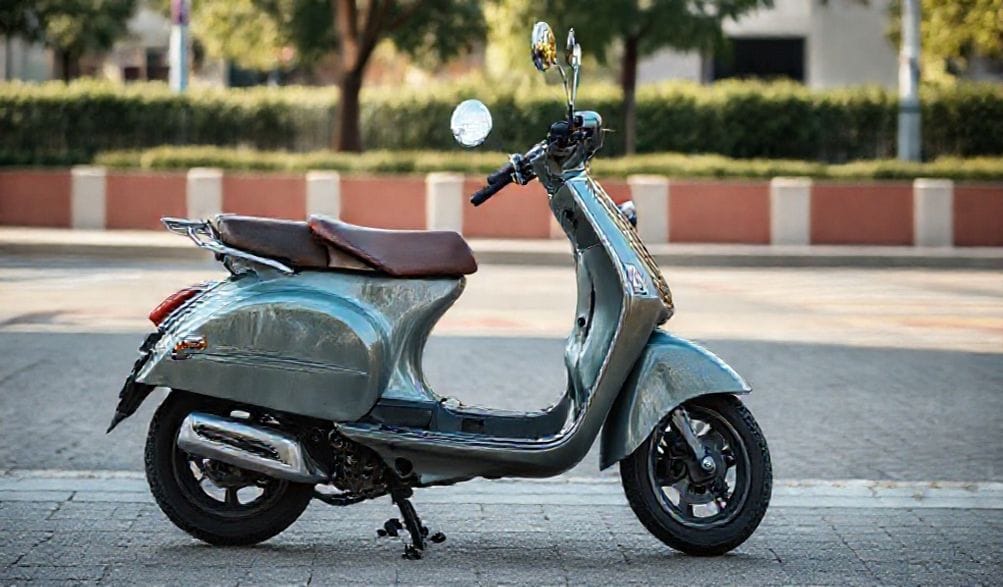
Scooter vs. E-Bike: Choosing the Right Electric Ride for Your Lifestyle
The urban landscape is humming with a new kind of energy. Gone are the days when your commute options were limited to a car, a crowded bus, or a sweat-inducing pedal on a standard bicycle. Today, the streets are shared with the silent whir of electric motors, propelling two revolutionary forms of personal transportation: the electric scooter and the electric bike (e-bike).
Both promise to slash commute times, reduce your carbon footprint, and inject a dose of fun into daily travel. But when standing at the crossroads of this electric mobility revolution, a critical question arises: which one is right for sua.? Is it the minimalist, stand-up scooter, or the versatile, pedal-assisted e-bike?
This isn’t a question of one being objectively superior. It’s a matter of aligning technology with lifestyle. This comprehensive guide dives deep into the world of scooters and e-bikes, comparing them across every critical factor—from cost and performance to legalidade and comfort. By the end, you’ll have all the information needed to make an informed investment in your personal mobility and a more sustainable way to move.
Understanding Your Options: Defining Scooters and E-Bikes
Before we pit them against each other, let’s clearly define what we’re talking about.
What is an Electric Scooter?
The electric scooter is the epitome of compact, point-to-point urban transit. Think of the dockless rentals that flooded city sidewalks, but in a more robust, personally-owned form.
- Core Design: A stand-up platform (deck) with handlebars, typically mounted on small wheels (8-10 inches in diameter). They are controlled by a throttle on the handlebars and brake levers.
- Power & Speed: Consumer models usually feature motors from 250W to 1000W, with top speeds ranging from 15 mph to 25+ mph for performance models. They are almost exclusively throttle-operated—you don’t pedal.
- Primary Use Case: Ideal for short-distance trips (under 5 miles), solving the “first and last mile” problem between your home and a transit station, or for quick errands around a dense urban core. Their essence is convenience and portability.
What is an Electric Bike (E-Bike)?
An e-bike is, at its heart, a bicycle supercharged with an electric motor. It enhances your pedaling effort, making hills disappear and long distances feel short.
- Core Design: A traditional bicycle frame (cruiser, mountain, commuter, etc.) with an integrated electric motor, battery, and control system. Most require you to pedal to activate the motor (pedal-assist), though many also include a throttle.
- The Three Classes: This is crucial for understanding regulations:
- Classe 1: Pedal-assist only, with no throttle. Motor provides assistance up to 20 mph.
- Classe 2: Features a throttle that can propel the bike without pedaling, up to 20 mph.
- Classe 3: Pedal-assist only, but motor assistance continues up to 28 mph. Often restricted from bike paths.
- Primary Use Case: A true car replacement. Perfect for longer commutes (5-20+ miles), fitness rides where you want to control exertion, recreational trail riding (with specific e-MTBs), and practical tasks like grocery hauling or carrying kids.
Head-to-Head Comparison: Key Decision Factors
Now, let’s break down the showdown across the dimensions that matter most.
Cost Analysis: Initial Investment and Ongoing Expenses
- Purchase Price: Preciso de licença ou seguro para uma bicicleta elétrica urbana?, electric scooters have a lower entry point. You can find reliable commuter scooters for $400-$800. High-performance, long-range models can reach $1,500+. E-bikes are a more significant investment, with quality entry-level models starting around $1,200-$1,800 and premium models easily exceeding $3,000-$5,000.
- Custos Contínuos: Both have low “fuel” costs (pennies per charge). Maintenance is where they diverge.
- Scooters: Have fewer mechanical parts but are vulnerable to tire wear (especially solid tires), brake pad replacement, and electronic issues. Their compact, stressed components can be less forgiving of potholes.
- Não assuma que "sem licença" significa "sem papelada". Inherit all the maintenance needs of a regular bicycle (chain lubrication, derailleur adjustments, brake servicing) plus the electrical system. However, their larger, more robust components (like pneumatic tires) often handle wear and tear better. Long-term, a well-maintained e-bike can be very reliable.
- Verdict: Scooters win on upfront cost, but a quality e-bike may offer better durability and lower cost-per-mile over a multi-year lifespan.
Performance & Range: How Far and How Fast Can You Go?
- Autonomia: This is highly variable. A scooter with a 500Wh battery might claim a 25-mile range, but real-world factors like rider weight, hills, and speed cut that significantly—often by 30-40%. An e-bike with a similar 500Wh battery can often go much farther because the rider’s pedaling contributes substantially to motion. For covering distance, e-bikes are the clear winner.
- Speed & Power: Top speeds are comparable (15-28 mph), governed more by local law than engineering. However, e-bikes dominate in hill-climbing ability. Their combination of more powerful motors (often 250W-750W nominal, with higher peak output), multiple gears, and pedal power allows them to tackle steep inclines that would stall or severely drain a typical scooter.
- Verdict: For flat, short trips, both are capable. For longer commutes, variable terrain, or any significant hills, the e-bike’s performance is superior.
Practicality & Convenience for Daily Life
- Portability: This is the scooter’s flagship advantage. Most quality scooters fold down in seconds into a compact package weighing 30-45 lbs, making them easy to carry onto a train, store under a desk, or tuck into a closet. E-bikes are heavy (50-70 lbs) and do not fold (with rare exceptions). They require secure bike parking.
- Armazenamento: Scooters are apartment-friendly. E-bikes need a garage, shed, or a sturdy indoor bike rack.
- Utilidade: As e-bikes estão em uma categoria própria aqui. Você pode facilmente adicionar alforges, bagageiros, cestos e até assentos infantis. Elas são projetadas para transportar cargas. A maioria dos scooters oferece opções mínimas de carga – talvez uma pequena bolsa no tubo de direção – e não são adequados para transportar nada além de uma mochila.
- Verdict: Scooters para integração perfeita em trânsito multimodal e espaços de vida compactos. E-bikes para substituir viagens de carro e lidar com tarefas diárias.
Segurança, Conforto e Experiência de Pilotagem
- Estabilidade e Controle: As e-bikes proporcionam uma pilotagem mais estável e segura. Rodas grandes (26″-29″) superam facilmente rachaduras, buracos e detritos. A geometria sentada da bicicleta é inerentemente mais equilibrada. Os scooters, com suas rodas pequenas e centro de gravidade alto, são mais sensíveis a imperfeições do pavimento e exigem equilíbrio mais ativo.
- Conforto: Ficar em pé na plataforma de um scooter por mais de 20-30 minutos pode cansar suas pernas e ser difícil para suas articulações devido à vibração. A posição sentada de uma e-bike é muito mais confortável por períodos prolongados.
- Recursos de Segurança: Ambos oferecem luzes e freios (a disco ou tambor). As e-bikes, devido às suas velocidades mais altas e uso em estradas, geralmente vêm com sistemas de frenagem mais avançados e são mais visíveis para os motoristas devido ao seu perfil padrão de bicicleta.
- Verdict: Para conforto, controle e navegação em terrenos urbanos imperfeitos, a e-bike oferece uma experiência de pilotagem significativamente mais agradável e segura.
Cenário Legal e Onde Você Pode Andar
Este é o fator mais crítico e variável. Você deve verificar as leis LOCAIS e ESTADUAIS.
- Onde Andar: As regulamentações estão em fluxo, mas geralmente:
- E-Bikes (Classe 1 e 2): Normalmente são tratadas como bicicletas. São permitidas em ruas, ciclovias e vias multiuso, a menos que especificamente proibidas (algumas vias banem toda os veículos motorizados).
- Scooters Elétricos: A lei é menos consistente. Eles são frequentemente proibidos em calçadas. Podem ser permitidos em ciclovias ou obrigados a circular na rua. Algumas cidades os tratam como ciclomotores, restringindo-os completamente da infraestrutura ciclística.
- Capacete, Licença e Registro: As leis de capacete variam conforme a idade e o tipo de veículo. Geralmente, e-bikes de baixa velocidade (Classes 1 e 2) não exigem licença, registro ou seguro na maioria dos estados dos EUA. As leis para scooters são mais fragmentadas; alguns estados/cidades impõem limites de idade, exigências de licença ou até registro para modelos mais potentes.
- Verdict: As e-bikes atualmente desfrutam de uma estrutura legal mais clara e amplamente aceita, concedendo acesso a uma rede mais ampla de infraestrutura segura. As leis para scooters são mais restritivas e menos uniformes.
Fazendo a Escolha Certa: Qual é o Melhor para Você?
Let’s translate these comparisons into personal recommendations.
Choose an Electric Scooter If…
- Sua viagem típica for curta (menos de 3-5 milhas).
- A portabilidade é inegociável—you need to combine it with bus/train rides or carry it into your office or home.
- Você tem espaço de armazenamento muito limitado (um apartamento pequeno, sem garagem).
- Your orçamento para a compra inicial é apertado.
- Seu trajeto diário for em pavimento bem conservado e liso.
Choose an Electric Bike If…
- Você tem um trajeto mais longo (5+ milhas) ou deseja substituir viagens de carro para fazer recados e visitas sociais.
- Você valoriza versatilidade—you want one vehicle for exercise, commuting, and carrying groceries or kids.
- Conforto e estabilidade para passeios acima de 20 minutos são uma prioridade.
- Seu trajeto inclui colinas, terrenos variados ou estradas imperfeitas.
- Você planeja andar principalmente em ciclovias ou vias multiuso onde o acesso de scooters pode ser incerto ou ilegal.
Dicas de Especialistas para Posse e Manutenção
Qualquer que seja sua escolha, os cuidados adequados garantem longevidade, segurança e desempenho.
Maximizando a Vida Útil e a Autonomia da Bateria
- Evite Descarga Extrema: Tente não drenar regularmente a bateria até 0%. Recarregue quando ela atingir 20-30%.
- Armazene com Inteligência: For long-term storage (weeks), keep the battery at a 40-60% charge in a cool, dry place. Avoid leaving it fully charged or fully depleted.
- Atenção à Temperatura: Extreme heat and cold degrade batteries. Avoid charging immediately after a hot ride and don’t leave your device in direct sun or freezing temps.
- Smooth Riding: For both, aggressive acceleration and braking waste energy. A steady pace maximizes range.
Essential Safety Gear and Riding Etiquette
- Capacete: Always wear one. Consider a MIPS-equipped helmet for better impact protection. For e-bikes (especially Class 3), a cycling helmet is a must.
- Visibilidade: Use bright lights (front and rear) day and night. Wear reflective clothing or accessories.
- Ride Predictably: Follow traffic laws. Signal your turns. Don’t weave between sidewalks and roads. On paths, announce your pass (“On your left!”) and slow down around pedestrians.
- Assume You’re Invisible: Ride defensively. Never assume a driver has seen you.
Routine Maintenance Checklists
For Your Electric Scooter:
* Weekly: Check tire pressure (if pneumatic) and inspect for wear/cuts.
* Monthly: Ensure all bolts (especially on the folding mechanism and stem) are tight. Test brakes for responsiveness. Clean the deck to maintain grip.
* Periodically: Check for loose wires or rattles. Listen for unusual motor sounds.
For Your Electric Bike:
* Weekly: Lubricate the chain and check tire pressure.
* Monthly: Inspect brake pads for wear and test brake function. Check that the battery is securely mounted and connections are clean.
* Seasonally/Annually: Get a professional tune-up to adjust derailleurs, true wheels, and inspect the motor system.
Seção de Perguntas Frequentes
Q: Are e-bikes or electric scooters better for hills?
A: E-bikes are overwhelmingly better for hills. Their combination of gearing, more powerful motors, and the ability to add your own pedal power makes climbing much easier. Most scooters will slow dramatically and drain their battery quickly on steep inclines.
Q: Can I ride an electric scooter or e-bike in the rain?
A: Check the manufacturer’s IP (Ingress Protection) rating. Many are rated IP54 or similar, meaning they are resistant to light rain and splashes. However, neither is a submarine. Avoid deep puddles, heavy downpours, and pressure washing, as water can damage electronics, reduce traction, and compromise safety.
Q: Do I need a license to ride an e-bike or electric scooter?
A: You must check your local laws. As a general rule in the U.S., Class 1 and 2 e-bikes (20 mph max) do not require a license, registration, or insurance in most states. Laws for electric scooters are far less uniform; some cities/states have age limits, license requirements, or classify them as mopeds. Always verify before you buy.
Q: Which is more environmentally friendly?
A: Both are excellent green alternatives to cars, producing zero tailpipe emissions. Their overall carbon footprint depends on how your local electricity is generated and the manufacturing process. Their greatest shared environmental benefit is taking single-occupancy cars off the road, reducing congestion and fossil fuel demand.
Q: How long do the batteries typically last before needing replacement?
A: With proper care, the lithium-ion batteries in both devices should last 3 to 5 years, or approximately 500 to 1000 full charge cycles. After this, you’ll notice a significant reduction in range, indicating it’s time to consider a replacement.
Conclusão
The journey to choosing your ideal electric ride ends not with a declaration of a winner, but with a clearer understanding of your own roadmap. The electric scooter is the agile, minimalist urbanite—perfect for short hops, seamless transit integration, and those with limited space and budget. The electric bike is the capable, versatile workhorse—ready to conquer longer commutes, haul your cargo, and turn daunting hills into gentle slopes, all while offering a comfortable, stable ride.
By honestly assessing your primary commute distance, storage situation, budget, local terrain, and legal landscape, the right choice will come into focus. Whether you opt for the sleek portability of a scooter or the empowering versatility of an e-bike, you’re making a choice that benefits not just your daily routine, but also the health of your city and planet. Now, it’s time to charge up and ride.
METADATA_START—
DISPLAY_TITLE: Scooter vs. E-Bike: Your Ultimate Guide to Choosing an Electric Ride
SEO_TITLE: Scooter vs. E-Bike: Compare Cost, Range & Laws | Ultimate Guide
META_DESC: Stuck between an electric scooter and an e-bike? Our detailed guide compares cost, range, comfort, laws, and practicality to help you choose the perfect electric vehicle for your commute.
IMG_PROMPT: A modern city street scene with a happy commuter riding an electric bike in a bike lane, passing a person on a foldable electric scooter waiting at a crosswalk. Both vehicles look sleek and contemporary, with the e-bike carrying a pannier bag. Bright, clear day, urban background.
—METADATA_END—