
Youth Motor Bikes: A Parent’s Complete Guide to Safety, Selection, and Fun
That moment is unmistakable. Maybe it’s the wide-eyed fascination as a dirt bike flies across the screen during a motocross event, or the eager questions about the rumbling engine of a passing trail bike. Your child has caught the bug—the thrilling, adventurous call of motorsports. As a parent, your heart does a little flip-flop. You see the potential for incredible outdoor fun, confidence-building, and a break from screens. But alongside that excitement comes a very natural wave of concern: Is this safe? How do I even start? What do I need to know?
You’re not alone. As parents and long-time riding enthusiasts ourselves, we’ve navigated that exact mix of excitement and apprehension. We understand that the world of youth motor bikes can seem complex and daunting from the outside. That’s why we’ve created this comprehensive guide. Our goal is to walk you through every critical step, transforming your uncertainty into confidence. We’ll focus relentlessly on safety, demystify the process of choosing the right beginner bike, and set your young rider on a path to developing real skill and a lifelong, responsible passion for riding.
Understanding Youth Motor Bikes: Types and Key Differences
Before diving into specs and safety gear, it’s crucial to understand the landscape. Not all small bikes are created equal, and the type you choose should match your intended use.
Dirt Bikes vs. Pit Bikes vs. Mini Bikes
These terms are often used interchangeably, but they refer to different machines:
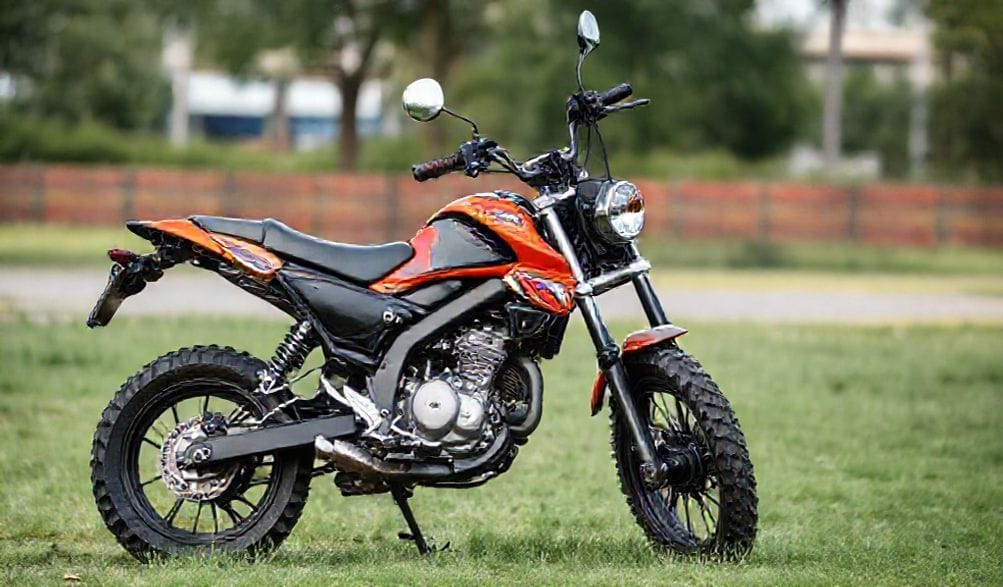
- Youth Dirt Bikes: These are the “real deal,” scaled-down versions of adult off-road motorcycles. They are built for performance on trails, motocross tracks, and rough terrain. They feature quality suspension, knobby tires, manual clutches (on larger models), and lightweight frames. Brands like Honda (CRF series), Yamaha (PW and YZ series), and KTM (SX series) excel here. Engine sizes for true youth dirt bikes typically range from 50cc to 125cc.
- Pit Bikes (Motos de Pit): Smaller and often more playful, pit bikes originated as bikes to ride around the “pits” at race events. They usually have smaller wheels (10″-14″), a simpler design, and can be based on either dirt bike or mini bike platforms. They are fantastic for backyard fun, supervised pit areas, and developing basic riding skills in a more controlled environment.
- Mini Bikes / Pocket Bikes: These are the smallest category, often with a more casual, cruiser-like stance. They are generally not designed for serious off-road use and are best suited for smooth, flat surfaces like driveways or paved paths. They are often a child’s very first introduction to a motorized two-wheeler.
Electric vs. Gas-Powered Youth Bikes
The rise of electric vehicles has reached the youth bike market, offering a compelling alternative.
- electric youth bikes:
- Vantagens: Quiet operation (great for neighborhoods and early practice), minimal maintenance (no oil changes, air filters, or carburetors), instant torque for smooth power delivery, zero emissions, and often simpler to start and operate.
- Desvantagens: Limited run time per charge (usually 1-2 hours), longer recharge times, and the eventual need for battery replacement. The initial purchase price can be higher than a comparable gas bike.
- Gas-Powered Youth Bikes:
- Vantagens: Traditional riding experience, longer range (just refuel and go), widespread availability of models and parts, and often a wider performance range as the child grows.
- Desvantagens: Require regular maintenance (oil, air filter, spark plug), are louder, produce fumes, and have a more complex starting procedure (kick-start or electric).
The choice often comes down to your use case: electric for quiet, low-maintenance backyard practice; gas for longer trail rides and a more traditional motorsports pathway.
Key Specifications to Decode: CC, Wheel Size, and Seat Height
Don’t let the jargon intimidate you. Three specs are king when choosing a youth motor bike:
- Engine Size (CC): Stands for cubic centimeters, a measure of engine displacement. For beginners, smaller is always better. A 50cc bike is a standard, manageable starting point for most kids. Moving to an 80cc, 110cc, or 125cc should be based on proven skill and physical size, not just age.
- Tamanho da Roda: This is arguably the most important factor for fit and control. A bike with wheels too large will be tippy and hard to manage; too small, and the rider will outgrow it quickly. Common youth sizes are 10″, 12″, 14″, 16″, and 19″ front/16″ rear combos. Your child should be able to sit on the bike with both feet flat on the ground, or at least the balls of both feet.
- Altura do Banco: Directly related to wheel size, this is the easiest spec to visualize. Have your child stand in their riding boots next to the bike. If the seat height is at or below their inseam, it’s a good fit for learning.
The #1 Priority: Safety for Young Riders
If you take only one thing from this guide, let it be this: safety is not an accessory; it is the foundation of the entire sport. Prioritizing it demonstrates responsible parenting and builds the correct mindset in your young rider from day one.
Essential Safety Gear: Non-Negotiable Equipment
Consider this gear as part of the bike’s purchase price. Never let a child ride without it.
- Capacete: Deve ser DOT or Snell certified. It should fit snugly without being painful. A full-face motocross helmet is the only acceptable choice for off-road riding.
- Óculos de Proteção: Protect eyes from roost, dirt, and branches. Get a pair with a tear-off system and good ventilation to prevent fogging.
- Luvas: Full-finger motorcycle gloves protect hands from blisters, impacts, and debris.
- Botas: Proper motocross boots are critical. They support ankles, protect feet and shins from impacts, and provide grip. Street shoes or hiking boots are dangerously inadequate.
- Protetor de Peito/Defletor de Projéteis (Roost Deflector): Shields the torso, shoulders, and back from flying rocks and impacts.
- Knee/Shin Guards & Elbow Guards: Essential for protecting joints during falls.
- Durable Clothing: Long, durable pants (motocross pants are ideal) and a long-sleeve jersey/jacket. No shorts or t-shirts.
Choosing the Right Location for Practice
The environment is a key safety component. The ideal location is a controlled, off-road area free from cars and unexpected hazards.
- Best Options: Designated Off-Highway Vehicle (OHV) areas, motocross tracks with beginner sections, or wide-open private land with permission.
- Good Options: A very large, flat, empty field or pasture where you can define clear boundaries.
- Unacceptable Options: Public streets, parks, sidewalks, or any area with vehicle traffic, pedestrians, or hidden obstacles. Not only is this extremely dangerous, but it’s also often illegal for off-road vehicles.
The Role of Professional Training and Supervision
You can be the best coach in the world, but a certified instructor brings structured, professional techniques that build confidence and safe habits faster.
- Treinamento: Organizações como a Motorcycle Safety Foundation (MSF) DirtBike School oferecem cursos fantásticos para iniciantes, projetados para crianças. Elas fornecem as motos, equipamentos e instruções em um ambiente controlado. É o melhor investimento único que você pode fazer após adquirir o equipamento de proteção.
- Supervisão: Um adulto deve sempre estar presente, atento e pronto para intervir quando um jovem piloto estiver em uma moto. Este não é um momento para distrações na supervisão parental. Sua supervisão ativa é sua principal rede de segurança.
Como Escolher a Moto Infantil Perfeita
Com os fundamentos de segurança em mente, você pode agora focar em selecionar a máquina que iniciará a jornada de pilotagem do seu filho.
Matching the Bike to Your Child’s Age, Size, and Skill Level
Use a idade como um ponto de partida muito geral, mas sempre priorize o tamanho físico e a maturidade. Uma criança de 10 anos tímida pode ser perfeita em uma moto recomendada para 8 anos, enquanto uma criança de 8 anos alta e atlética pode precisar do tamanho acima.
Here’s a general sizing guideline:
- Ages 3-6 / Height 3′ – 3’10”: Motos de equilíbrio elétricas ou motos a gasolina de 50cc com embreagens automáticas e limitadores (ex.: Yamaha PW50, Honda CRF50). Tamanhos das rodas: 10″.
- Ages 6-9 / Height 3’10” – 4’6″: 50cc-70cc bikes, often with semi-automatic transmissions (no manual clutch). Wheel sizes: 12″-14″.
- Ages 9-12 / Height 4’6″ – 5’2″: 85cc-110cc bikes. This is often where manual clutches are introduced. Wheel sizes: 14″-17″.
- Ages 12+ / Height 5’2″ and up: 125cc four-strokes or 85cc/100cc two-strokes. These are “big kid” bikes approaching full-size performance. Wheel sizes: 17″/19″ fronts, 14″/16″ rears.
Lembre-se: É muito mais seguro e divertido para uma criança dominar uma moto ligeiramente subdimensionada do que ficar intimidada e fora de controle em uma moto muito potente.
Nova vs. Usada: Uma Consideração Prática
- Prós da Moto Nova: Vem com garantia, possui os recursos de segurança mais recentes, não requer manutenção imediata e você conhece seu histórico completo. Proporciona tranquilidade.
- Depreciação significativa no momento em que sai da loja, custo inicial mais alto. Custo significativamente menor, o que é atraente para uma criança em rápido crescimento. A desvalorização inicial já foi absorvida.
- Lista de Verificação para Inspeção de Moto Usada: Se optar por uma usada, inspecione minuciosamente ou leve um amigo que entenda. Verifique: desgaste dos pneus, vida útil das pastilhas de freio, condição da corrente e coroa, vazamentos nos retentores da suspensão, quadro para rachaduras ou dobras, funcionamento suave de todos os controles, e pergunte sobre o histórico de manutenção. Um teste de compressão é um plus.
Marcas Mais Bem Avaliadas com Reputação de Confiabilidade
Fique com marcas consolidadas, conhecidas por qualidade, segurança e disponibilidade de peças. Este não é o lugar para uma pechincha desconhecida online.
- Honda: O padrão-ouro em confiabilidade. As CRF50F, CRF110F, e CRF125F são lendárias por seus motores quatro tempos à prova de balas e entrega de potência amigável para iniciantes.
- Yamaha: Renomada por durabilidade e potência suave. A PW50 (“PeeWee Fifty”) is a iconic first bike, while the TT-R110E e YZ85 atendem a iniciantes em crescimento e aspirantes a pilotos de corrida.
- Kawasaki: Oferece excelente custo-benefício e desempenho com modelos como o KLX110 e KX85.
- KTM & Husqvarna: A escolha premium, orientada para desempenho. Seus modelos SX 50/65/85 e TC 50/65/85 são dois tempos de alta especificação, prontos para corrida, para jovens pilotos sérios com alguma experiência.
Começando: Primeiras Pilotagens e Desenvolvimento de Habilidades
The bike is home, the gear is on. Now, let’s build skills the right way.
Lista de Verificação Pré-Pilotagem e Manutenção Básica
Incute o hábito da inspeção pré-pilotagem. É um ritual de segurança e uma forma de ensinar responsabilidade pela máquina.
- Pneus: Verifique a pressão e cortes/desgaste.
- Controles: Certifique-se de que o acelerador retorna rapidamente ao fechar, os freios funcionam, a alavanca da embreagem (se equipada) opera suavemente.
- Corrente: Verifique a tensão e lubrificação.
- Fluidos: Verifique os níveis de combustível e óleo.
- Fixadores: Faça uma verificação visual de aperto nos parafusos críticos (eixos, fixação do guidão).
- Ensine manutenção básica: Limpar a moto, cuidar do filtro de ar e lubrificar a corrente são ótimas tarefas iniciais.
Habilidades Fundamentais de Pilotagem para Praticar
Comece em uma área plana e aberta. Foque em uma habilidade por vez.
- Posição Corporal: Standing on the footpegs, knees bent, elbows up. This is the “attack position” for control.
- Throttle Control: The most important skill. Practice smooth, gradual rolling on and off of the throttle.
- Frenagem: Practice using both front and rear brakes together, learning how they affect the bike. Emphasize smooth application.
- Balance & Clutch Control (if applicable): Practice slow-speed maneuvering, feathering the clutch to modulate power.
- Olhar à Frente: Drill this constantly: “Look where you want to go.” Their eyes should be up, scanning the trail ahead, not fixed on the front fender.
Fostering Respect for the Machine and Environment
Riding is a privilege. Teach:
* Trail Etiquette: Respect other riders, hikers, and equestrians. Yield the right of way, keep speed in check around others.
* Deixe Pegadas Leves: Stay on designated trails to prevent erosion and habitat destruction. Never litter.
* Machine Respect: A motorcycle is a powerful tool, not a toy. It requires focus and responsible operation.
Legal and Practical Considerations for Parents
Understanding Local Laws, Registration, and Where to Ride Legally
Tem um espaço seguro, no térreo, para guardá-lo? Consegue levantar 48 kg se necessário?. Laws governing off-road vehicles vary dramatically by state, province, and county.
- Pesquise: Contact your state’s Department of Natural Resources (DNR) or equivalent agency. They govern OHV use.
- Common Requirements: Muitos estados exigem uma Certificate of Title, OHV Registration/Sticker, and sometimes a safety certificate for the rider. Some public lands require a permit.
- Age Restrictions: There are often minimum age requirements for operating an OHV on public land.
- Onde Andar: Use official state OHV maps and websites to find legal, designated riding areas. Never assume a piece of public land is open to motorized use.
Budgeting Beyond the Purchase Price
The bike’s sticker price is just the beginning. Plan for:
* Equipamento de Segurança: $500 – $1,000+ for a full, quality kit.
* Seguro: Liability insurance for off-road vehicles is wise and often required for certain riding areas. It’s generally inexpensive.
* Manutenção: Oil, filters, tires, chains, sprockets, brake pads.
* Fuel/Oil & Electricity: Ongoing cost for operation.
* Transporte: Uma caminhonete, reboque ou carregador de engate.
* Treinamento: Course fees for the MSF or similar school.
Seção de Perguntas Frequentes
Q: What is the best age for a child to start riding a youth motor bike?
A: There’s no universal “best” age. It depends entirely on the child’s physical coordination, maturity, ability to follow instructions, and interest. Some start on electric balance bikes as young as 3, while others may not be ready until 6 or 7. Focus on readiness, not a calendar date.
Q: Are electric youth motor bikes powerful enough for trails?
A: Entry-level electric bikes are best for flat, mild terrain. However, higher-performance electric models from brands like Sur-Ron or Talaria are becoming increasingly capable on trails, offering instant torque and quiet operation. For serious trail riding, mid-to-high range gas bikes still dominate.
Q: How much should I spend on my child’s first motorcycle?
A: For a new entry-level gas bike (50cc-110cc), budget $1,500 – $3,500. A full set of quality safety gear will add $500-$1,000. A used bike can cut the bike cost in half. Remember to factor in training and other gear.
Q: Is insurance required for a youth dirt bike?
A: It is rarely legally required for off-road-only use on private property. However, it is highly recommended for liability protection if riding on public OHV land or even on private land where an accident could occur. It is also required if the bike will be registered for limited on-road use (not typical for youth bikes).
Q4: Qual é o equipamento de segurança mais importante?
A: The helmet is non-negotiable and the most critical for preventing life-altering injury. However, safety gear works as a sistema. Boots are a very close second for preventing debilitating foot/ankle injuries. Never compromise on any of the essential items.
Q: How can I find safe and legal places for my child to ride?
A: Start with your state’s Department of Natural Resources (DNR) or Parks and Recreation website. They maintain maps and lists of designated OHV parks and trails. Local motorcycle dealerships and riding clubs are also excellent sources of information.
Conclusão
Embarking on the journey of youth motorcycling with your child is about so much more than just buying a bike. It’s a commitment to guided adventure, a partnership in learning, and an investment in building confidence, responsibility, and a profound appreciation for the outdoors. By starting with an unwavering focus on safety, making an informed and careful selection based on fit—not just power—and prioritizing skill development over speed, you lay the groundwork for a positive and lasting experience.
The goal is not to create a motocross champion overnight (unless that’s their dream!), but to foster a lifelong passion rooted in respect—for the machine, the environment, and their own abilities. The memories you’ll create together on the trails are priceless. Now, take this knowledge, visit a reputable dealership, enroll in that first safety course, and get ready for the ride of a lifetime. The adventure awaits.
METADATA_START—
DISPLAY_TITLE: Youth Motor Bikes: A Parent’s Guide to Safety & Choosing the Right Bike
SEO_TITLE: Youth Motor Bike Guide 2024: Safety Tips, How to Choose, & Top Brands
META_DESC: A complete parent’s guide to youth motor bikes. Learn critical safety gear, how to choose the right dirt bike for your child’s age/skill, and compare electric vs. gas models. Start their riding journey safely.
IMG_PROMPT: A happy, safely geared-up child (full helmet, goggles, gloves, boots) sitting confidently on a small, shiny red dirt bike in a sunny grassy field, with a smiling parent standing beside them, hand on the child’s shoulder.
—METADATA_END—