
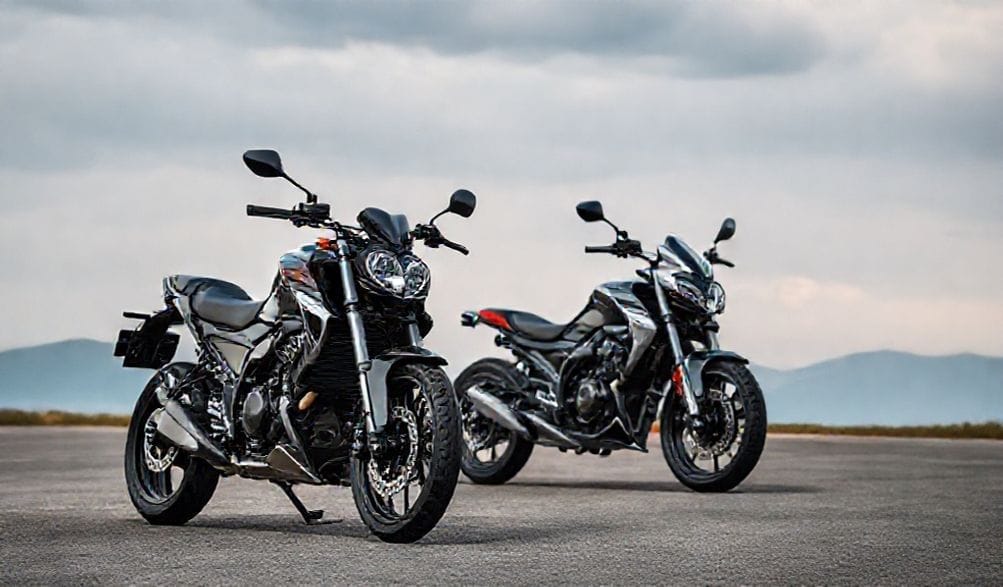
Hybrid Motorcycles Explained: The Future of Riding, Efficiency, and Performance
Introduction
What if you could slash your fuel costs by 30% or more on your daily commute, without giving up the freedom to embark on a spontaneous weekend tour? As fuel prices fluctuate and environmental awareness grows, motorcyclists are increasingly caught between a love for the internal combustion engine’s roar and the allure of electric efficiency. The motorcycle industry is responding not with an ultimatum, but with an intriguing compromise: the hybrid motorcycle.
This comprehensive guide dives deep into the world of hybrid motorcycle technology. We’ll move beyond the hype to explore how these machines actually work, their tangible benefits and real-world trade-offs, the models you can buy today, and what it’s truly like to own one. Synthesizing insights from engineering white papers, long-term rider reviews, and industry analyst reports, this article aims to provide a balanced, expert perspective. Our goal is simple: to equip you with the knowledge needed to decide if a hybrid motorcycle is the next step in your riding journey, or a fascinating technological detour.
What is a Hybrid Motorcycle? Defining the Technology
At its core, a hybrid motorcycle seeks to offer the “best of both worlds.” But what does that actually mean from an engineering standpoint?
The Core Concept: Combining Power Sources
A hybrid motorcycle integrates two distinct power sources: a traditional internal combustion engine (ICE) that runs on gasoline and an motor electric powered by a battery pack. The fundamental idea is to use each power source where it is most efficient. The electric motor excels at providing instant, silent, and emission-free power from a stop, while the gasoline engine is more efficient at maintaining higher, constant speeds and refueling in minutes.
This stands in stark contrast to both traditional motorcycles and their electric counterparts. A conventional bike relies solely on its ICE, with all the associated vibrations, noise, and emissions. A pure electric motorcycle (EV) uses only its electric motor and battery, offering sublime smoothness and zero tailpipe emissions but limited by range and charging time. The hybrid sits squarely in the middle, aiming to mitigate the weaknesses of each.
Types of Hybrid Systems for Two Wheels
Not all hybrids are created equal. The technology is adapted from the automotive world into several distinct configurations suitable for two-wheelers:
- Parallel Hybrid: This is the most common type in current production motorcycles. In a parallel system, both the internal combustion engine and the electric motor are mechanically connected to the drive wheel (often via the same transmission). They can work together to provide maximum power or operate independently. For example, the electric motor might assist during hard acceleration, while the ICE takes over at cruising speed. The Honda PCX Hybrid is a classic example of this architecture.
- Series Hybrid: In this setup, the internal combustion engine is completely disconnected from the wheel. Its sole job is to act as a generator, charging the battery pack. The battery then powers an electric motor, which is the only component driving the wheel. This allows the engine to run at its most efficient RPM constantly, but can involve energy conversion losses. It’s less common in current bikes but appears in some concepts.
- Mild vs. Full Hybrid: This distinction refers to the capability of the electric system.
- A Mild Hybrid cannot propel the motorcycle on electric power alone. The electric motor acts strictly as an assistant, providing a torque boost (e.g., during acceleration) and running accessories. It’s primarily for performance and efficiency gains.
- A Full Hybrid has a more powerful electric motor and battery, enabling it to drive the motorcycle for a limited distance in electric-only mode, typically at city speeds. This allows for silent, zero-emission travel in urban environments.
The Pros and Cons: Should You Consider a Hybrid Motorcycle?
Hybrid technology promises a lot, but it comes with inherent compromises. Let’s weigh the advantages against the challenges.
Advantages of Hybrid Motorcycle Technology
- Enhanced Fuel Efficiency & Range: This is the headline benefit. By using regenerative braking and allowing the electric motor to handle low-speed, stop-and-go traffic—where gasoline engines are least efficient—hybrids can dramatically reduce fuel consumption. For the daily urban commuter, this can mean far fewer trips to the gas station and significant cost savings over time.
- Reduced Emissions: While not zero-emission like a pure EV, a hybrid motorcycle produces significantly fewer tailpipe pollutants and less CO2 than a comparable conventional bike, especially in city riding cycles. It’s a tangible step towards greener riding.
- Increased Low-End Torque: Electric motors deliver 100% of their torque instantly from 0 RPM. When this is combined with an ICE’s power band, the result is startlingly quick and smooth acceleration from a standstill, making traffic light getaways both efficient and exhilarating.
- Regenerative Braking: This clever system captures kinetic energy that is normally wasted as heat during braking or deceleration, using it to recharge the battery. It not only improves efficiency but can also reduce wear on the traditional brake pads and discs.
Challenges and Considerations
- Added Weight & Complexity: The battery pack, electric motor, and associated control systems add substantial weight. This can affect a motorcycle’s nimble handling, agility, and overall feel. Furthermore, you now have two complex propulsion systems instead of one, which can potentially lead to higher maintenance costs and more specialized repair requirements.
- Higher Upfront Cost: The advanced technology commands a premium. A hybrid motorcycle will almost always be more expensive than a similarly sized and equipped conventional motorcycle, placing it in a higher market segment.
- Limited Electric-Only Range: If you’re dreaming of silent, long-distance electric touring, a hybrid will disappoint. The electric-only range, if offered, is usually minimal (often just a few miles), designed for low-speed urban crawling rather than替代 true electric travel.
- Model Availability: This is currently a niche segment. Your choices are severely limited compared to the vast arrays of traditional ICE or the growing selection of electric motorcycles. Finding a hybrid that fits your specific style (e.g., sportbike, cruiser) is challenging.
Hybrid Motorcycles in the Market: Models and Makers
While not flooding showrooms, hybrid technology has made its way into production, with more concepts hinting at the future.
Current Production Models
As of 2023, the hybrid motorcycle market is select but notable:
- Honda NC750X DCT (with Hybrid Assist): Perhaps the most prominent “real” hybrid motorcycle available. This adventure-styled model uses a mild parallel hybrid system. Its electric motor integrates into the Dual-Clutch Transmission (DCT) to provide seamless torque fill during acceleration and gear changes. It cannot run on electric power alone but significantly boosts low-end response and fuel economy.
- Honda PCX Hybrid: A pioneer in the scooter world, the PCX Hybrid uses a compact parallel hybrid system to assist its engine during acceleration from a stop, improving fuel efficiency for urban riders.
- Other Notable Mentions: Brands like BMW and Yamaha have explored hybrid concepts extensively, and smaller manufacturers are experimenting, but widespread production models from major brands beyond Honda are still on the horizon.
Concept Bikes and Future Innovations
The concept stage is where the imagination runs wild, showing the potential direction of the industry:
- Yamaha TRICITY 300 Hybrid Concept: This leaning multi-wheel scooter concept showcased a parallel hybrid system aimed at combining the stability of three wheels with enhanced eco-performance.
- BMW CE 04 Hybrid Concept: While BMW is heavily invested in electric (like the CE 04), they have also revealed hybrid scooter concepts that use a range-extender (series hybrid) setup, where a small engine charges the battery for extended range.
- The Industry Trend: The R&D focus suggests hybrids are seen as a pragmatic “bridge technology.” They allow manufacturers to meet tightening global emissions regulations, introduce riders to electrification gradually, and solve the range anxiety issue that still holds many back from pure EVs—all while keeping the familiar sound and quick refueling of gasoline.
The Rider’s Perspective: Practicality, Performance, and Ownership
Who is the Ideal Hybrid Motorcycle Rider?
A hybrid motorcycle isn’t for everyone, but it’s a perfect fit for specific profiles:
* The Urban Commuter: If your primary riding is in city traffic, the fuel savings, reduced emissions, and torque-assisted launches make a compelling daily proposition.
* The Eco-Conscious Enthusiast: Riders who want to reduce their environmental footprint but aren’t ready to commit to the range limitations and lifestyle changes of a full EV.
* The Tech Early Adopter: Motorcyclists fascinated by engineering innovation who enjoy being on the cutting edge of new riding experiences.
* The Practical Tourer (with caveats): A rider who values exceptional fuel range for long highway stints but would appreciate electric assist for pulling out of mountain corners or navigating city centers on a tour.
Real-World Riding Experience
So, what’s it actually like to ride one? Reviews of models like the Honda NC750X Hybrid highlight a uniquely seamless experience. The transition between electric assist and gasoline power is often imperceptible. The ride is characterized by:
* Silent, Forceful Launches: Pulling away from a stop is eerily quiet and surprisingly brisk.
* Reduced Vibration: The electric motor smooths out the power delivery, diminishing engine vibration.
* Unconventional Soundscape: The familiar engine note is sometimes accompanied by a faint electric whir, creating a new auditory signature.
Cost of Ownership Analysis
The financial picture is a mix of higher initial outlay and potential long-term savings:
* Purchase Price: Expect a premium of 15-25% over a comparable non-hybrid model.
* Fuel Savings: This is the big win. Depending on your ride cycle, savings of 20-40% on fuel are realistic, which can offset the higher purchase price over several years.
* Întreținere: Brake pads may last longer due to regenerative braking. However, the ICE still requires its standard service intervals. The long-term reliability and potential replacement cost of the hybrid battery pack (likely after many years) remain unknown variables.
* Insurance: May be slightly higher due to the increased value and complexity of the bike.
Frequently Asked Questions (FAQ) About Hybrid Motorcycles
Q1: Can you ride a hybrid motorcycle in electric-only mode?
R: It depends entirely on the system. Most current production hybrids, like the Honda NC750X, are “mild hybrids” and cannot propel the bike on electricity alone—the electric motor only assists. “Full hybrid” systems, which are rarer, do offer a limited electric-only range for low-speed travel.
Q2: How do you charge a hybrid motorcycle?
R: The vast majority are “self-charging hybrids.” Their battery is replenished automatically through regenerative braking and by the internal combustion engine acting as a generator. You do not plug them in. True plug-in hybrid motorcycles, which would have a charging port, are largely conceptual at this stage.
Q3: Are hybrid motorcycles more reliable?
R: This is a double-edged sword. They contain more complex systems (battery management, dual powertrains), which introduces new potential points of failure. However, they can reduce strain on traditional components—the electric assist eases engine load, and regenerative braking saves the friction brakes. Long-term, high-mileage reliability data is still being gathered as these models age.
Q4: Is a hybrid motorcycle a good choice for a beginner rider?
R: Potentially, yes. The smooth, manageable low-end torque can make low-speed control easier. Many hybrids, like the NC750X, come with automatic transmissions (DCT), removing the challenge of learning to use a clutch. However, the added weight and higher purchase price are significant drawbacks for a first bike, where a simple, lightweight, and inexpensive used motorcycle is often the recommended starting point.
Q5: What is the future of hybrid motorcycles?
R: Hybrids are widely viewed as a transitional technology. They serve as a practical compromise, easing both manufacturers and riders into an electrified future while the kinks in pure EV technology (charging speed, infrastructure, cost) are worked out. Their long-term role will likely diminish as battery technology advances, but for the next decade, they offer a compelling “halfway house” for riders not yet ready to go fully electric.
Concluzie
Hybrid motorcycles represent a fascinating and pragmatic middle ground in the evolving world of two-wheeled transport. They deliver on their core promise: significantly improved fuel efficiency and reduced emissions without asking riders to abandon the long-range freedom and familiar refueling of gasoline. This comes at the cost of added weight, complexity, and a higher initial price tag, within a market that still offers very few choices.
Our final, balanced recommendation is this: a hybrid motorcycle is an excellent, rational choice for a specific rider with aligned needs. If your primary riding is urban, you are cost-conscious about fuel, environmentally mindful, and intrigued by seamless new technology, a hybrid deserves a spot at the top of your test-ride list. However, if your priority is minimalist weight, sporting agility, simple mechanics, or you already do most of your riding on the open highway, a traditional ICE or a pure electric motorcycle might better suit your profile.
The journey towards cleaner, more efficient motorcycling is underway. Hybrid technology is a key chapter in that story, offering a real-world solution today while the industry charges towards tomorrow. As battery densities improve and more models enter the fray, this bridge between eras will only become more compelling. The future of riding isn’t just electric or gasoline—for a growing number of riders, it’s intelligently both.
METADATA_START—
DISPLAY_TITLE: Hybrid Motorcycles Explained: The Future of Riding, Efficiency & Performance
SEO_TITLE: Hybrid Motorcycles Guide 2024: Pros, Cons, Models & Future
META_DESC: Considering a hybrid motorcycle? Our 2024 guide explains the technology, real-world pros & cons, available models, ownership costs, and if it’s the right choice for you.
IMG_PROMPT: A sleek, modern hybrid motorcycle parked on a scenic mountain road at sunset, with a futuristic dashboard display showing both electric and gasoline power modes active, photorealistic, dynamic angle.
—METADATA_END—