
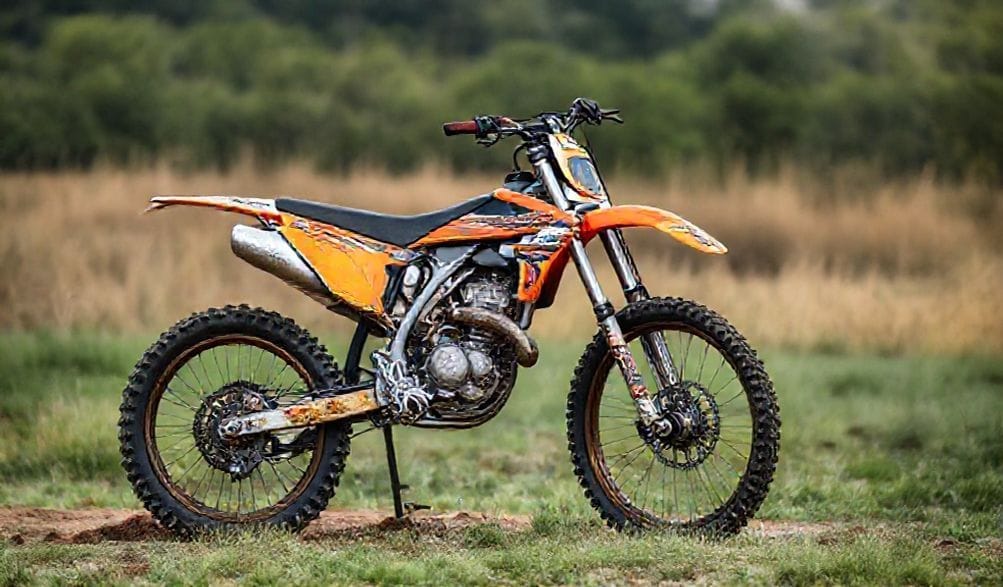
Dirt Bike vs. Bicycle: A Complete Guide to Off-Road Riding Machines
You see two riders tackling a rugged hill. One is standing on the pegs, the engine roaring as it claws its way up. The other is out of the saddle, muscles straining, quietly pedaling for the summit. To a newcomer, they might both just be “off-road bikes.” This common point of confusion—”Is a motocicletă de teren just a motorized bicycle?”—is where many new riders and parents start. While they share a common lineage and basic two-wheeled concept, a modern dirt bike and a mountain bicycle are as fundamentally different as a sports car and a touring bicycle. One is a purpose-built motorized vehicle; the other is the pinnacle of human-powered efficiency. This guide exists to cut through the confusion, providing a clear, expert-driven comparison to help you make safe, informed decisions, whether you’re purchasing your first machine, ensuring a child’s safety, or simply clarifying a hobby.
We’ll address the core needs behind the search: understanding the real-world differences in mechanics, use, legality, and cost. This isn’t just about specs; it’s about matching the right machine to your adventure goals. We will dissect the critical distinctions between dirt bikes and bicycles, focusing on the core pillars of power, design, terrain, legal requirements, and ongoing commitment, so you can choose the path that’s right for you.
Core Distinction: Powered vs. Pedal-Powered
The most fundamental and obvious difference is the source of propulsion. This single distinction cascades into every other aspect of the machines, from their construction to where and how you can use them.
The Engine: Heart of the Dirt Bike
The dirt bike’s engine is its defining feature. This complex mechanical system replaces human legs with controlled explosions.
- Types & Power: Engines are primarily 2-stroke or 4-stroke, each with a unique character. 2-strokes are lighter, simpler, and deliver a sudden, explosive “hit” of power. 4-strokes are heavier, more complex, but offer a smoother, more tractable power delivery, often preferred for trail riding. Power is measured in displacement (cubic centimeters or cc), generally ranging from 50cc for youth models to 500cc+ for expert-level adult bikes.
- Control Systems: Power is managed via a throttle (your right hand) and delivered through a multi-speed transmission și un manual clutch (your left hand). Learning to coordinate the clutch and throttle is the first major skill hurdle in dirt biking. This system allows for immense torque at the rear wheel, enabling hill climbs and acceleration that human power cannot match.
- Maintenance & Inputs: This power comes with demands. Dirt bikes require fuel (mixed with oil for 2-strokes), regular engine oil changes, air filter cleaning, and spark plug replacements. They are mechanical entities that need consistent care and a basic understanding of internal combustion.
Human Power: The Efficiency of the Bicycle
The mountain bicycle’s “engine” is you. Its design is a masterpiece of biomechanical efficiency, translating your energy into motion.
- The Drivetrain: Power starts at the pedals, travels through a crank, is transferred by a lanț, and managed by a system of gears and derailleurs. Modern mountain bikes have sophisticated 1x (one-by) drivetrains with wide-range cassettes, offering both easy climbing gears and fast descending gears, all controlled by shifters at your fingertips.
- The Experience: The output is silent, connecting you intimately with your surroundings. The physical effort provides significant cardiovascular and muscular fitness benefits. The mechanical complexity, while advanced, is largely external and more accessible for the home mechanic. There are no fluids to change or combustible fuels to manage—your stamina is the primary fuel.
Design and Construction: Built for Different Demands
The power source dictates the structure. A machine built to handle 40+ horsepower and land from 10-foot jumps has different requirements than one built to be lightweight and pedaled efficiently.
Dirt Bike Frame and Suspension: Built for Impact
A dirt bike is a motorized vehicle frame first. It’s built to handle the vibrations of an engine and the massive impacts of off-road riding.
- Cadru: Constructed from high-strength steel or aluminum, the frame must house the engine as a stressed member. This makes it inherently heavier (a 250cc dirt bike can weigh ~220 lbs).
- Suspensia: This is the star of the show. Long-travel suspension—both in the front forks and the rear shock—is designed to absorb the massive hits from whoops, rocks, and high-speed jumps. Travel is measured in inches (often 10-12″+) and is fully adjustable for compression and rebound damping. The goal is to keep the wheels on the ground and the ride manageable for the rider.
Bicycle Frame and Suspension: A Range of Options
Un cadru de mountain bike este optimizat pentru rigiditate ușoară și eficiență la pedalat,, cu suspensie proiectată să mențină aderența și controlul.
- Cadru și Materiale: Pentru a fi pedalate eficient, cadrele utilizează materiale ușoare precum aluminiu, fibră de carbon sau oțel crom-molibden. Greutatea este un factor critic (un MTB de calitate poate cântări 11-16 kg). Designurile variază de la hardtail-uri (doar cu suspensie față) pentru eficiență, până la biciclete full-suspension cu cursă la spate pentru confort și control pe trasee mai accidentate.
- Filosofia Suspensiei: Cursa de suspensie a MTB-ului (în mod tipic 100-170 mm, sau 4-7″) este proiectată să netezească traseele, să mențină aderența și să ofere control prin caracteristici tehnice. Deși bicicletele moderne de downhill pot gestiona sărituri mari, ele nu sunt în general concepute pentru impacturile constante și de mare energie ale motocross-ului.
Teren și Experiență de Condus: Acolo unde Ele Excelă
Alegerea ta de mașină deschide ușa către lumi diferite și oferă o experiență senzorială și fizică complet diferită.
Teren pentru Dirt Bike: Cucerirea Peisajelor Extreme
Domeniul dirt bike-ului este teren extrem, deschis și specific motorizat.
- Locații: Aceasta include piste de motocross cu sărituri și viraje structurate, deșerturi vaste,, urcări abrupte de deal,, și rețele desemnate de trasee pentru Vehicule în Afara Drumului (OHV).. Puterea îți permite să parcurgi distanțe vaste rapid și să înfrunți obstacole prin impuls și cuplu.
- The Experience: Este vorba despre putere brută, adrenalină și modificarea mediului înconjurător—senzația de a “arunca” un viraj prin rotirea roții din spate. Cerința fizică provine din controlul unei mașini puternice și grele: lupta cu ea prin secțiuni accidentate, folosirea mișcărilor corpului pentru direcție și absorbția forțelor G. Sunetul și mirosul motorului sunt parte integrantă a experienței.
Teren pentru Mountain Biking: Trasee Tehnice și Conexiunea cu Natura
Mountain bike-ul prosperă pe trasee tehnice, la scară umană și adesea nemotorizate..
- Locații: Aceasta este lumea singletrack-ului—trasee înguste și sinuoase prin păduri, parcuri pentru biciclete cu coborâri downhill deservite de teleschi, și rețele de cross-country.. Accesul este adesea direct de la ușa casei sau la o scurtă distanță de mașină până la punctele de acces locale.
- The Experience: Este o conexiune mai liniștită și mai imersivă cu natura.. Provocarea constă în abilități tehnice și condiție fizicărezistența întregului corp rezistență a întregului corp;; tu ești motorul. Recompensa este starea de „flow” atinsă pe un traseu perfect.
Considerente Legale, de Siguranță și Costuri
Permis, Înmatriculare și Unde să Conduci.
Permis, Înmatriculare și Unde poți Conduce
Aceasta este o distincție critică, non-negociabilă.
- Dirt Bike (Vehicul cu Motor): Acesta este nu o jucărie.. Pe teren public, majoritatea statelor cer înmatriculare de vehicul off-road și un autocolant vizibil. Zonele de condus sunt restricționate la parcuri OHV, piste desemnate sau teren privat.. o licență/permis de motocicletă permis/autorizație pentru motocicletă., înmatricularea și asigurarea sunt obligatorii. Echipament precum un amortizor de scântei în silențios este adesea cerut legal pe terenurile publice pentru a preveni incendiile de vegetație.
- Bicicletă de munte (Bicicletă): Aceasta necesită nici o permis, înmatriculare sau asigurare. Accesul este incredibil de larg: trasee locale singletrack, căi cu utilizare multiplă, parcuri naționale (pe rute desemnate) și chiar zone urbane. Această ușurință de acces este unul dintre cele mai mari sale avantaje.
Echipament de protecție: Protecție ne-negociabilă
Echipamentul reflectă forțele implicate. O cască standard de bicicletă este complet insuficientă pentru mersul cu motor.
- Echipament pentru Motocicletă de teren: Proiectat pentru accidente la viteză mare. Cască integrală cu vizor și protecție pentru bărbie, ghete specifice motocross (suport pentru gleznă și protecție împotriva strivirii), ochelari de protecție, protecții pentru genunchi/tibii, protector toracic/roost guard, mănuși și pantaloni/tricouri rezistente. Apărătoare pentru gât și costume cu umplutură sunt comune pentru călătorii serioși.
- Echipament pentru Bicicletă de munte: Proiectat pentru impacturi la viteză mai mică și abraziune. O cască MTB (adesea cu o acoperire mai mare a spatelui capului decât o cască de șosea), protecții pentru genunchi și coate, mănuși, și ochelari de protecție. Pentru coborâri, o cască integrală și armură corporală imită echipamentul de motocross.
Analiza costurilor: Achiziție și întreținere
Angajamentul financiar diverge puternic după achiziția inițială.
- Investiția inițială: La nivel de intrare, motocicletele de teren încep de la aproximativ 4.000+ RON pentru un model nou de 110cc-125cc, iar motocicletele pentru adulți ajung ușor la 8.000-10.000 RON. O bicicletă de munte hardtail de calitate nouă începe de la aproximativ 800-1.500 RON, iar bicicletele cu suspensie completă de la 2.500+ RON.
- Costuri curente:
- Motocicletă de teren: Combustibil, ulei pentru motoare 2-timp (dacă este cazul), ulei motor/filtre, înlocuiri mai frecvente ale anvelopelor, , filtre de aer, , bujii. Potențial pentru reparații majore ale motorului. Asigurarea (chiar și pentru off-road) este foarte recomandată. Transportul necesită o camionetă sau o remorcă.
- Bicicletă de munte: Ulei pentru lanț, lanțuri/casete noi ocazionale, anvelope (care țin mai mult decât anvelopele de motocicletă de teren), plăcuțe de frână. Întreținerea este mai prietenoasă pentru făcut-o singur. Transportul este ușor cu un suport simplu pentru bicicletă. Principala cheltuială cu “combustibilul” este mâncarea dumneavoastră.
Alegerea a ceea ce este potrivit pentru dumneavoastră: Factori Cheie de Decizie
Deci, care cale este a dumneavoastră? Puneți-vă aceste întrebări.
Evaluarea obiectivelor dumneavoastră: Emoție, Fitness sau Explorare?
- Alegeți o Motocicletă de teren dacă: Tânjiți după putere motorizată și adrenalină, doriți să acoperiți zone mari, deschise de teren accidentat rapid, vă bucurați de aspectul mecanic of maintaining an engine, and have access to legal riding areas.
- Choose a Mountain Bike if: Your goals include fitness, mastering technical trail skills, quiet exploration of natural spaces, easy local trail access, and a more minimalistic, self-powered adventure.
Age and Skill Level Considerations
- For Youth: Both have excellent youth progression models (e.g., 50cc dirt bikes, 20″/24″ mountain bikes). Crucially, a dirt bike is a motor vehicle requiring immense maturity, constant adult supervision, and formal training. Start with a bicycle to develop fundamental balance and coordination.
- For Adult Beginners: In dirt biking, start with a low-power 4-stroke trail bike (e.g., 230cc) and take an MSF Dirt Bike School course. In mountain biking, start with a modern hardtail and take a skills clinic from an IMBA-certified instructor or local shop. Community is key—join local riding groups.
Secțiunea Întrebări Frecvente
Q: Can you put a motor on a bicycle to make a dirt bike?
R: No. While “motorized bicycle” kits exist, they create a dangerous hybrid. A bicycle frame, brakes, and components are not engineered to handle the stresses, speeds, and weights of a motor. It results in a machine with significant safety, reliability, and legal limitations, falling into a grey area that is neither a safe bicycle nor a capable dirt bike.
Q: Is a dirt bike or a mountain bike harder to learn?
R: They present different core challenges. Dirt biking has a steeper initial curve: mastering the manual clutch and throttle coordination while managing a heavier machine. Mountain biking has a lower entry barrier (everyone can pedal) but a very deep skill curve in technical trail riding, balance, and fitness. Both demand respect and proper learning.
Q: Which is more dangerous, dirt biking or mountain biking?
R: Both carry inherent risks of falls and injury. Statistically, dirt biking involves higher speeds and greater kinetic energy, leading to a higher potential for serious injury in a crash—hence the more robust safety gear. However, risk in both sports is massively reduced by proper protective gear, professional instruction, progressive skill building, and riding within your limits.
Q: Can I ride a dirt bike on mountain bike trails?
A: Almost always no. The vast majority of singletrack trails are explicitly designated as non-motorized. Riding a dirt bike on them is illegal, causes significant environmental damage (erosion), poses a severe safety risk to hikers and cyclists, and jeopardizes trail access for everyone. Always respect trail designations and use legal OHV areas.
Concluzie
The divide is clear. A dirt bike is a motorized vehicle, a tool for power, adrenaline, and conquering extreme motor-specific terrain. A mountain bike is a human-powered machine, a tool for fitness, technical skill, quiet connection with nature, and unparalleled trail access. One is not better than the other; they are different instruments for different symphonies of adventure.
Your choice must align with your goals, respect legal and environmental boundaries, and be undertaken with a commitment to safety. Whichever path you choose, start smart: visit reputable dealerships or bike shops, invest in professional training (MSF courses for dirt bikes, IMBA clinics for MTB), and gear up properly from day one. Connect with your local riding community—they are your best resource for finding trails, learning etiquette, and sharing the stoke.
So, what calls to you? The roar of controlled power or the rhythm of your own breath on a quiet trail? Define your adventure, and choose the machine that will take you there safely and responsibly.
METADATA_START—
DISPLAY_TITLE: Dirt Bike vs. Bicycle: Your Guide to Choosing an Off-Road Machine
SEO_TITLE: Dirt Bike vs. Bicycle: Key Differences in Power, Cost & Terrain | 2024 Guide
META_DESC: Confused between a dirt bike and a mountain bike? Our expert guide breaks down the key differences in power, design, terrain, legality, safety, and cost to help you choose the right off-road machine for your adventure.
IMG_PROMPT: A dynamic split-image photograph. On the left, a rider in full motocross gear on a dirt bike mid-jump on a sandy track, sunlight glinting off the helmet visor. On the right, a mountain biker in trail gear carving through a forest singletrack, with dappled sunlight filtering through the trees. The images contrast power vs. tranquility, motor vs. human.
—METADATA_END—